Running Shoes
Nike Pegasus Premium Review: Statement Shoe or Overpriced Trainer?
Nike's most stacked, most expensive Pegasus ever packs full-length ZoomX and a huge Air Zoom pod, but a £190 price tag and heavy build raise real questions.
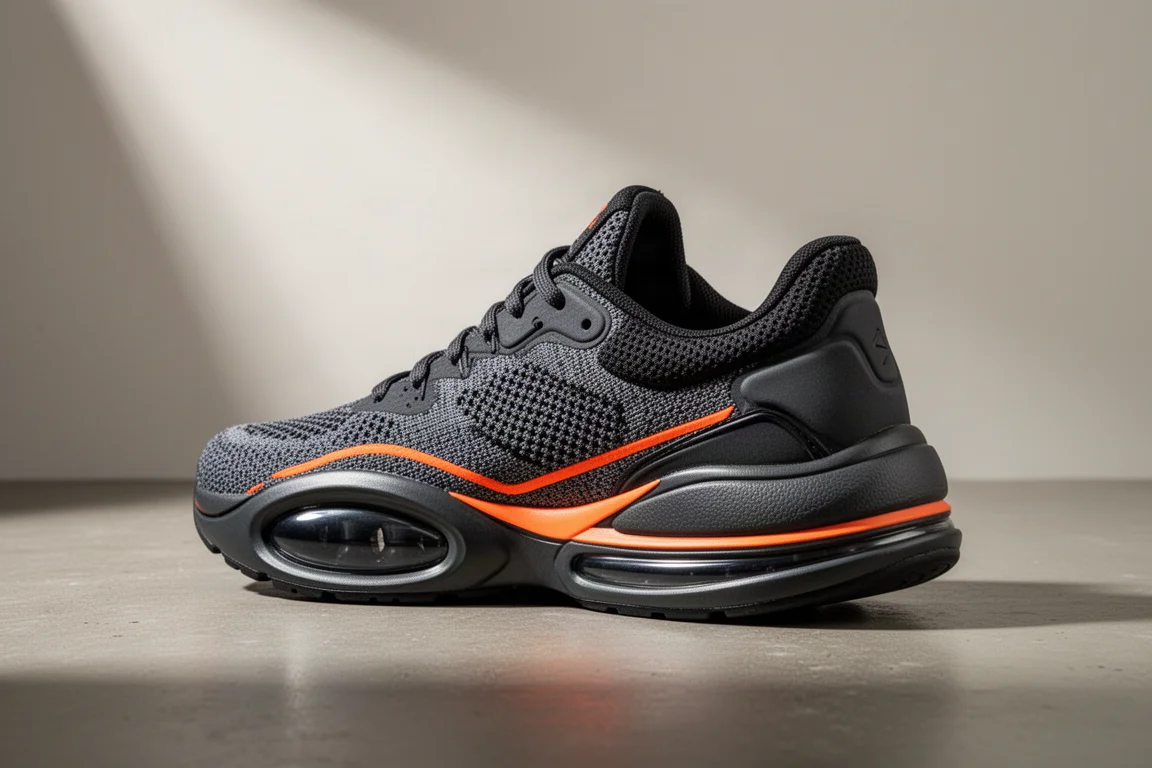
Introduction
The Pegasus has always been Nike’s classic daily workhorse trainer, now in its 41st version. It has historically been a safe bet: nothing too fancy, but it does the job well. Last year Nike added the Pegasus Plus, bringing premium ZoomX foam into the family, and it turned out to be a pretty decent training shoe. This year, though, Nike went in a very different direction with the Pegasus Premium, a massive, heavily teased, heavily priced shoe that blurs the line between running trainer and lifestyle statement piece.
Out of the box, it genuinely looks more like a fashion trainer than a dedicated running shoe, yet Nike places it front and centre in the running section of its website. So the question is simple: is this a serious performance shoe at £190, or an overpriced casual piece with running credentials bolted on?
Who This Product Is For
The honest answer after testing: a very narrow group. If money is no issue and you want an extremely comfortable daily trainer you can wear for lifestyle and travel, with the occasional easy run mixed in, the Pegasus Premium will cover you. It is a statement shoe with a “if you know, you know” appeal, and it has already sold out in many places, which suggests strong collector demand.
If you are a fan of the regular Pegasus or the Pegasus Plus, though, be prepared for disappointment. This shoe is completely different from either. The regular Pegasus is far cheaper and, in real-world use, just as comfortable. The Pegasus Plus remains a genuinely good daily shoe for runners who prefer a traditional feel: light, responsive and snappy.
Specs and Construction
Nike positions this as an upmarket daily trainer with premium materials, at a hefty price of £190. The stack height at the heel is 45mm, which is believed to be Nike’s highest ever, and the drop is the classic Pegasus 10mm. At 389g in a UK size 12, it is the heaviest shoe tested on this site to date, taking the crown from the Hoka Skyward X.
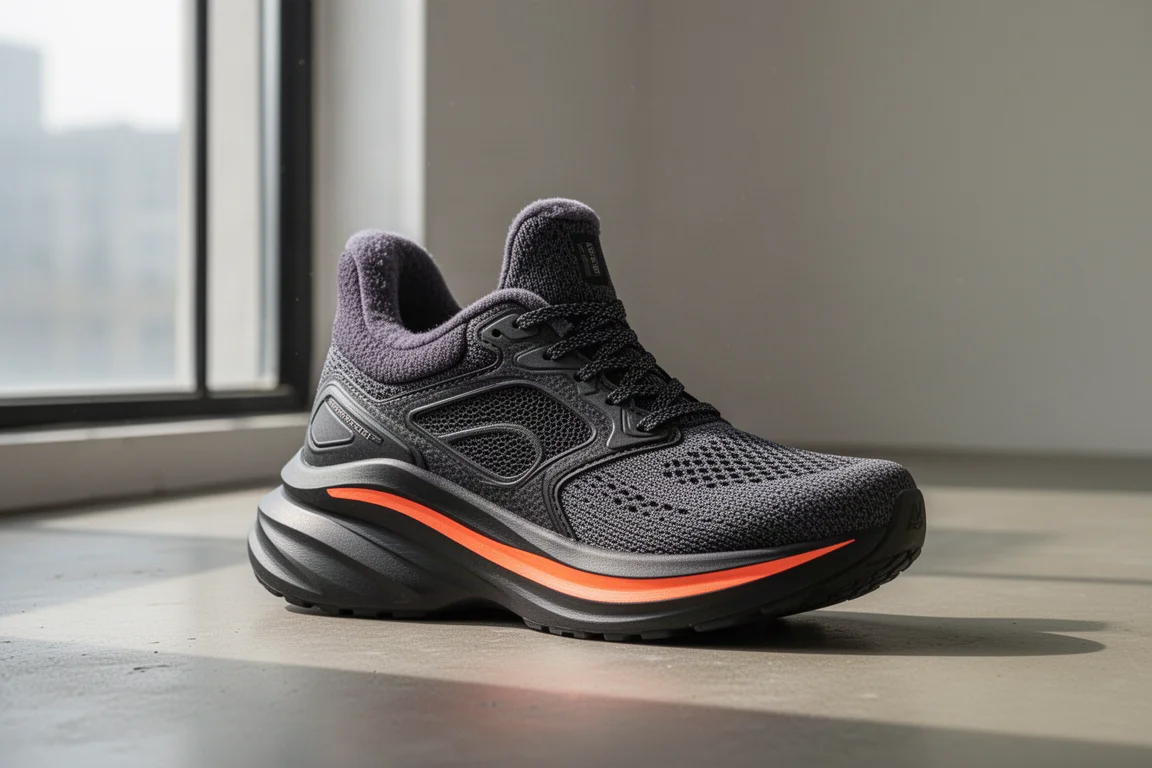
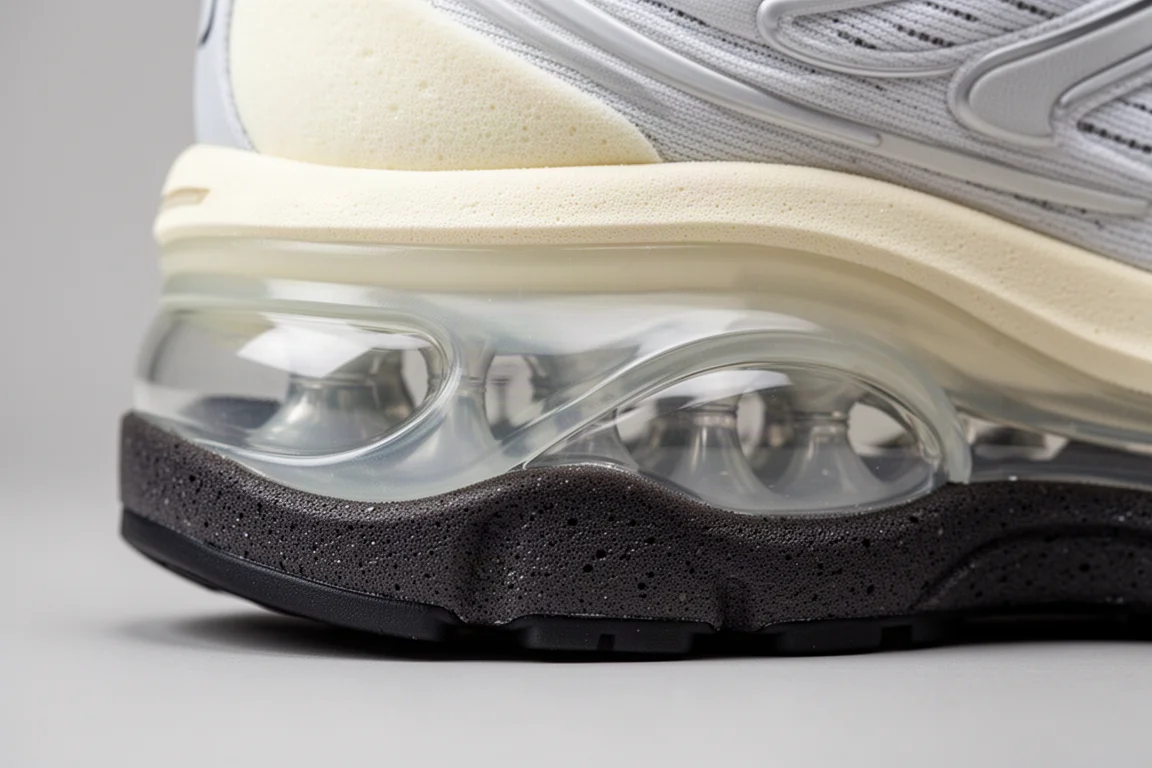
The upper combines a circular knit through the midfoot with engineered mesh surrounding it, plus a solid heel counter with generous padding. The tongue is very soft and plush. The midsole is where things get interesting: a triple-stack build with full-length premium ZoomX-based foam on top, a full-length sculpted Air Zoom pod in the middle (essentially an enlarged version of the air pod used in the AlphaFly), and durable ReactX foam underneath for durability and stability. There is no carbon plate; the sculpted air pod effectively plays that role. The outsole is Nike’s traditional waffle design in sections, with some exposed ReactX foam and the underside of the air pod visible in a bold orange line.
There are no width options, and the shoe runs slightly narrow, especially through the midfoot. It is true to size, with two colorways at launch.
Main Strengths
First, it is a genuinely cool-looking shoe. That big flash of orange makes it stand out, and it works brilliantly as a casual or travel-day shoe with enough tech to keep feet and legs comfortable on the move.
Second, the circular-knit upper is very breathable. In warmer climates, airflow through the shoe is excellent and keeps feet cooled nicely throughout a run.
Third, it feels like a well-made product. The quality of materials is high, the details on the upper reward repeated looks, the swooshes are nicely executed, and reflective properties are strong. At £190, that level of finish is what you would hope for.
Fourth, it is very comfortable to walk around in. Worn constantly for both casual and running use, it absorbs impact from daily life well and fits very similarly to the regular Pegasus.
Fifth, it is unique. There is nothing quite like it on the market right now, and it is likely to be a very collectible, fan-favourite shoe, as the rapid sell-out suggests.
Things to Consider Before Buying
From a running point of view, the negatives pile up quickly. It is very heavy and very chunky, and it does nothing to disguise that on the run. There is a lot of excess padded material on top, fine casually but simply too much for a running shoe.
It is also extremely stiff. The triple-layer midsole contributes, but mainly it is that big Air Zoom pod. There is a small, welcome rocker at the front to help through foot strike, but the ride still feels slightly slappy at contact.
The midfoot is very narrow. Narrow-footed runners will be fine, but wide-footed runners may well struggle. The feel is similar to the AlphaFly 1 and 2, though not quite as extreme since the arch does not rise as much.

Then there is the price. £190 is very hard to justify when better running options exist for considerably less money. The exposed Air Zoom pod on the outsole is another concern: rocks, thorns or road debris could puncture it and release the air, something that occasionally happens with the AlphaFly, and it is unclear why Nike left it exposed. Finally, the triple-decker midsole creates potential stability issues, particularly for heel strikers, where the rear of the shoe collapses noticeably. Grip from the waffle outsole is reliable, but cornering confidence is limited by how the layers come together.
Buying Advice
With six significant negatives, this is a genuinely difficult shoe to recommend as a running purchase. If budget is irrelevant and you want a comfortable, eye-catching trainer for daily wear with the option of the occasional run, it delivers. For anyone prioritising running performance, look elsewhere.
For speed work, comfort, racing and value, the Nike Zoomfly 6 is a fantastic option: much faster, lighter and a joy to run in, even if it is not the most comfortable shoe for casual wear. In the max-stack segment, the Puma Mag Max and Hoka Skyward X are far better running shoes, and the Asics Superblast 2 remains the king of this category, being lighter, more responsive and simply a better running shoe. Nike’s Zoom Invincible 4 is also expected soon for those committed to the max-stack world.

Conclusion
Is this really a running shoe? It is certainly going to divide opinion. The comfort is fine and it looks great, but with nearly £200 to spend on a running shoe right now, there are clearly better places to put your money. The Pegasus Premium has an incredibly niche use case, and for most runners, the standard Pegasus or Pegasus Plus will make more sense.
Product link
View more details for Nike Pegasus Premium
This product is mentioned in the review. Check the specifications, options, and compatibility before buying.
View more details for Nike Pegasus PremiumFurther reading
Related Reviews

Running Shoes
Best Road-to-Trail Running Shoes: Three Versatile Options for Mixed Terrain
A practical guide to three road-to-trail running shoes that handle both pavement and mild trails, with clear strengths and trade-offs for different runner types.

Running Shoes
Best Running Shoes for Achilles Tendonitis: Three Options Explained
Three running shoes with different heel drops and support features designed to help reduce Achilles tendon pain during walking and running.

Running Shoes
Best Running Shoes for Women: Five Top Choices Ranked
A ranked guide to five women's running shoes, from versatile daily trainers to high-performance racing options, with real strengths and trade-offs for each.