Running Shoes
Nike Pegasus Premium Early Review: Nike's Most Ambitious Daily Trainer Yet
A three-layer midsole with ZoomX foam, a full-length Air Zoom pod, and ReactX make the Pegasus Premium the most expensive, heaviest, and highest-stack Pegasus ever. Here's how it runs.
Introduction
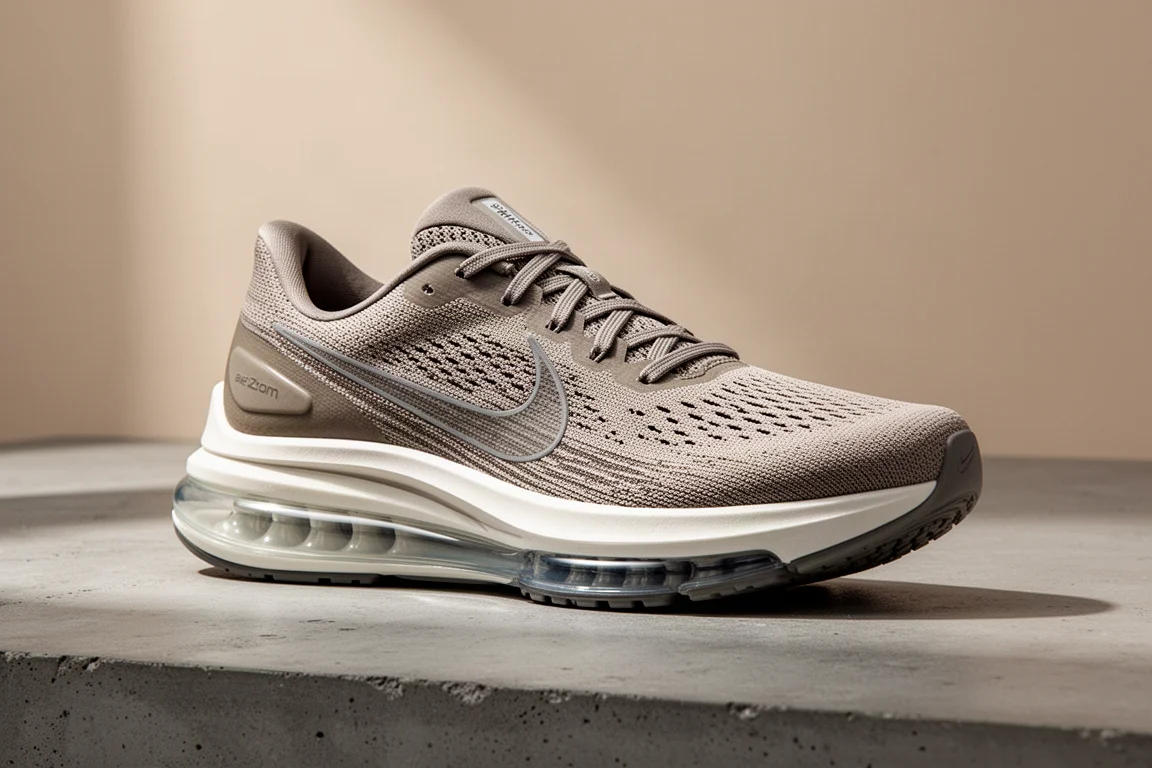
The Pegasus Premium is an all-new addition to Nike’s running line, and it sits at the very top of the Pegasus family. It is the most expensive, the heaviest, and the highest-stack Pegasus shoe Nike has made, and it combines every foam technology from the range in one build. Set to launch at the end of January in the UK at £184.99, it is a shoe that looks as good as it runs, with genuine crossover appeal for sneaker fans as well as runners. After a couple of hour-long runs in it, here is our early take.
Fit and Sizing
There is not much drama here: the shoe fits true to your normal running shoe size. The test pair, a UK 9 (US 10), matched the sizing used across the Pegasus and Pegasus Plus, with a good amount of room in the forefoot. The engineered mesh upper has a tapered design that suits narrower feet, but it is not an especially narrow shoe overall. The tongue is a soft, thick, almost duvet-style pad that stays lightweight, and there is a substantial heel counter with plenty of padding. Heel and midfoot hold is solid.
The Midsole: Three Layers of Foam
This is where the shoe gets interesting. The midsole is built in three layers. The top layer is Nike’s ZoomX foam, the bouncy, lightweight material from the Vaporfly and Alphafly racing shoes, also used in the Invincible and Pegasus Plus. Beneath that runs a full-length Air Zoom pod, the key innovation here: Nike has taken the pod technology used in the Alphafly and the Pegasus 41 and formed it into one continuous unit running heel to forefoot, adding response across the whole shoe while stabilizing the tall stack underneath.
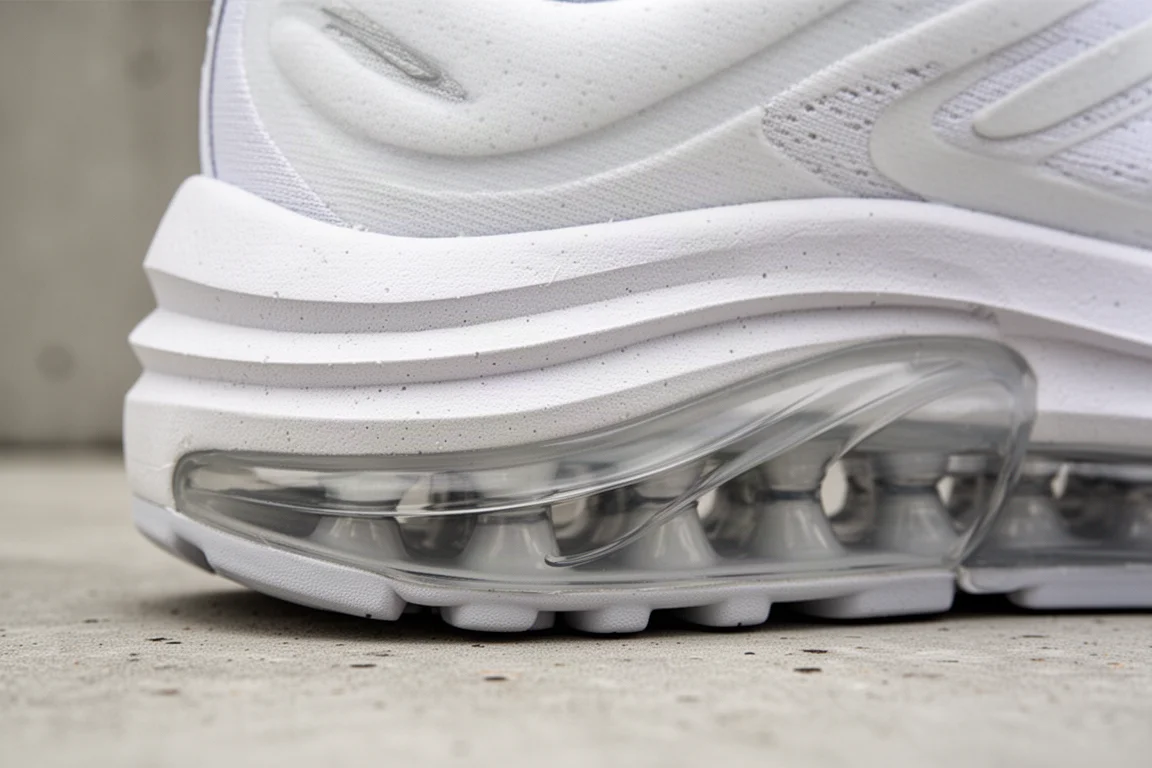
The bottom layer is ReactX foam, the durable material from the Pegasus 41 and InfinityRN 4, there to stabilize the back of the shoe and add hard-wearing longevity. The outsole uses Nike’s waffle rubber pattern at heel and forefoot, with a cutout down the middle of the shoe that shows off the Air Zoom pod.
Spec-wise, Nike claims 320g, with our US 10 pair weighing 328g (11.6oz). The stack is 45mm at the heel and 35mm at the forefoot, a classic 10mm drop but with a higher heel than any Pegasus before it.
Ride Feel: Built for Cruising, Not Speed
The ride is genuinely distinctive. You feel the high stack and the combination of foams in a way that sets it apart from the Pegasus Plus and Pegasus 41. It is a shoe built for cruising and bouncing you along rather than snapping you forward. Try to pick up the pace or head uphill and the weight makes itself known, but on the flat or downhill you can settle into a really nice rhythm and it can feel surprisingly effortless.
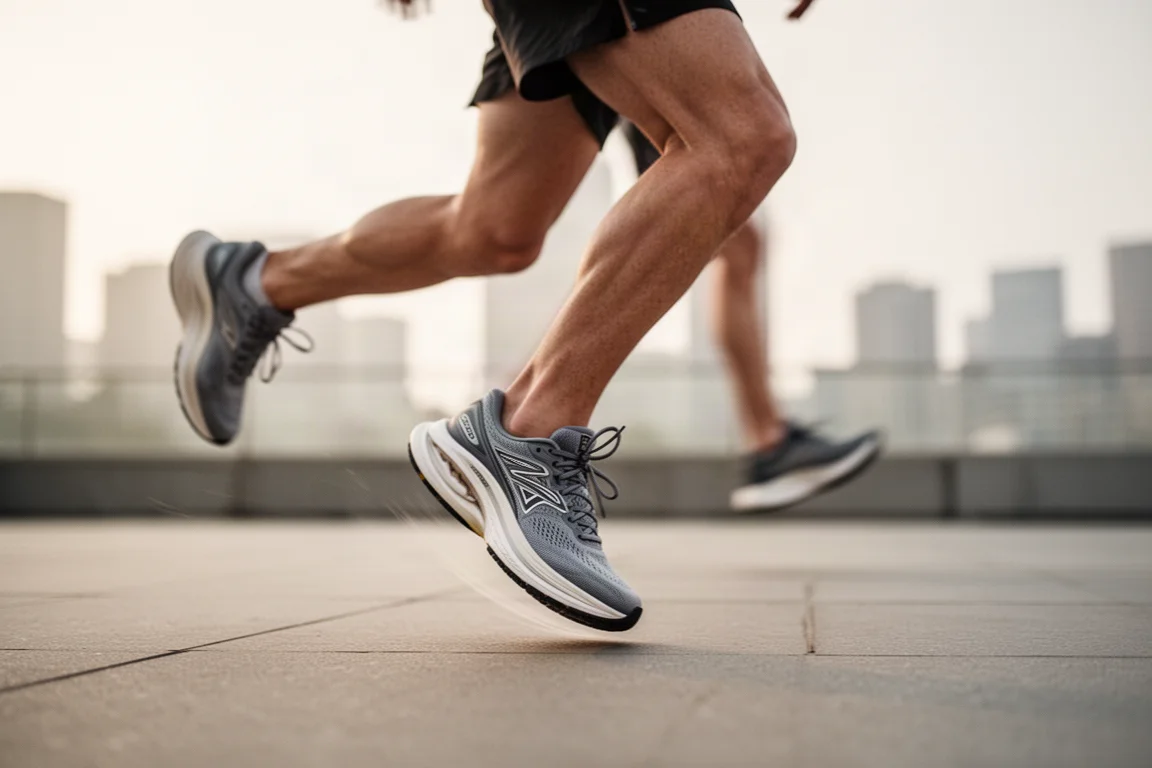
Of the three layers, the Air Zoom unit is the one you feel most. It adds firmness and response, so this is not a soft, squishy max-cushion shoe. You compress into the ZoomX, then get real bounce-back from the pod as you move smoothly onto the forefoot. High-stack heel strikers may also notice less forefoot slap than in the standard Pegasus models, because the stack compresses together and moves you through more like a lower-drop shoe. Expect a bit of the familiar Nike pod noise and slappy character, but it is manageable.
Stability Concerns at the Midfoot
One clear trade-off: the midfoot is quite narrow. Many brands widen the base on high-stack shoes for stability; Nike has kept the classic tapered Pegasus silhouette, and the foot overhangs slightly on the inside. The full-length Air Zoom unit does a lot to stabilize the ride, and as a neutral runner it was not noticeable on the run, but if you use a stability shoe or have concerns about rolling inward, this is probably one to avoid.
Who Should Buy It
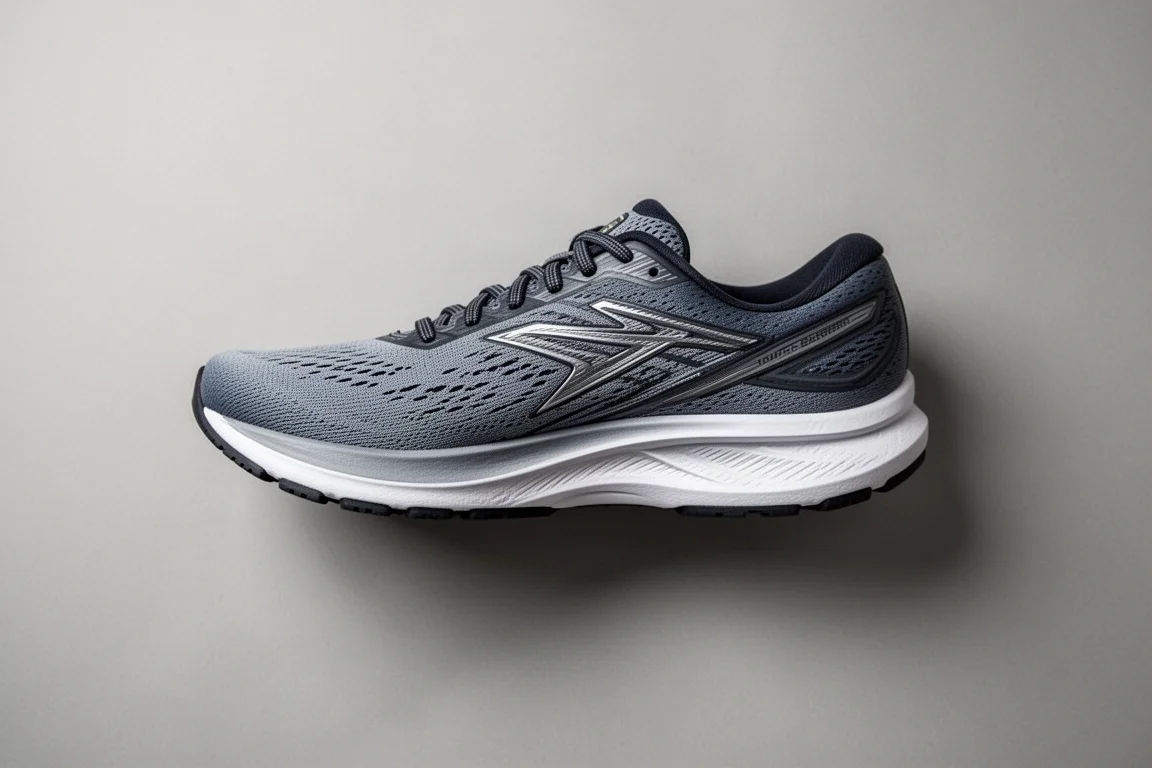
The shoe rewards fresh legs. On a run with fresher legs, the foams engage fully and the ride feels purposeful and bouncy. On very tired legs as a recovery shoe, it felt like too much shoe, and the layers were not engaging well, which may differ for heavier runners or those who put more force into the ground. It fits alongside shoes like the Puma MagMax, Hoka Skyward X, or Brooks Glycerin Max: big, mega-stack daily trainers with lots of bounce and protection, rather than a fast super trainer like the Zoomfly 6, Endorphin Speed 4, or Adizero Superblast. It also carries something of an Ultraboost vibe: a genuinely good-looking shoe you can wear around the street and still run in, with arguably more bounce thanks to the more impressive midsole foams.

Compared with its siblings, the Pegasus 41 (ReactX and Air Zoom pods) and the Pegasus Plus (a lighter, responsive ZoomX all-rounder) are the more classic daily trainers that will suit many more runners. The Premium will have slightly more niche appeal, plus a lifestyle audience drawn by the design.
Conclusion
The Pegasus Premium is an interesting, fun, bouncy shoe with a genuinely creative midsole, but it is heavy, pricey, and has a real midfoot stability question for such a tall stack. If you love big max-cushion cruisers and want the most eye-catching Pegasus ever made, it is well worth a look. If you want a snappier, lighter daily trainer, the Pegasus 41 or Pegasus Plus likely fit better.
Product link
View more details for Nike Pegasus Premium
This product is mentioned in the review. Check the specifications, options, and compatibility before buying.
View more details for Nike Pegasus PremiumFurther reading
Related Reviews

Running Shoes
Best Road-to-Trail Running Shoes: Three Versatile Options for Mixed Terrain
A practical guide to three road-to-trail running shoes that handle both pavement and mild trails, with clear strengths and trade-offs for different runner types.

Running Shoes
Best Running Shoes for Achilles Tendonitis: Three Options Explained
Three running shoes with different heel drops and support features designed to help reduce Achilles tendon pain during walking and running.

Running Shoes
Best Running Shoes for Women: Five Top Choices Ranked
A ranked guide to five women's running shoes, from versatile daily trainers to high-performance racing options, with real strengths and trade-offs for each.