Running Shoes
Nike Pegasus Plus Review: A Return to Form With a Price Problem
Nike reaches back to the Pegasus Turbo era for its new lightweight speed trainer. The ride is solid, but the $180 price raises hard questions.
Introduction
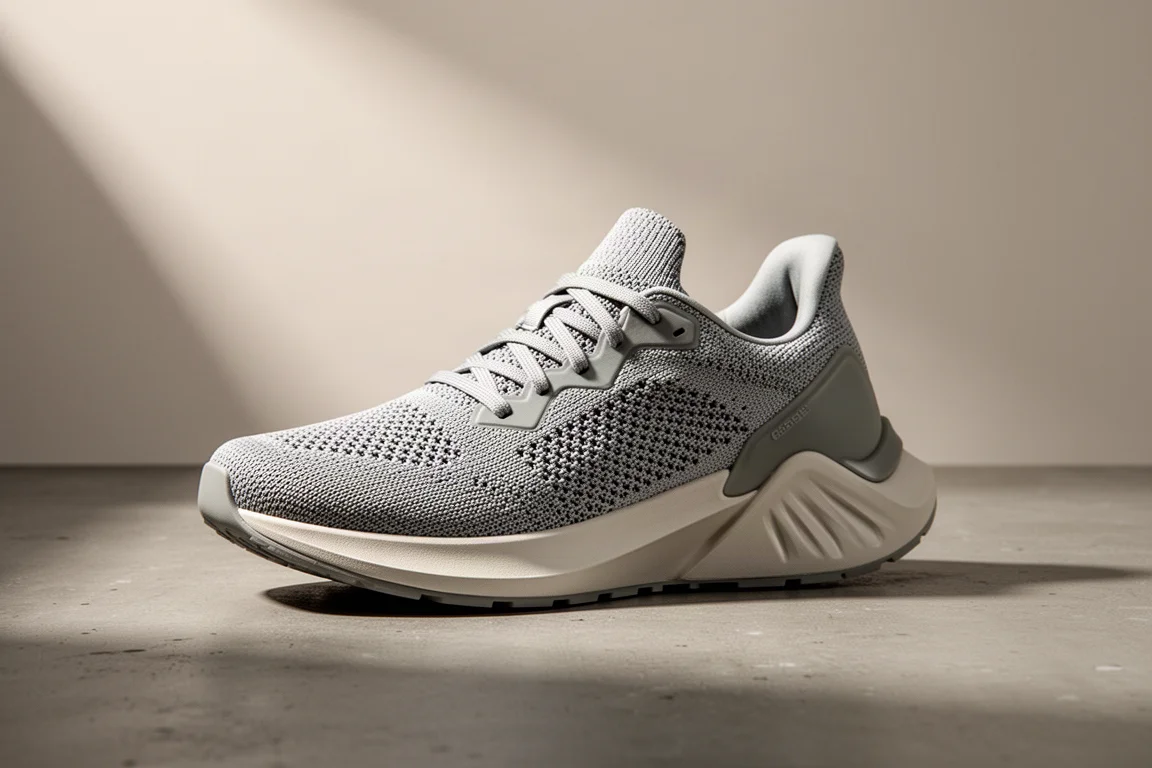
Nike has been missing something in its standard training lineup for years. After the Epic React 2 era and the original Pegasus Turbo, the brand drifted away from the lightweight, fun, bouncy segment that other brands quietly took over. The Pegasus Plus is the answer: a shoe that reaches back into Nike’s own history, carries the Pegasus Turbo name on its outsole, and tries to combine that legacy with a higher stack of modern foam. After an 8-mile test run, the short version is this: the performance is genuinely solid, but the $180 price is a hard sell.
The Market Nike Is Chasing
This segment has been eating Nike’s lunch. The Hoka Mach 5 delivered a soft, rockered supercritical EVA ride that stayed alive after 300 miles. The New Balance Rebel V3, a past-generation FuelCell shoe, was a genuine shoe-of-the-year contender: lightweight, soft, flexible, and bouncy. And the Adidas Adizero SL 2, with a wrapped firmer training foam underneath a softer race foam, is currently the most versatile shoe in the class, handling everything from long runs to fast repeats.
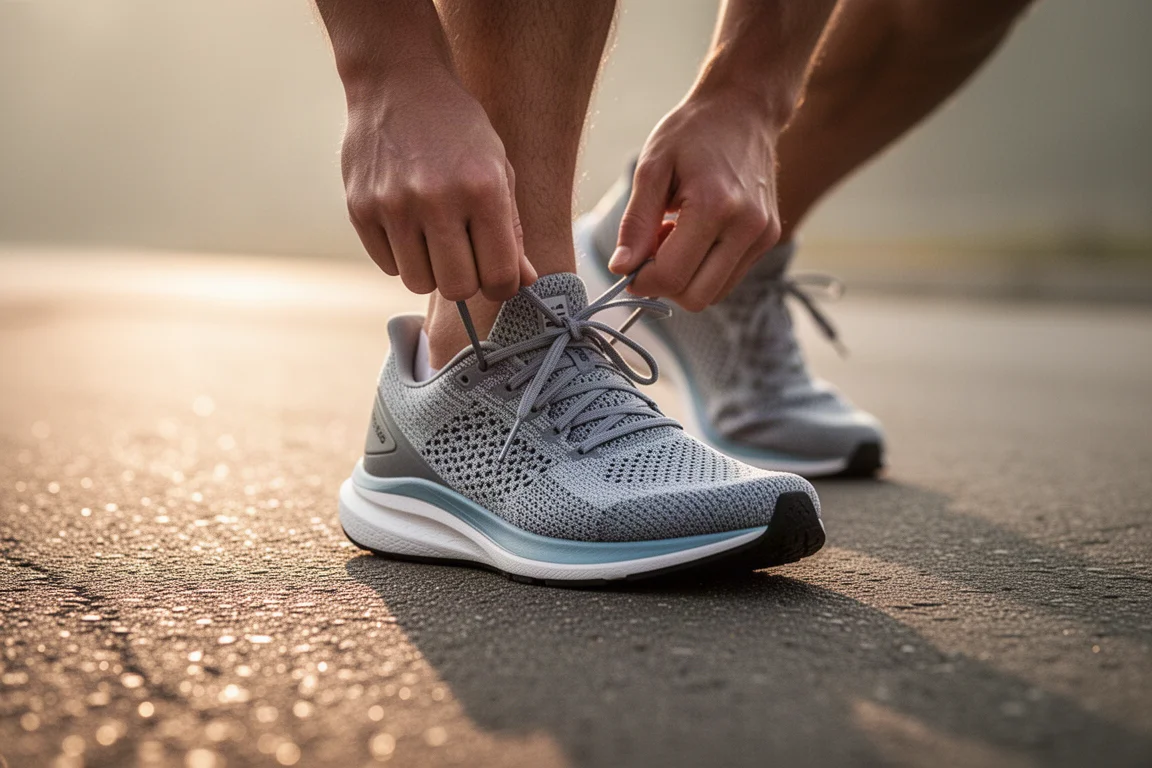
The Pegasus Plus is clearly built for this fight. It sits higher in the heel and forefoot than the original Pegasus Turbo, with a more padded, daily-trainer-oriented upper, and the launch colorway pulls a pinkish accent straight from the OG Turbo.
Main Strengths
The design is the headline. proportions are clean, the waffle-style outsole nods to Nike’s track heritage, and the launch colorway with the ZoomX-style X pulled through is a legitimate collector’s item look. On foot, the fit runs true to length with a middle-of-the-road width and a structured heel counter that gives it more of a daily-trainer feel than a stripped-down racer.
Underfoot, the foam is what Nike has been missing. It is not the same compound as the Vaporfly; it is firmer, denser, and closer to a race foam blend than a max-cushion ride. It is a little firmer than the Invincible 3 as well, which is good news if you found that shoe too soft.
Ride Impressions
At 272 g in one sample (the second shoe came in at 266 g), this is still the lightest Nike daily trainer on the scale this year, and it shows in the streamlined feel. The first miles feel stable and smooth with genuine ground feel, a flexible forefoot, and a modest but real bounce.
The key to this shoe is pace. Below roughly seven minutes per mile, it comes alive and feels like a denser, poppier ZoomX, especially for quick-cadence runners with a gentler foot strike. At easy paces it gives little speed assistance, and there is no pronounced rocker. On hills and hard pushes near 6-flat pace, the forefoot compresses noticeably and starts to bottom out.
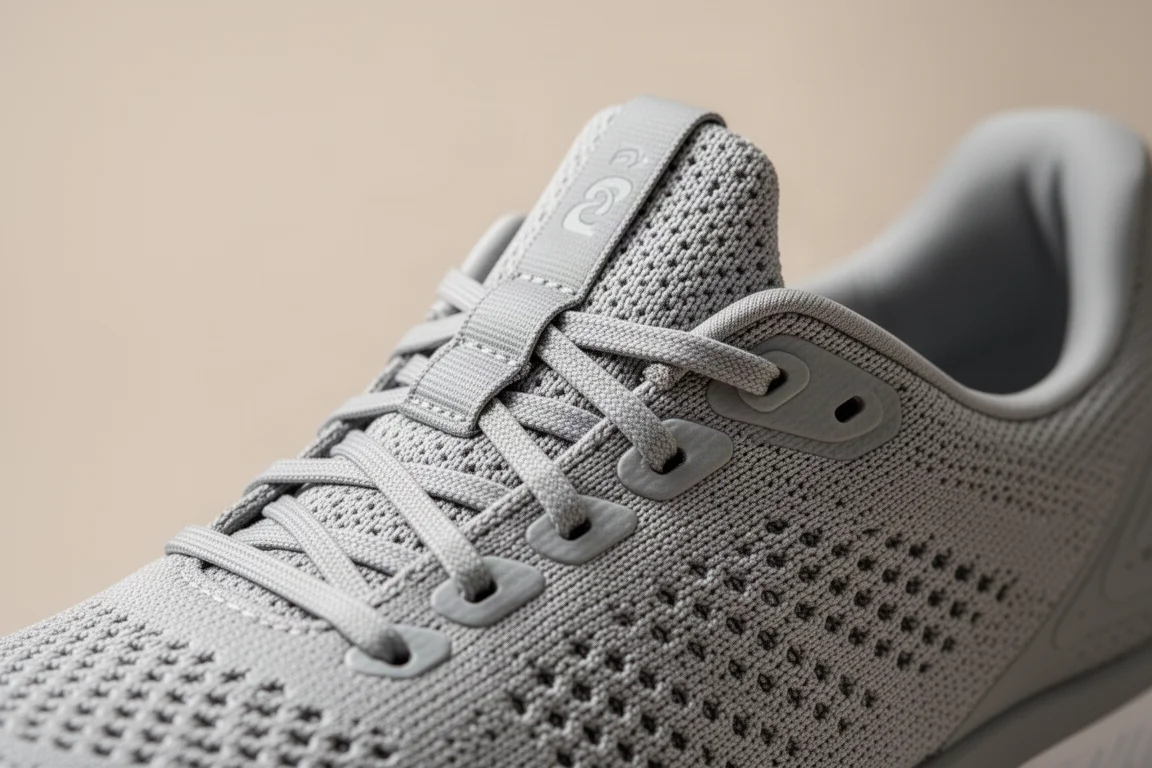
Over 8 miles at paces down to the low 6:20s, it felt smooth, solid, and fun at tempo. What it lacks is the special sauce of shoes like the Hyperion 2 or Alphafly; it is a good non-plated tempo option, not a shoe that runs itself.
Things to Consider Before Buying
Weight is the sticking point. At 272 g, it is only about 10 g lighter than the ASICS Novablast 4, which offers more comfort and support, and roughly 10 g lighter than the Puma Deviate Nitro 2 at $160, which adds a carbon plate, race foam, and one of the grippiest outsoles in the segment for $20 less. The Brooks Hyperion 2 sits around 50 g lighter with a similar stack, and the Adidas Adizero SL 2 comes in around 229 g at $130.
There are also small design questions: a thick fabric strip on the upper is purely aesthetic and adds weight and potential warmth, the toe box carries a hint of classic Nike narrowness, and the padding trades some weight for daily-trainer comfort.

The bigger issue is the $180 price. Against the Mach 6 ($140), Rebel V4 ($140), Hyperion 2 ($140), and SL 2 ($130), the strictly performance value is not there. At that price you enter race shoe territory: the ASICS Magic Speed 4 at $170 brings a carbon plate, and the Puma Deviate Nitro 3 at $160 brings plate and full race foam. If the Pegasus Plus eventually drops to the $120-130 range, it becomes a very good buy.
Buying Advice
If you are a Nike loyalist, or you want a shoe that doubles as a lifestyle piece, the Pegasus Plus is the best-looking and most capable option Nike has put in this segment since the Epic React. It is an elevated Pegasus: a classic-feeling daily trainer with modern materials, pep, and ground feel.
If you are shopping purely on performance per dollar, the category leaders are the better picks. The Mach 6 has a better rocker and bouncier foam, the SL 2 is more versatile at a much lower price, and the Hyperion 2 suits powerful runners better. The Tracksmith Eliot Runner comparison is telling: it costs $200 and you pay for design and heritage rather than a better midsole, which is exactly the argument Nike is making here.
Conclusion
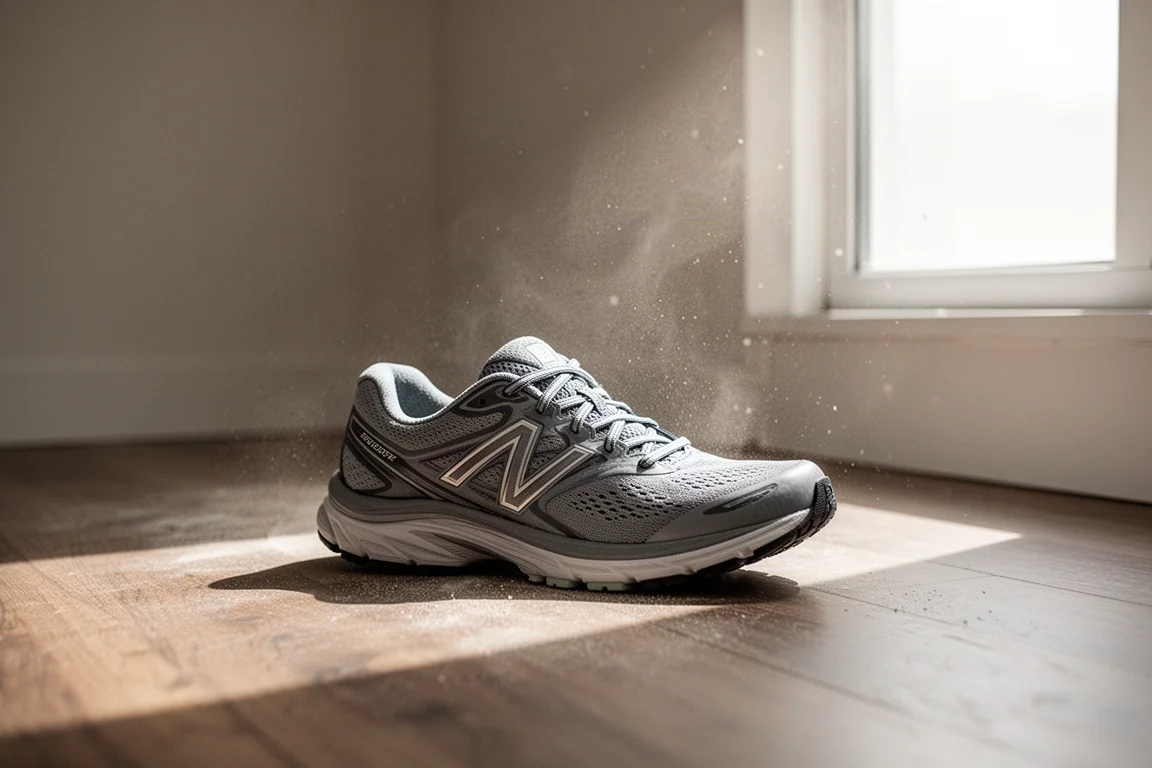
The Pegasus Plus is a solid, good-looking, genuinely fun speed trainer that fills a real gap in Nike’s lineup. Performance-wise it is what the regular Pegasus should be. But at $180 it is priced like a race shoe while delivering $140-tier specs. If it drops in price, this becomes an easy recommendation; at full retail, it is for people who buy the design first and the ride second.
Product link
View more details for Nike Pegasus Plus
This product is mentioned in the review. Check the specifications, options, and compatibility before buying.
View more details for Nike Pegasus PlusFurther reading
Related Reviews
Running Shoes
Best Road-to-Trail Running Shoes: Three Versatile Options for Mixed Terrain
A practical guide to three road-to-trail running shoes that handle both pavement and mild trails, with clear strengths and trade-offs for different runner types.
Running Shoes
Best Running Shoes for Achilles Tendonitis: Three Options Explained
Three running shoes with different heel drops and support features designed to help reduce Achilles tendon pain during walking and running.
Running Shoes
Best Running Shoes for Women: Five Top Choices Ranked
A ranked guide to five women's running shoes, from versatile daily trainers to high-performance racing options, with real strengths and trade-offs for each.