Running Shoes
Nike Pegasus Plus First Run Review: The Pegasus Turbo Returns
A premium ZoomX daily trainer that revives the classic Pegasus Turbo formula, with a firmer foam feel, traditional geometry, and plenty of competition to contend with.
Introduction
The Nike Pegasus Plus is the return of a classic: the Pegasus Turbo, one of the first shoes to bring race-day foams and materials into a daily trainer. The original paired ZoomX foam with a layer of React for a bouncy, versatile ride before being quietly discontinued. After a less popular detour with the recycled-foam Pegasus Turbo Next Nature, Nike is back with what feels like a much more accurate reincarnation of the original blueprint.
That matters right now because the market has moved on dramatically. Since the Pegasus Turbo first blazed the trail, a wave of super trainers has taken that same idea and run with it, adding plates, softer super foams, and taller stacks. The Pegasus Plus arrives priced at £165 or $180, weighing 257g (9 oz) in a UK 9, with a 10mm heel-to-toe drop. The question is whether a simpler, more traditional take can still compete.
Design and Materials
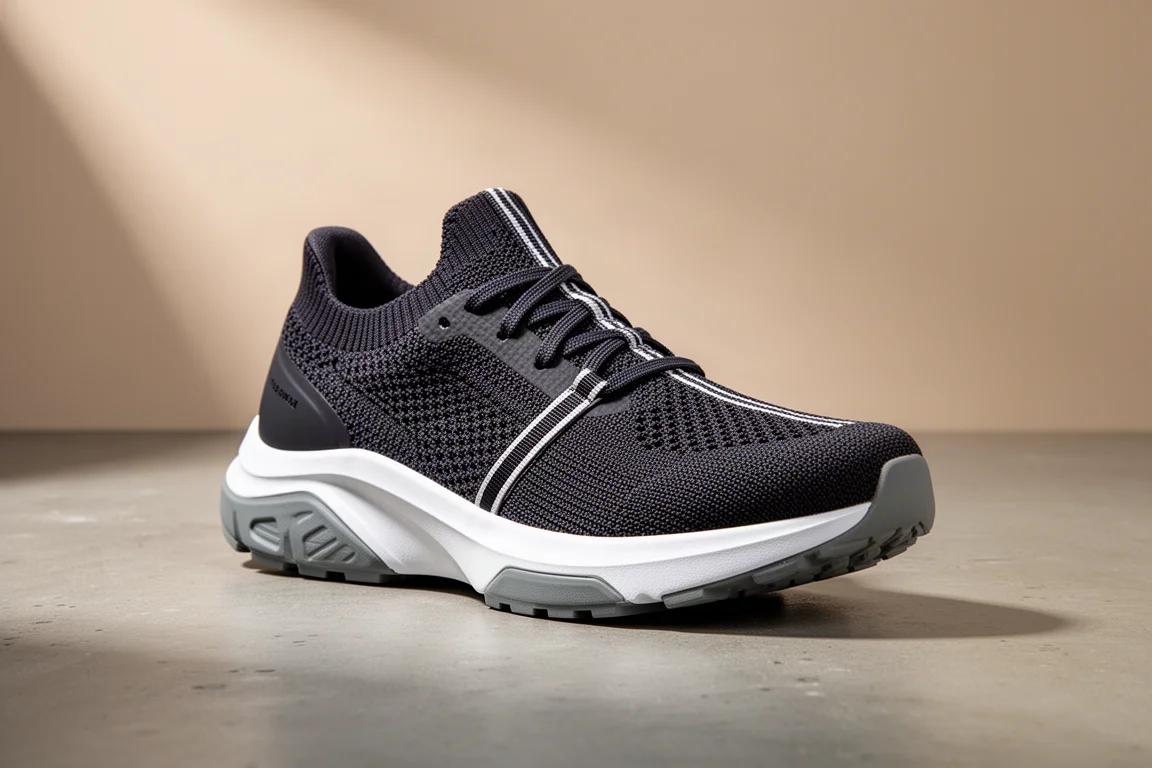
The Pegasus Plus is a deliberately simple design built around classic Nike materials. The upper uses Flyknit with generous padding at the heel and a strong, substantial internal heel counter. The tongue has relatively little padding, and every version so far carries the classic Pegasus Turbo stripe down the front of the upper, a nice nod to the shoe it succeeds.
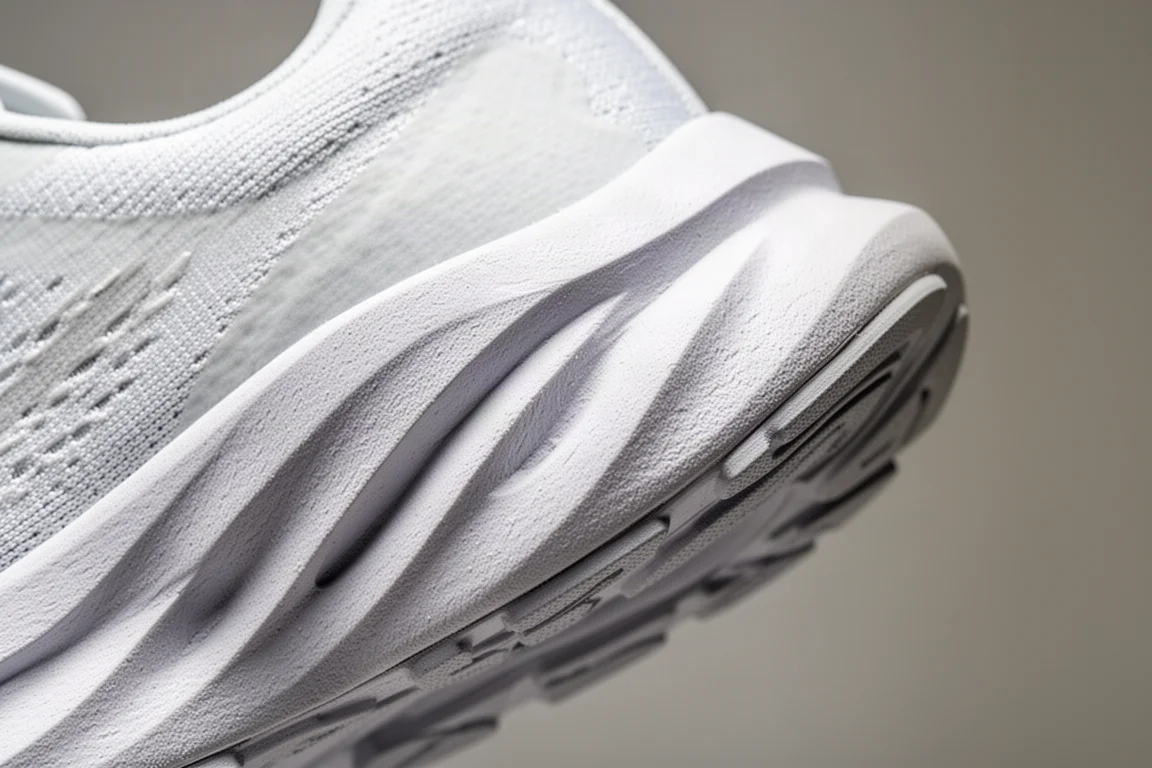
The midsole is entirely ZoomX foam, a change from the original Turbo’s ZoomX-over-React dual-density setup. Importantly, this is not the recycled ZoomX from the Next Nature shoe, and it also does not feel quite as soft and springy as the foam in Nike’s race-day shoes. It is a firmer, more resilient version that bounces back well rather than delivering a dramatic sink-and-squish sensation. The outsole has rubber on the forefoot and heel with some exposed foam in the middle, and given how light the shoe is, that layer of rubber should bode well for durability.
Fit and Sizing
Fit testers found their normal Nike size worked perfectly, and the same advice applies here: stick to your usual size. The shoe offers a good amount of room in the toe box without feeling too narrow, and it held the foot securely on the run with no rubbing or hot spots. For Nike fans, this is a familiar, dependable fit straight out of the box.

First Run Impressions
The first test was an hour of easy-to-steady running, starting around 4:30 to 4:45 per kilometre and progressing down to roughly 3:35 per kilometre. Just over 15K later, the verdict was genuinely positive, arguably more so than expected. The shoe was comfortable throughout, felt good at easy paces, and clearly had some spark and bounce when the pace picked up.
The ride is quite traditional rather than dramatic. There is no aggressive rocker geometry, and the foam feels more resilient than plush. If you step into the Pegasus Plus expecting the very soft, squishy ZoomX of shoes like the Alphafly or Invincible, you will find something firmer here. That firmness delivers a nice bouncy ride, though, and it should also help long-term durability.

Things to Consider Before Buying
The biggest difference between the Pegasus Plus and much of its competition is the 10mm drop, and more specifically what that implies: a lower forefoot stack. The forefoot feels noticeably thinner than shoes like the Hoka Mach X2 or New Balance Balos, and if you are a heel striker used to higher forefoot stacks and rockers, that can occasionally cause discomfort under the forefoot.
On the other hand, this is exactly why the shoe is worth celebrating. If you dislike heavily rockered or low-drop designs, the Pegasus Plus offers a more traditional geometry while still delivering a genuine super foam midsole. It is a different option in a market that has largely converged on one formula.
How It Stacks Up Against the Competition
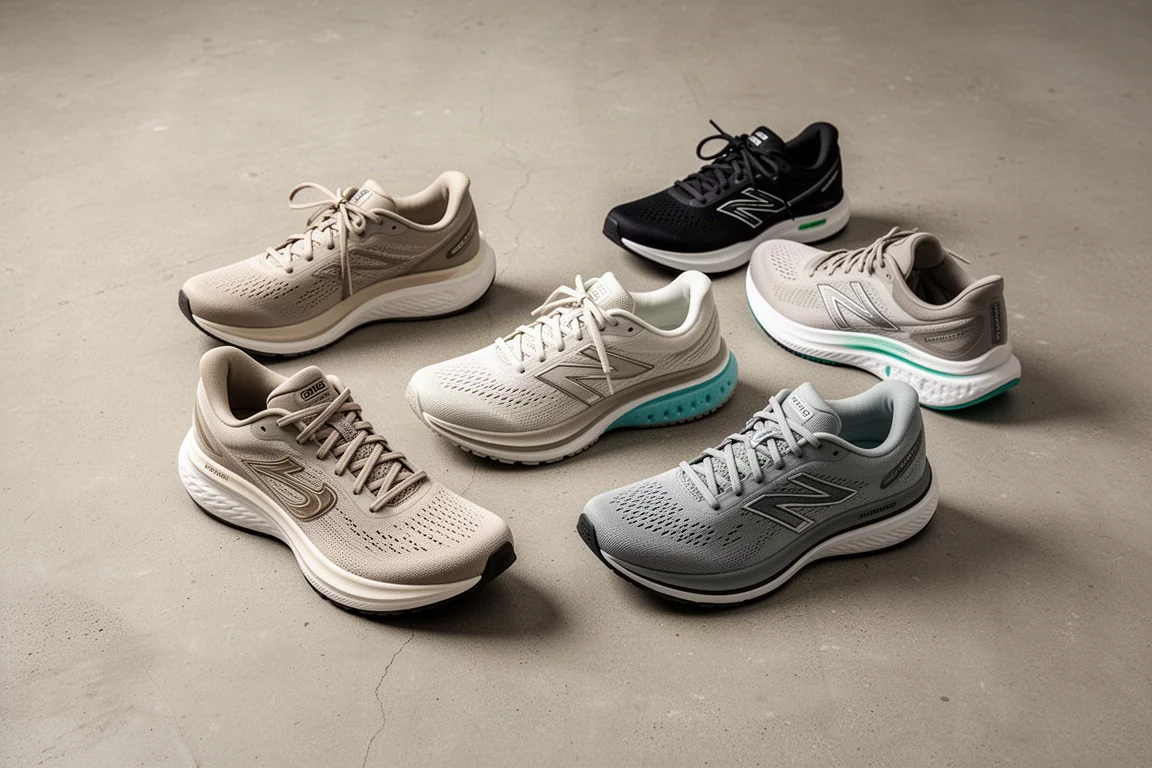
The price puts the Pegasus Plus squarely in the premium daily trainer category, which is a far more crowded space than when the original Turbo launched. Recent rivals include the Hoka Mach X2, the New Balance Balos, and the Superblast, which is not much more expensive. Smaller brands are competing too, with PEBA-foam trainers like the Mount to Coast R1 arriving at lower prices.
There are also plenty of very good plateless trainers that undercut it significantly, such as the Hoka Mach 6, the New Balance Rebel v4, and the Adidas Adizero SL2. Without a plate, the Pegasus Plus does not feel quite as sprightly at top speed as something like the Mach X2, so whether it fully justifies its price is the open question. Within Nike’s own lineup, though, it stands out clearly: it is a livelier, faster, lighter option than the standard Pegasus 41, which leans more towards cushioned cruising.
Buying Advice
If you loved the original Pegasus Turbo or want a premium daily trainer with a traditional ride, bouncy ZoomX foam, and no plate or aggressive rocker, the Pegasus Plus is an easy recommendation. It delivered comfort and support on easy days while staying light and responsive at faster paces, which is exactly what a high-performance daily trainer should do.
If you prefer maximum forefoot cushioning, a strong rocker, or the very softest ZoomX feel, or if you are shopping purely on value in a category full of excellent cheaper plateless trainers, it is worth comparing carefully before committing. Early signs suggest the foam may stay resilient rather than softening dramatically, which favours durability over plushness.
Conclusion
The Pegasus Plus is a genuine step up for Nike in this category and arguably its liveliest versatile daily trainer since the original Pegasus Turbo. It is fun to run in, comfortable for everyday mileage, and has real bounce at pace. Whether it stands out enough in a fiercely competitive market to justify its premium price is something a longer test will answer, but as a first impression, it is a very positive one.
Product link
View more details for Nike Pegasus Plus
This product is mentioned in the review. Check the specifications, options, and compatibility before buying.
View more details for Nike Pegasus PlusFurther reading
Related Reviews

Running Shoes
Best Road-to-Trail Running Shoes: Three Versatile Options for Mixed Terrain
A practical guide to three road-to-trail running shoes that handle both pavement and mild trails, with clear strengths and trade-offs for different runner types.

Running Shoes
Best Running Shoes for Achilles Tendonitis: Three Options Explained
Three running shoes with different heel drops and support features designed to help reduce Achilles tendon pain during walking and running.

Running Shoes
Best Running Shoes for Women: Five Top Choices Ranked
A ranked guide to five women's running shoes, from versatile daily trainers to high-performance racing options, with real strengths and trade-offs for each.