Running Shoes
Nike Pegasus Plus vs the Field: How It Compares to Six Rival Running Shoes
A direct comparison of the Nike Pegasus Plus against the Adidas SL2, Takumi Sen 10, Saucony Endorphin Speed 4, Puma Deviate Nitro 3, Nike Streak Fly and Pegasus 41.
Introduction
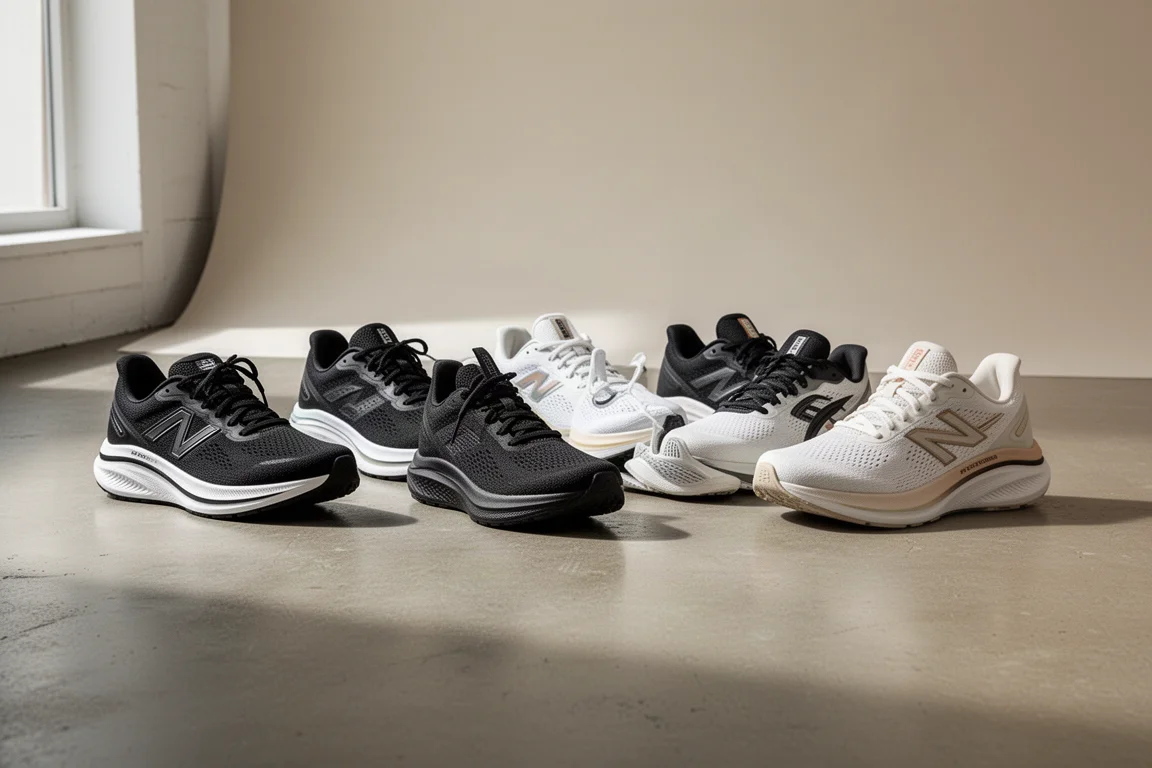
The Nike Pegasus Plus has landed in a crowded part of the market. With a ZoomX-based midsole and a daily-trainer silhouette, it sits in a price band where several strong alternatives already exist, and many readers have asked the same question: is it actually worth picking over the shoes it competes with?
This comparison puts it up against six rivals with similar use cases and price positioning: the Adidas SL2, the Adidas Takumi Sen 10, the Saucony Endorphin Speed 4, the Puma Deviate Nitro 3, the Nike Streak Fly and the standard Pegasus 41. The verdict up front: the Pegasus Plus is a good, comfortable daily shoe, but several of its rivals are lighter, cheaper or more versatile, and a few are simply better value.
How the Numbers Compare
Stack height and forefoot width place the Pegasus Plus in the middle of this group. Nike has been producing daily shoes with a lot of forefoot width lately, and this one appears pitched to appeal to as many runners’ requirements as possible. That makes it a kind of “best of” blend of the shoes around it, though it comes at a weight cost.
Against the Streak Fly there is close to a 100g difference, which is quite noticeable both on foot and in hand. The cheaper Adidas SL2 comes in almost an ounce lighter with a similar stack. Only two shoes here cost more than the Pegasus Plus: the Endorphin Speed 4 and the Takumi Sen 10, and both are lighter too. The question running through this whole comparison is simple: where exactly is all the weight going in this Nike shoe?
Nike Pegasus 41
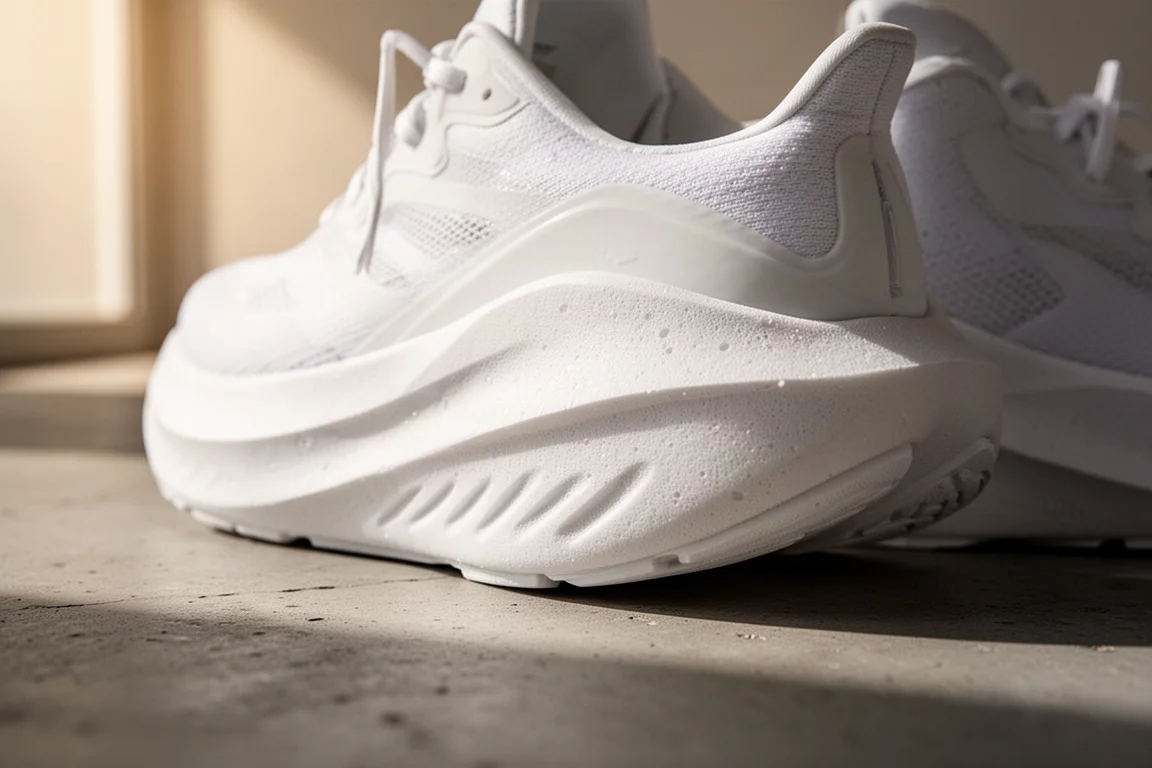
The Pegasus 41 is heavier than the Pegasus Plus, but not by as much as you might expect, with about an ounce between them and the Plus being the lighter of the two. The standard model is roughly £35 cheaper, and it contains a couple of built-in Air units that give the midsole a slightly more resilient feel, returning a bit more energy than the ZoomX in the Pegasus Plus, which reads more like an impact protector.
The React X midsole here is heavier and a little denser, which may suit slightly heavier runners looking for a more forgiving ride. On a longer run, the Pegasus 41 might actually be the better bet, and it feels a little more versatile overall. If forced to pick between the two, the standard Pegasus 41 gets the nod for consistency and stability.
Adidas SL2
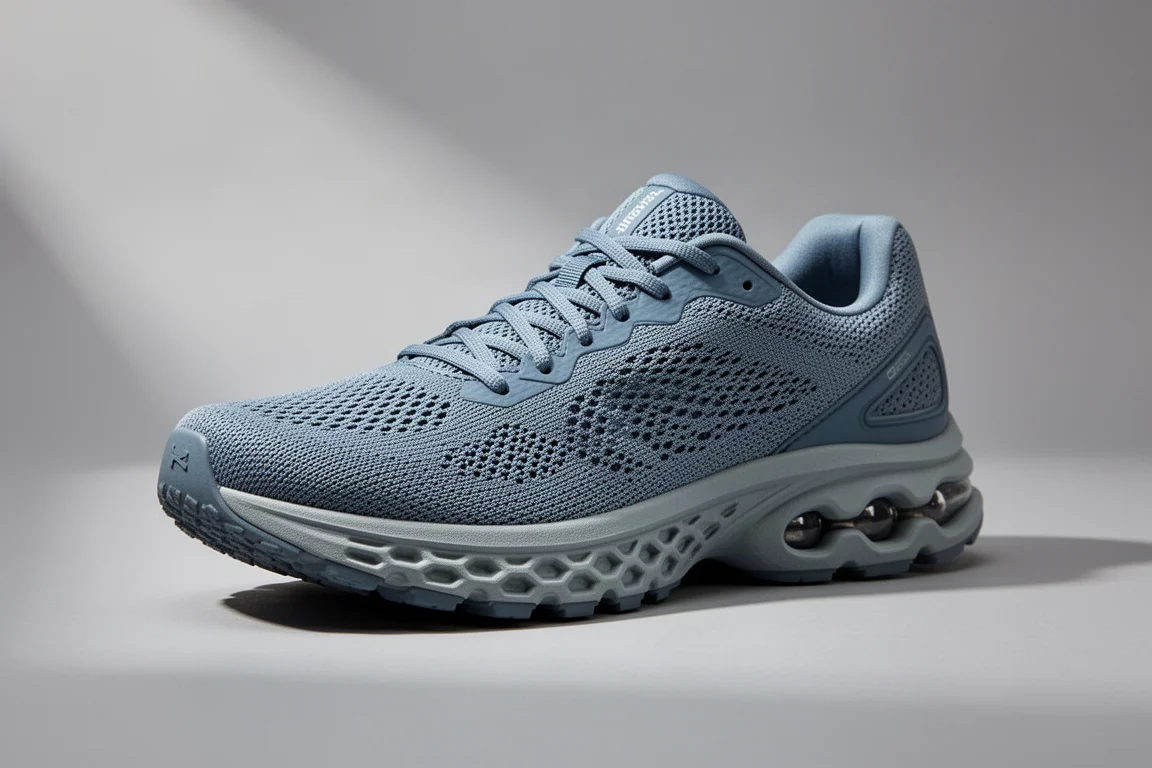
The SL2 is quite the value shoe from Adidas and one of the best releases of the year in this space. It is lighter than the Pegasus Plus, roughly £55 cheaper, and still uses Adidas’s top race-level Lightstrike Pro foam in a forgiving midsole, with a great upper and no unnecessary extras. Adidas has scrimped slightly on the outsole rubber, but grip and traction still feel good, and deals below the £100 mark make it even more compelling.
The Pegasus Plus upper is arguably a little more refined, but if you prefer more forgiving fitting dimensions and want to keep more cash in your wallet, the SL2 looks like the much better bet. Lower mass and a wider usable pace range seal the deal.
Adidas Takumi Sen 10
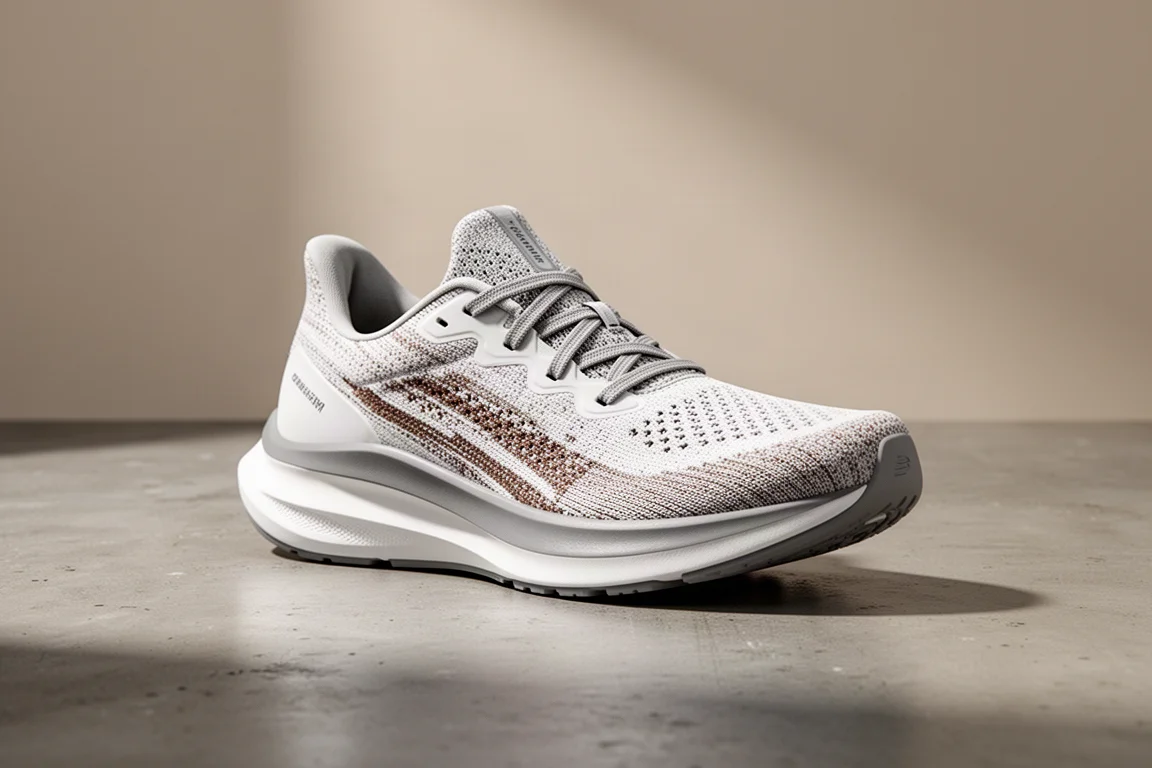
The Takumi Sen 10 is a very different animal. It is around 75g lighter in a comparable size, has energy rods built into the midsole for extra spring back, and uses Continental rubber on the outsole, which is a step up in grip. The Lightstrike Pro foam is not as squashy as ZoomX but is notably responsive, and the glove-like fit makes it a fast, close-fitting package for racing and faster training.
There is less midsole stack than the Pegasus Plus, so these two feel drastically different in hand. The Sen 10 is only about £5 more expensive, and with recent discounts it becomes even easier to recommend. If you are working on your speed rather than mile-mashing, this is the better shoe; if you want extra heel stack for daily use without the embedded tech, the Pegasus Plus makes sense instead.
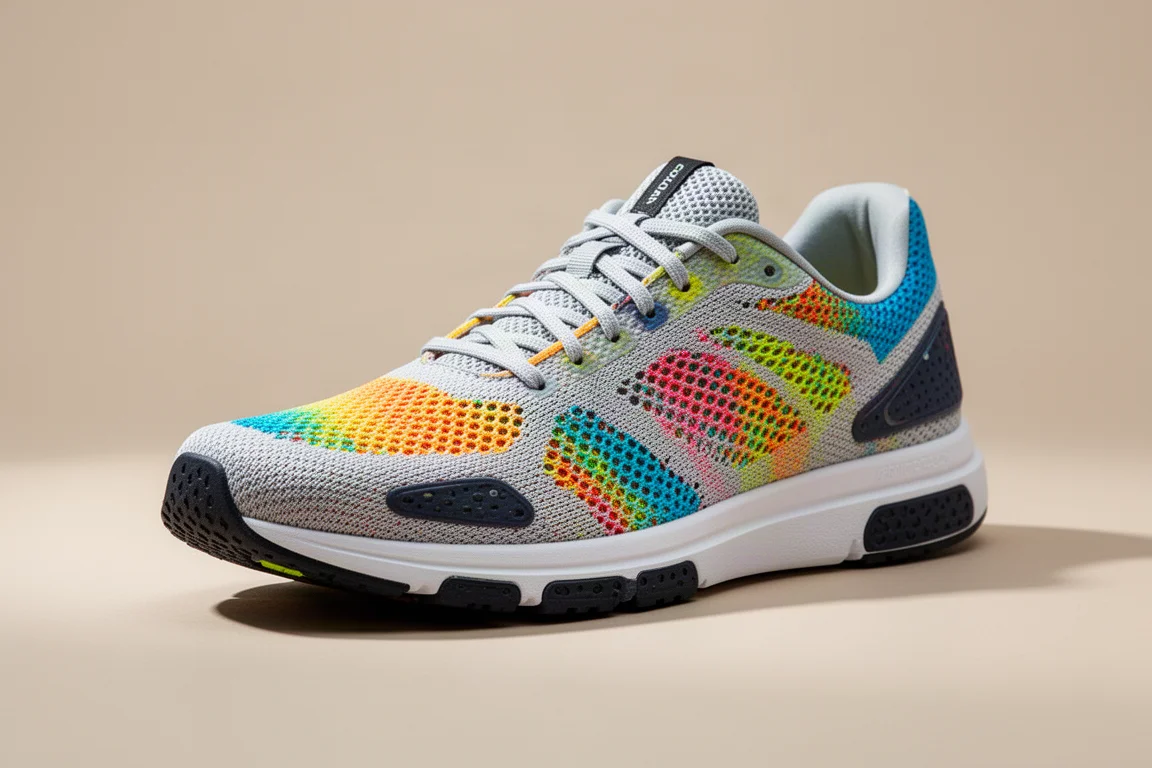
Saucony Endorphin Speed 4
The Endorphin Speed 4 is almost an ounce lighter than the Pegasus Plus with 2mm extra forefoot stack, which again raises the question of where the weight sits in the Nike. The Saucony has a lovely flexible upper that is thinner than the Pegasus Plus upper but still very breathable, and the forefoot rubber is very good, an improvement over previous models.
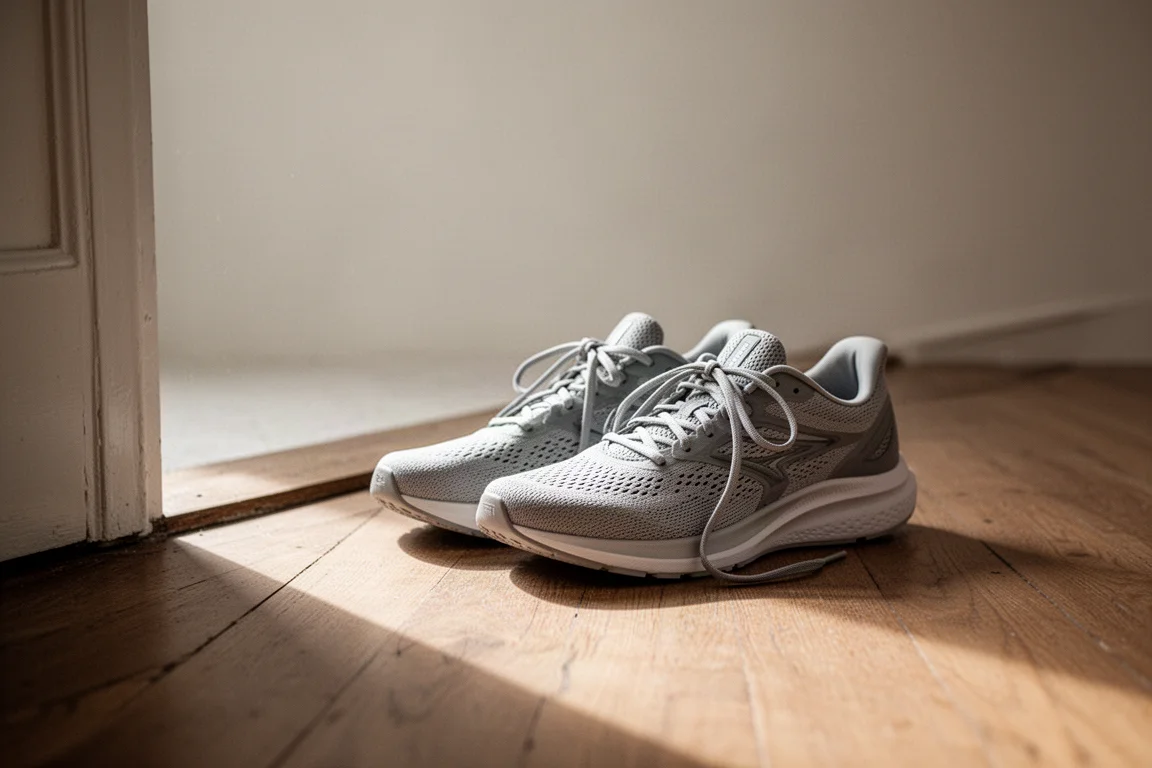
The winged nylon plate makes the Speed 4 feel more propulsive at toe-off, and the whole package just feels like a super shoe where the Pegasus Plus reads as a jack of all trades. It costs about £15 more, but it is more of a racer-trainer than a pure daily shoe, and that makes the price feel justified where the Pegasus Plus’s pricing is harder to defend. Between the two, the Speed 4 is the more versatile pick.
Nike Streak Fly
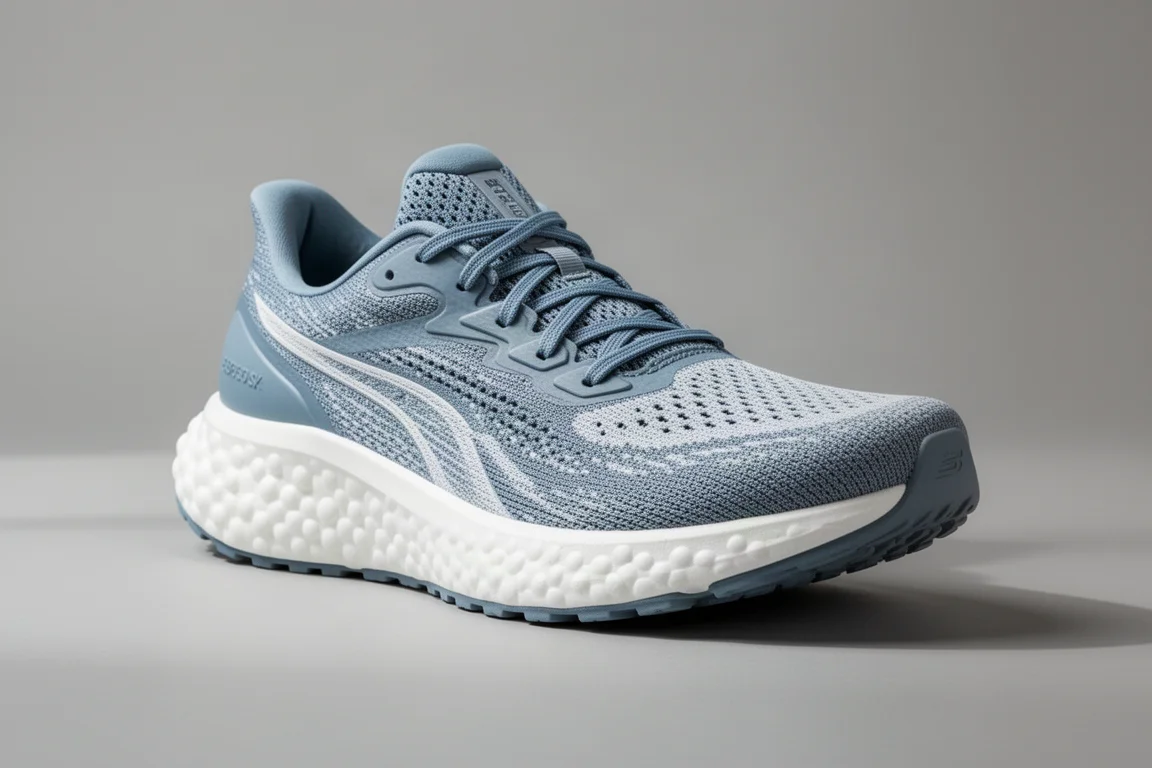
Against the Streak Fly, the Pegasus Plus looks stupendously heavy. The Streak Fly still carries a reasonable amount of midsole stack, with only about 5mm less heel stack, yet it undercuts the Pegasus Plus by around 3.5 ounces. That gap does not quite add up, particularly given that a Flyknit upper has been used on very light shoes before, and the Pegasus Plus has a considerably larger heel counter area than the near-minimal Streak Fly.
It may be a deliberate move by Nike to place these in very different slots: the more race-like Streak Fly and the heavier, more daily-oriented Pegasus Plus, possibly explaining the removal of the Turbo name. For all-out speed, the Streak Fly remains the better bet, but the Pegasus Plus is the more usable shoe unless you are a very light-framed runner.
Puma Deviate Nitro 3
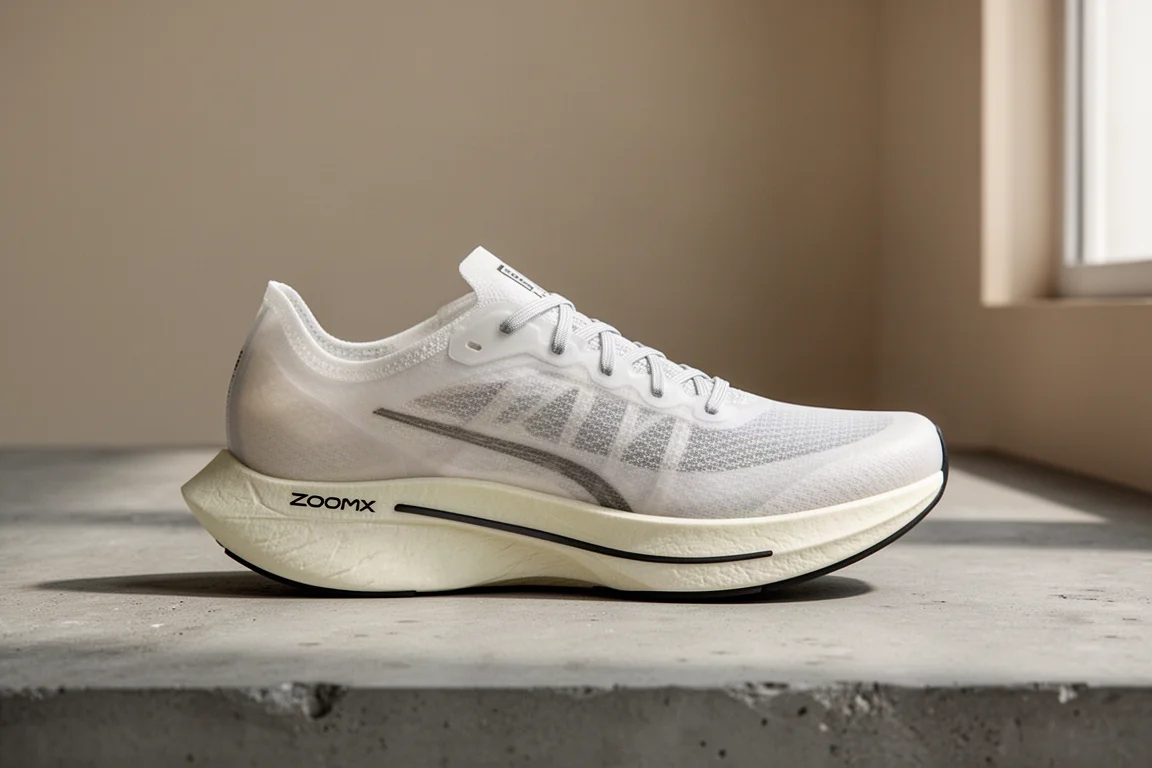
The Deviate Nitro 3 is one that keeps growing in appeal. It is slightly heavier than the Pegasus Plus, but with a carbon plate, a better outsole and a better upper fit, it comes out ahead, and it is cheaper too. The Flyknit upper on the Pegasus Plus is comfortable, but it reinforces the impression of a comfort-first daily shoe rather than something you slip on to run faster miles.
The Puma feels wilder, more exciting and more propulsive at pace. It has shone on fartlek sessions with frequent pace changes, where reaching 5K and 10K pace comes far more easily than in the Pegasus Plus, which struggles at speed given its forefoot width and the type of compression on offer.

It is hard not to feel that Nike is deliberately limiting the Pegasus Plus so buyers still have to pay extra for the plated Vaporfly, and the Zoomfly 5 already felt like a clunker by comparison. The Deviate Nitro 3 is everything the Zoomfly models should have been, and Puma is simply doing it better.
Buying Advice
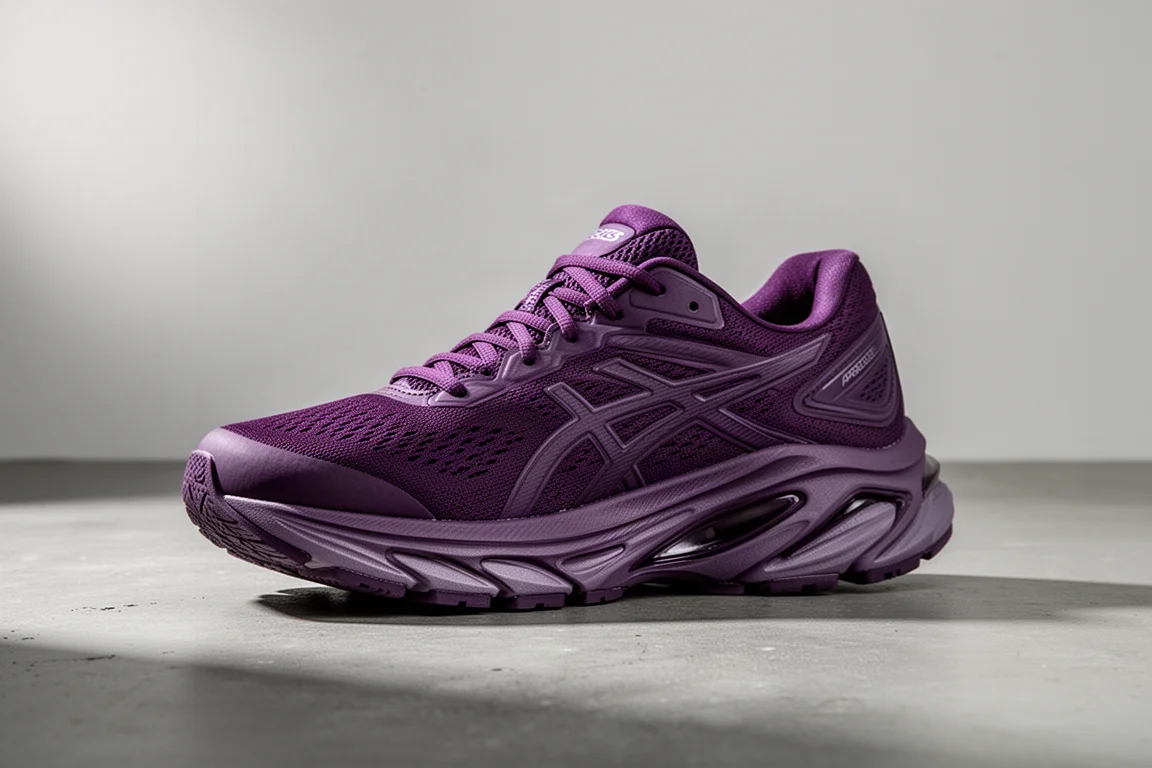
With more miles now in the Pegasus Plus, the picture is clearer. It is a good shoe and comfortable to run in, but it feels a little limited relative to what the competition offers at similar or lower prices. The SL2 and Deviate Nitro 3 are the value plays, the Takumi Sen 10 and Streak Fly are the speed picks, the Endorphin Speed 4 is the do-everything racer-trainer, and the Pegasus 41 is the more consistent daily workhorse. The Pegasus Plus makes most sense if you want a roomy, cushioned daily trainer and stay loyal to the Pegasus line.
Conclusion
The Pegasus Plus is not a bad shoe, but this comparison shows how far the rest of the market has come. Rivals offer lower weight, better propulsion, embedded plates or simply better value, and several of them undercut the Pegasus Plus on price. Choose it for comfort and daily versatility; look elsewhere if speed or value is the priority.
Further reading
Related Reviews

Running Shoes
Best Road-to-Trail Running Shoes: Three Versatile Options for Mixed Terrain
A practical guide to three road-to-trail running shoes that handle both pavement and mild trails, with clear strengths and trade-offs for different runner types.

Running Shoes
Best Running Shoes for Achilles Tendonitis: Three Options Explained
Three running shoes with different heel drops and support features designed to help reduce Achilles tendon pain during walking and running.

Running Shoes
Best Running Shoes for Women: Five Top Choices Ranked
A ranked guide to five women's running shoes, from versatile daily trainers to high-performance racing options, with real strengths and trade-offs for each.