Running Shoes
Nike Pegasus Plus vs Adidas Ultraboost 5X: Two Daily Trainers Finally Worth Their Sale Prices
Two daily trainers that launched at aggressive prices are now on sale. Here is which one fits your running style and who should buy each.

Introduction
Some running shoe launches deserve a second look only once the price comes down. That is exactly what has happened with two daily trainers this week. The Nike Pegasus Plus launched at $180 and is now down to $127, while the Adidas Ultraboost 5X launched at $180 and has dropped to $135. At those sale prices, both shoes finally line up with the rest of the daily trainer market, and they are worth comparing properly.
Why the Original Prices Were a Hard Pass
When these shoes launched at $180, they were priced well above comparable daily trainers sitting at $130 to $140. The Ultraboost 5X in particular carried a premium even though the construction had not proven itself as a running shoe at that price point, with plenty of competitors from Adidas’s own range undercutting it. The Pegasus Plus faced the same problem, undercut by rivals across the market.

The verdict was simple: never buy a full-price Pegasus Plus, and never buy a full-price Ultraboost 5X. Now that Nike and Adidas have slashed the launch colorways to $127 and $135 respectively, both shoes are priced where they should have been from day one, and the real comparisons can finally happen.
Adidas Ultraboost 5X: The Durable Do-It-All Option
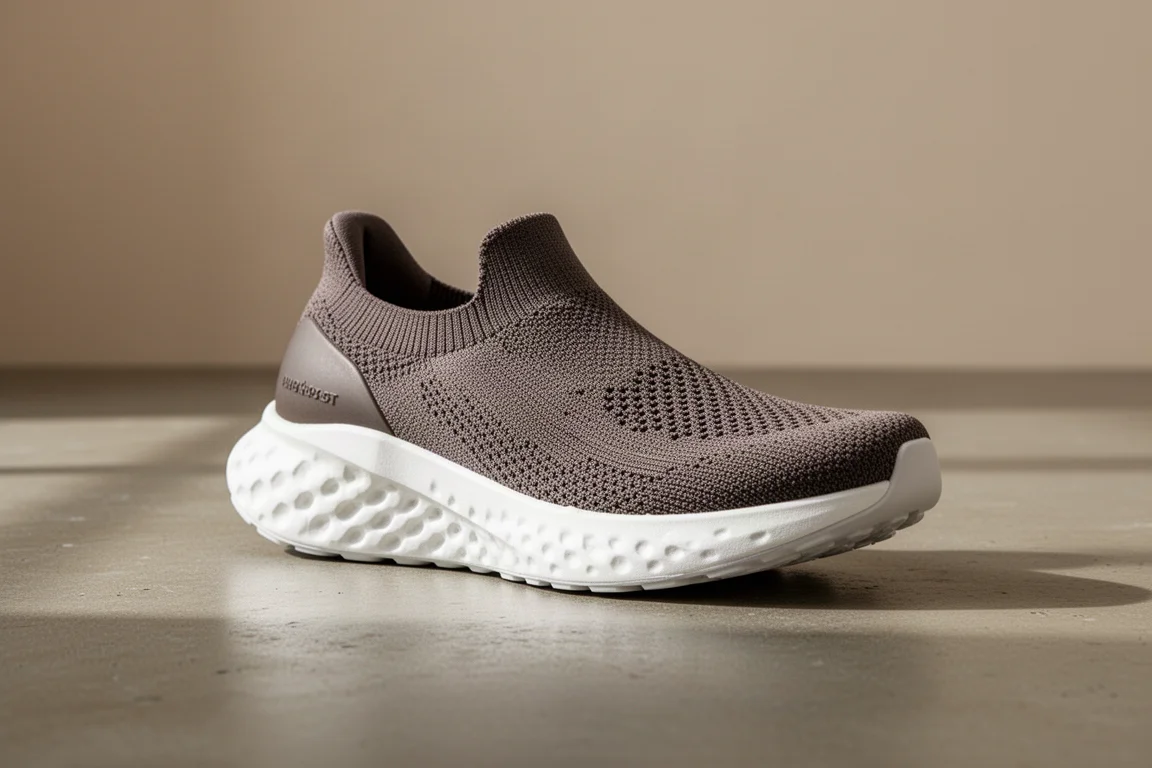
The Ultraboost 5X uses a beaded TPU midsole, a slightly firmer compound with noticeable bounce, topped with a sock-style knit upper. It is a more comfort and versatility oriented shoe than a speed-focused one, with good cushioning that does not bottom out.

On the run, the ride is smooth and fun with a wide, stable base. The foam responds well when you put more force into it, and the Continental rubber outsole in the key landing and toe-off zones delivers excellent traction, performing well even in rain. Because it is beaded TPU rather than standard EVA, it should hold up well in cold weather and last a long time.
The main downside is the 10mm drop, which feels very much like a 10mm platform and can encourage a heel landing at relaxed paces. The upper is also on the narrower side, so runners who prefer a roomier fit may feel some rubbing.
Who Should Buy the Ultraboost 5X
At $135, this transforms from a shoe that was hard to recommend into one of the best value options for beginners. If you want one shoe you can lace up for any run of the week without thinking about it, this is that shoe. It handles everything from easy miles to long runs, and there is enough forefoot cushioning that it could even take you through a half marathon.

It is also a solid pick for bigger or more powerful runners, since the foam softens under more force, and it can even handle speed work. If you typically run in super max stack shoes, it works as a nice change of pace thanks to the 10mm drop and a touch of flexibility. If you missed this deal, wait for the next one. These shoes almost always come back on sale in different colorways throughout the year.
Nike Pegasus Plus: The Speed-Oriented Daily Trainer
The Pegasus Plus is a different kind of shoe. It shares the 10mm drop and a slightly firmer feel with the Ultraboost, but it is more speed oriented. The midsole foam, called ZoomX here, is not the same compound used in Nike’s racing shoes, but it is fast, and this shoe rewards pace. You have to put down some speed to activate it, otherwise the ride is not the most comfortable.
Think of it like a firmer Rebel V3: not super soft, not too firm, but peppy and zippy once the legs are turning over. It fits into that camp of unplated, slightly flexible speed shoes that can serve as an everyday trainer as long as you are moving with intent.
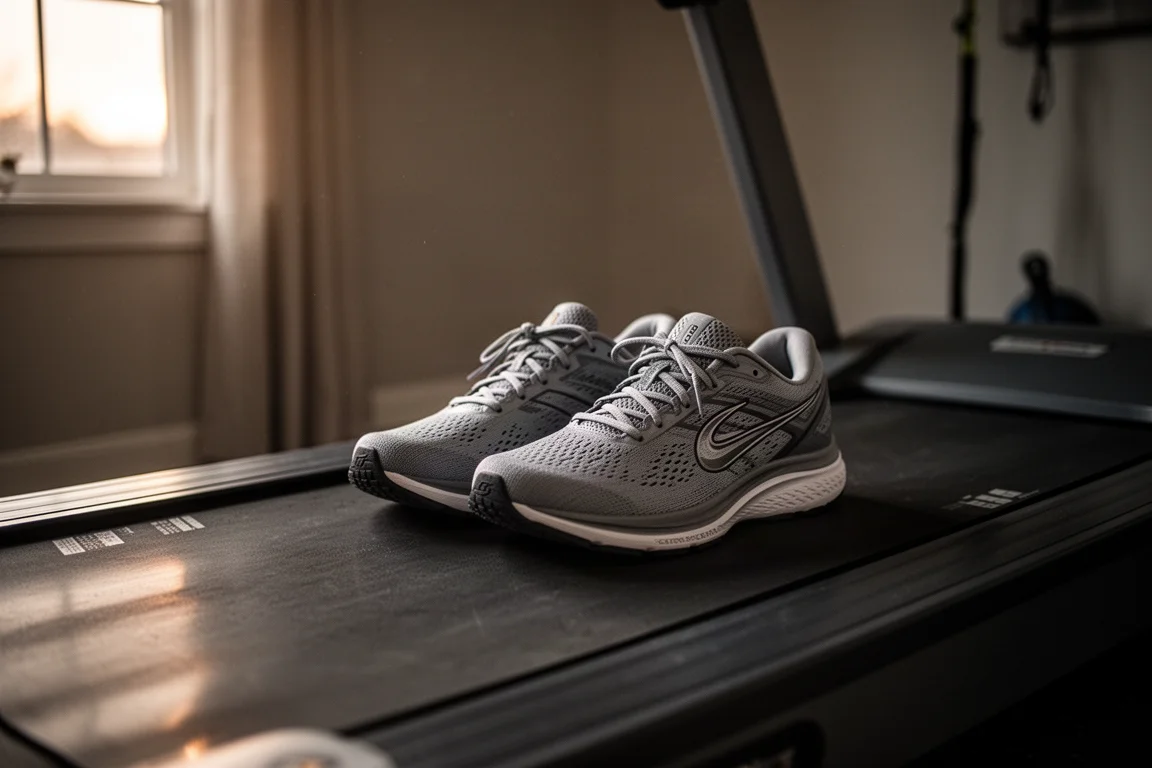
The upper is snug and narrow, which some runners find less comfortable, so that is worth keeping in mind. It is not a shoe for relaxed recovery mileage. But for track work, tempo runs, 5K and 10K training, or faster everyday runs, it has real bite. It is also a great winter treadmill shoe, since slightly firmer shoes tend to work well on the treadmill, and a fun single-shoe option for college or high school runners logging moderate weekly mileage.
Buying Advice: Which One Should You Get
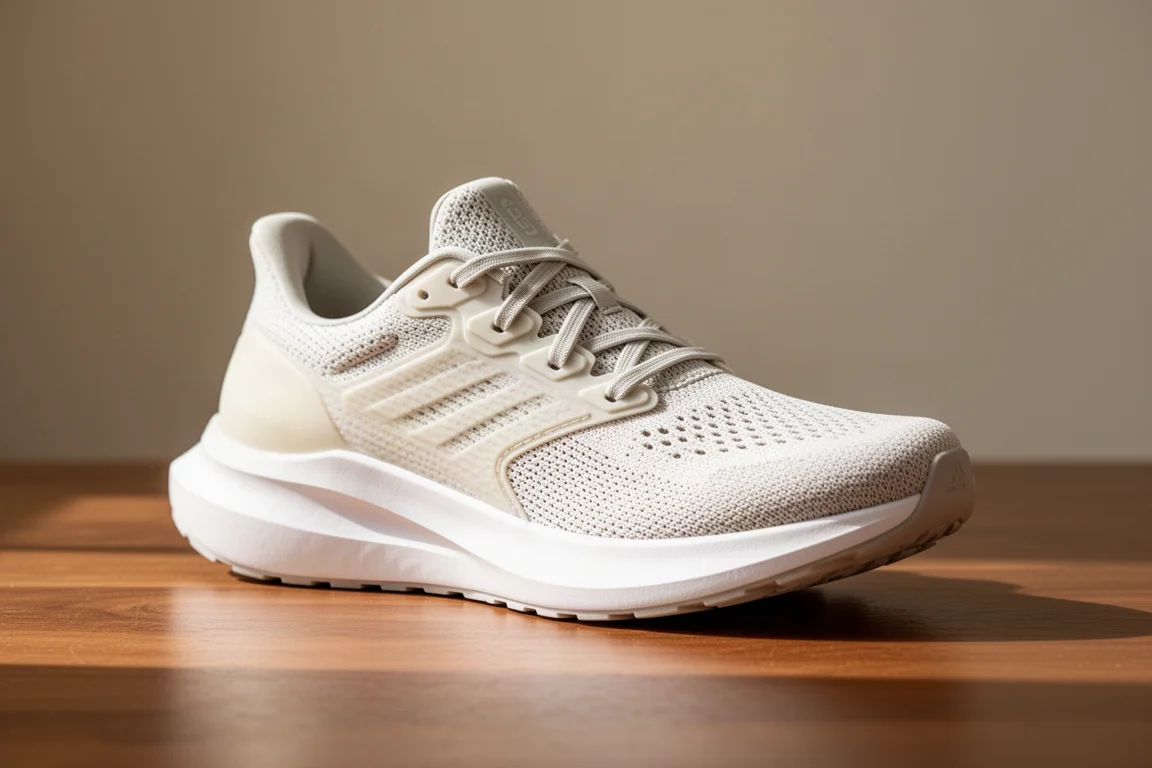
If you want one versatile shoe that can handle both slow and fast running, long runs, and beginners getting started, the Ultraboost 5X at $135 is the pick. If you want a firmer, faster-feeling everyday shoe with pop for workouts and pace-driven runs, the Pegasus Plus at $127 undercuts the competition and is the better choice. The Pegasus Plus is firmer and more structured with more bite, while the Ultraboost is softer and more comfortable overall.
Conclusion
Both deals fix what was wrong with these shoes at launch. At $127 and $135, the Pegasus Plus and Ultraboost 5X are finally priced in line with the rest of the daily trainer market, and each earns its place depending on whether you prioritize speed or versatility. Just do not pay full price for either one.
Further reading
Related Reviews

Running Shoes
Best Road-to-Trail Running Shoes: Three Versatile Options for Mixed Terrain
A practical guide to three road-to-trail running shoes that handle both pavement and mild trails, with clear strengths and trade-offs for different runner types.

Running Shoes
Best Running Shoes for Achilles Tendonitis: Three Options Explained
Three running shoes with different heel drops and support features designed to help reduce Achilles tendon pain during walking and running.

Running Shoes
Best Running Shoes for Women: Five Top Choices Ranked
A ranked guide to five women's running shoes, from versatile daily trainers to high-performance racing options, with real strengths and trade-offs for each.