Running Shoes
Nike Pegasus Plus 2 Review: A Daily Trainer That Leans Into the Pegasus Identity
Nike's second-generation Pegasus Plus trades the speed-shoe DNA of the original for soft ZoomX comfort and a more accessible price. Here's what that means in practice.
Introduction
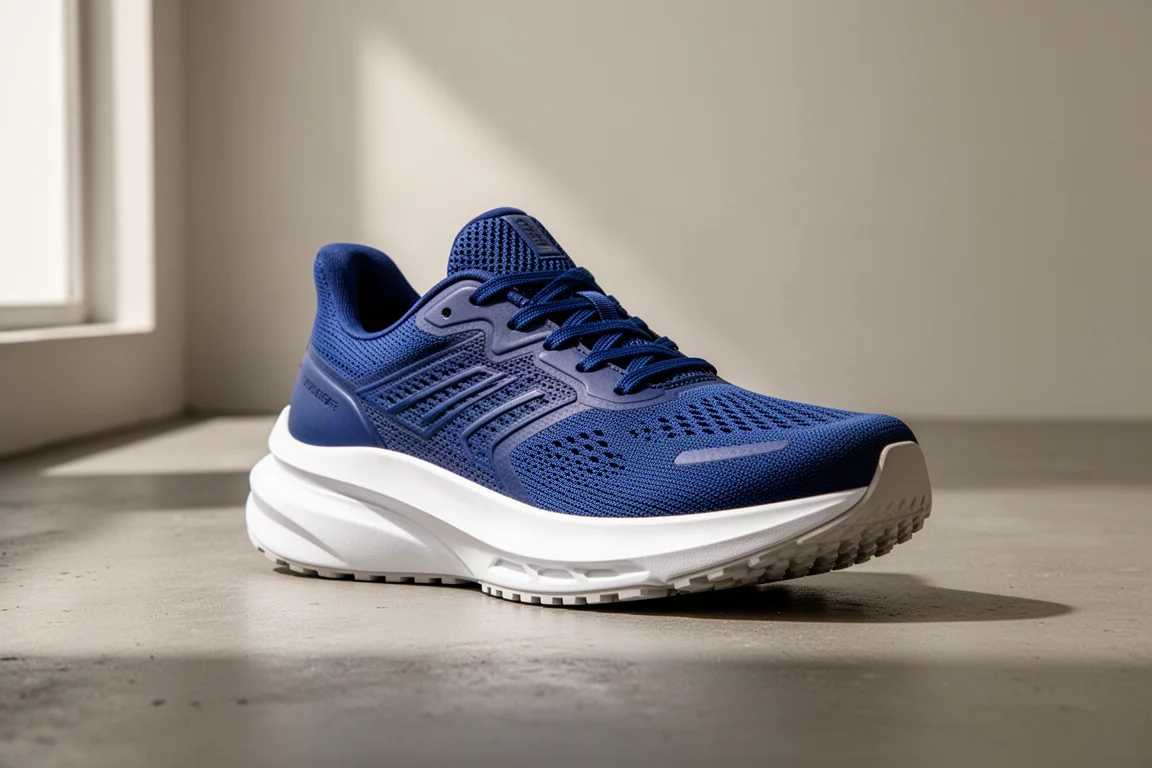
The Nike Pegasus Plus 2 arrives at $170, down from the $190 of the original, and it represents a clear change in direction. Where the first Pegasus Plus chased the spirit of the legendary Pegasus Turbo with a fast, low, aggressive build, this version abandons that formula entirely. It is now a comfortable, max-cushioned daily trainer, and that reframing changes who the shoe is for.
This is not a scorching hot take piece about why Nike should scrap the model or why it is a masterpiece. It is a fair look at what this shoe is, and what it is not.
What the Pegasus Plus 2 Actually Is
Nike has leaned hard into the Pegasus identity. The branding is everywhere: a large Pegasus with the plus symbol on the tongue, another on the heel, and even the name printed on the outsole. The shoe looks more like a Pegasus than the standard Pegasus 42 does, which is telling. Nike clearly wants you to remember this belongs to the franchise with enormous brand equity.
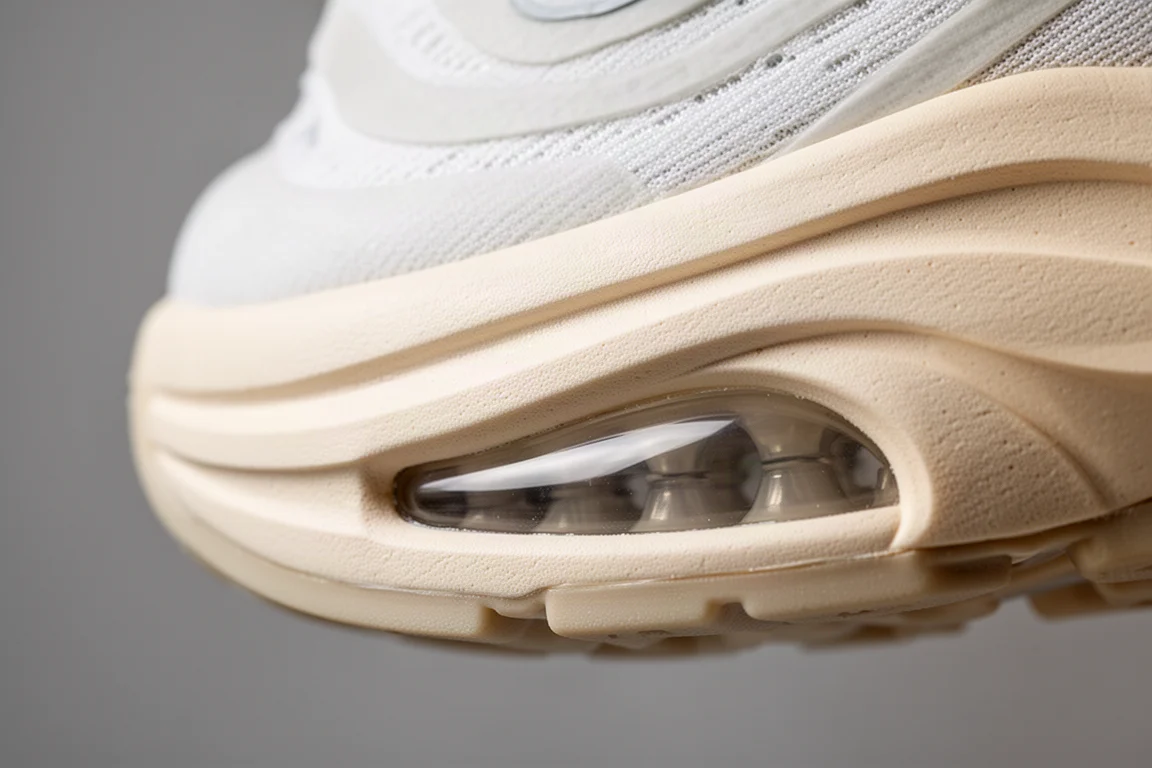
Underfoot, you get ZoomX foam for the first time in the Pegasus Plus line, paired with a curved Air Zoom unit in the forefoot. The ZoomX here is one of the nicer training versions of that foam: softer than what was in the original Pegasus Plus, and noticeably more responsive than the React X foam in the standard Pegasus. There is a large chunk of it in the heel, and the ride very much feels like a cushioned shoe.
The comparison point that matters most is the original. That first model was speed-oriented: low to the ground, nimble, firm, and expensive. The Plus 2 is chunkier in profile, softer, and aimed squarely at the daily training market where shoes like the Saucony Endorphin Speed, Adidas Evo SL, and Super Blast have dominated recent conversation. In that sense, it feels like a return to form for what a Pegasus can be, and honestly, it reads like it should just be the standard Pegasus.
The Ride: Comfort First, Speed Second
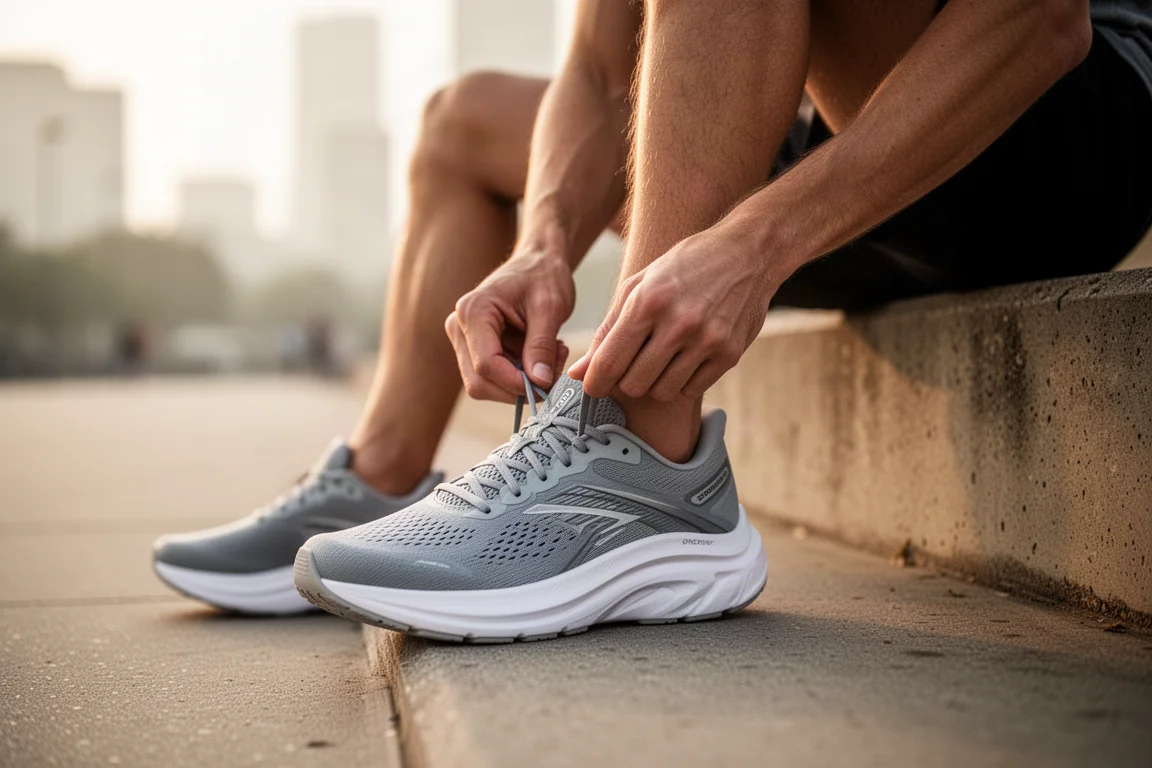
On an 8-mile run at around an 8:30 pace, the shoe felt genuinely comfortable for most of the distance. The heel gets a wide base with decent bevels for rearfoot landings, and there is plenty of padding around the heel collar. The ride is smooth, with good protection, and heel landings feel particularly pleasant.
There are small nods to speed: Vaporfly-style laces and a thin, lightweight tongue. But everything else about the shoe leans toward daily comfort, not a speed experience. At 277 grams in the tested size, it sits on par with the Cloudmonster Hyper 3, lighter than the Vomero Plus at around 300 grams, and heavier than the Super Blast or Evo SL at roughly 240 to 250 grams.
It does not feel noticeably heavy on foot, but neither does it feel quick to turn over or eager to push the pace. It has that Nike quality of wanting you to do the work. In the core daily training zone, roughly 7:10 to 8:30 pace, it felt right at home. Surges down to about 6:50 pace were fine, but nothing about the shoe begged for aggressive running.
The Air Zoom unit deserves an honest verdict here. For everyday miles, it is not hurting the experience: it is not clunky, not uncomfortable, and not adding meaningful weight. But as the optimal technology for a speed-oriented super trainer competing with the Evo SL, Mega Blast, and Dynafly class of shoes, the answer on first testing is no. No consumer is begging Nike to put air in running shoes; that is a self-imposed choice, especially when ZoomX alone powered the Vaporfly, the shoe that kicked off the entire modern foam era.
Fit and Feel
The fit is a genuine improvement over the original. The first Pegasus Plus had a very tapered, low-volume forefoot, almost triangular when viewed from the bottom. This version is much roomier up front, with higher volume and a forefoot that does not taper aggressively.
It feels closer in fit to the Vomero Plus than to the old Turbo-style build. Stability was fine during testing, and the overall fit impression is a comfortable, accommodating shoe rather than a narrow one. For runners who found the original too pinched, this is welcome news.
Buying Advice: Who Should Pick This Up
If you want one running shoe, you like Nike, and you are not obsessive about having the absolute latest technology, you will be happy with this. It is a very solid daily trainer for 30-minute to 10-mile runs, and there is nothing objectionable about it. It will also make a great casual or walking shoe.
The price positioning tells the story: $170 puts it alongside the Saucony Triumph, ASICS Gel-Nimbus 26, and Adidas Supernova Prima. That is the category this shoe lives in, and it is priced accordingly. The colorway will very likely hit deep discounts before the holidays, which matters for the more casual buyer.
If you want the lightest daily trainer, the fastest super trainer, or an Evo SL or Super Blast killer, this is not it. And that is fine, because it is not trying to be. Interestingly, there is a case it works better as a comfortable recovery or relaxed-pace shoe than as a peppy daily: the soft ZoomX plus the gentle bounce from the Air Zoom unit felt genuinely nice when shuffling along at slower efforts, without the heaviness that made the Vomero Premium cumbersome at easy paces.
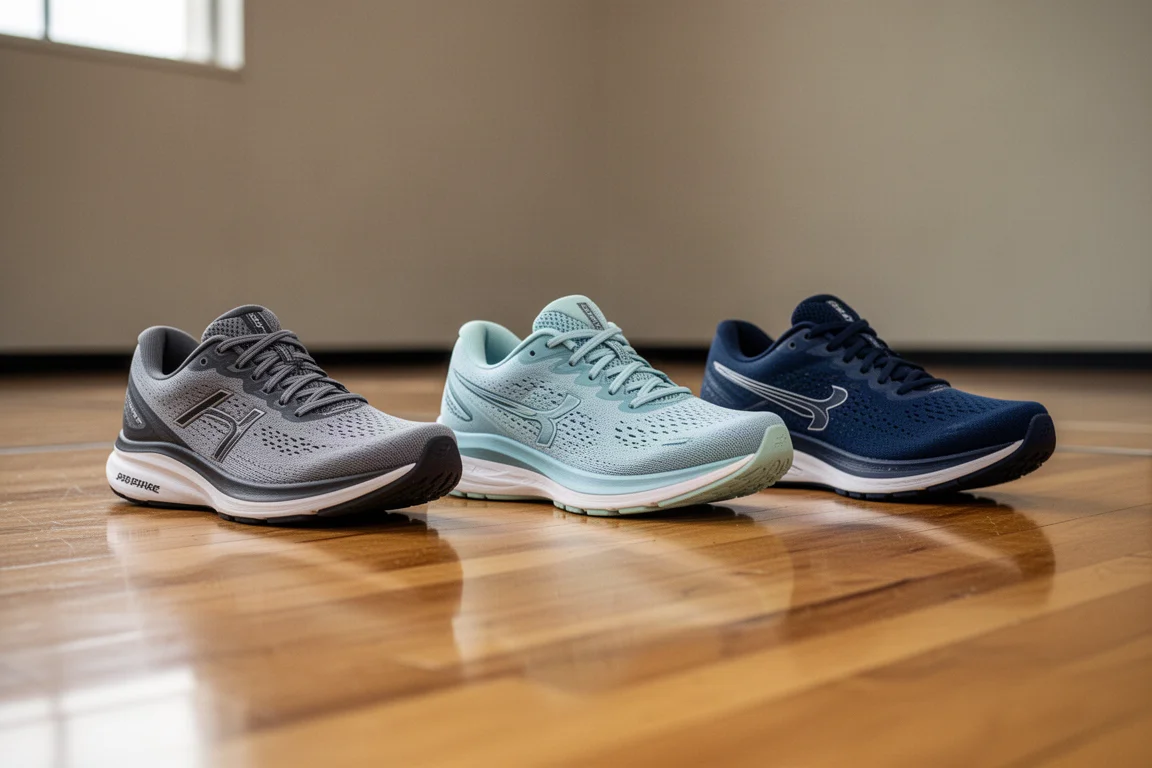
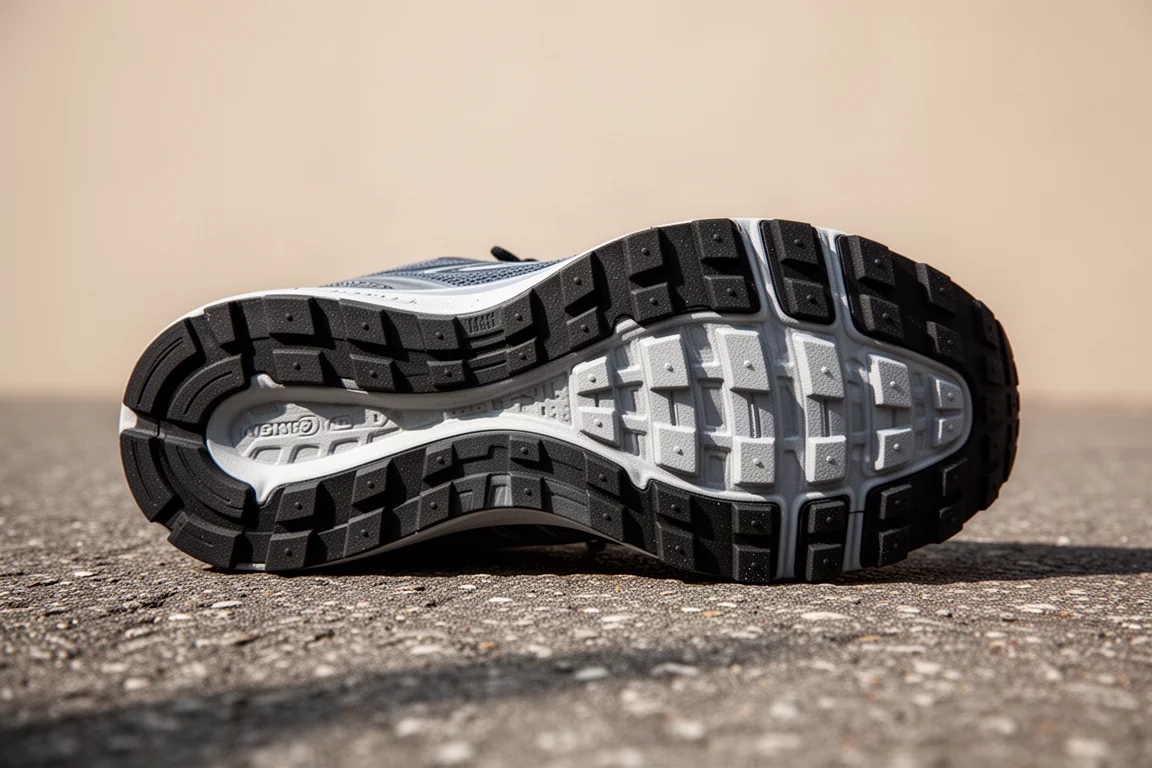
One last detail worth noting: the outsole pattern carries over from the original Pegasus Plus, which itself matched the Pegasus Turbo. That stripe on the bottom is the last thread of continuity connecting this borderline max-cushion daily trainer to its fast heritage.
Conclusion
The Nike Pegasus Plus 2 is a good product, but think of it as a Pegasus first and a plus second. It has daily trainer DNA, not speed shoe DNA, and if you expect a speed shoe you may be disappointed. Used as a comfortable, versatile daily trainer for everyday miles, it earns a thumbs up on the first run. Stay tuned for further testing at faster paces.
Product link
View more details for Nike Pegasus Plus 2
This product is mentioned in the review. Check the specifications, options, and compatibility before buying.
View more details for Nike Pegasus Plus 2Further reading
Related Reviews
Running Shoes
Best Road-to-Trail Running Shoes: Three Versatile Options for Mixed Terrain
A practical guide to three road-to-trail running shoes that handle both pavement and mild trails, with clear strengths and trade-offs for different runner types.
Running Shoes
Best Running Shoes for Achilles Tendonitis: Three Options Explained
Three running shoes with different heel drops and support features designed to help reduce Achilles tendon pain during walking and running.
Running Shoes
Best Running Shoes for Women: Five Top Choices Ranked
A ranked guide to five women's running shoes, from versatile daily trainers to high-performance racing options, with real strengths and trade-offs for each.