Running Shoes
Nike Pegasus Plus vs Pegasus 41 vs Pegasus Premium: Which One Fits Your Running?
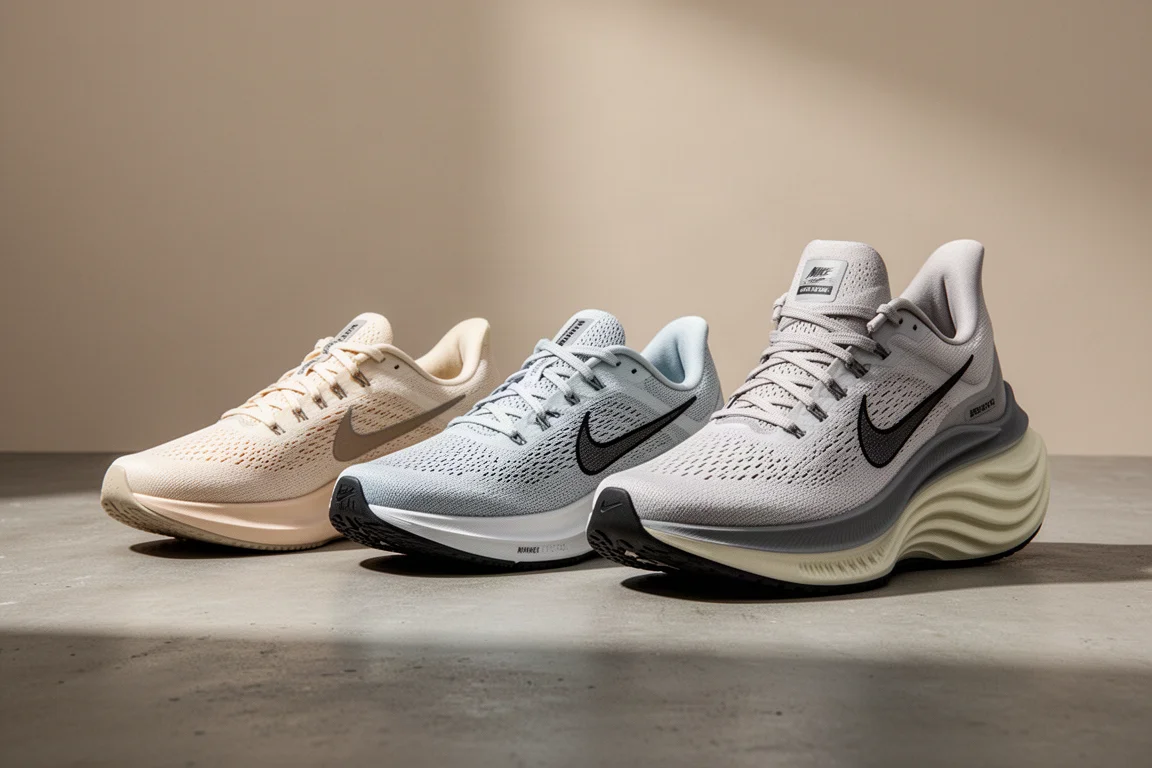
A three-shoe comparison of the Nike Pegasus lineup: the lightweight Plus, the standard 41, and the tall, firm, bouncy Premium.
Introduction
Nike now offers the Pegasus as a lineup of three rather than a single shoe: the Pegasus Plus as a lighter, softer trainer, the Pegasus 41 as the standard daily trainer, and the Pegasus Premium as a tall, firm, bouncy maximal option. Each has a distinct purpose, and choosing between them comes down to how you run and what your feet need. This comparison breaks down the specs, the ride, and the fit quirks of all three so you can decide whether one or two of them belong in your rotation.
Specs at a Glance
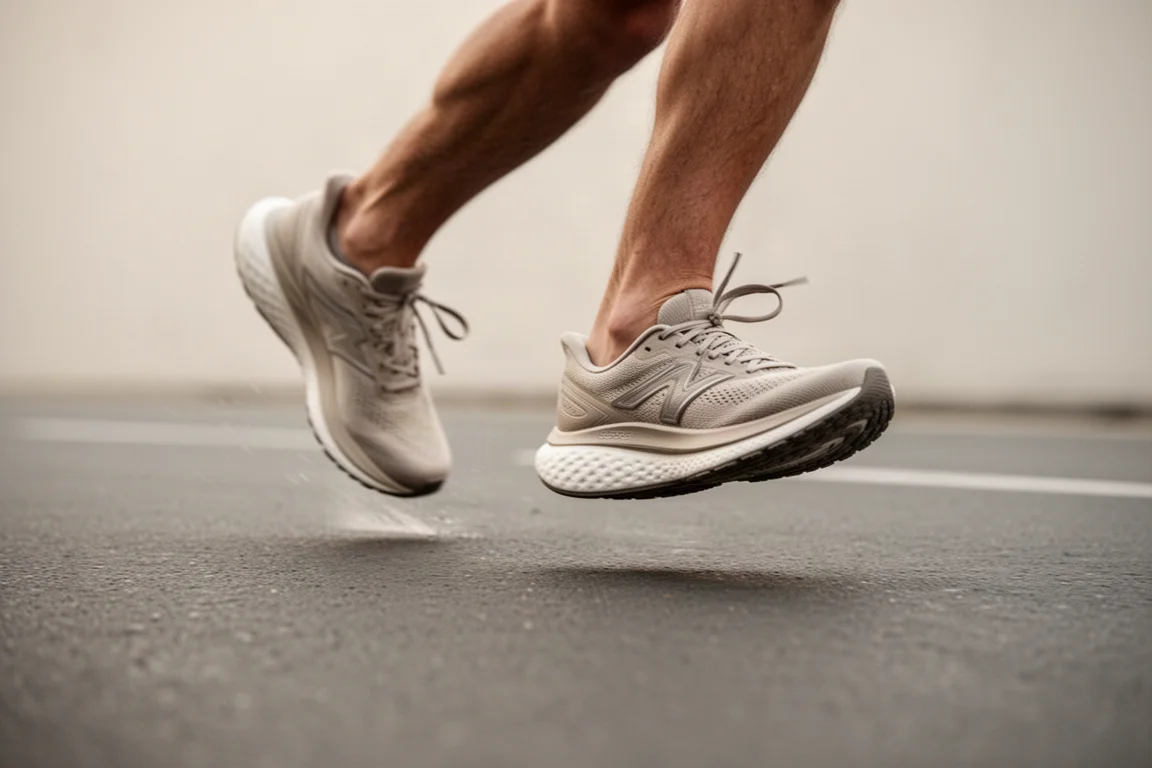
Measured in a men’s size 10, the three shoes split the weight gap clearly. The Pegasus Plus comes in at 8.8 oz (about 250 g), the Pegasus 41 at 10.5 oz (298 g), and the Pegasus Premium is the heaviest at 11.6 oz (330 g).
Stack heights also climb across the range. The Pegasus Plus sits lowest at 34 mm in the heel and 24 mm in the forefoot. The Pegasus 41 is 37/27 mm, and the Pegasus Premium is the tallest by a wide margin at 45/35 mm. All three use a 10 mm drop on paper, though the Plus compresses so much in the heel that it feels considerably lower, while the 41 can feel closer to a higher drop because of its stiffer heel.
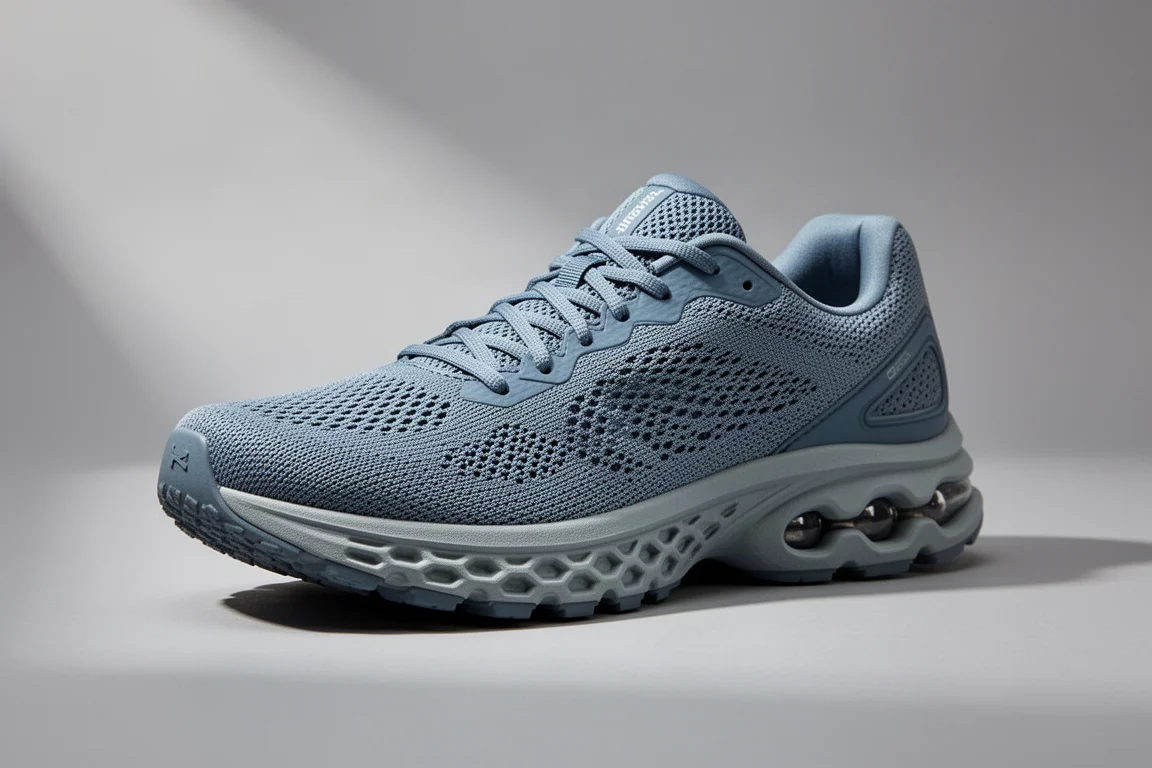
Nike Pegasus Plus: The Lightweight, Softest Option
The Pegasus Plus is the lightweight trainer of the trio, built around a full-length ZoomX midsole that makes it the softest shoe here. It works as a do-it-all lightweight trainer that can also pick up the pace on faster days. The trade-off is stability: like the others it is a neutral shoe, but the Plus is the softest and least stable of the three, so runners with any stability needs should be cautious.
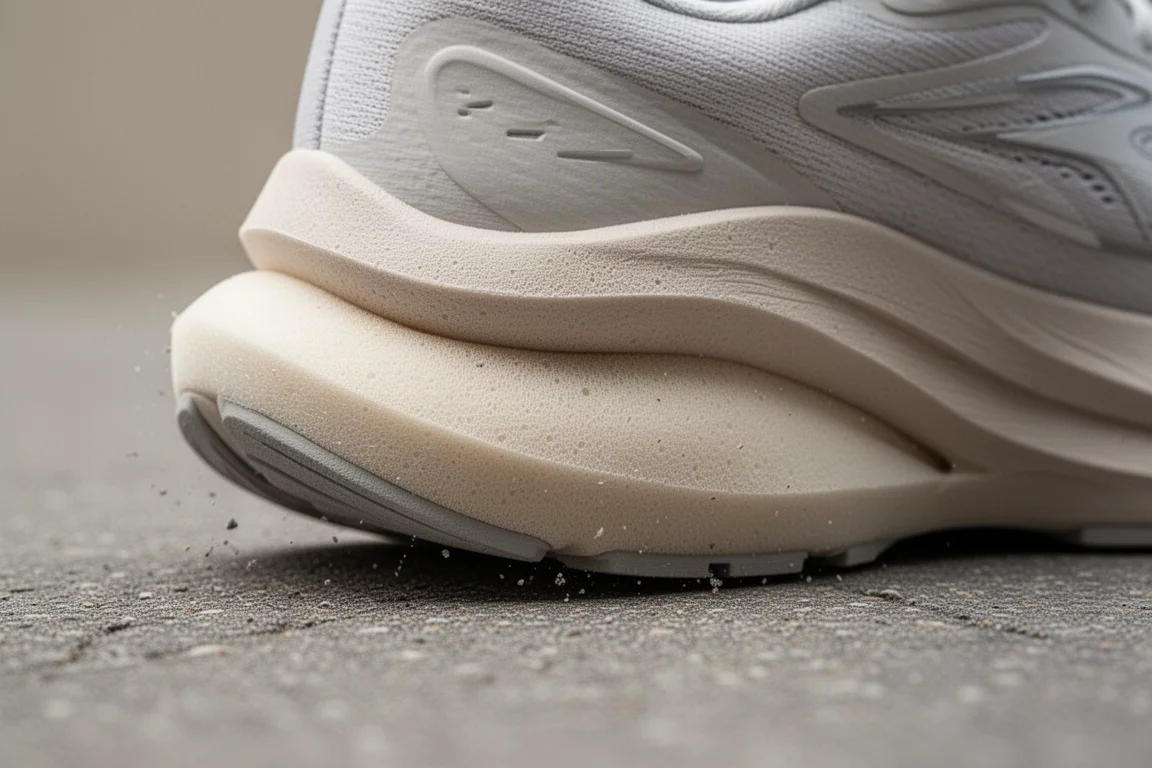
The upper has a touch more thickness and volume than the others, with some extra room up top, a somewhat snug fit overall, and a slightly tapered forefoot. A small band across the top of the shoe may cause chafing for some runners, though it was fine for our wear testing. Durability is mostly fine; the exposed ZoomX midsole shows wear, but the outsole material holds up well to everything thrown at it. It is a strong pick for neutral runners who want a softer ride, a lighter shoe, and the ability to run workouts in the same pair, especially those with normal to slightly narrow feet.
Nike Pegasus 41: The Standard Daily Trainer
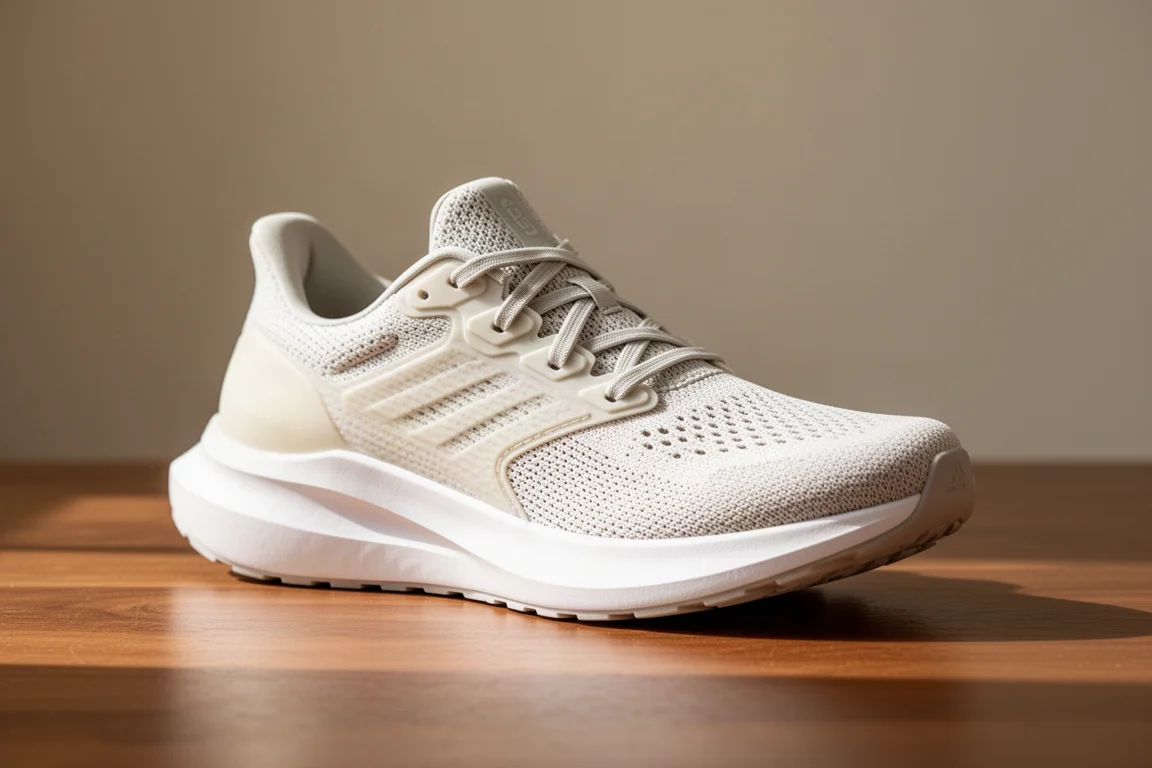
The Pegasus 41 is the standard shoe of the lineup and the one most people, especially newer runners or anyone new to the Pegasus family, should probably start with. Its ride sits right in the middle: not too soft, not too firm. The midsole uses Nike ReactX foam with cushioning units in the heel and forefoot, and the result is a balanced daily trainer that handles everyday miles very well, with a little room for uptempo work but not the same speed range as the Plus.
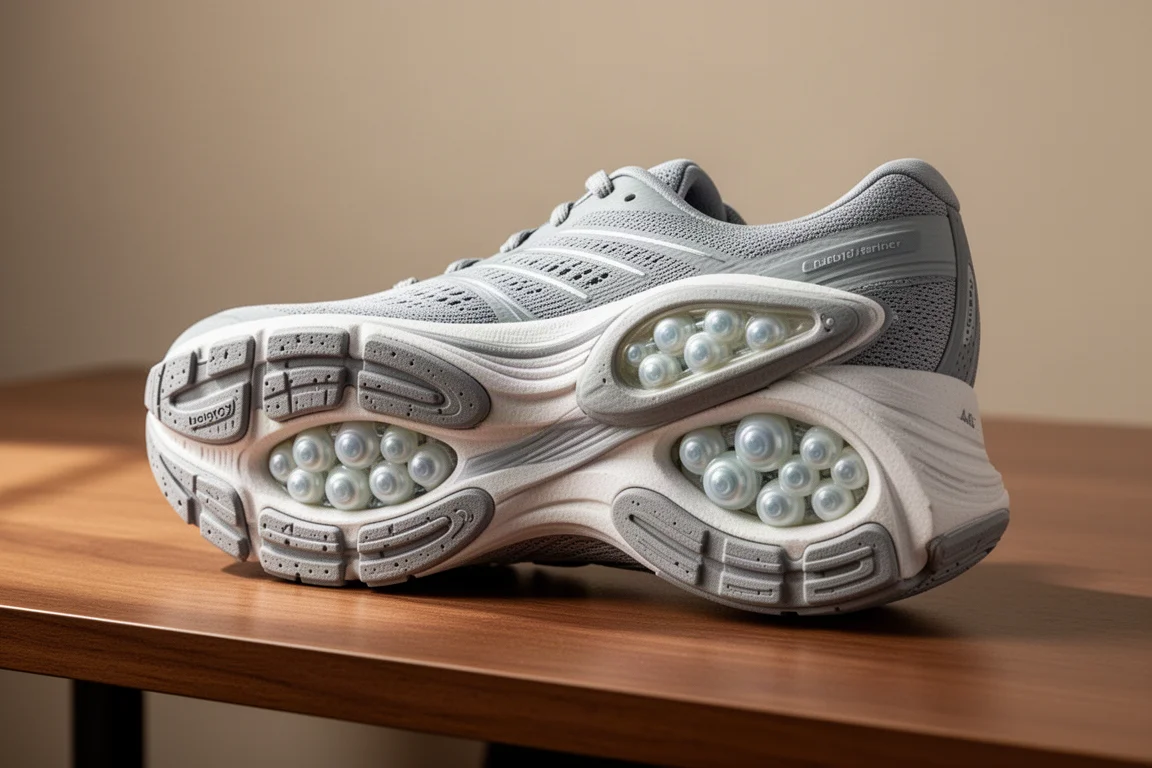
The fit is fairly standard with lower volume than the Plus, a little more width that still feels narrow because the volume sits low, and it breaks in nicely over the first wears. The upper is thicker and secure, with slightly higher sidewalls than a typical Pegasus, so the heel feels somewhat stable while the midfoot forward stays neutral. The stiff heel and heel bevel can make it feel slightly clunky, and the ride can feel higher than its stated drop, which suits runners who like that sensation. Durability is excellent, making this the safe starting point for most buyers.
Nike Pegasus Premium: Max Stack, Firm and Bouncy
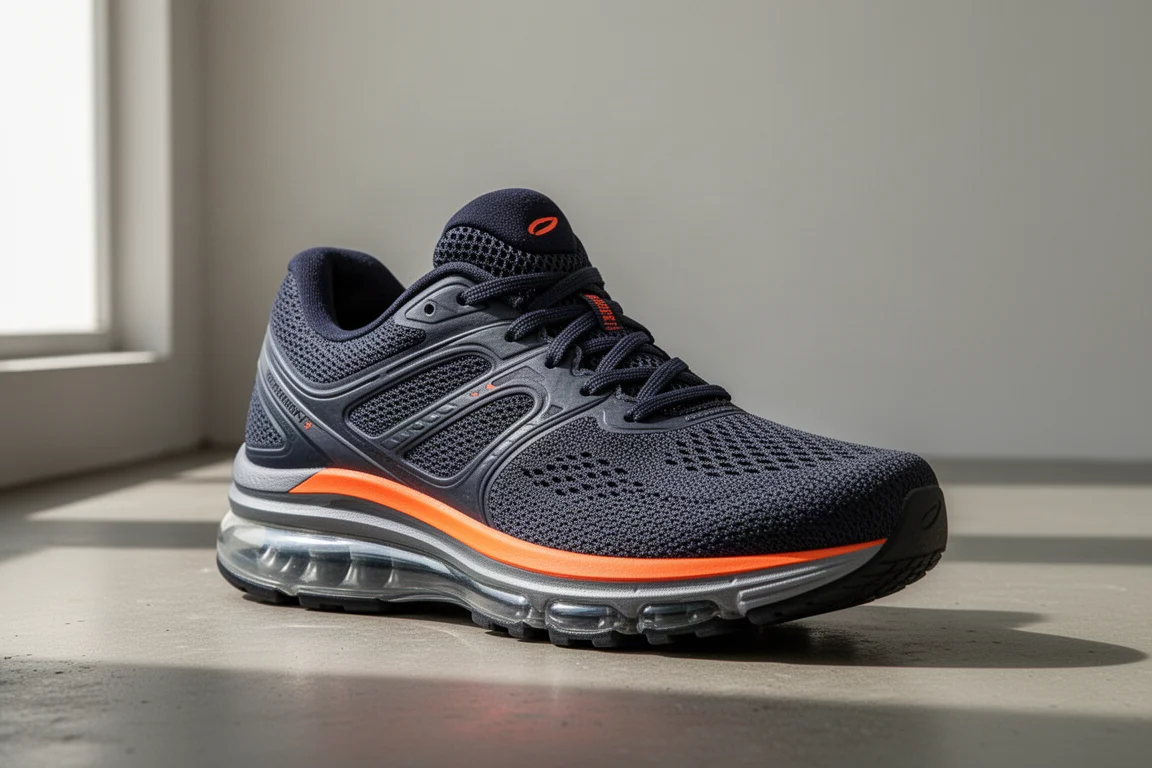
The Pegasus Premium is the strangest of the three and the hardest to place. It uses a top layer of ZoomX, a full Zoom unit in the midsole, and a bottom layer of ReactX, producing a ride that is bouncy but firm and remarkably stiff in all directions. It is not a plated super shoe, but its stiffness and height make it aggressive. The weight also shows: once you get into a rhythm on long runs it fades into the background, but the moment you try to pick up the pace it becomes very noticeable.

The fit is unique among the three. The width is slightly wider in the midfoot, which makes it the best option here for runners who need more room through the middle, but the forefoot has a very low volume and a prominent toe guard that locks things in tightly. Runners sensitive to a tapered forefoot will find this the worst of the three unless they wear narrow socks. The heel counter is the stiffest of the trio, which adds rearfoot structure but can bother sensitive heels.
The ride characteristics need honest consideration. The midfoot is narrow for such a tall shoe, so anyone with stability needs risks rolling right off it, even though the firmer foam keeps it more stable than the Plus. There is no major heel bevel, so heel strikers get a clunky, pivoting landing that loads the shin and foot extensor muscles, and the small forefoot rocker plus extreme stiffness caused noticeable forefoot pain on hills during toe-off. On the positive side, durability is the best of the three, with only minor initial wear after 50 miles. This shoe suits experienced runners who do well with very stiff, firmer-bouncing rides, want a wider midfoot, and have zero stability needs. At its higher price point, most new runners should stay away, and many buyers will be better served by pairing the other two.
Which One Should You Buy?
For most runners, the smartest move is the Pegasus 41 as a standard daily trainer, optionally paired with the Pegasus Plus as the lighter, softer option for faster workouts. The Plus only makes sense if you have neutral mechanics and want that extra speed and softness. The Premium remains an interesting first version of a bold idea, but its weight, stiffness, clunky heel landing, and narrow midfoot mean it fits a narrow band of runners. If you want a good average running shoe, get the 41; if you want something lighter, softer, and bouncier without stability needs, get the Plus.
Conclusion
The Pegasus lineup now covers three genuinely different rides: the balanced daily trainer, the lightweight soft trainer, and the maximal stiff bouncer. Match the shoe to your mechanics and your running pace rather than the name on the box, and you will enjoy your runs far more while keeping injury risk down.
Further reading
Related Reviews

Running Shoes
Best Road-to-Trail Running Shoes: Three Versatile Options for Mixed Terrain
A practical guide to three road-to-trail running shoes that handle both pavement and mild trails, with clear strengths and trade-offs for different runner types.

Running Shoes
Best Running Shoes for Achilles Tendonitis: Three Options Explained
Three running shoes with different heel drops and support features designed to help reduce Achilles tendon pain during walking and running.

Running Shoes
Best Running Shoes for Women: Five Top Choices Ranked
A ranked guide to five women's running shoes, from versatile daily trainers to high-performance racing options, with real strengths and trade-offs for each.