Running Shoes
Nike Pegasus Premium Leads a New Three-Tier Pegasus Lineup: What to Know
Nike splits Pegasus into three levels of responsive cushioning, and the Pegasus Premium emerges as the standout super trainer. Here is how the whole lineup stacks up, plus the Brooks Glycerin Max comparison.
Introduction
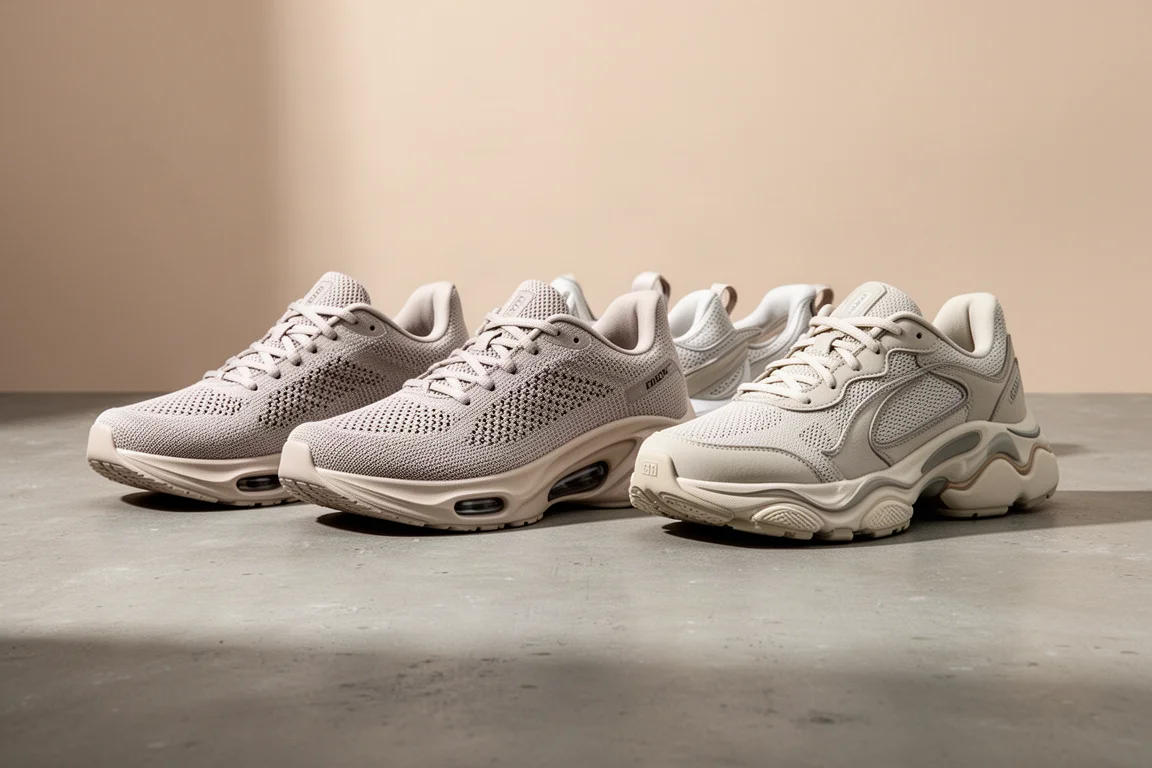
Nike has quietly rebuilt one of its most iconic running franchises. Instead of one shoe for everyone, the Pegasus line is now segmented into three tiers, and the new flagship, the Pegasus Premium, is turning heads with a stack of technology that pushes it well beyond a traditional daily trainer. After spending serious miles in the whole lineup, one thing is clear: the Premium is the shoe that justifies the reorganization.

How Nike Reorganized the Pegasus Line
The new structure is easy to follow once you know the intent. The Pegasus family is now the responsive cushioning line, positioned alongside the Vomero line, which handles max cushioning, and the Structure line, which covers stability. Each Pegasus tier targets a different level of cushioning and responsiveness, which explains why some familiar models have been repositioned or rethought entirely.
Nike Pegasus 41: The Baseline
The Pegasus 41 landed a middle-of-the-road verdict. The main critique was thinness underfoot: the React foam felt okay rather than impressive, and the ride lacked the plushness and bounce that today’s daily trainers increasingly deliver. It remains a reasonable neutral option, but within the new lineup it plays the entry-level role rather than the star.
Nike Pegasus Plus: The Awkward Middle Tier
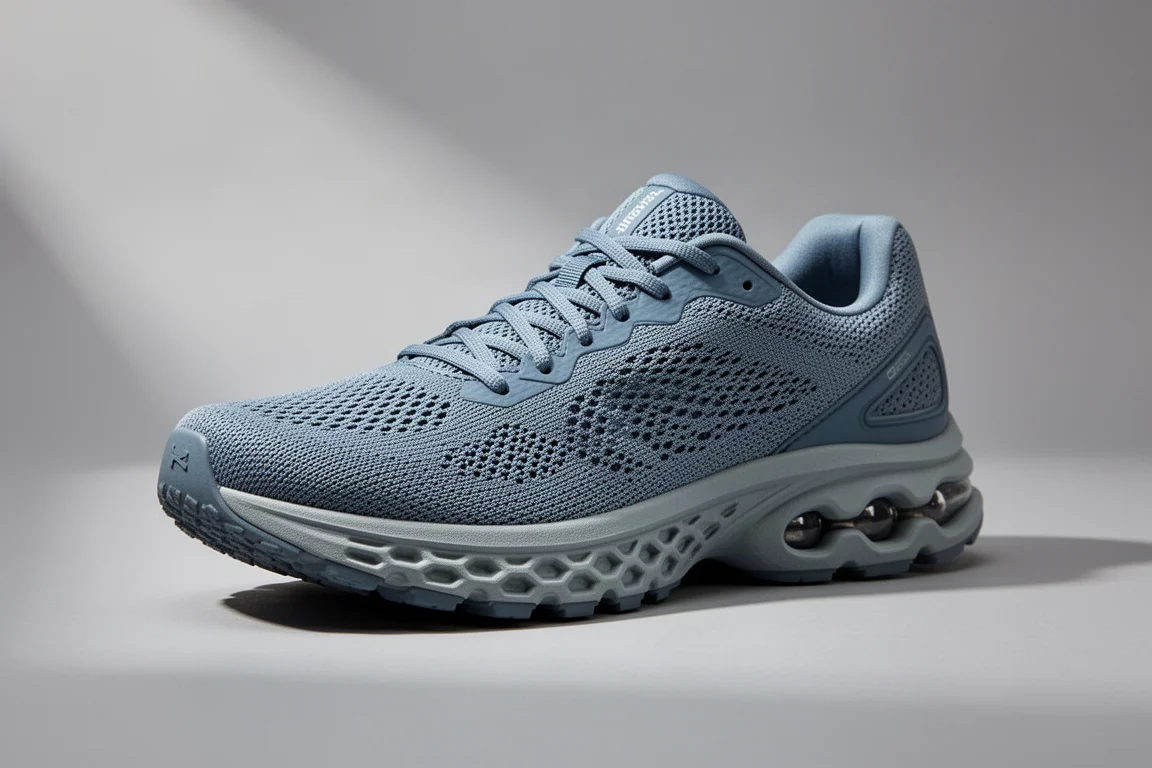
One tier up, the Pegasus Plus shared a familiar complaint: it still felt a little thin underfoot and the foam did not deliver much pop. Many runners wondered why it was not simply the return of the Pegasus Turbo. With the lineup now reorganized, that positioning makes more sense, but as a standalone purchase the Plus is the hardest of the three to recommend without reservations.
Nike Pegasus Premium: The Standout
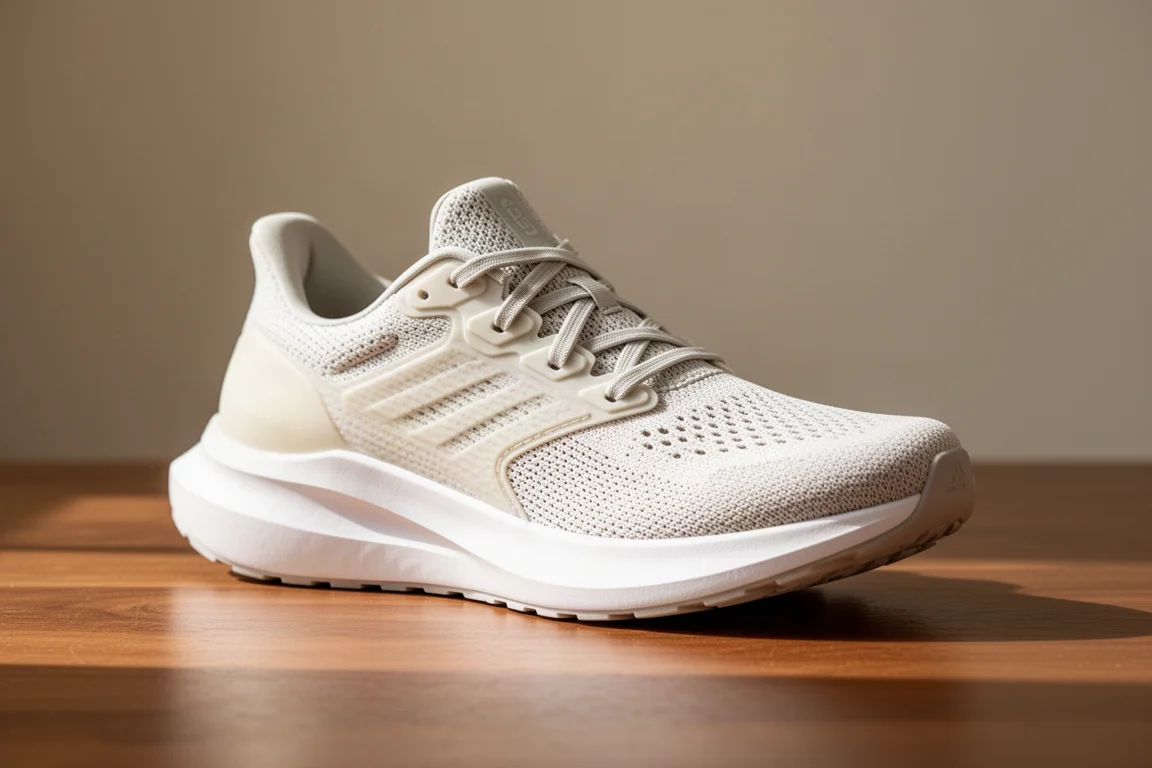
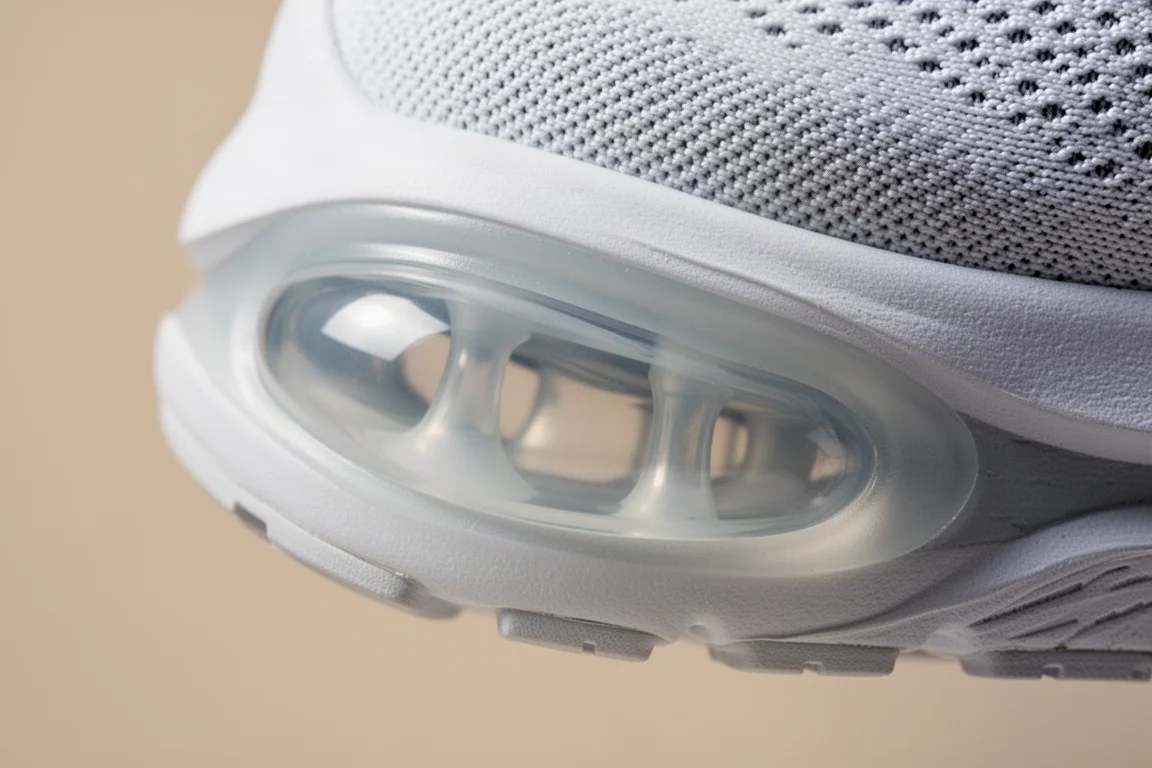
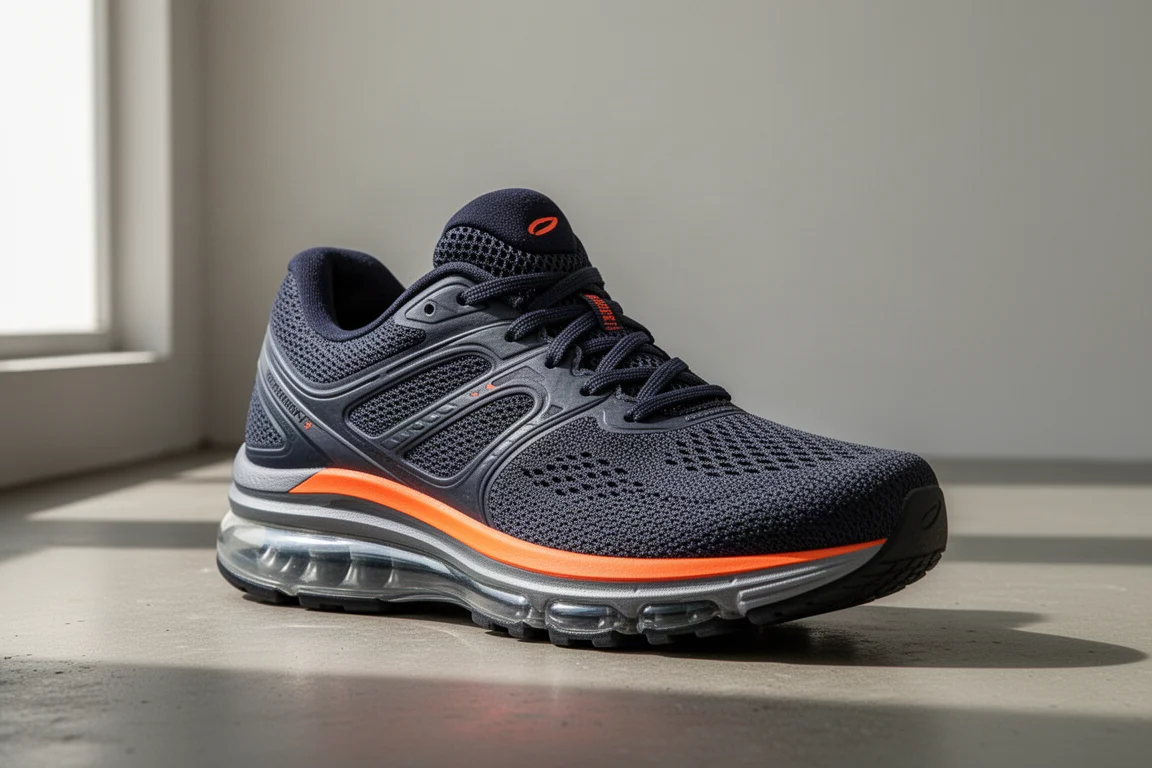
The Pegasus Premium is the shoe that made the lineup rethink worthwhile. Underfoot, it stacks three layers: a thick slab of ZoomX foam on top for that bouncy, airy landing, a full-length Air Zoom unit in the middle, and a minimal layer of ReactX foam on the bottom to hold things together and add durability.
The Air Zoom unit is the centerpiece. The new construction uses internal tensil elements to keep the air chamber stable and distribute the cushioning evenly, and the unit is sculpted around the shape of the foot rather than bulging outward like a lifestyle sneaker bubble. It genuinely feels like a performance feature. The ReactX base layer even adds a subtle plate-like structure that gives a propulsive pop at toe-off.
Up top, the circular knit woven upper mixes mesh panels, knit sections, and overlays, with a puffy, cloudlike perforated tongue and generous padding around the heel collar. It looks narrow from above, but the fit is dialed in, especially for narrower feet. Down below, nearly full-coverage rubber in Nike’s waffle pattern held traction fine even in wet conditions.
The ride is where it wins. A 12-mile opener felt bouncy and effortless, with legs staying fresh well after the run. Here is the catch: this is a heavy shoe. A men’s size 10.5 weighs 12.2 oz (345 g) and a women’s 7.5 comes in at 9.3 oz (265 g), among the heaviest tested this year. Even so, hill repeats and fast turnover work did not feel weighed down. The stack is 45 mm in the heel and 35 mm in the forefoot, and the narrow build means it is not the most stable platform out there, something heel strikers and runners who need a stable ride should note.
Brooks Glycerin Max: The Stable Alternative
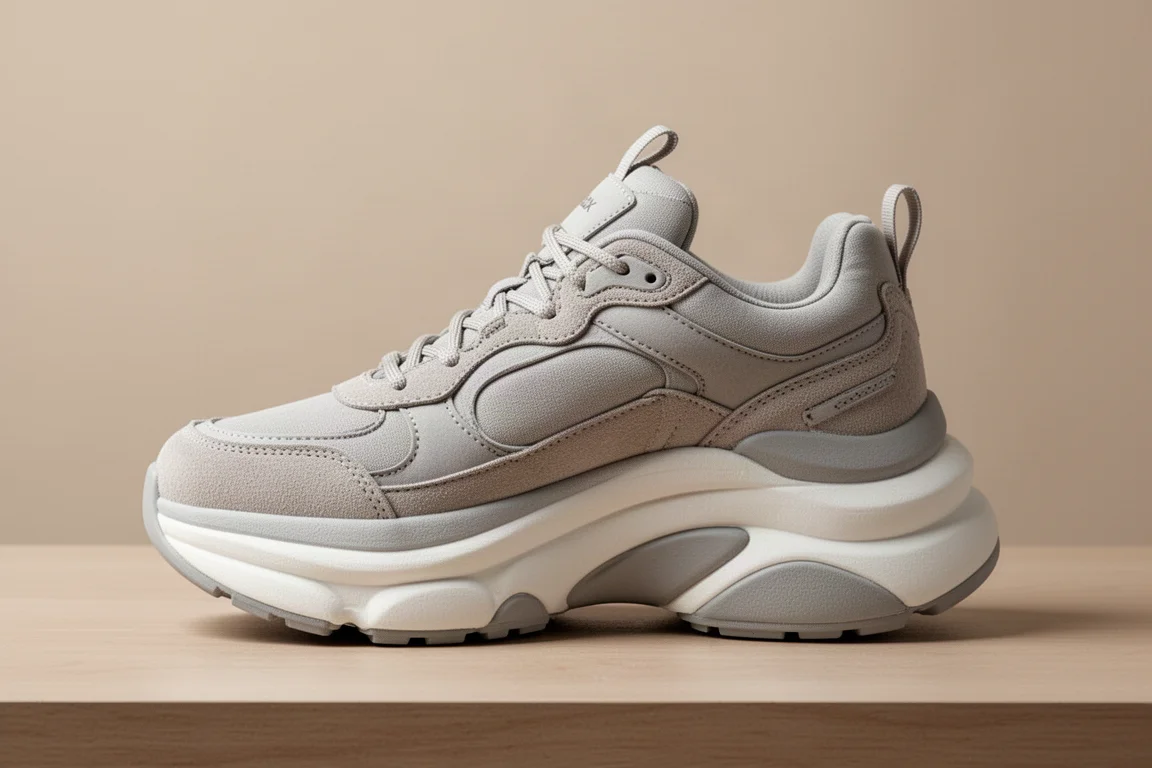
The closest comparison to the Pegasus Premium is the Brooks Glycerin Max. Both are heavy, bouncy, max-cushion super trainers where the foam’s rebound keeps you moving through the stride and makes the weight easy to forget. The key difference is the platform: the Glycerin Max has a wide, stable base that lets you run forever at any pace, while the Pegasus Premium trades some of that stability for a sleeker, narrower build and the energy of the air unit.

Runners who want a wide, confidence-inspiring platform should lean toward the Glycerin Max. Runners who want the most fun, bouncy ride and can live with a narrower footprint will prefer the Premium.
Pegasus Premium or Glycerin Max: Which One Fits You
If motivation to get out the door is the problem, the Pegasus Premium solves it. It is simply fun to run in, more versatile than its weight suggests, and it doubles as a mental reset before racing in something lighter. Priced at $210, down from an originally planned $225, it sits right alongside the max-cushion super trainer competition, a category it fully belongs in despite the Pegasus name.
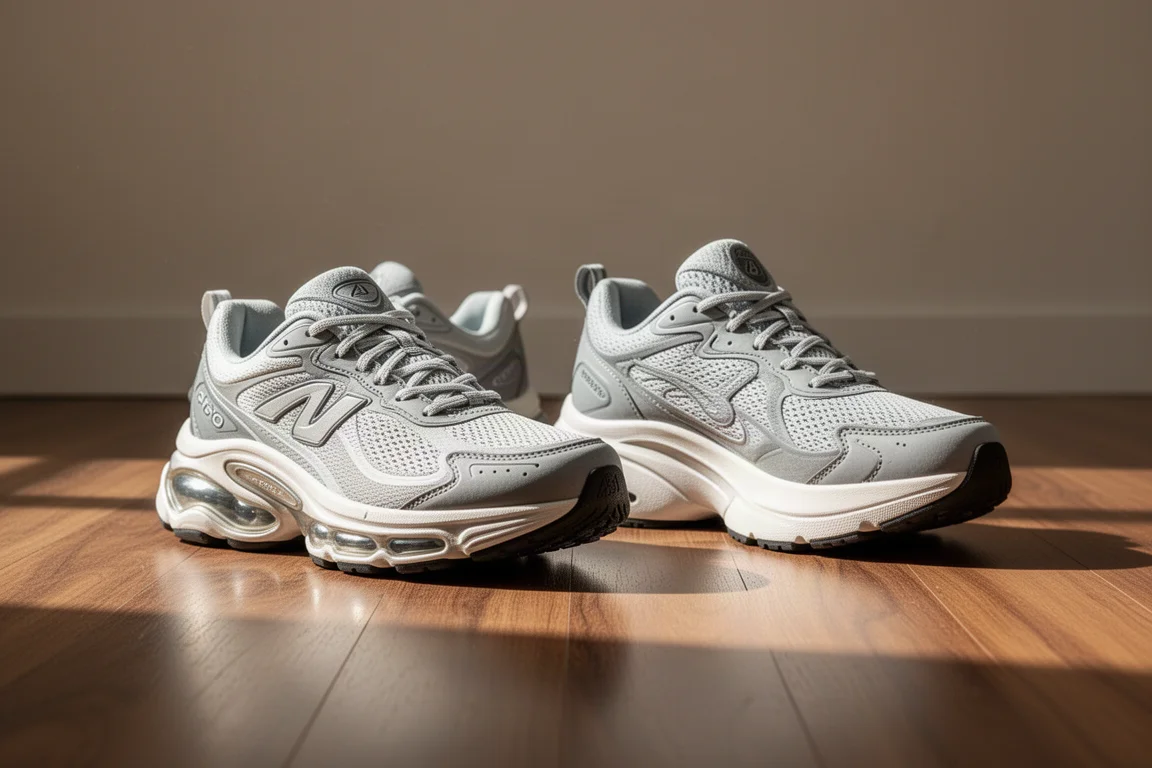
Early pairs carry limited edition numbering, but wider availability is planned for spring 2025, so there is no need to chase a scarce colorway. Stability-focused runners and those put off by a narrow-looking silhouette still have the Glycerin Max waiting as the more planted alternative.
Conclusion
The new Pegasus lineup gives runners a clear ladder: the 41 as the sensible baseline, the Plus as the risky middle step, and the Premium as a genuinely exciting super trainer. If you are choosing just one, the Pegasus Premium is the pick that makes the whole reorganization make sense, provided you accept the weight and the narrow ride.
Further reading
Related Reviews

Running Shoes
Best Road-to-Trail Running Shoes: Three Versatile Options for Mixed Terrain
A practical guide to three road-to-trail running shoes that handle both pavement and mild trails, with clear strengths and trade-offs for different runner types.

Running Shoes
Best Running Shoes for Achilles Tendonitis: Three Options Explained
Three running shoes with different heel drops and support features designed to help reduce Achilles tendon pain during walking and running.

Running Shoes
Best Running Shoes for Women: Five Top Choices Ranked
A ranked guide to five women's running shoes, from versatile daily trainers to high-performance racing options, with real strengths and trade-offs for each.