Running Shoes
Nike Pegasus Lineup Compared: Premium, Plus and Pegasus 41
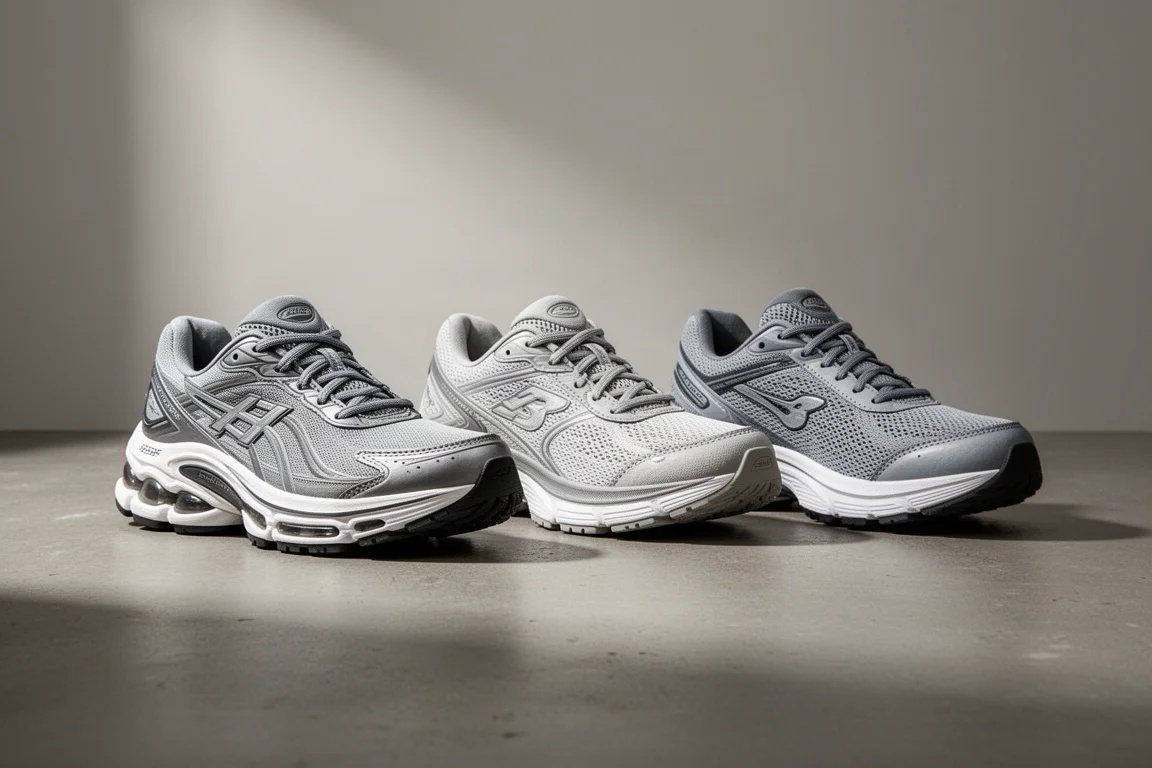
Three Nike Pegasus trainers, three different rides. We compare the Premium, Plus and Pegasus 41 to help you pick the right one for your running.
Introduction
Nike’s Pegasus line has quietly grown into a three-shoe family. As part of a broader restructuring of Nike’s training range, the Pegasus line now covers responsive daily trainers, with the Vomero line handling cushioning and the Structure line handling stability. Within the Pegasus family, the Premium sits at the top, the Plus sits below it, and the Pegasus 41 is the standard entry-level model.
After putting meaningful mileage into all three shoes, the picture is clear: the Pegasus 41 and Pegasus Plus are reliable workhorse daily trainers, while the Premium is something quite different. Here is how they stack up.
The Lineup at a Glance
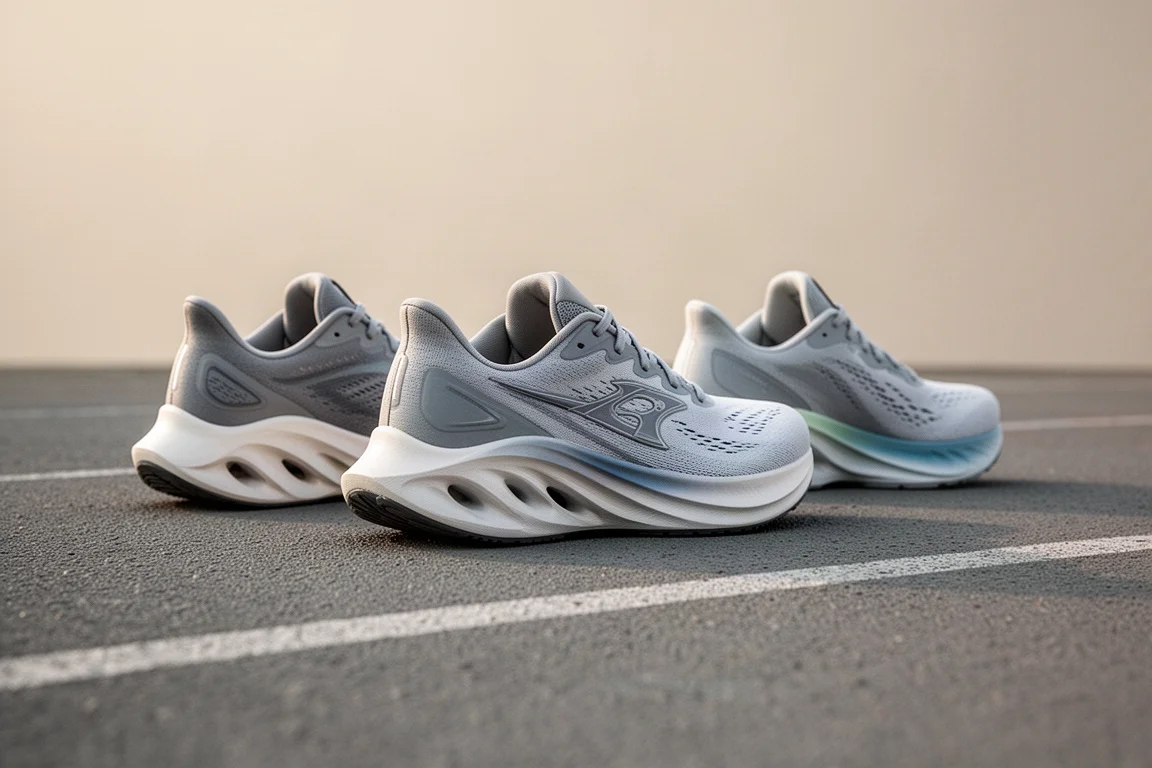
All three shoes share a classic Nike silhouette: a 10 mm drop, a fairly narrow design and a waffle-pattern outsole with good coverage. The real differences live in the midsole and the stack height.
Pricing runs in steps: the Pegasus 41 is the cheapest at £130 or $140, the Pegasus Plus is £165 or $180, and the Pegasus Premium tops the range at £185 or $210. Weights differ noticeably too. In UK size 9 (US 10), the Pegasus Plus is the lightest at 257 g (9 oz), the Pegasus 41 weighs 291 g (10.3 oz), and the Premium is a beefy 328 g (11.6 oz). The Premium is also the highest-stack shoe at 45 mm heel and 35 mm forefoot; the other two sit lower, with the Plus likely the lowest and both it and the Pegasus 41 just under 40 mm at the heel.
Fit and Sizing
All three shoes were tested in UK size 9 (US 10), the same size used across Nike’s range for years, and all three fit well. There is a good hold around the heel and midfoot, enough room in the toe box, a padded heel collar and a comfortable tongue. There is little meaningful difference in fit across the three, so sticking to your normal running shoe size is a safe move, and the same size carries across all three models.
Nike Pegasus 41
The Pegasus 41 is the classic Pegasus: a really good mid-range daily trainer that will suit lots of runners. It uses a ReactX midsole with Air Zoom pods, an engineered mesh upper with plenty of padding, and a waffle tread outsole.
The ride is comfortable but not very responsive, especially under the forefoot, so it is not the most exciting shoe underfoot. It is, however, the most stable and widest of the three, and it is not too heavy for such a cushioned shoe. It offers a good blend of comfort and versatility for daily training, some uptempo work is possible, and it should prove durable. It lines up well with mid-range trainers from other brands such as the Saucony Ride 17 or ASICS Novablast 5. It will not offend many runners, but it will not thrill them either.
Nike Pegasus Plus
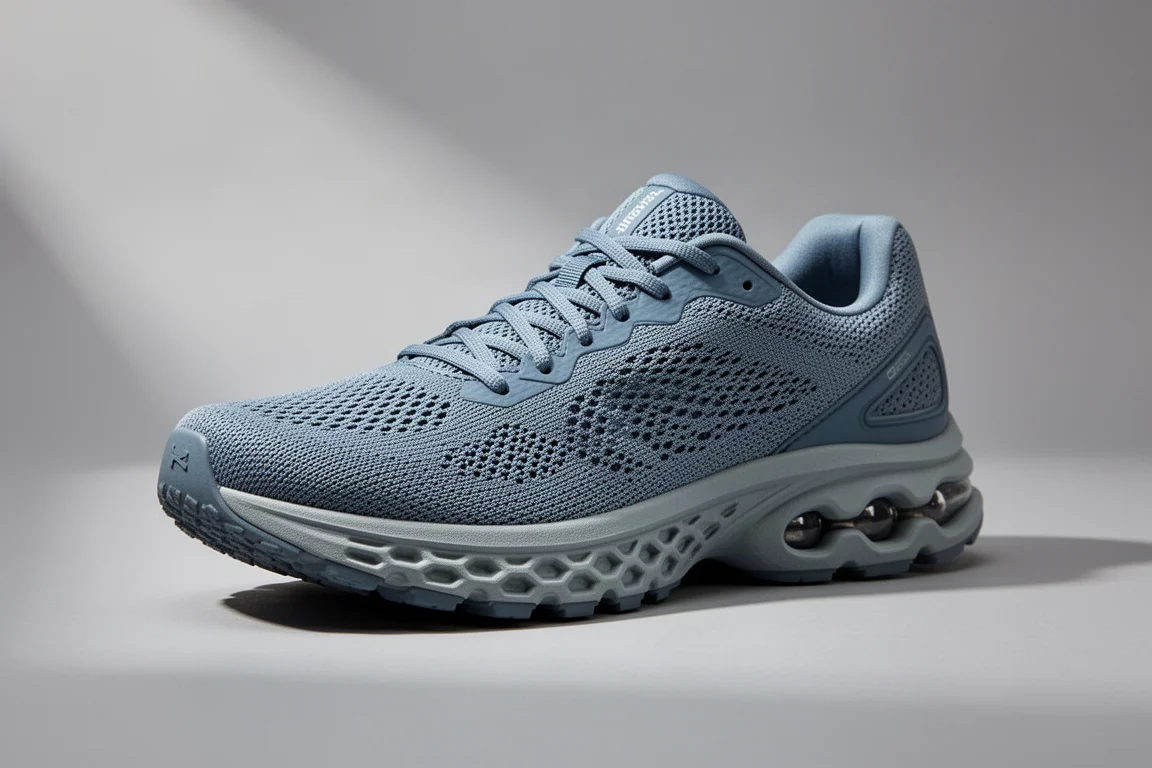
The Pegasus Plus looks similar but swaps the midsole for full ZoomX foam, Nike’s bouncier material, paired with a Flyknit upper and a rubber outsole. The foam is more responsive and lighter than what is in the Pegasus 41, making the whole shoe lighter and more versatile.
This is the best of the three for faster running. It has the pep for tempo runs and interval sessions, and while it is not a super trainer like the plated Nike Zoom Fly, you can comfortably pick up the pace in it. It is still cushioned enough for easy runs and long runs, though the thinness under the forefoot that comes with the 10 mm drop can cause some discomfort over long distances. It compares best to lightweight plate-free shoes like the Hoka Mach 6 or New Balance Rebel v4. It is a little narrower and less stable than the Pegasus 41 and slightly less cushy at the heel, but it remains comfortable and is the most versatile shoe of the three.
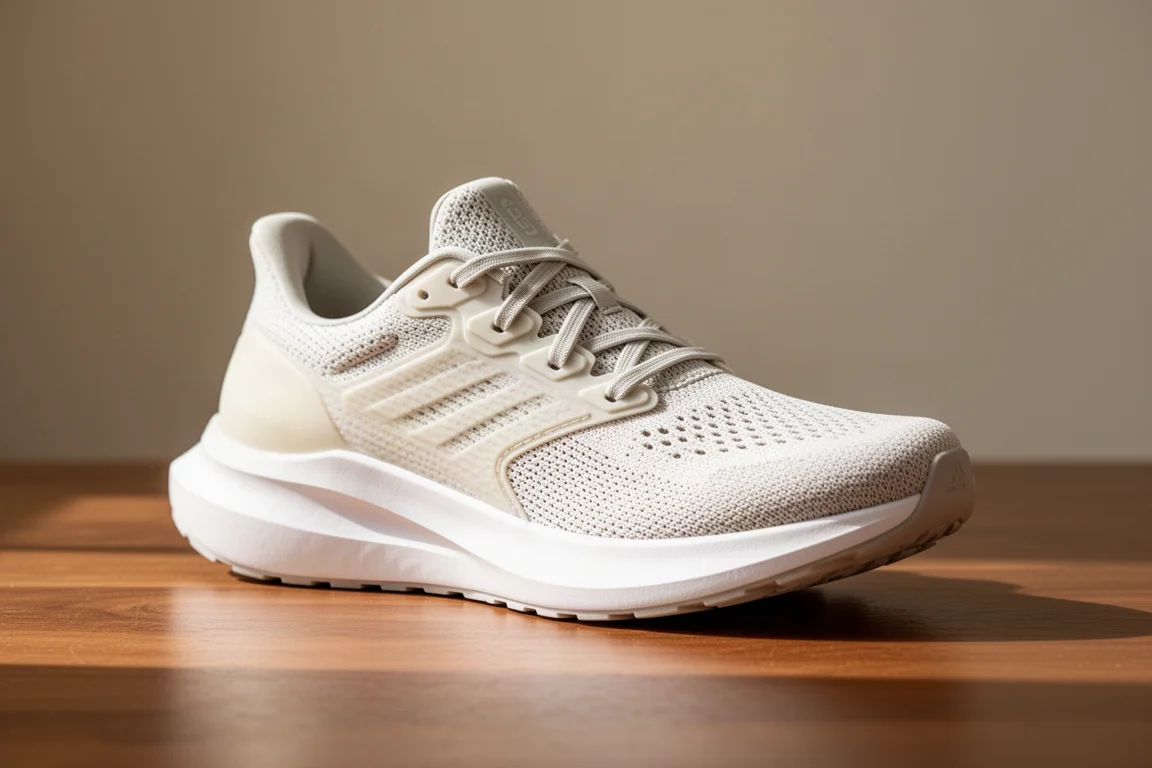
Nike Pegasus Premium
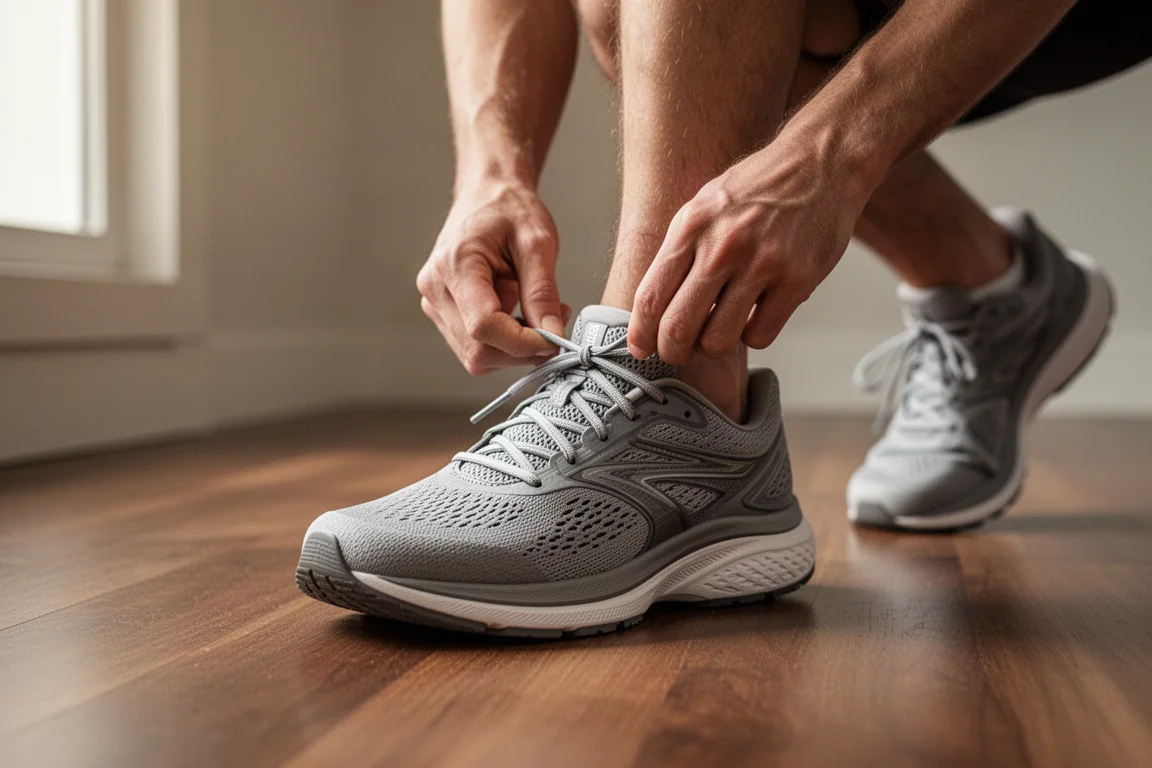
The Pegasus Premium is a different animal. Its midsole blends three materials: a top layer of ZoomX foam, a layer of ReactX foam running from heel to midfoot underneath, and a full Air Zoom unit sandwiched between them, a first for Nike shoes. It is an eye-catching design, and it delivers the bounciest, most responsive ride of the three, especially under the forefoot thanks to the much higher stack.
The trade-offs are significant. At 328 g it is the heaviest shoe here, and that weight holds it back when you try to run fast; upping the pace simply feels easier in the lighter Pegasus Plus. It is also the least stable of the three, partly due to the high stack and partly because of the narrowest pinch point around the midfoot, which makes the shoe ever so slightly wobbly underfoot. Even as a neutral runner, there was a little extra pronation compared with the others. If you need stability, avoid the Premium.

It is still the most interesting ride of the three, feels more rocker-like with smoother transitions, and offers extra protection on long runs. It lines up more with max-cushion cruisers such as the Brooks Glycerin Max, Hoka Skyward X or Puma MagMax than with a true do-everything trainer. If you love the look and want a shoe for lifestyle use with the occasional run, it will do that job well.
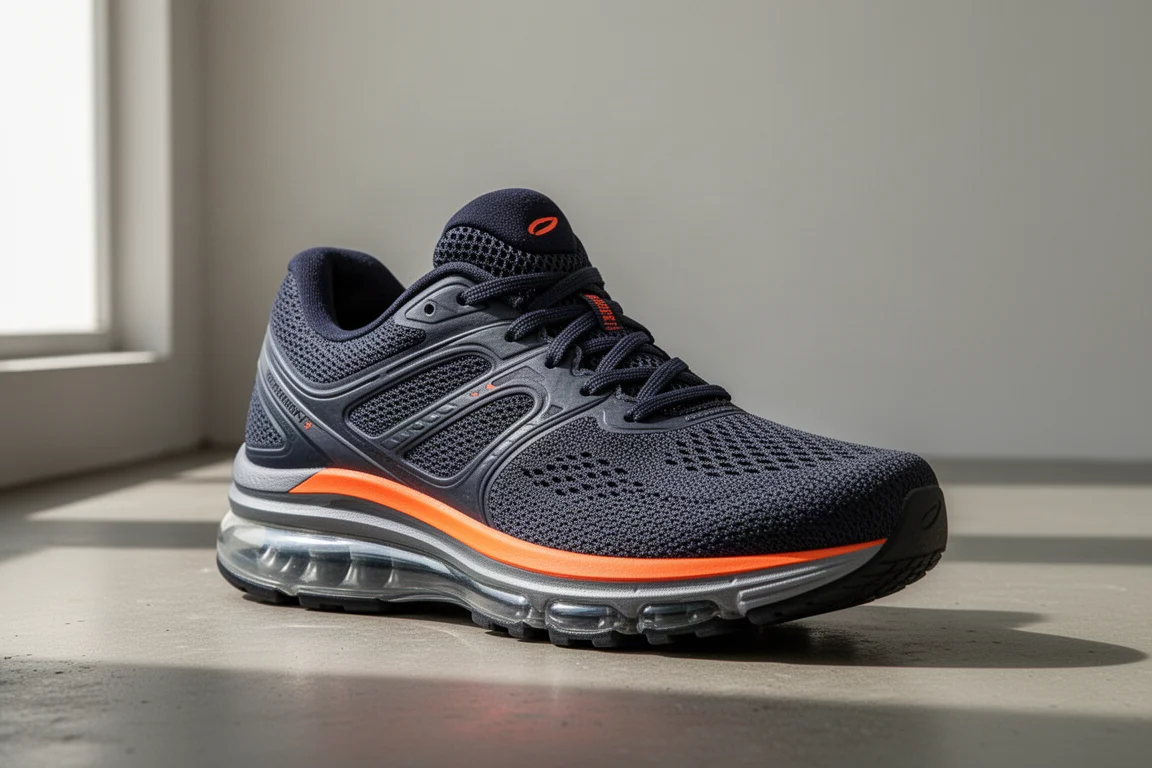
Which One Should You Buy?
The natural step in this range is from Pegasus 41 to Pegasus Plus: a similar style of shoe with better materials. The Premium is something quite different on top and will have less broad appeal.
- Best all-rounder: Nike Pegasus Plus. It is the pick for most rotations: comfortable, lightweight, fast and nippy, with more response from the ZoomX midsole. You trade a little stability, width and heel comfort, but you get a more accomplished all-round shoe.
- Best for newer runners and easy runs: Nike Pegasus 41. It is cheaper, durable, comfortable and frequently pops up in sales, and it looks good enough for everyday walking around too. It is not particularly fast, but it is a very solid all-round shoe.
- Best for a fun, bouncy ride: Nike Pegasus Premium. It is the bounciest and liveliest of the three for easy runs, and the most fun. Just be wary of the weight, the stability and the price. From a pure running perspective, the other two are more natural fits for most runners.
Conclusion
Nike has built a sensible three-tier Pegasus lineup. The Pegasus 41 is a dependable, comfortable entry point, the Pegasus Plus is the best all-round shoe in the range and the one worth adding to a rotation, and the Pegasus Premium delivers a bouncy, modern ride for those willing to accept its weight and stability trade-offs. For most runners, the choice comes down to the 41 or the Plus, and the Plus is the standout.
Further reading
Related Reviews

Running Shoes
Best Road-to-Trail Running Shoes: Three Versatile Options for Mixed Terrain
A practical guide to three road-to-trail running shoes that handle both pavement and mild trails, with clear strengths and trade-offs for different runner types.

Running Shoes
Best Running Shoes for Achilles Tendonitis: Three Options Explained
Three running shoes with different heel drops and support features designed to help reduce Achilles tendon pain during walking and running.

Running Shoes
Best Running Shoes for Women: Five Top Choices Ranked
A ranked guide to five women's running shoes, from versatile daily trainers to high-performance racing options, with real strengths and trade-offs for each.