Running Shoes
Nike Pegasus 42 Review: A Familiar Daily Trainer With a Smoother Ride
Nike's latest Pegasus keeps the reliable formula and adds a full-length Air Zoom unit, but rivals at this price may offer more excitement.
Introduction
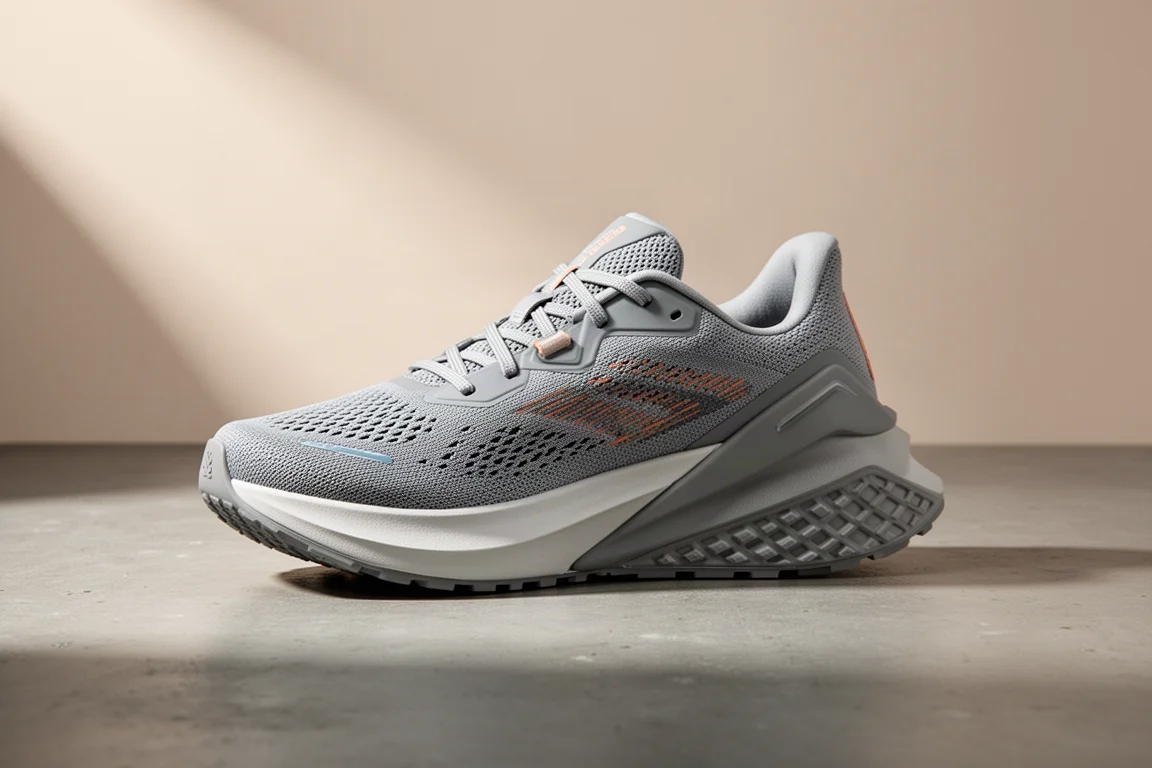
The Pegasus 42 is the latest version of Nike’s most successful and popular running shoe line. It sits at the bottom of the Pegasus family, below the Pegasus Plus and Pegasus Premium, and undercuts the more cushioned Vomero line on price. It costs £130 or $145, which puts it in the heart of the competitive daily trainer market.
After 55 km of testing across easy runs, recovery runs, warm-ups, progression runs, and strides, the verdict is clear: this is still very much a Pegasus. The updates make it slightly better than before, but buyers who shop around will find alternatives that offer a more vibrant running experience.
Who This Product Is For
The Pegasus 42 suits beginners through intermediate runners who want a durable daily trainer with a traditional 10 mm drop and a more grounded, traditional ride. It is an easy-day cruiser rather than a speed shoe.
If you love the familiarity of the Pegasus line, you will likely enjoy this version. If you are new to the line and looking for something that does more than get the job done, it is worth comparing rivals before deciding.
Design and Midsole: A New Air Zoom Setup
The headline change is in the midsole. Previous Pegasus models used two separate Air Zoom pods, one at the heel and one at the forefoot. The Pegasus 42 replaces them with a single full-length Air Zoom unit that scoops at the front, almost like a flexible plate. Nike has also added 3 mm of extra foam at the front of the shoe without changing the drop, so in theory it should feel like a slightly lower-drop shoe than the numbers suggest.
The rest of the midsole remains React X, a durable, comfort-focused cushioning. The result is a smoother, more lively ride than the previous model, with the ride flowing more naturally from heel to toe.
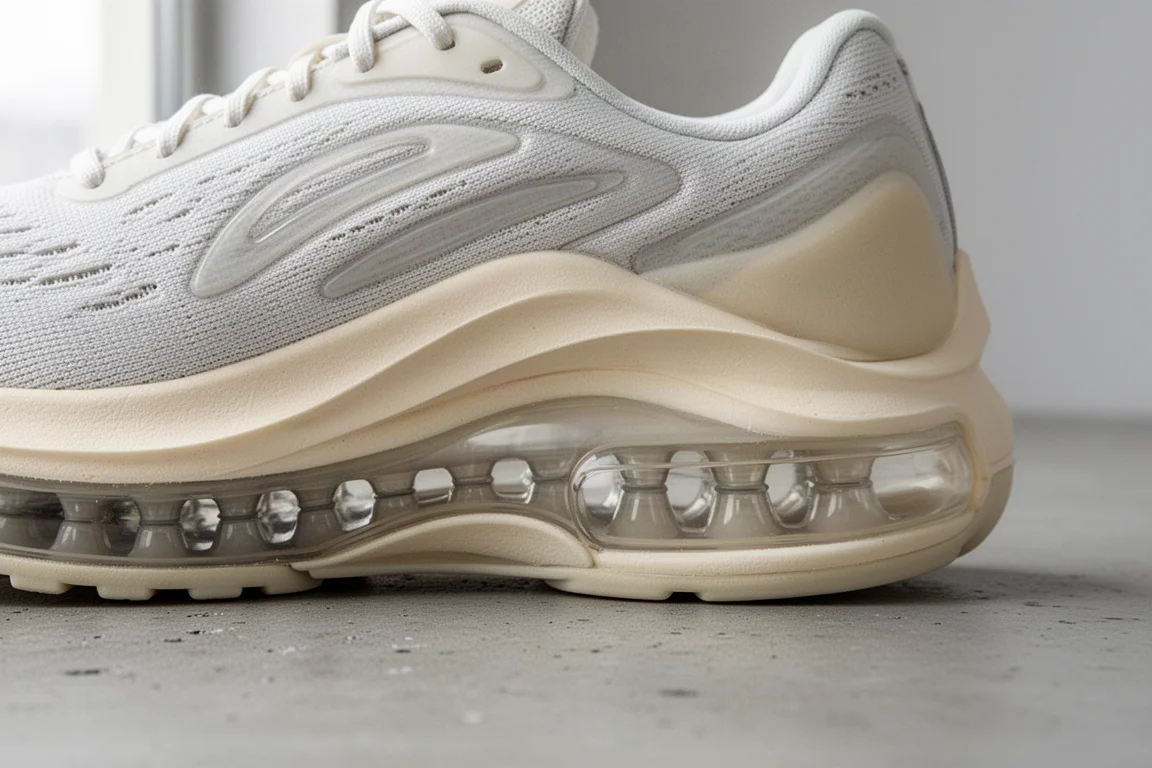
Out of the box, the smoother ride is noticeable immediately. The shoe still has a snappy turnover, but the transitions feel less disconnected than in older versions.
Fit and Upper: Comfort First
Sizing is straightforward: stick to your normal running shoe size. The tester used the same UK 9 / US 10 across many Pegasus generations and the fit remains consistent, with enough toe room and a secure hold at the heel and midfoot. A wide version is also available.
The upper is a lightweight mesh, though still fairly thick, with generous padding around the tongue and collar. It is built for comfort and durability over maximum breathability.
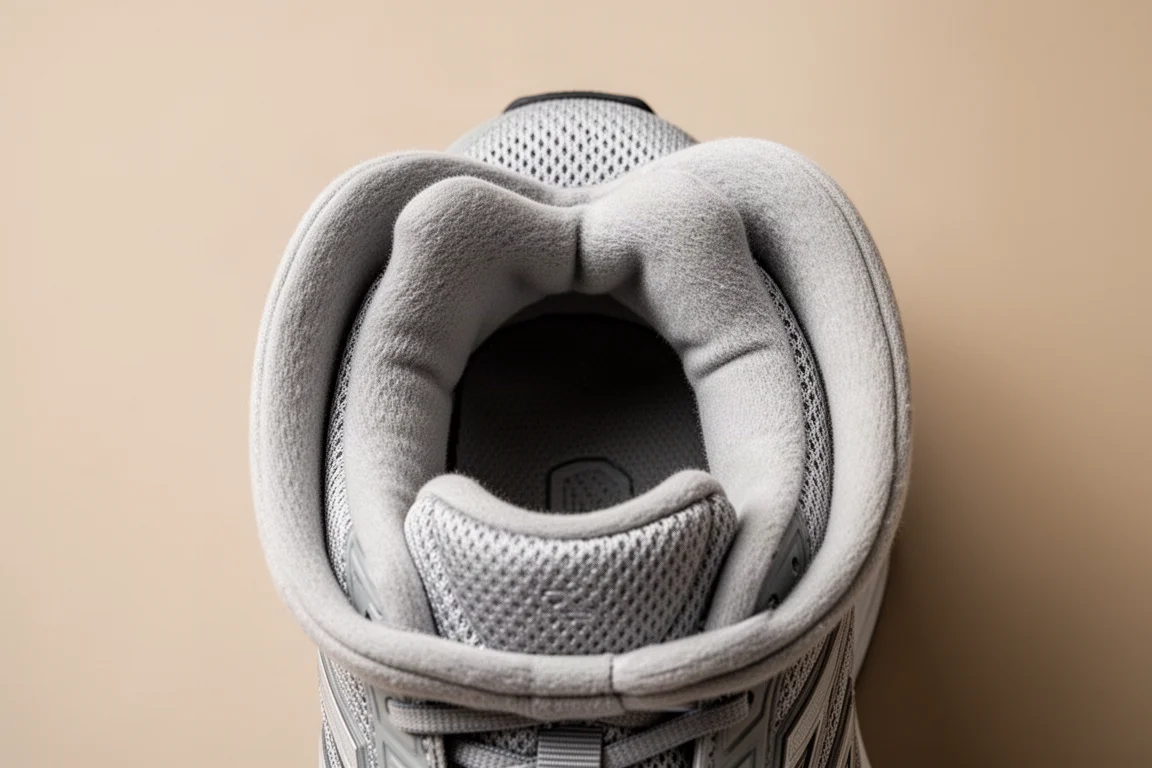
The main concern is ventilation. The thick tongue can feel a little oppressive and sweat-soaking in hot conditions, though it was fine in mild UK spring weather. An internal heel counter adds structure at the rear.
Ride Feel: Reliable, Balanced, and Slightly Firm
At easy paces, the Pegasus 42 is enjoyable enough. The ride is balanced-to-firmish rather than soft and bouncy, and it lacks the squishy ZoomX-based feel of something like the Nike Zoom Vaporfly. Heel landings are well protected, soaking up impact nicely, which matters for heel strikers.
At faster paces, the shoe feels cumbersome. At 305 g (10.8 oz) in a UK 9, it is about 15 g heavier than the previous model, and most shoes with a similar stack now weigh closer to 250 g. The foam is not particularly responsive, so this is not a shoe built for picking up the pace.

One recurring issue carried over from previous models: at steady or slightly faster paces, some forefoot discomfort can appear, likely due to the 10 mm drop and lack of aggressive rocker geometry.
Durability and Outsole Grip
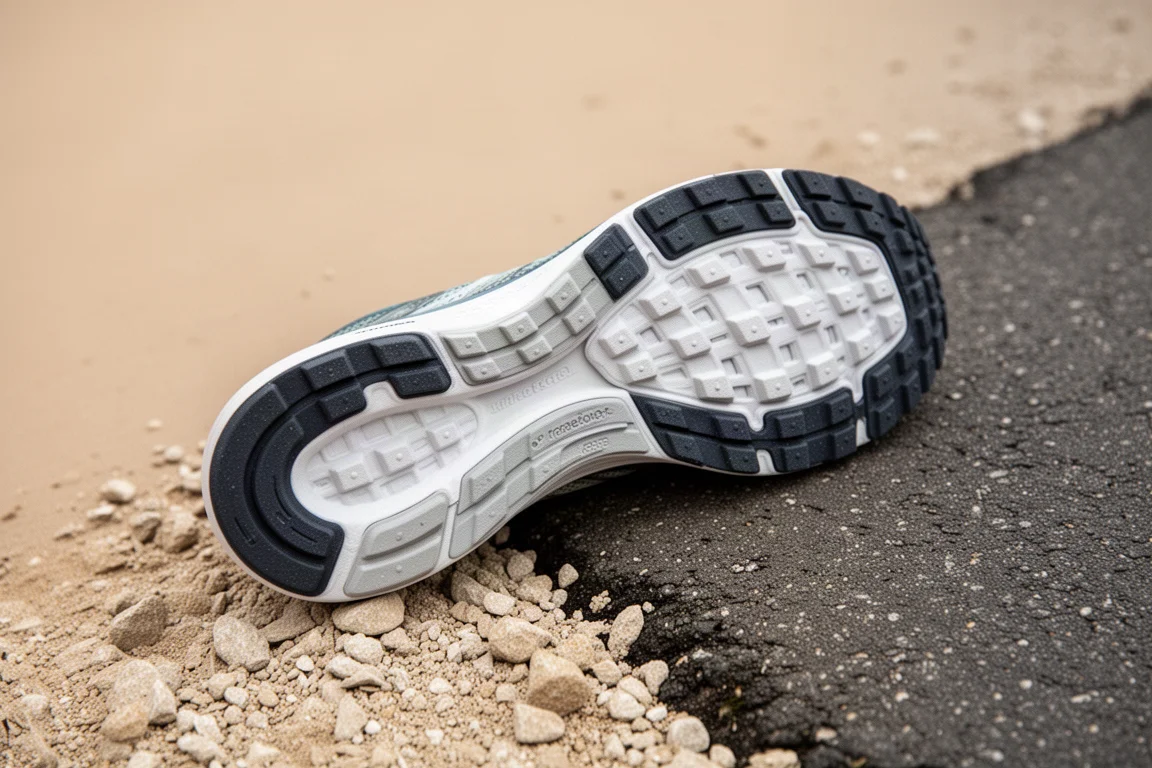
Durability is a genuine strength. The waffle tread outsole has good rubber coverage at the heel and forefoot, with exposed foam only around the midfoot where it should not contact the ground. Grip and longevity should both be solid, and the shoe handles light trails without trouble.
It also doubles well for general use: walking around, trips, and the gym, where it arguably performs better than many dedicated running shoes.
Things to Consider Before Buying
The Pegasus 42 is a very good value in sales, and it will get the job done. But the daily trainer market has moved on, and several rivals at the same price offer more in one way or another:
- Puma Velocity Nitro 4: a lower-drop alternative with livelier, lighter foam, and a narrower fit, often cheaper in the UK.
- Nike Vomero Plus: same weight class but with far more ZoomX foam and a vibrant, versatile ride, for those sticking with Nike.
- Hoka Mach 7: similar stack, lower drop, smoother rocker ride, and much lighter.
- New Balance Rebel V5: more comfortable under the forefoot and much lighter.
- Adidas Adios SL: less stable but lighter, more energetic, and great at faster paces.
- ASICS Novablast 5 and Hoka Clifton 10: big-cushion daily trainers with smoother, lighter rides at similar prices, often discounted.
If any of those characteristics appeal more than a familiar, firmer ride, it is worth looking beyond the Pegasus.
Buying Advice
Buy the Pegasus 42 if you already love the line, prefer a 10 mm drop with a close-to-the-ground feel, and want a durable, dependable workhorse at a decent price, especially on sale. Look elsewhere if you want maximum softness, lighter weight, or more energy return, because the competition at this price point is strong.
Conclusion
The Nike Pegasus 42 is a slight improvement over the Pegasus 41, with a smoother full-length Air Zoom ride and the same reliable durability and fit fans expect. It will not win many new converts, but loyal Pegasus runners can step into it with confidence. Everyone else should compare the alternatives first.
Product link
View more details for Nike Pegasus 42
This product is mentioned in the review. Check the specifications, options, and compatibility before buying.
View more details for Nike Pegasus 42Further reading
Related Reviews

Running Shoes
Best Road-to-Trail Running Shoes: Three Versatile Options for Mixed Terrain
A practical guide to three road-to-trail running shoes that handle both pavement and mild trails, with clear strengths and trade-offs for different runner types.

Running Shoes
Best Running Shoes for Achilles Tendonitis: Three Options Explained
Three running shoes with different heel drops and support features designed to help reduce Achilles tendon pain during walking and running.

Running Shoes
Best Running Shoes for Women: Five Top Choices Ranked
A ranked guide to five women's running shoes, from versatile daily trainers to high-performance racing options, with real strengths and trade-offs for each.