Running Shoes
Nike Pegasus 42 First Run Review: A Classic Daily Trainer, Gently Updated
The Pegasus line enters its fourth decade with a full-length Air Zoom unit and a smoother ride, but is it enough to stand out in a stacked daily trainer market?
Introduction
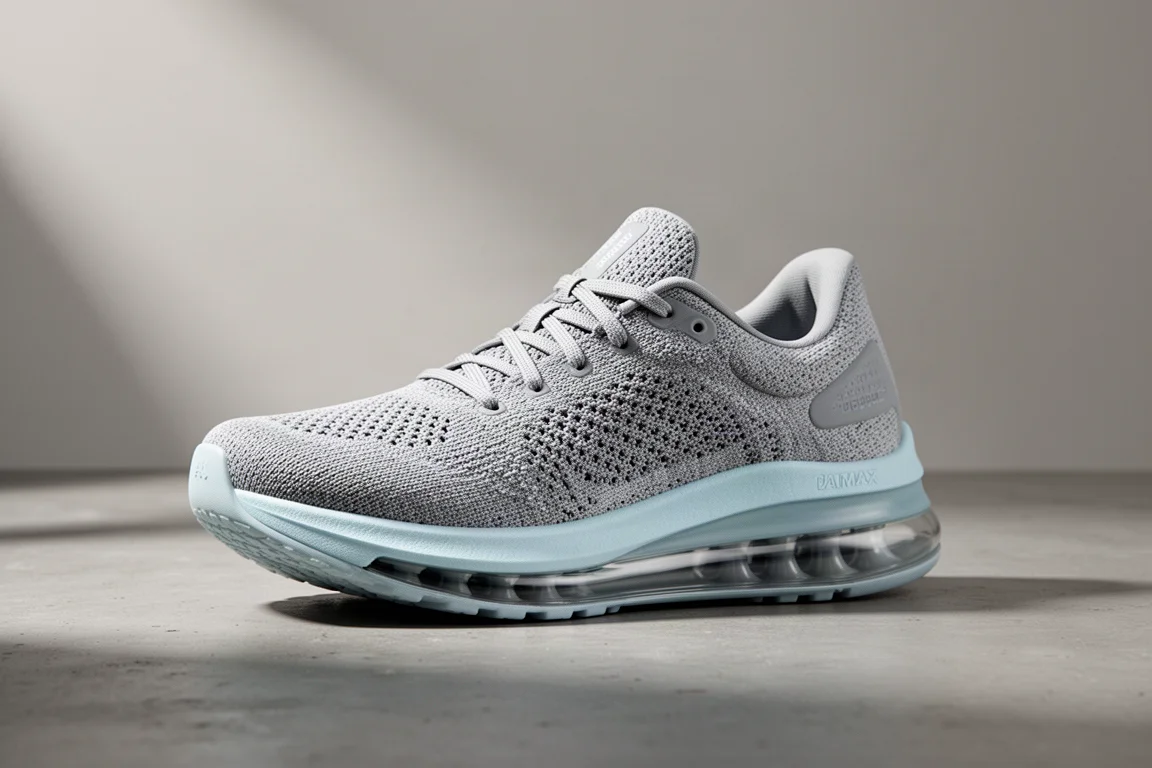
The Pegasus 42 is the latest model of Nike’s very popular Pegasus line, now in its fourth decade of running shoes. This year brings a fairly significant update compared to the Pegasus 41, most notably a full-length Air Zoom unit replacing the separate heel and forefoot pods.
It costs £130 or $145, which keeps it one of the more reasonably priced shoes on the market, and the Pegasus is always a candidate to appear in sales. It weighs 305 g or 10.8 oz in a UK 9 (US 10), a small rise of about 15 g compared to the Pegasus 41 in that size.
Specs and Construction
You get the same 10 mm drop the Pegasus has always had, with a stack height of 37 mm at the heel and 27 mm at the forefoot. Nike says it has managed to add 3 mm under the foam, effectively making the drop feel a bit lower on the run.
The upper is tweaked compared to the previous version and supposed to be a little more breathable. It remains a built-up design: lots of padding around the tongue, a thick padded collar, and a significant internal heel counter. This is an upper designed for comfort rather than minimal weight.
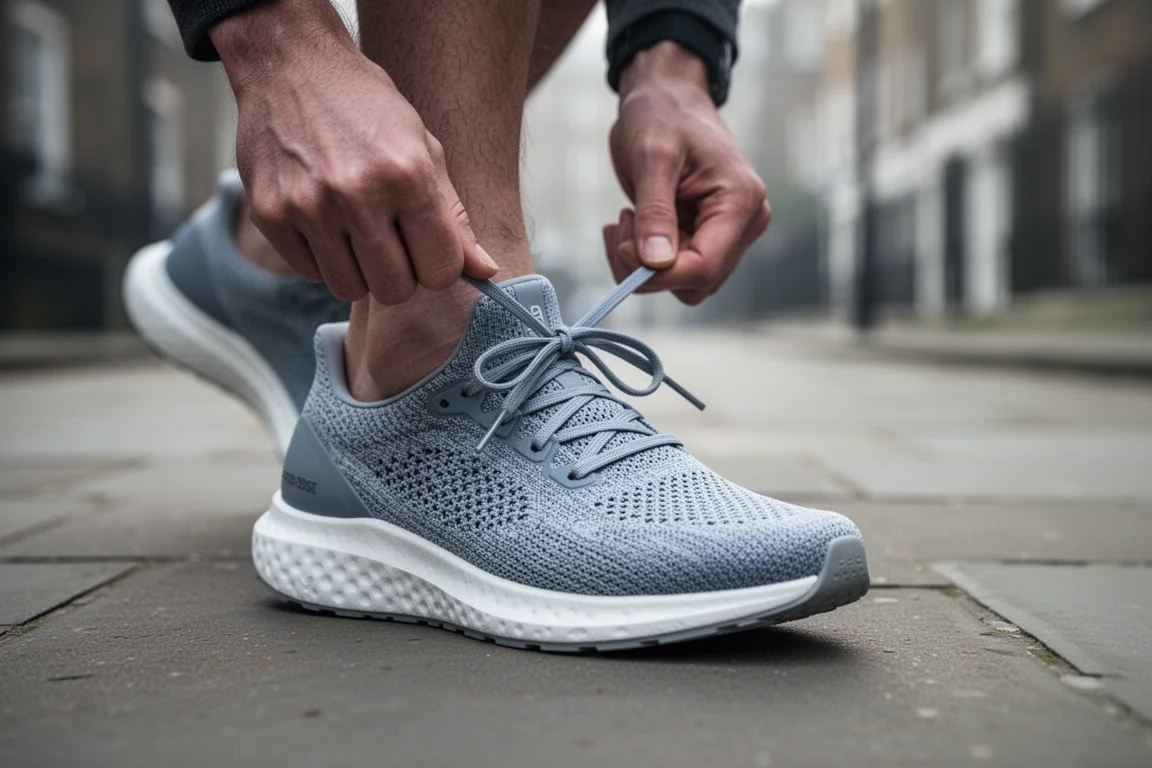
The outsole has slightly less rubber coverage than the Pegasus 41, but there is still a good amount of rubber in a waffle pattern across the forefoot, with a thick layer under the heel and forefoot. Durability should not be a concern here.
Midsole: ReactX Foam Meets a Full-Length Air Zoom Unit
The midsole uses the same materials as previous Pegasus models: ReactX foam and Air Zoom technology. The difference is in the layout. The Pegasus 41 had two Air Zoom pods, one under the heel and one under the forefoot. The Pegasus 42 moves to a full-length Air Zoom pod shaped with a scoop in it, almost like a plated shoe but much more flexible overall.
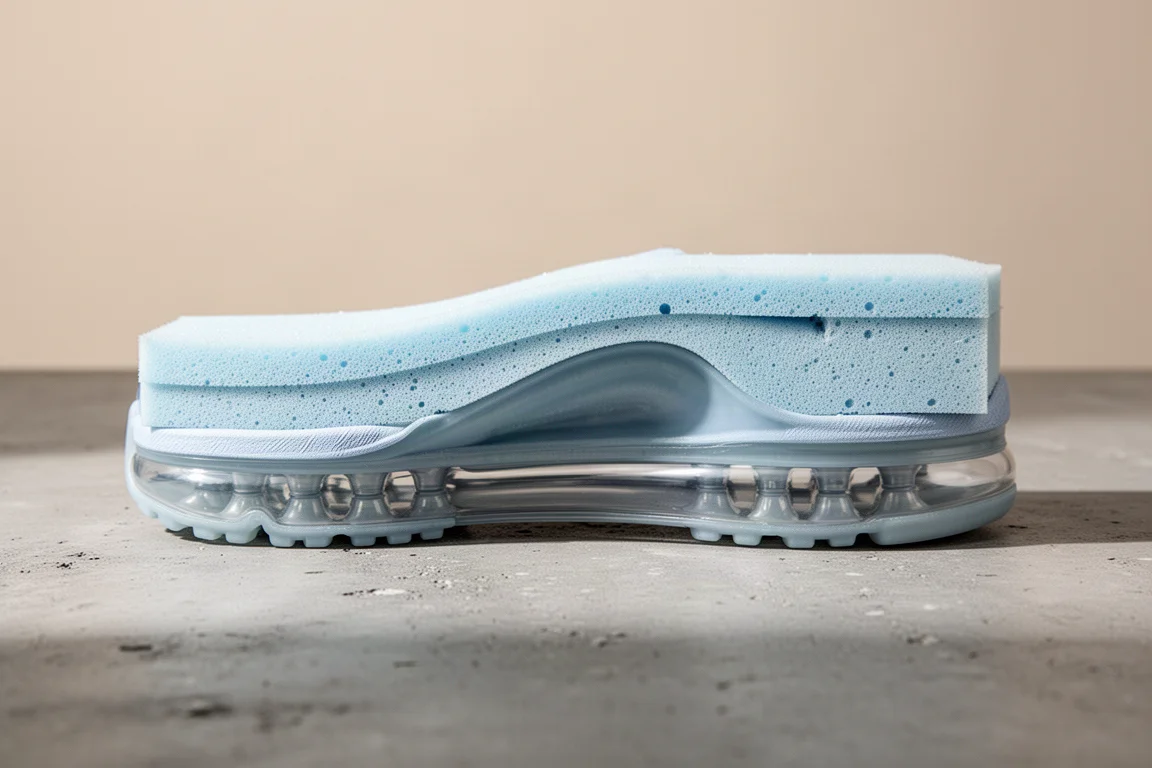
Nike suggests the new setup should deliver about 15% more energy return, with the goal of giving the shoe a bit more response and a bit more life.
Fit and Comfort
The fit was reliable in a normal running shoe size. A UK 9 (US 10) has been the tester’s size across the entire Nike range for eight, nine, ten models of the shoe, and the Pegasus 42 offers the same room as past versions.
The upper is still very padded around the tongue and collar, similar to what Nike does even with the Vomero line. If you run in hot conditions, that thick padded tongue on top of the foot might feel a little hot or oppressive. It has been fine in cooler UK conditions. This is a shoe built for comfort rather than to be lightweight and breathable.
First Run Impressions: Smooth at Easy Paces
The first run was an easy to steady 45 minutes with strides, ticking up the pace every 15 minutes and finishing around 3:40 to 3:45 per kilometre. It was a run of two halves. Out of the box, the shoe felt a little bouncier than past models and turned over smoothly. As the pace climbed, it started to feel a bit heavy and slightly clunky rolling through.

At the easy end of things it felt nice, stable and cushioned enough. By the end of the run, after harder efforts, there was the classic Pegasus slight feeling of discomfort under the fourth toe for a heel striker snapping through the shoe.
Side-by-Side With the Pegasus 41
A short run wearing the Pegasus 42 on one foot and the Pegasus 41 on the other showed a noticeably improved ride. The shoe feels more connected between heel and forefoot thanks to the full-length Air Zoom unit, with a smoother heel-to-toe transition, a slightly lower effective drop, and more lift off the toe.
Even though it is a bit heavier than the previous model, running them side by side made the Pegasus 42 feel like a nimbler, lighter shoe because of that extra lift off the toe. The weight gain is not much of a concern compared to the Pegasus 41.
How It Stacks Up Against the Competition
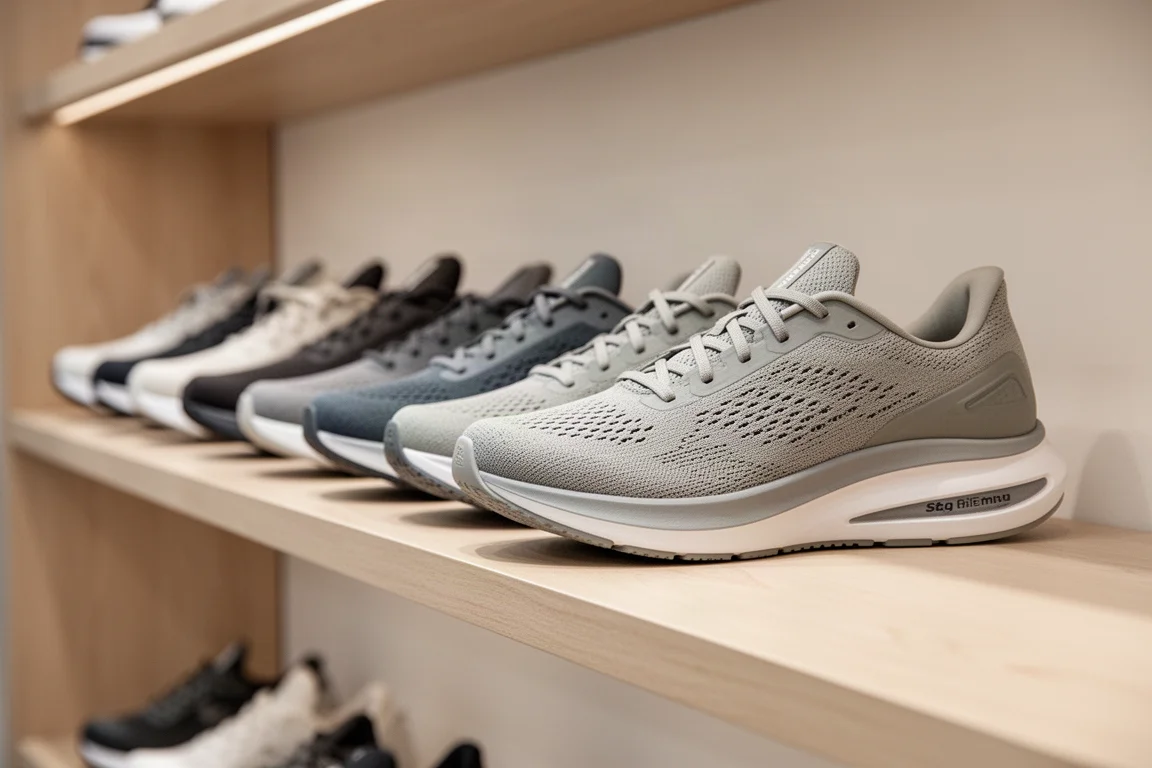
The issue is not so much what the Pegasus does; it is that plenty of shoes do a little more at around the same price. In the US especially, it goes up against the ASICS Novablast, Hoka Clifton 10, ASICS EvoRide 3, New Balance Rebel v3, Puma Velocity Nitro 2, and Saucony Endorphin Speed 3. Nearly all of those are significantly lighter with slightly poppier foam: the Velocity Nitro 2 has more impressive midsole foam, the Novablast is more cushioned under the forefoot, and the EvoRide 3 is a much faster, if less stable, shoe.
Close-to-the-ground daily trainers like the Hoka Mach 7, Puma Velocity Nitro 4, and New Balance Rebel are all 50 to 60 g lighter. Even within Nike’s range, the Zoom Air Pegasus gives you more stack, better midsole foam, more comfort and more bounce, and it is slightly lighter despite all that extra foam underfoot, often not much more expensive in sales in the UK.
Early Verdict and Buying Advice
The early verdict: you are getting pretty much a classic Pegasus with a few key improvements. The same dependable ride, good durability, and versatility for wearing around town and to the gym. It delivers well on easy daily training, shorter runs in particular, with a lower-than-average stack height and a firmer-than-average ride that is still comfortable if you are not covering very long distances.
Conclusion
The Pegasus 42 improves on the Pegasus 41 with a smoother, slightly peppier ride, and if you are a fan of the line you will likely like the new version. But in a market full of strong daily trainers that impress more after one run, the Pegasus feels traditional rather than outdated. More testing is needed before a definitive verdict, but the safe continuation Nike chose should keep existing fans happy.
Product link
View more details for Nike Pegasus 42
This product is mentioned in the review. Check the specifications, options, and compatibility before buying.
View more details for Nike Pegasus 42Further reading
Related Reviews

Running Shoes
Best Road-to-Trail Running Shoes: Three Versatile Options for Mixed Terrain
A practical guide to three road-to-trail running shoes that handle both pavement and mild trails, with clear strengths and trade-offs for different runner types.

Running Shoes
Best Running Shoes for Achilles Tendonitis: Three Options Explained
Three running shoes with different heel drops and support features designed to help reduce Achilles tendon pain during walking and running.

Running Shoes
Best Running Shoes for Women: Five Top Choices Ranked
A ranked guide to five women's running shoes, from versatile daily trainers to high-performance racing options, with real strengths and trade-offs for each.