Running Shoes
Nike Pegasus 41 vs Saucony Ride 17: Two Cushioned Daily Trainers Head to Head
Two neutral, nicely cushioned daily trainers go toe to toe. We compare stack, weight, fit, ride feel, and durability to help you pick.
Introduction
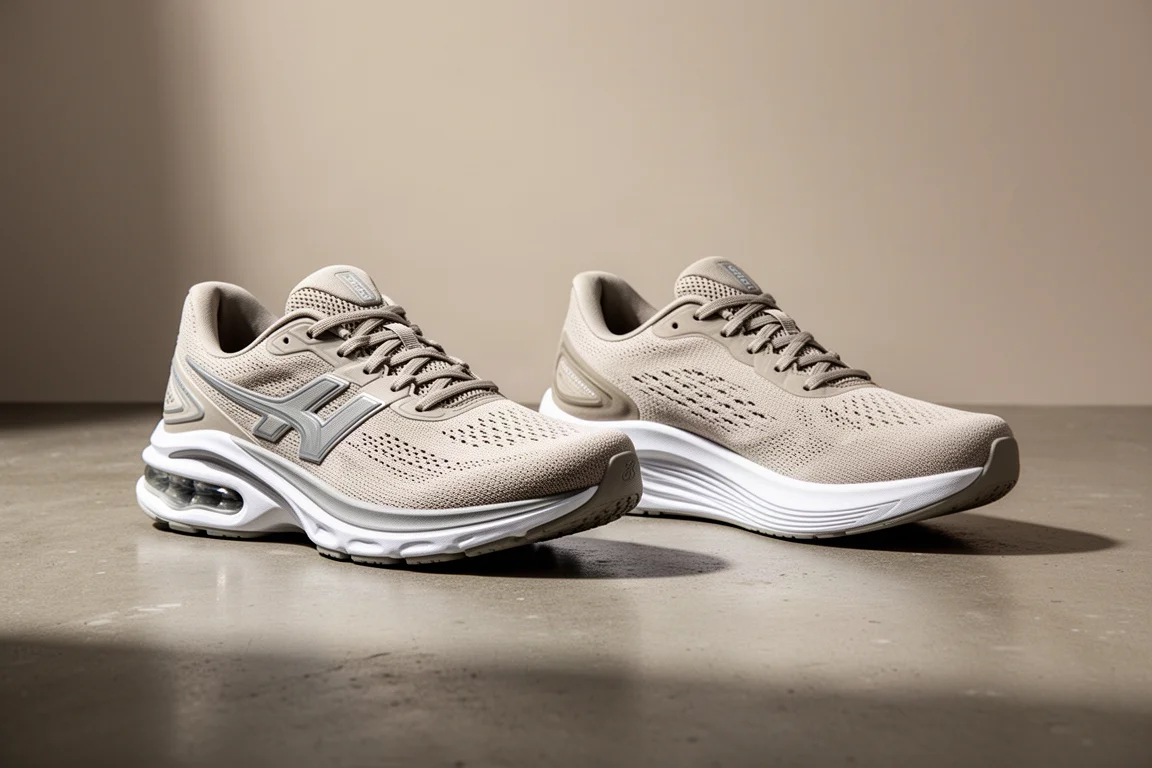
The Nike Pegasus 41 and Saucony Ride 17 sit in the same space: neutral, nicely cushioned daily trainers designed for easy everyday runs, with enough ability to handle mid-tempo work for many runners. Both are built to be reliable miles-eaters rather than flashy speed machines, and both do that job very well. If you are choosing between them, the honest answer is that the similarities outweigh the differences, but there are meaningful distinctions in ride feel, fit, and durability worth knowing before you spend your money.
Key Specs at a Glance
The Pegasus 41 comes in at 37mm under the heel and 27mm up front for a 10mm drop. The Ride 17 packs a little less at the back with 35mm under the heel and the same 27mm stack at the forefoot, for a lower 8mm drop. On weight, the Pegasus 41 measures 10.5oz (298g) in a men’s UK 8.5, while the Ride 17 is a wafer lighter at 10.3oz (293g). Pricing is close: the Ride 17 runs $140 in the US and £135 in the UK, while the Pegasus 41 is $140 in the US and £130 in the UK.
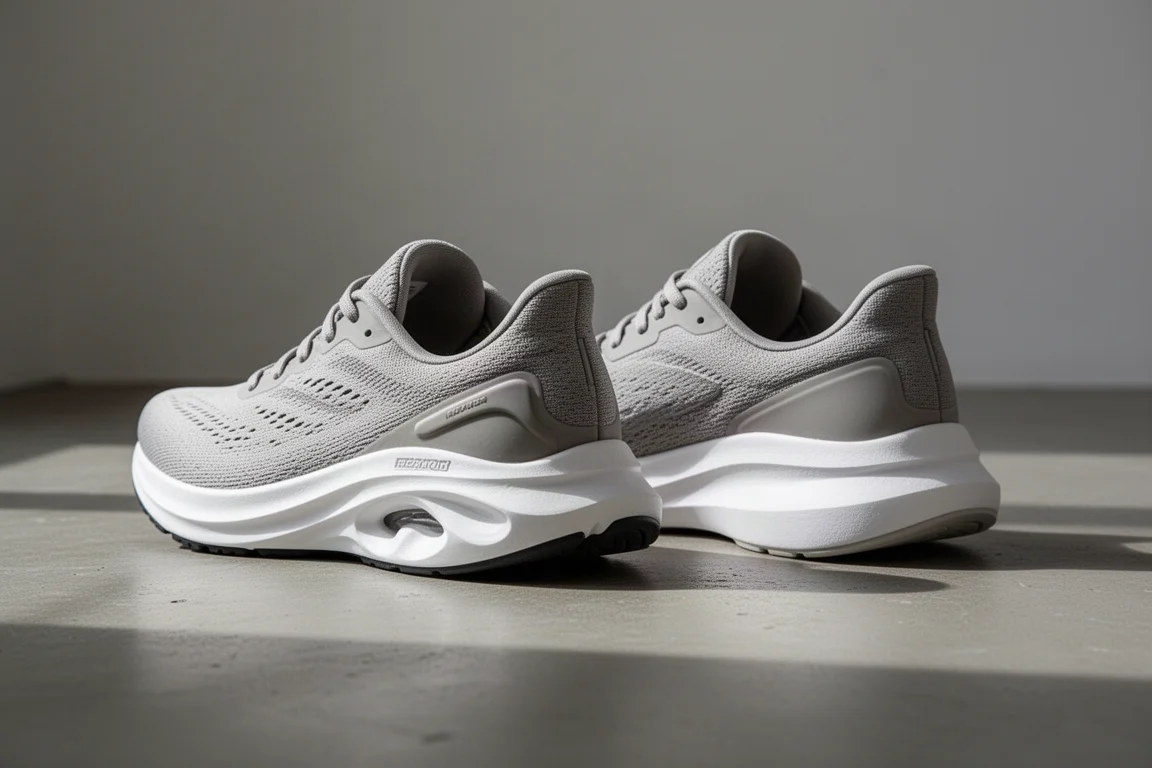
The first thing you notice when the shoes sit side by side is how strikingly similar they look. Aside from the 2mm of extra heel in the Pegasus 41, the midsoles offer largely similar stacks with closely matched shaping. The Nike uses ReactX midsole foam with Air Zoom units under the forefoot and heel to add pop, while the Ride 17 uses PWRRUN+ foam. Up top, both have flexible, largely unstructured engineered mesh uppers with medium-padded heel collars and tongues, and the lacing even stops at the same point near the toes.
Fit and Sizing
Both shoes run true to size, and the same size worn across years of models from both brands carries over here. In the Ride 17 there is a good thumbs width of length, decent toe box clearance, and an upper that flexes nicely. It can feel a touch snug around the toe knuckles, but it holds rather than restricts. The lacing is unfussy and easy to lock down, with a nicely padded tongue that takes out any lace pinch. One small concern: a lace eyelet on the Ride 17 tore when pulling the laces tight once. It does not seem widespread, but the eyelet design does feel a little flimsy in an important area of the shoe.
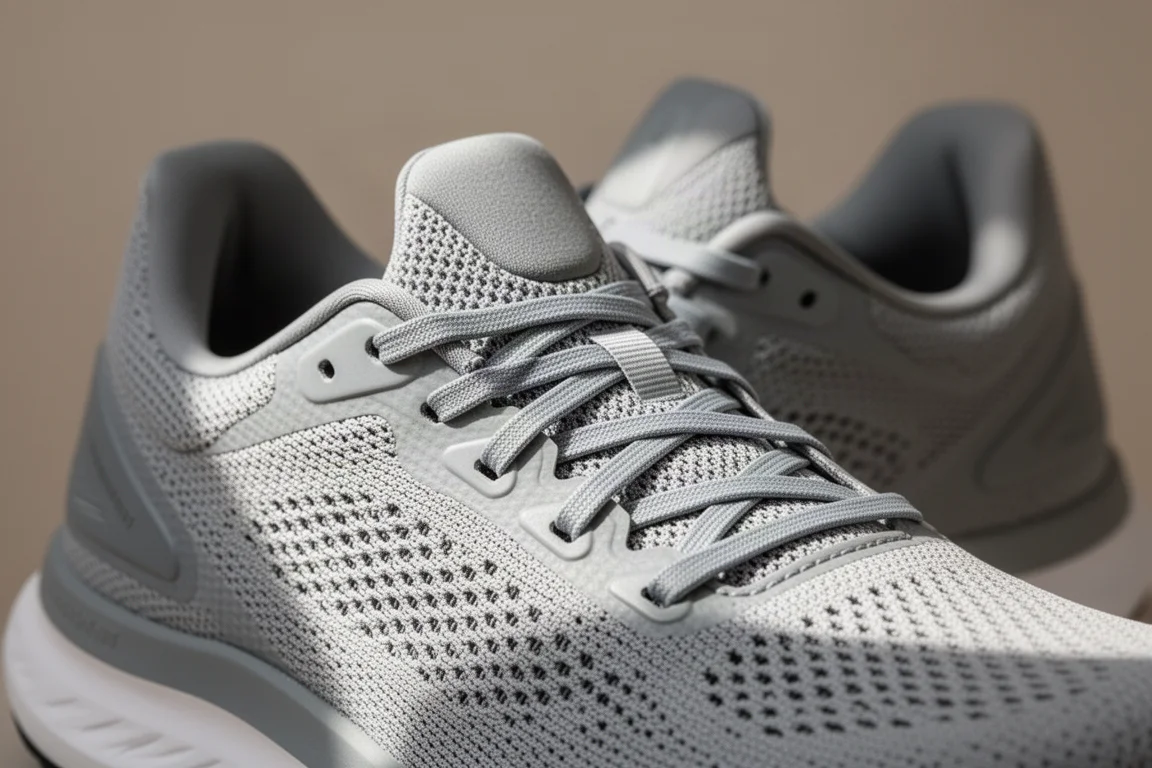
In the Pegasus 41, length is similar with good upper flex, but there is noticeably more wiggle room in the toe box, which sits a bit looser. The mesh has also loosened slightly after a couple hundred miles. The heel counter is bigger and stiffer than the Ride 17’s, extending further around the back, though it still folds over and does not aggravate the Achilles. The medium-padded heel collar holds well, much like the Saucony’s. Either way, going true to size is the right call for both shoes.
Ride and Feel: How They Differ
With well over 100 miles in each shoe across a range of paces and terrain, both earn their keep as balanced, stable, and reliable platforms. Neither offers the big bouncy spring of some modern super trainers, but both deliver a consistent, comfortable ride that lets you get on with your running. They can handle paces up to around marathon effort, though you have to work harder in both shoes at that end. Neither is a top-pick speed shoe.
In a side-by-side test, the major difference is ride character. The Ride 17 comes across a little softer, with more squish in the midsole across the whole foot, particularly the forefoot, giving more protection and a bit more spring when the foam comes back. The Pegasus 41 feels more immediate and direct, with more ground feel at the forefoot and a slightly softer-feeling ReactX foam overall.

The other key difference is the heel package. The Ride 17 feels wider in the heel and forefoot, so heavier heel strikers get more cushioning and protection. That narrower, more compact feel makes the Pegasus 41 a touch more agile and nimble, and the higher 10mm drop is noticeable in a side-by-side run: the forefoot feels thinner and snaps through from heel to toe. The Ride 17’s slightly more rocker-shaped design gives a smoother heel-to-toe transition at any pace, even though it is not a low-drop shoe.
Durability and Value
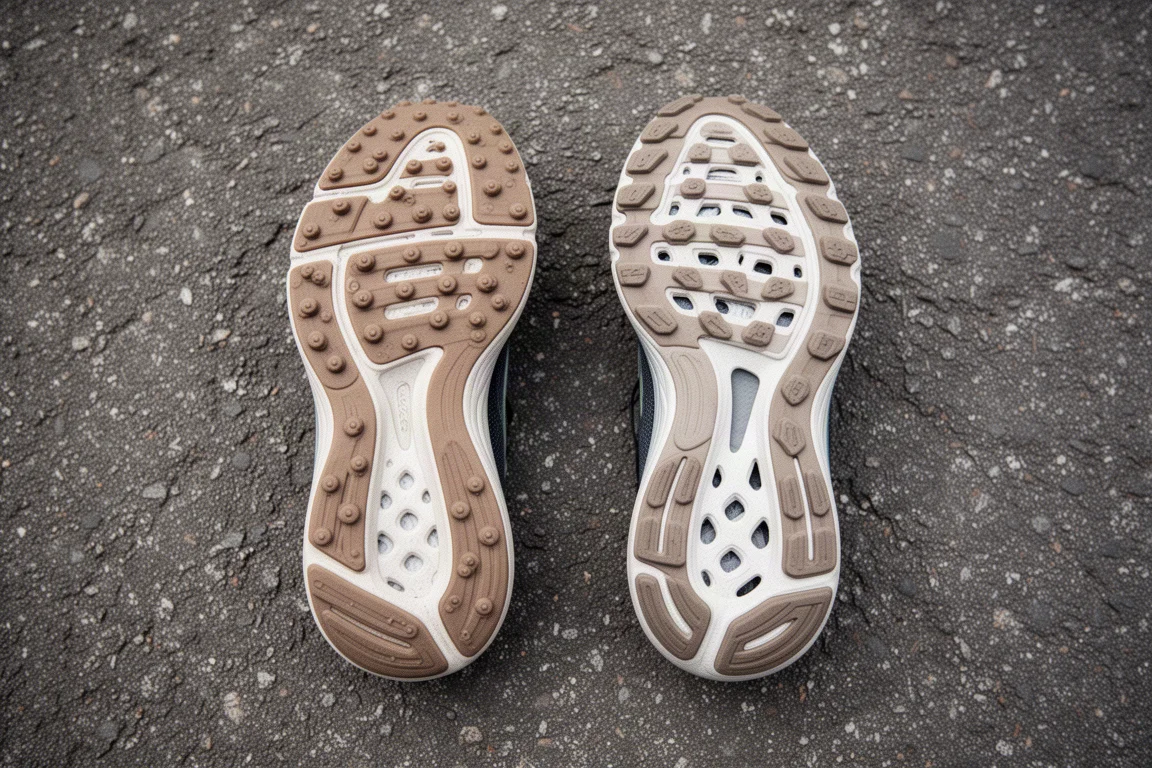
After close to 200 miles, the Pegasus 41’s outsole is showing a good amount of wear on the outside of the heel, and its midsole has deadened slightly over those miles. The Ride 17 has endured better on the outsole, though its heel collar developed a small hole on the inside back. On overall durability, the Ride 17 looks likely to hold its midsole feel a little longer, which gives it a slight edge in value for money: it handles 95 percent of the miles on par with the Pegasus 41 while looking a smidge more durable.
Which One Should You Buy?
If price is the deciding factor and one shoe is meaningfully cheaper where you shop, buy that one. If both cost the same, it comes down to preference. The Ride 17 just about edges the head-to-head for its cushioned, slightly springier ride and durability, making it a strong pick as a one-shoe runner or an easy-day shoe in a rotation. The Pegasus 41 counters with a more compact, agile feel, extra padding in the heel and tongue, and a look that works well as a casual everyday shoe, which matters if you want one shoe for running and walking around. Both suit mid-to-back-of-the-pack runners logging easy miles, long runs, and occasional tempo work.
Conclusion
These are two very capable daily trainers at a similar level, and either would serve most runners well. The Saucony Ride 17 gets the narrow win for its slightly more versatile, cushioned ride and better midsole durability, while the Nike Pegasus 41 remains an excellent, traditional-feeling choice with strong everyday appeal. Whichever way you lean, you are choosing between two of the better cushioned daily trainers on the market.
Product link
View more details for Nike Pegasus 41
This product is mentioned in the review. Check the specifications, options, and compatibility before buying.
View more details for Nike Pegasus 41Further reading
Related Reviews

Running Shoes
Best Road-to-Trail Running Shoes: Three Versatile Options for Mixed Terrain
A practical guide to three road-to-trail running shoes that handle both pavement and mild trails, with clear strengths and trade-offs for different runner types.

Running Shoes
Best Running Shoes for Achilles Tendonitis: Three Options Explained
Three running shoes with different heel drops and support features designed to help reduce Achilles tendon pain during walking and running.

Running Shoes
Best Running Shoes for Women: Five Top Choices Ranked
A ranked guide to five women's running shoes, from versatile daily trainers to high-performance racing options, with real strengths and trade-offs for each.