Running Shoes
Nike Pegasus 41 vs Puma Velocity Nitro 3: Which Daily Trainer Deserves Your Money?
Two mid-range neutral daily trainers go head to head on cushioning, fit, grip, versatility and value to help you pick the right one.
Introduction
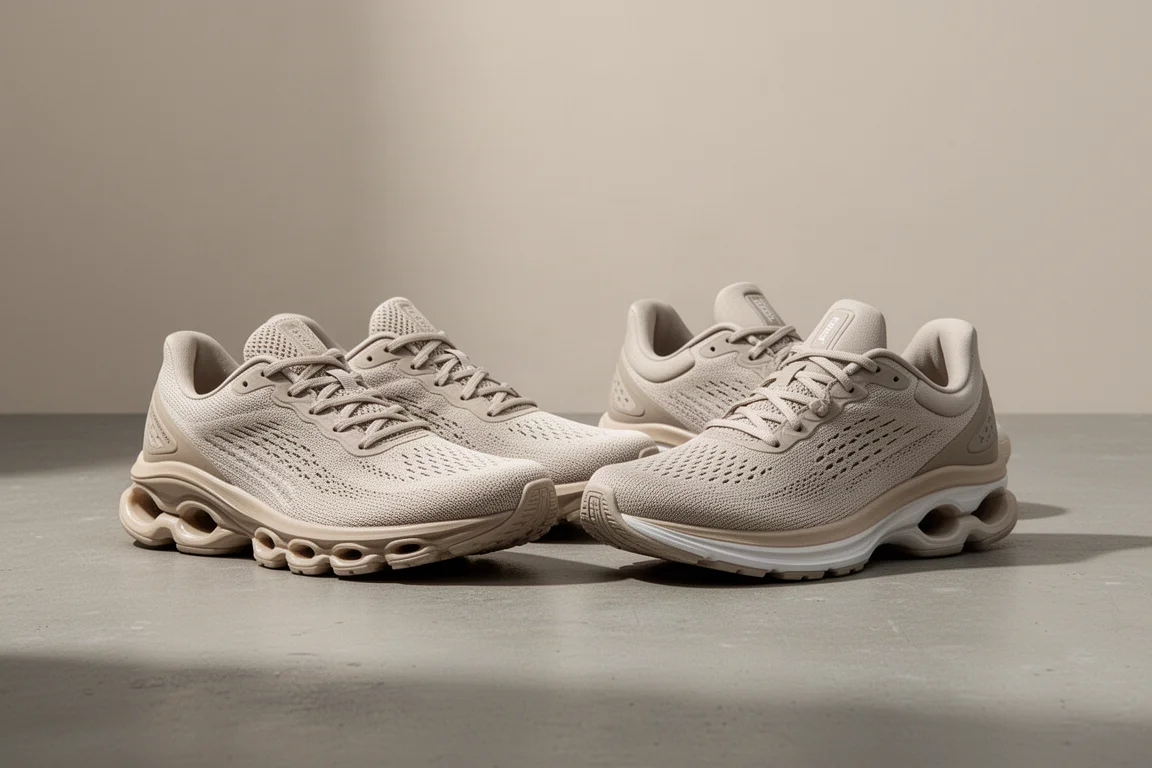
The Nike Pegasus 41 and the Puma Velocity Nitro 3 are both mid-range cushioned neutral shoes designed as daily trainers. They sit below the top-tier max-cushion models in each brand’s lineup, offering enough foam for relaxed easy runs while staying versatile enough for a wide range of daily training. Both are good value, and both tend to appear in sales, so you rarely have to pay full price for either.
After running in both, one shoe came out ahead overall, but the right pick for you depends heavily on fit preference and how you like your foam to feel.
Specs and Pricing at a Glance
The Puma is the cheaper shoe at £110 or $130, while the Pegasus 41 costs £130 or $140. The Puma is also slightly lighter at 283g (10oz) in a UK size 9, compared to 291g (10.3oz) for the Nike in the same size. The Nike carries a 10mm heel-to-toe drop, while the Puma sits at 8mm.
Both shoes fit true to size in a UK 9 (US 10), with enough toe box room and a secure hold around the heel and midfoot with no rubbing issues.
Design and Midsole Technology
The Pegasus 41 uses Nike’s ReactX midsole, a newer foam that is more responsive than the standard React foam used in the past and also more eco-friendly. Two Air Zoom pods are embedded in the midsole under the heel and forefoot to add a bit more pop. The upper is an engineered mesh with plenty of padding on the tongue and around the collar, plus an internal heel counter. The forefoot material is fairly breathable, but the upper is geared more toward comfort than low weight.

The Velocity Nitro 3 takes a dual-density approach: a layer of nitrogen-infused Nitro foam on top, sitting over a ProFoam Lite EVA layer beneath. The mesh upper has minimal padding on the tongue but generous padding around the heel, an internal heel counter, and strips of Puma’s power tape for extra structure and support.
Grip and Outsole
Grip is a standout feature on both of these shoes. The Pegasus uses a waffle tread outsole with excellent coverage over the forefoot and heel, with just a little exposed foam, made from a durable, thick material that offers good traction.
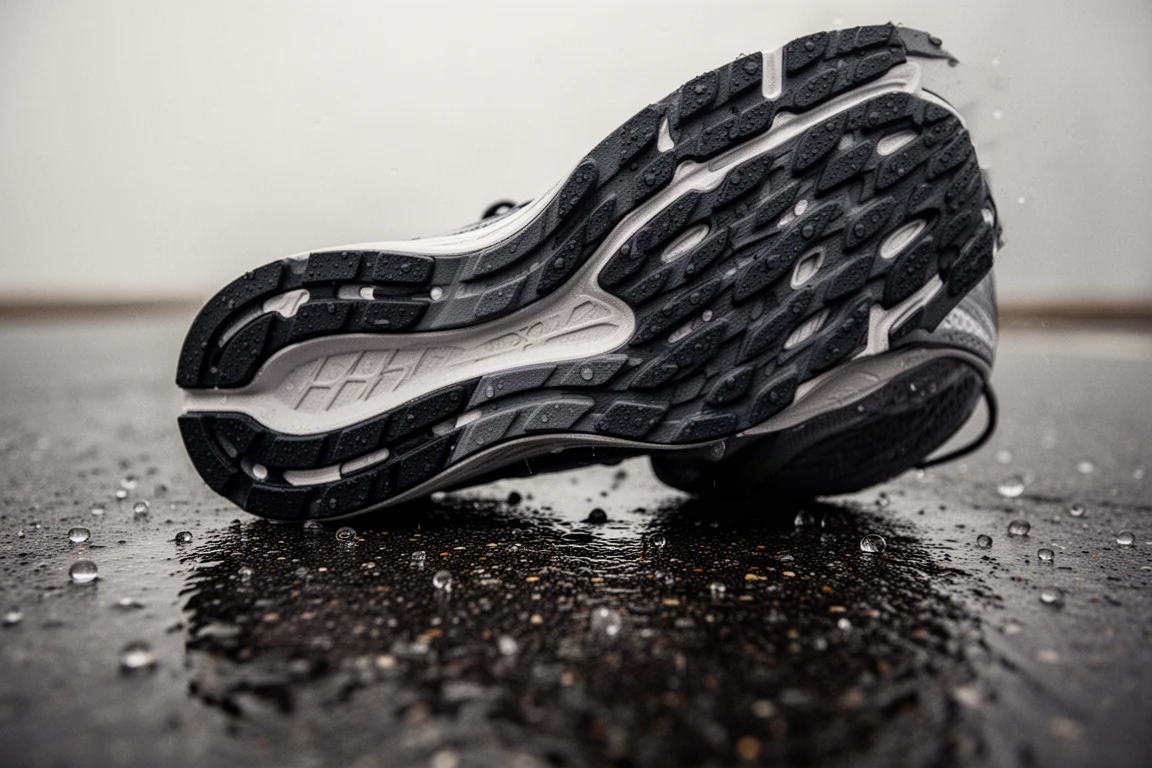
The Puma’s grip outsole is arguably even more impressive, with very good coverage across the heel and forefoot of an exceptionally grippy material. That makes the Velocity especially practical for logging daily training through winter months, or if you like straying onto park paths and light trails.
Fit and Comfort
The Puma is the narrower shoe of the two, with a particularly tapered forefoot. That suits narrow-footed runners very well and gives the shoe a dialed-in feel, but the Nike has the more accommodating and arguably more comfortable upper, with extra tongue padding and a more spacious, plush feel overall.
Stick to your normal size with both. If you have a wider foot or prioritize step-in comfort, the Pegasus has the edge. If your foot is narrower and you like a snugger, more connected fit, the Velocity works beautifully.
How They Feel on the Run
Both are genuinely enjoyable daily trainers with enough cushioning for relaxed runs and a bit of versatility for faster work. The Pegasus feels more cushioned and comfort-focused: ReactX is a touch squishier than the Puma’s foam and doesn’t give quite as much back at faster paces, but you get a plusher feel at easy efforts. The forefoot feels slightly thinner on the Nike despite similar stack heights, though there was no discomfort at any point. The wider design also makes it a bit more stable and supportive.

The Velocity Nitro 3 is the more versatile of the pair. The dual-density midsole pairs a softer, springier top layer with firmer EVA beneath, so it feels comfortable at slow paces while still letting you sink in and get bounce back when you push the pace. The narrow design makes it feel lighter and nimbler than its weight suggests, and it turns over beautifully, particularly for higher-cadence runners with narrow feet. The forefoot feel is also more agreeable than the Pegasus here.
Verdict: Which One Should You Buy?
Overall, the Puma Velocity Nitro 3 is the more versatile daily trainer and the easier recommendation, especially given it is cheaper. It is comfortable, nimble, grippy, and handles everything from easy runs to quicker efforts. That said, its narrow, dialed-in fit will not suit everyone.
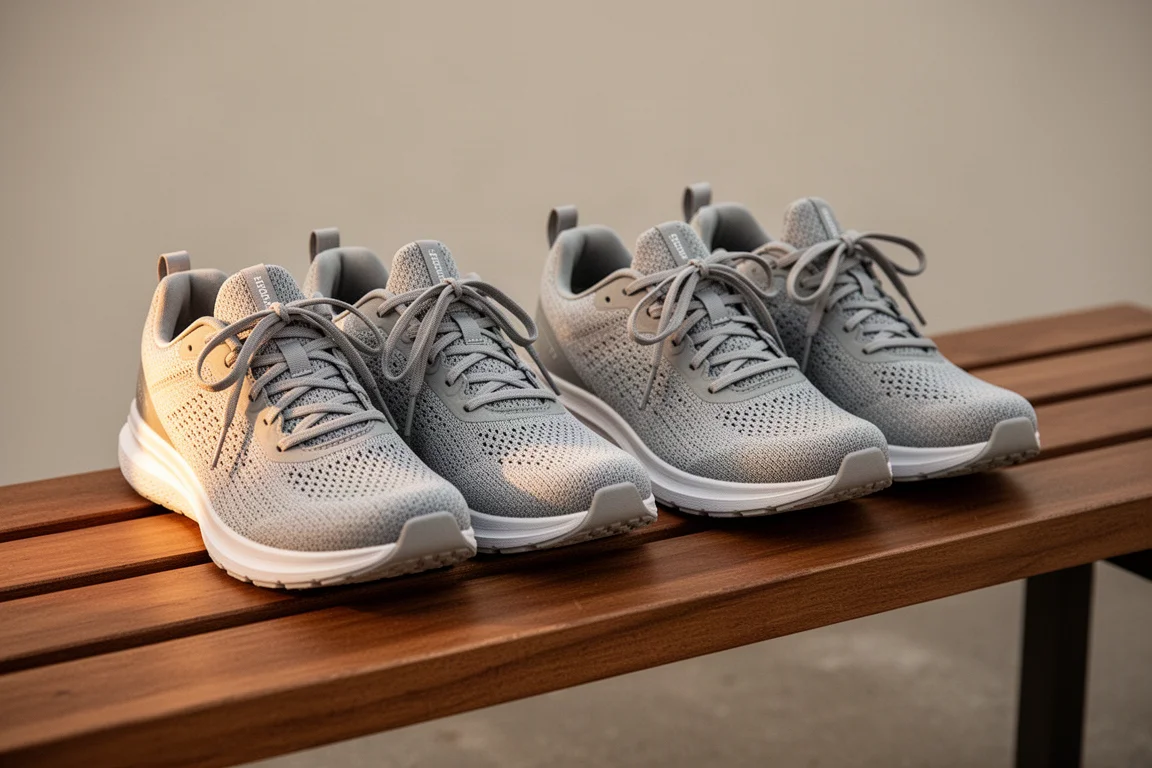
The Pegasus 41 remains a strong pick if you want a wider, more accommodating, and slightly more comfortable daily trainer, and it doubles as a better-looking casual shoe. It is no slouch at faster paces either, just less versatile than the Puma. Both shoes are good value and frequently discounted, so it is worth waiting for a sale, which can bring either below the £100/$100 mark and level out the price difference.
Conclusion
The Velocity Nitro 3 takes the win as the more versatile all-round daily trainer with a nimbler feel and a lower price, while the Pegasus 41 delivers a wider, plusher, more comfort-oriented ride for easy day-to-day running. Pick based on your foot shape and how much pace versatility you want from a daily trainer, and keep an eye out for discounts on both.
Product link
View more details for Nike Pegasus 41
This product is mentioned in the review. Check the specifications, options, and compatibility before buying.
View more details for Nike Pegasus 41Further reading
Related Reviews

Running Shoes
Best Road-to-Trail Running Shoes: Three Versatile Options for Mixed Terrain
A practical guide to three road-to-trail running shoes that handle both pavement and mild trails, with clear strengths and trade-offs for different runner types.

Running Shoes
Best Running Shoes for Achilles Tendonitis: Three Options Explained
Three running shoes with different heel drops and support features designed to help reduce Achilles tendon pain during walking and running.

Running Shoes
Best Running Shoes for Women: Five Top Choices Ranked
A ranked guide to five women's running shoes, from versatile daily trainers to high-performance racing options, with real strengths and trade-offs for each.