Running Shoes
Nike Pegasus 41 vs Pegasus Plus: Which One Should You Buy?
Two very different takes on the Pegasus name. Here is how the Nike Pegasus 41 and Pegasus Plus compare on weight, ride, fit, and who each shoe suits best.
Introduction
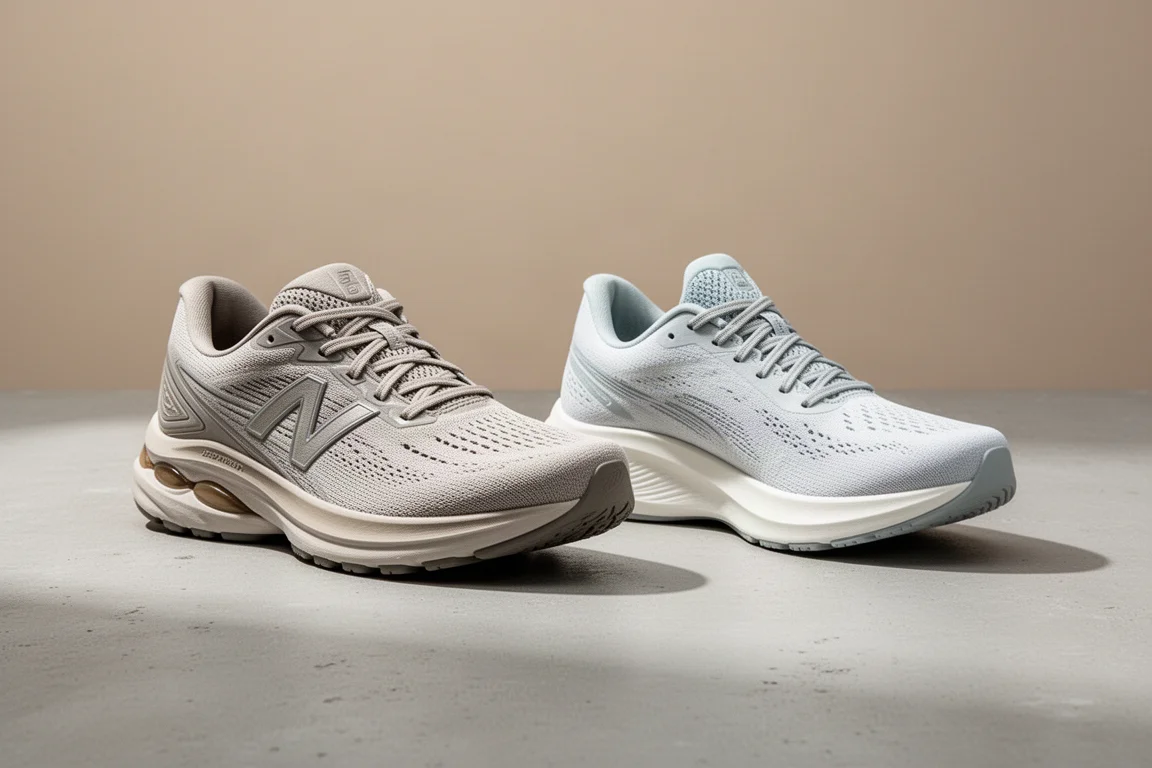
The Pegasus line has changed. In years past, the gap between the standard Pegasus and its faster sibling was obvious: one was the everyday training shoe, the other the go-to workout shoe. With the Nike Pegasus 41 and the Pegasus Plus, that clean split no longer applies. Today, the Pegasus 41 leans firmly into daily training and easy miles, while the Pegasus Plus sits lighter and carries more workout versatility, though not quite the snap of the older fast shoe it effectively replaced.
Our verdict up front: buy one, not both. Pick the shoe that matches your needs, and if you want something genuinely fast, other models in the lineup are better suited to that job.
Specs at a Glance
Both shoes share a 10 mm heel-to-toe drop, but that is where much of the similarity ends. The Pegasus 41 comes in at 10.6 oz (about 300 g) in US men’s size 10, with a 37 mm heel and 27 mm forefoot stack. The Pegasus Plus is noticeably lighter at 8.9 oz (about 252 g), with a 34 mm heel and 24 mm forefoot.
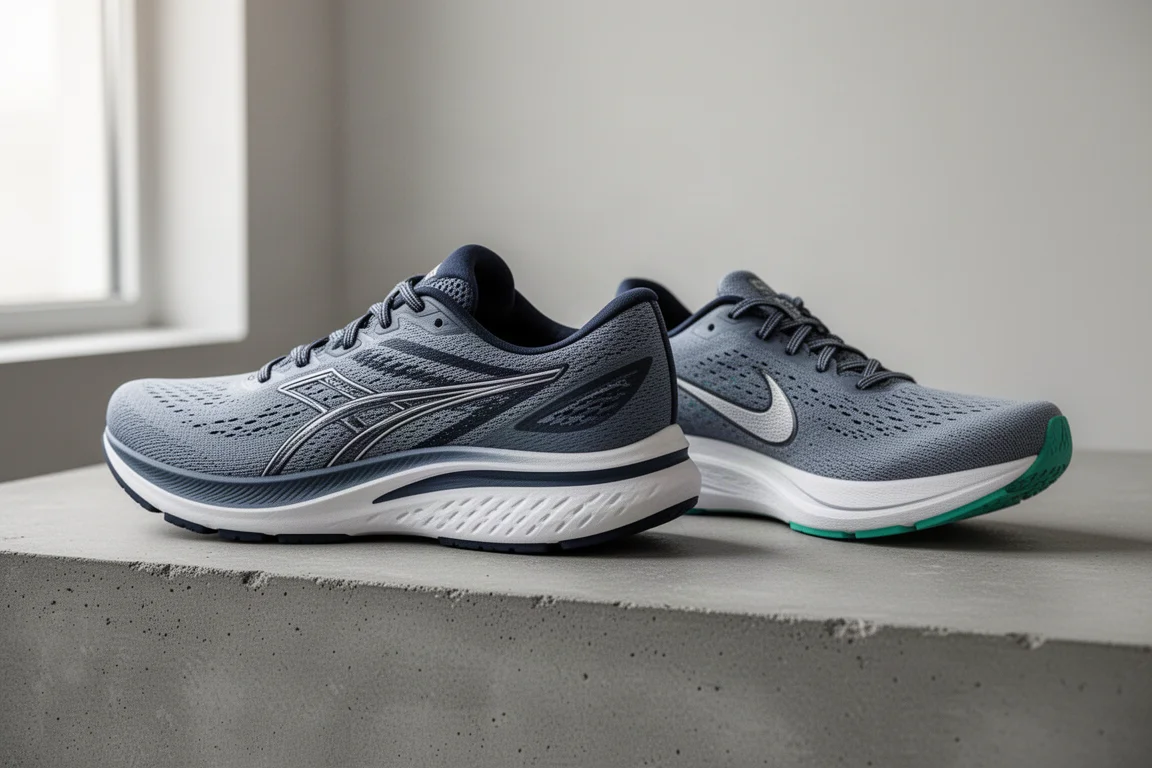
Those three-gram-per-ounce differences add up in feel. The lighter Pegasus Plus is easier to turn over at pace, while the Pegasus 41 offers more material underfoot for long, easy efforts.
Ride and Sole: Nike Pegasus 41
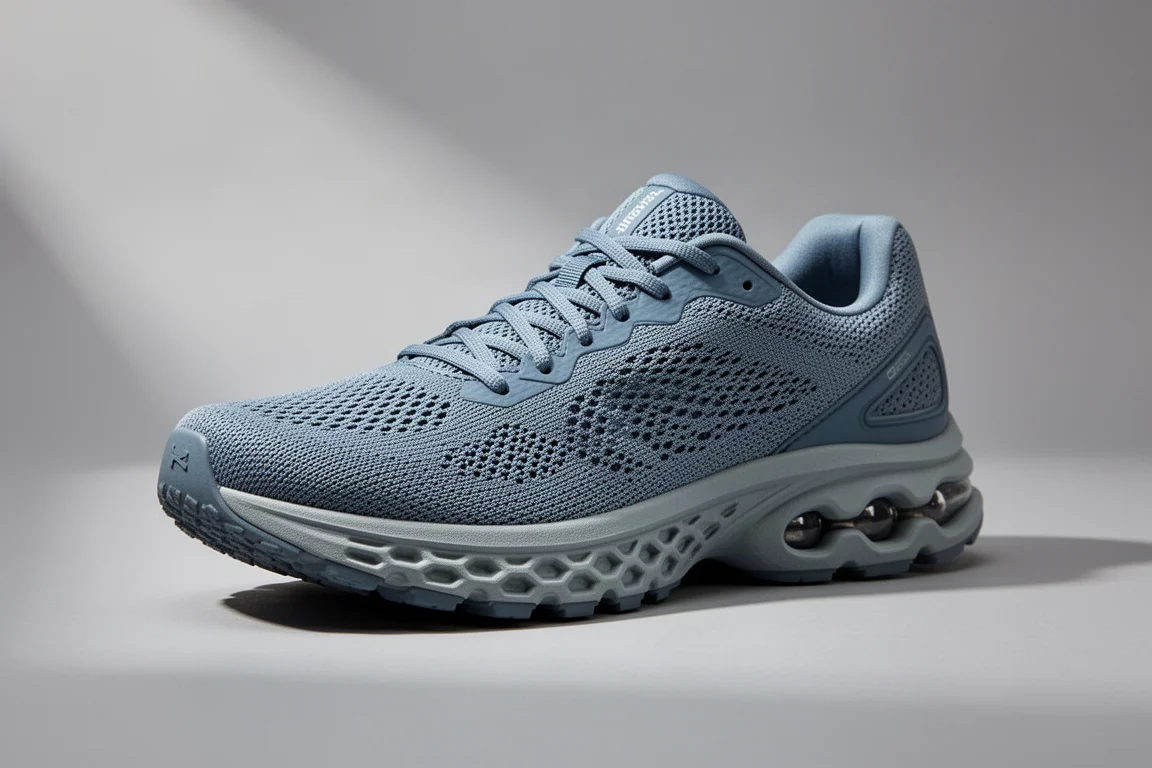
The Pegasus 41 keeps its dual Zoom units and ReactX-based midsole, paired with a nicely beveled heel that produces a smooth, comfortable ride. The trade-off is a significant weight increase, so this version is no longer the versatile do-everything trainer of past years. It does some workouts, but it feels best on daily training runs, long runs, and easy efforts.
One quirk worth knowing: the heel Zoom unit makes the shoe feel like a much higher drop than the stated 10 mm. If you like shoes with that higher-heeled character, this could actually be a plus. The heel is also noticeably more stable than past Pegasus models, with a wider base and more prominent sidewalls offering mild heel guidance. The forefoot is neither overly stiff nor overly flexible, and the transition off the front of the shoe is smooth. Overall cushioning is well proportioned and slightly on the softer side, which suits easier running.
Ride and Sole: Nike Pegasus Plus
The Pegasus Plus takes a different route with full-length ZoomX foam and no air units. The ride is smooth but less stable, with no major sidewalls and a more traditional, fully neutral Pegasus character. If you have any stability needs, this is probably not your shoe; runners with neutral mechanics should be perfectly fine, though it is worth noting the shoe was hard to take on long runs for that reason.
ZoomX responds less quickly here than expected, and the cushioning feels good but not especially bouncy. That said, it still has genuine workout versatility: it has worked well as a second workout shoe and for sessions where pace is not the priority, while also handling daily training runs nicely. If you want the traditional versatile Pegasus experience, this is now the shoe that delivers it. Neither shoe is an absolute speed demon, though; if you want to genuinely turn your legs over, faster options exist elsewhere in the range.


Durability
Both shoes have been run roughly 30 miles so far, wearing slowly and evenly, with the Pegasus Plus holding up slightly better. Expect a fairly normal amount of miles from either pair.
Fit and Upper Differences
This is where the two shoes diverge most. The Pegasus 41 upper is much wider, with actual wiggle room in the forefoot, but the volume is quite low and the upper sits low across the top of the toes. That makes it feel true to size, perhaps a touch short, so if you are between sizes it is safer to stay on the lower side. It also has a fairly stiff heel counter, which means neither shoe will suit wearers with heel bumps well.

The Pegasus Plus goes the opposite way: slightly narrower in width, with more volume in height. It initially felt slightly long until the upper broke in, after which it settled to true to size. Getting a secure fit required tightening the laces down to stop heel slip; once locked in, the fit held up well.
Which One Should You Buy?
If you want the classic, no-thought-required training shoe with a higher-feeling heel and a bit of mild heel guidance, the Pegasus 41 is the better pick. If you want something a little lighter, a little faster, more flexible, and more versatile, the Pegasus Plus earns its place, with the caveat that it costs about $40 more at full price and needs neutral mechanics. Nike gear tends to go on sale fairly quickly, so patient buyers may find it discounted.
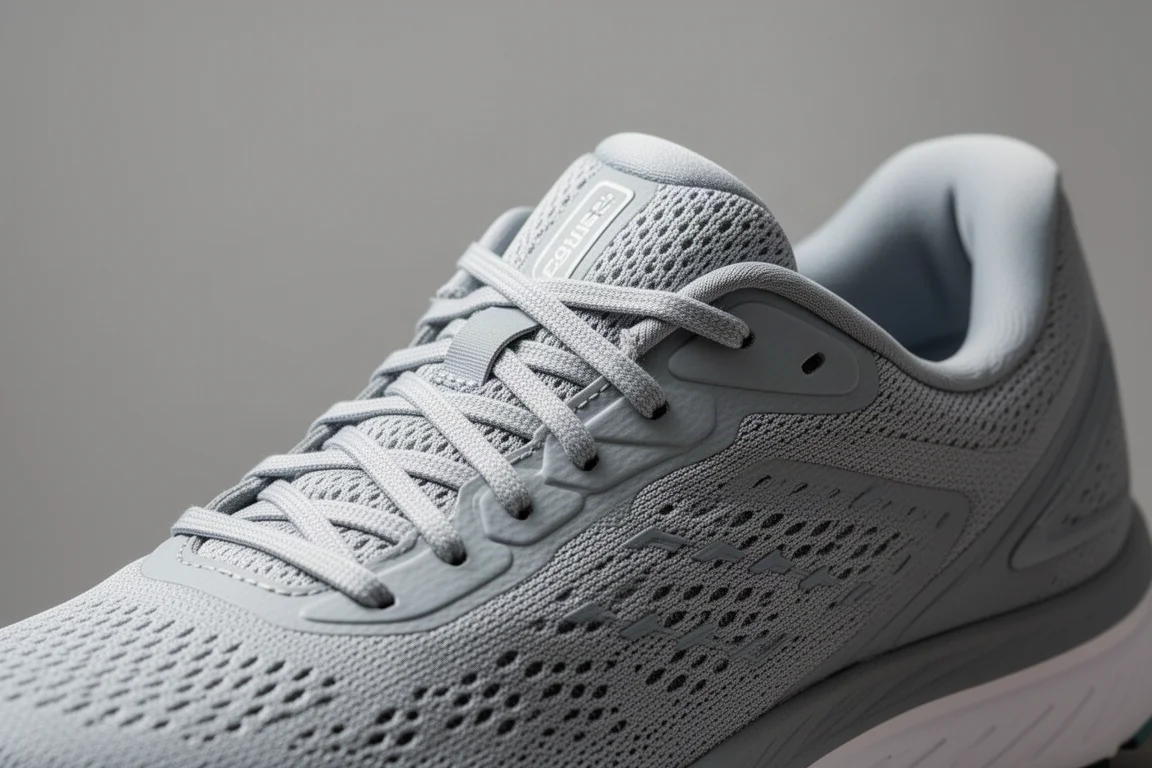
Either way, most runners are better served choosing one of these and adding a dedicated faster shoe later if needed.
Conclusion
The Pegasus 41 is now a comfortable, stable-leaning daily trainer for easy and long runs, while the Pegasus Plus is the lighter, more versatile all-rounder at a higher price. Choose the one that matches your running, not both. With about 30 miles logged on each pair so far, durability looks promising for both, and each delivers the smooth, dependable ride the Pegasus name is known for.
Further reading
Related Reviews

Running Shoes
Best Road-to-Trail Running Shoes: Three Versatile Options for Mixed Terrain
A practical guide to three road-to-trail running shoes that handle both pavement and mild trails, with clear strengths and trade-offs for different runner types.

Running Shoes
Best Running Shoes for Achilles Tendonitis: Three Options Explained
Three running shoes with different heel drops and support features designed to help reduce Achilles tendon pain during walking and running.

Running Shoes
Best Running Shoes for Women: Five Top Choices Ranked
A ranked guide to five women's running shoes, from versatile daily trainers to high-performance racing options, with real strengths and trade-offs for each.