Running Shoes
Nike Pegasus 41 vs New Balance Rebel v4: Which One-Do-It-All Trainer Is Better for Fast Running?
Two everyday trainers around the $130-140 mark, put through threshold-pace miles to see which is the more versatile pick.
Introduction
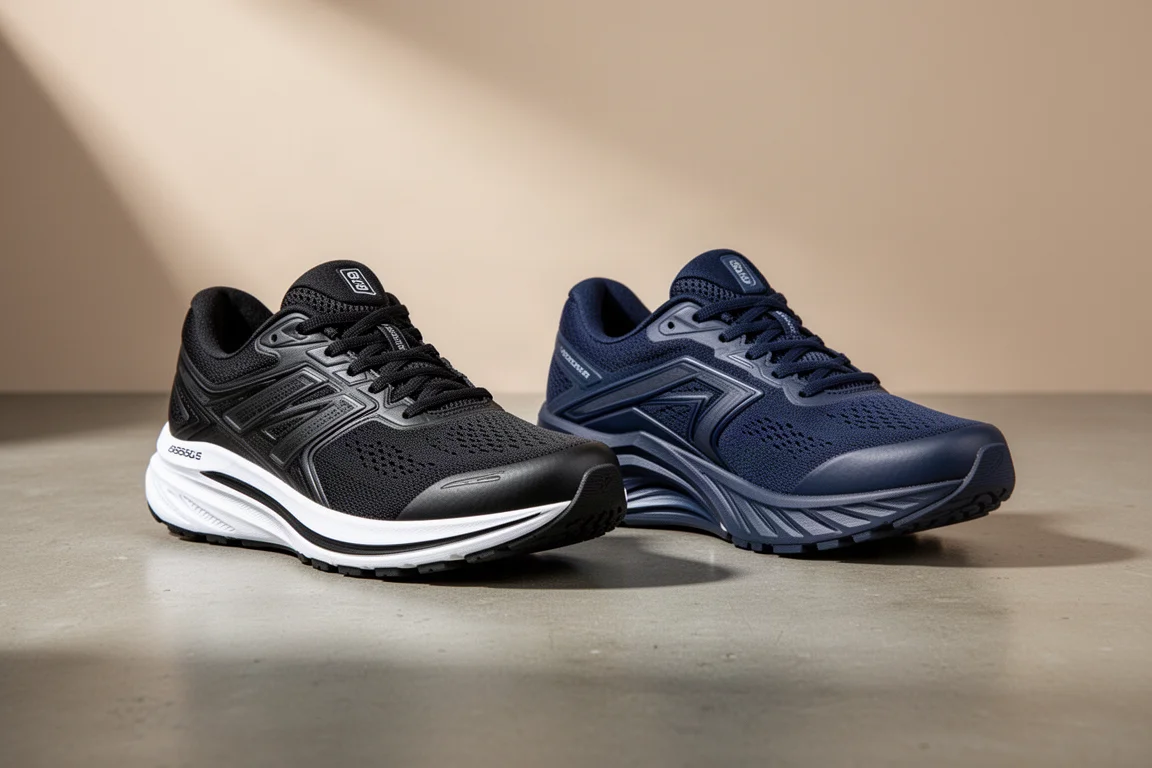
Some running shoes try to do everything, and the Nike Pegasus 41 and New Balance Rebel v4 are two of the most obvious candidates in the $130-140 daily trainer bracket. Both are simple, good-looking, no-frills shoes aimed at runners who want one pair for daily miles, the gym, walking around, and the occasional faster workout. To find out which one actually deserves that slot, both were taken through the same lactate threshold session: five one-mile repeats at around 5:30 to 6:20 pace, split between the two shoes in a single 12-mile outing. The results were surprisingly one-sided.
Evaluation Criteria: One Shoe for Everything
The Pegasus 41 sits at $130 (with some premium colorways at $140), while the Rebel v4 lists at $140. That makes them genuine cross-shopping candidates even though they are not apples-to-apples on paper: the Pegasus is really a more built-up, traditional trainer, while the Rebel is a lighter, faster-leaning daily shoe.
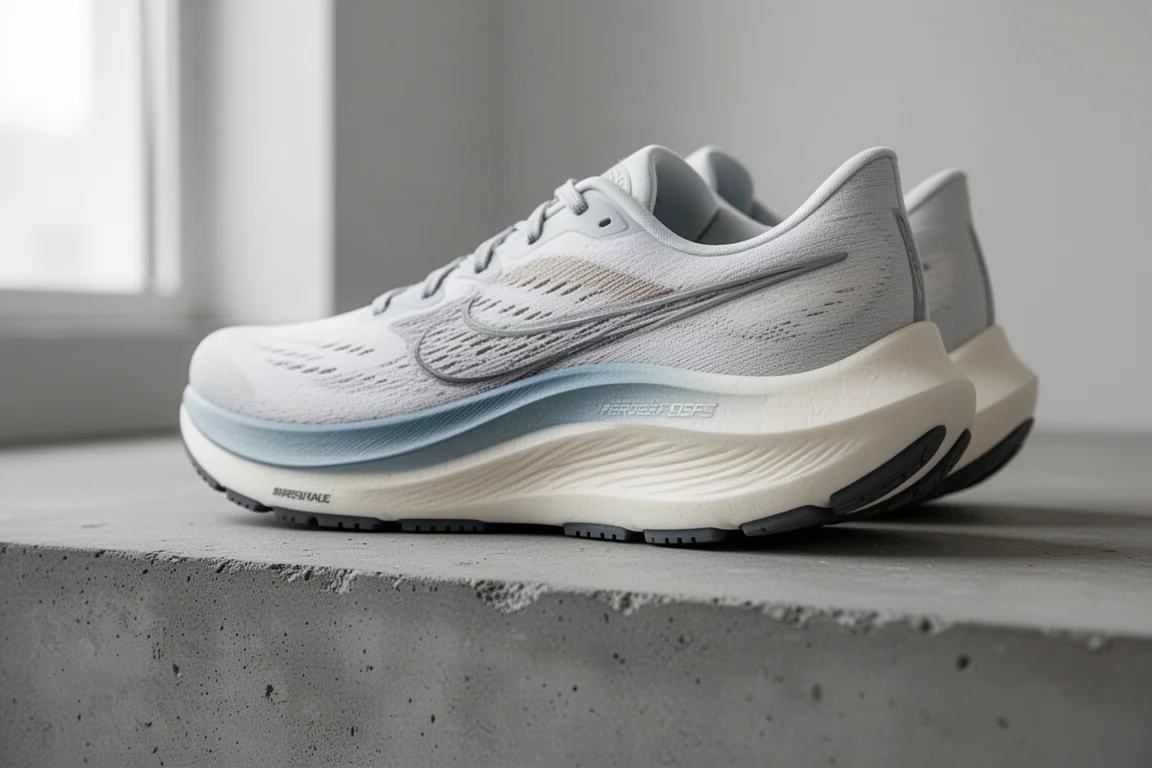
The comparison matters because many runners, especially those not deep into marathon training or spending thousands a year on shoes, want exactly one do-it-all sneaker. The Rebel v4 answers complaints commonly aimed at the Pegasus: it is lighter, the foam is livelier, the upper is wider, and the drop is lower. The Pegasus, meanwhile, leans on durability, structure, and a more padded, hybrid-friendly upper.
Nike Pegasus 41: The Serious, Structured All-Rounder
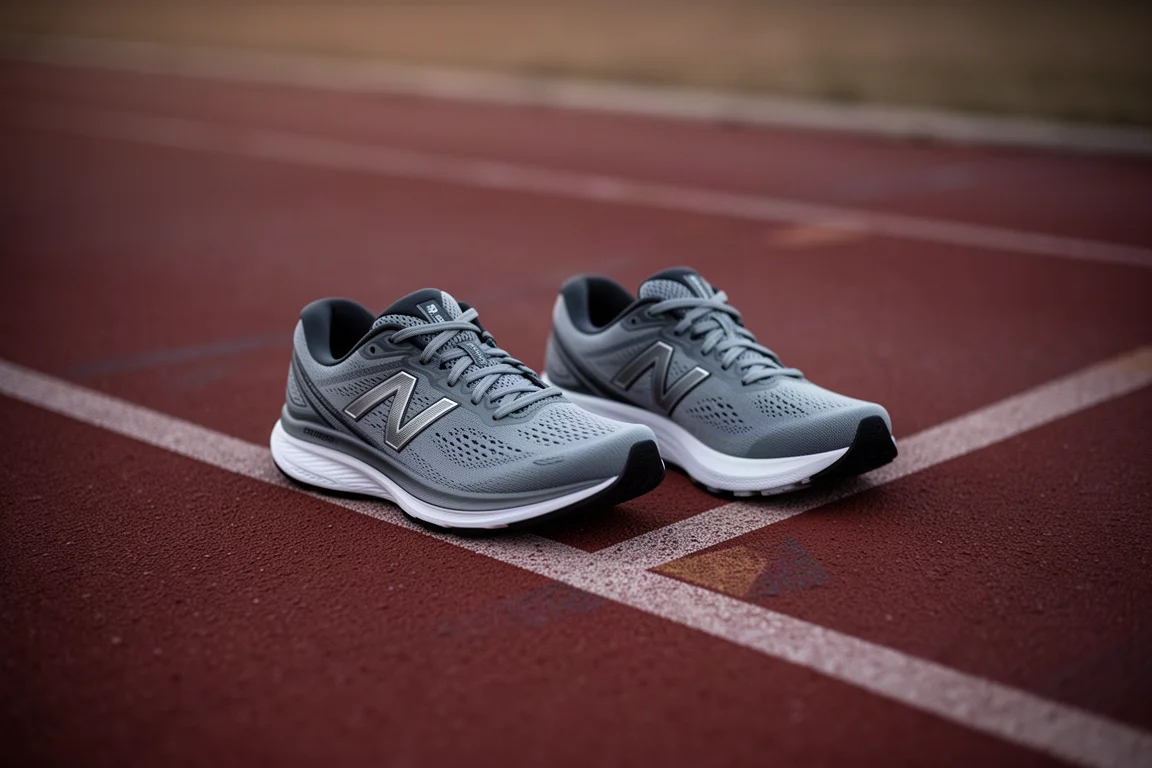
The Pegasus 41 uses Nike React X foam, which is denser and firmer than the Rebel’s midsole, plus an Air Zoom unit intended to add pop at faster paces. It has a 10mm drop (roughly mid-30s in the heel and mid-20s in the forefoot), though the forefoot foam is thin enough that ground feel is strong and the shoe tips you forward onto your toes. Through 30 miles before this test, it felt reliable, consistent, and protective, especially around the heel, but never particularly exciting.
At threshold pace, that character became a problem. Across three one-mile repeats (6:25, 5:54, 5:59), the shoe gave back very little of the effort put into it. There was a hint of bounce from the Air Zoom unit when the landing landed just right, but overall the ride felt dense, flat, and lifeless at speed. There is no rocker, and compared with other $130-140 shoes like the Novablast or Mach 6, it delivers noticeably less energy return. The takeaway: this is not a shoe designed for fast running, and it shows.

Where the Pegasus earns its keep is durability and structure. The outsole is a tank with excellent grip, the upper is padded around the heel and tongue, and there is real-world evidence of these shoes lasting 600-plus miles. It is also the better pick for walking and gym use, with a fit that some will find slightly narrow up front but generally secure. If you want protection and a shoe that will outlast almost anything, this is the one.
New Balance Rebel v4: The Light, Fun Fast Trainer
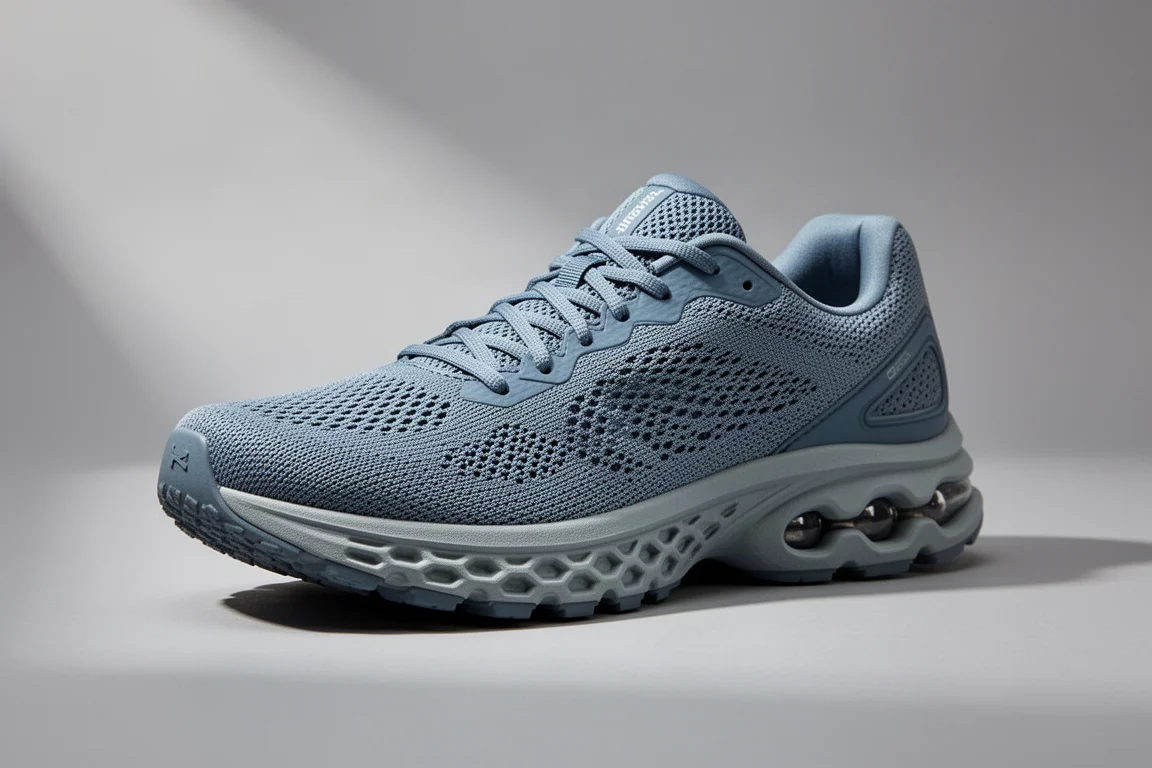
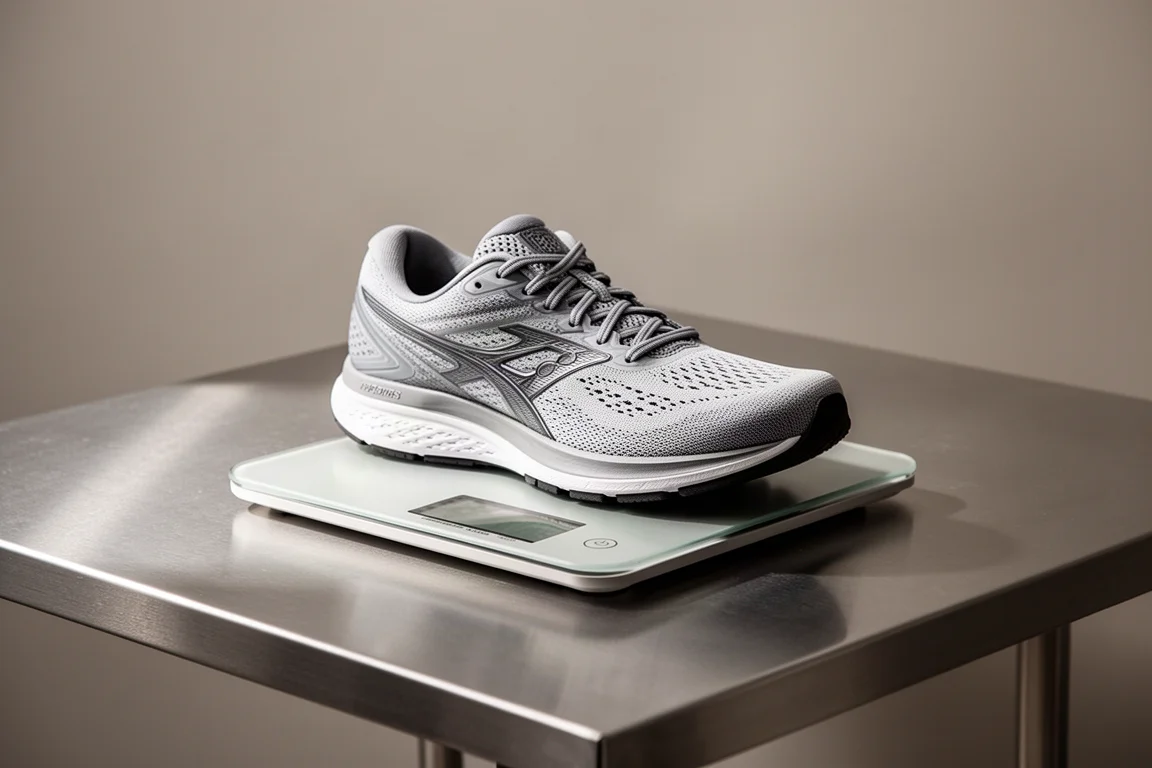
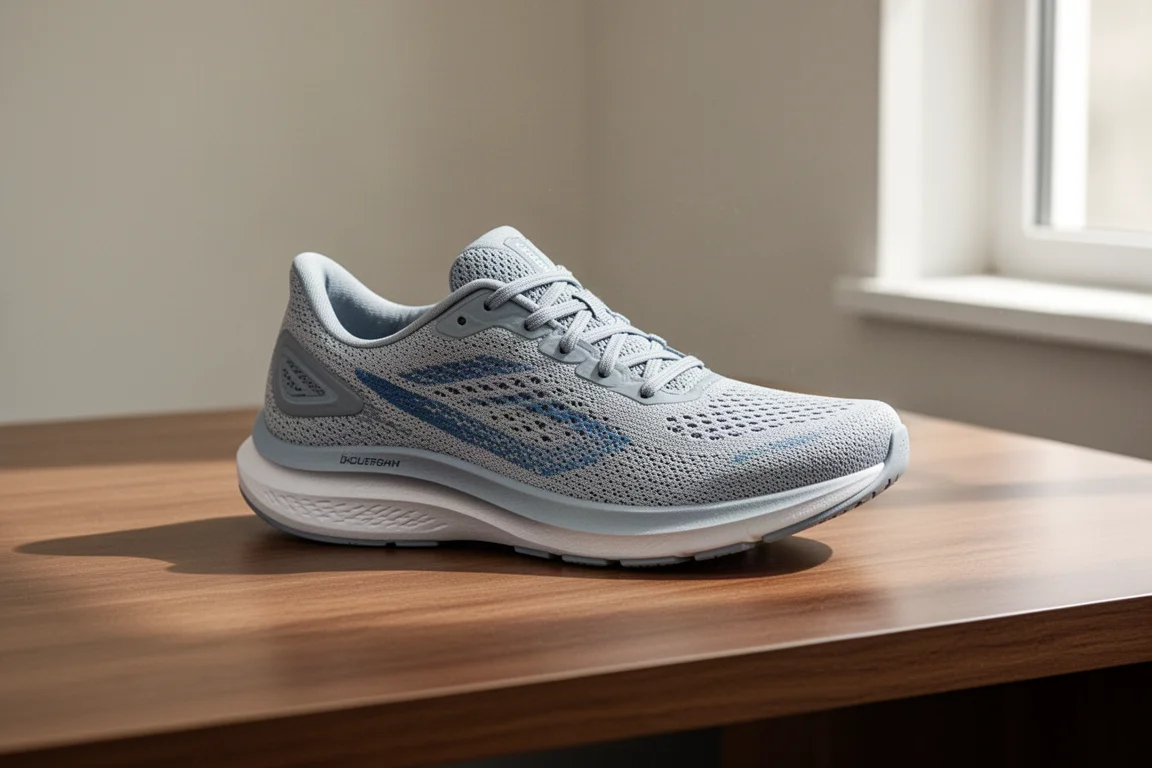
The Rebel v4 is a full FuelCell midsole (a PEBA-EVA blend with a touch of racing foam mixed into standard training foam), a 6mm drop, a pronounced rocker, and a featherweight build. On the scale it came in at 223.5g versus 304g for the Pegasus, and that difference is obvious the moment you pick them up. The foam breaks in around 30 miles, feels soft on step-in, and the shoe has an easy, natural roll that makes walking and easy jogging genuinely pleasant.
But this shoe truly comes alive at speed. In the same threshold session, the final two one-mile repeats in the Rebel came in at 5:36 and 6:00, and the 6:00 felt dramatically easier than anything hit in the Pegasus. The 5:36 was faster than anything recorded in a $500 plated racing shoe the week before. The lightweight build, bouncier foam, and rockered geometry make it the closest feeling daily trainer to a premium race shoe, delivering roughly 85% of that experience in a $140 package.
Trade-offs exist. The forefoot cushioning is thin at everyday paces, the ride is softer and squishier so it feels slightly less stable than the Pegasus, and the upper, while airy and well-fitting, is less padded at the heel (some forum users report rubbing) and less likely to survive to very high mileage. Expect 300 miles from it without trouble, maybe more for lighter runners, but not the 500-600 the Pegasus promises.
Which Shoe Should You Buy?
For most runners, the Rebel v4 is the better package in this market: lighter, faster, bouncier, more fun, and better suited to faster daily miles, gym work, and treadmill running. It is the pick for high school or college runners logging moderate weekly mileage at quick paces, or anyone wanting one shoe that can genuinely handle a threshold workout.
The Pegasus 41 makes sense if you prioritize durability, protection, and long-term reliability above all. It is a serviceable option for easy miles at 7:00-7:30 pace, especially if you love the styling or plan to keep the shoe for 500-plus miles. But if maximum cushioning and protection are the goal at this budget, alternatives in the same price range are arguably stronger picks, and the Pegasus remains best reserved for those who value its tank-like durability and structured feel.
Conclusion
This comparison turned into a clean sweep for the New Balance Rebel v4. It is lighter, livelier, and dramatically better at faster paces, while the Pegasus 41 counters only with durability, protection, and a more padded hybrid-friendly upper. If you want a fun do-it-all shoe that can still sing when the pace drops, the Rebel v4 is the one to buy. If you want a durable, reliable workhorse and nothing more, the Pegasus will serve you, just do not expect it to be fun when you push the pace.
Further reading
Related Reviews

Running Shoes
Best Road-to-Trail Running Shoes: Three Versatile Options for Mixed Terrain
A practical guide to three road-to-trail running shoes that handle both pavement and mild trails, with clear strengths and trade-offs for different runner types.

Running Shoes
Best Running Shoes for Achilles Tendonitis: Three Options Explained
Three running shoes with different heel drops and support features designed to help reduce Achilles tendon pain during walking and running.

Running Shoes
Best Running Shoes for Women: Five Top Choices Ranked
A ranked guide to five women's running shoes, from versatile daily trainers to high-performance racing options, with real strengths and trade-offs for each.