Running Shoes
Nike Pegasus 41 Review: A Long Overdue Update to a Classic Daily Trainer
Nike finally replaces the outdated React foam with full-length React X, adds stack height, and hikes the price. Here is what three runs in the Pegasus 41 reveal.
Introduction
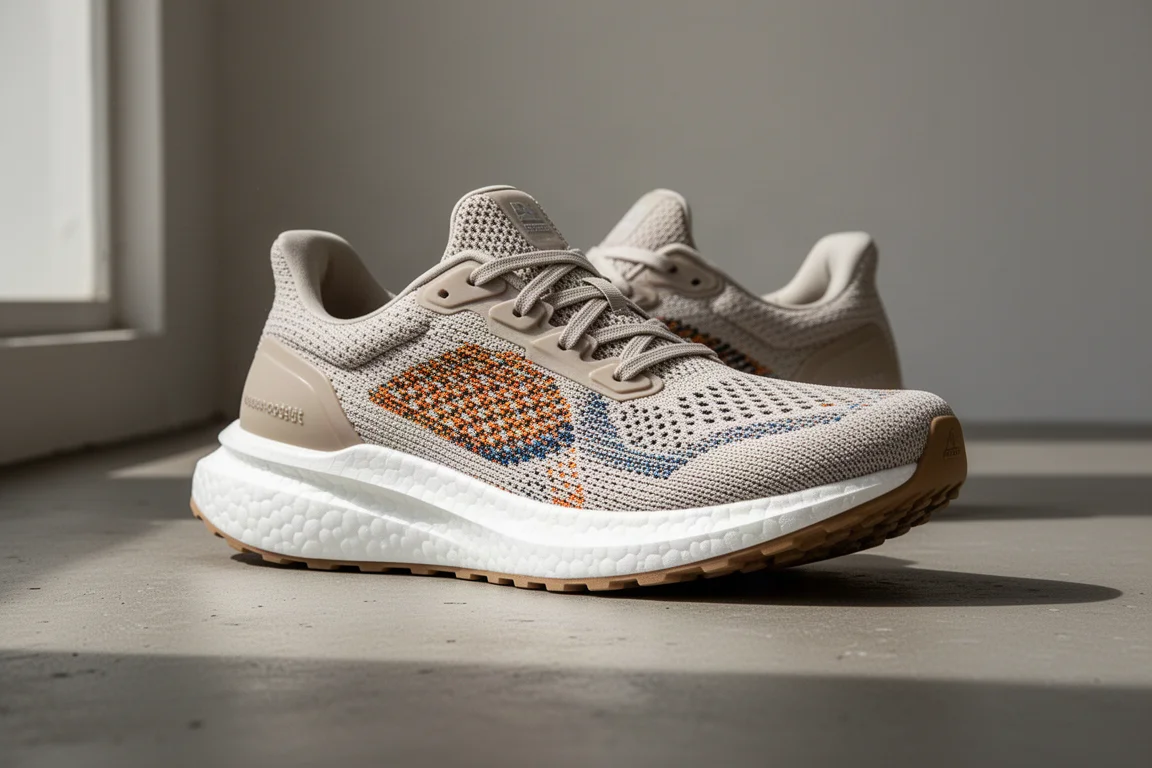
The Nike Pegasus has been a firm favourite of long-time runners for years, but as running shoe technology advanced rapidly, the line began to lag behind its competitors. Fans of the historic Pegasus have been calling for updates, especially to the outdated midsole, and Nike has finally delivered in the Pegasus 41. The catch is a considerable price hike, so the question is whether Nike has now caught up and produced a top-tier daily trainer, and whether it is worth the extra money. After three runs in the shoe, here is how it all stacks up.
What Changed From the Pegasus 40
Three main updates separate the Pegasus 41 from the outgoing version 40. First, there is an updated engineered mesh upper that is slightly lighter and more breathable, with extra cushioning around the ankle and through the tongue. Second, and most importantly, Nike’s new React X foam now runs the full length of the shoe, replacing the outdated React foam used from versions 37 to 40. Third, the stack height has grown by an extra 4 mm.
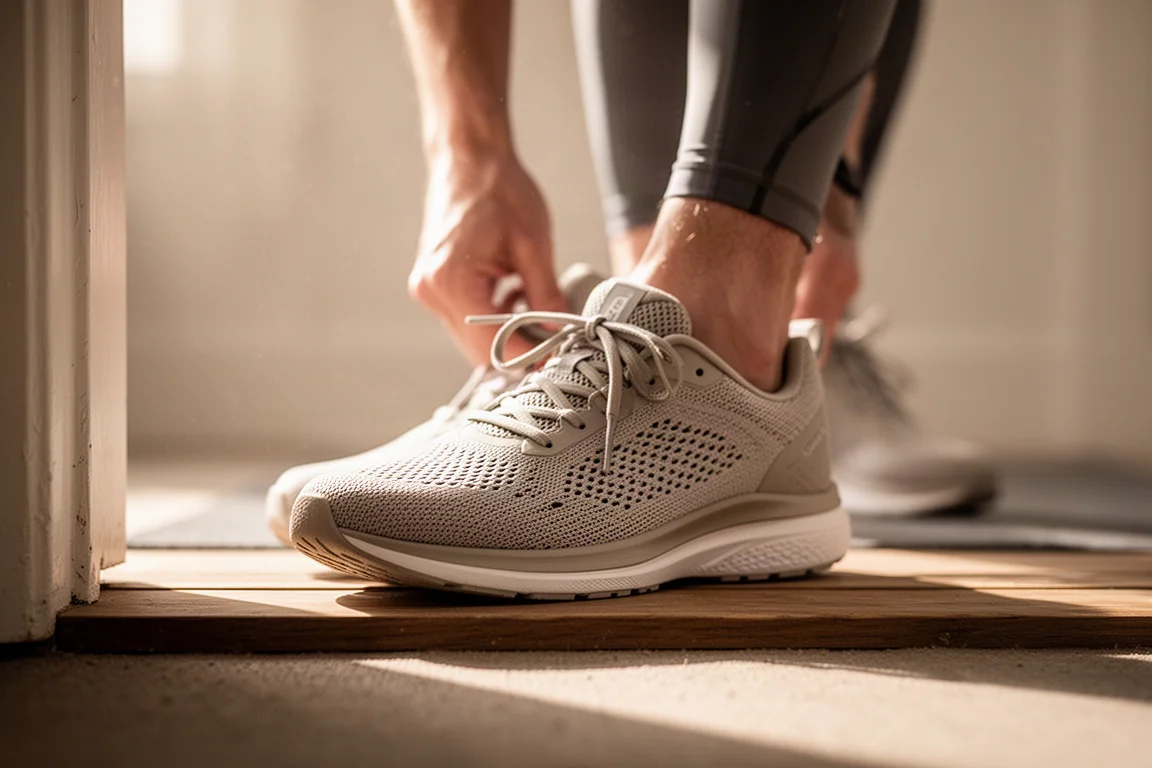
There is also the matter of price. The shoe costs £15 more in the UK, moving it away from its traditional budget-friendly position. The key specs: it is a neutral daily trainer suited to all types of runs up to around half marathon distance, with a 10 mm drop, a 37 mm stack at the heel and 27 mm at the forefoot. In UK size 12 it weighed 347g, identical to the outgoing model. Nike has kept two Air Zoom units, one at the front and one at the back, for extra bounce, and there is no carbon plate. The waffle outsole rubber is grippy and very durable. There are no width options at launch, two colorways in the UK at £130 (six in the USA), a Nike By You custom option at £155, and the fit was true to size.
Main Strengths
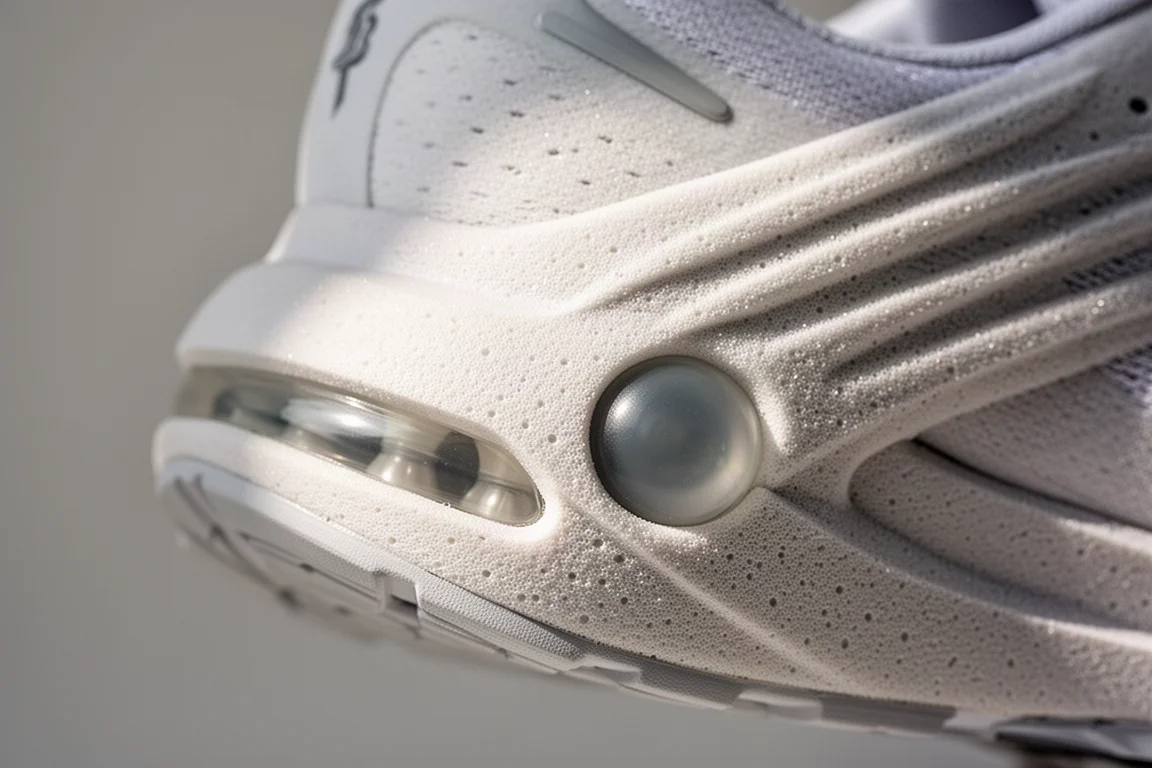
The headline improvement is the updated React X foam. Nike claims it is 13% more responsive than before, and that its production reduced the midsole’s carbon footprint by 43%. Combined with the Air Zoom pods, the ride feels a lot more springy and responsive. The Pegasus finally has a bit more life about it: it is more fun and more engaging to run in, and you no longer feel like you are running around with two blocks of lead on your feet.
The second strength is all-around comfort. There is a fantastic amount of padding in the tongue and ankle, a really good lockdown fit, and even pressure across the front of the foot. The lacing system works very well, and the laces are long enough for a heel-lock lacing technique if you need it, though no ankle slip was experienced in testing. The breathable upper handled even summer running in the UK comfortably.
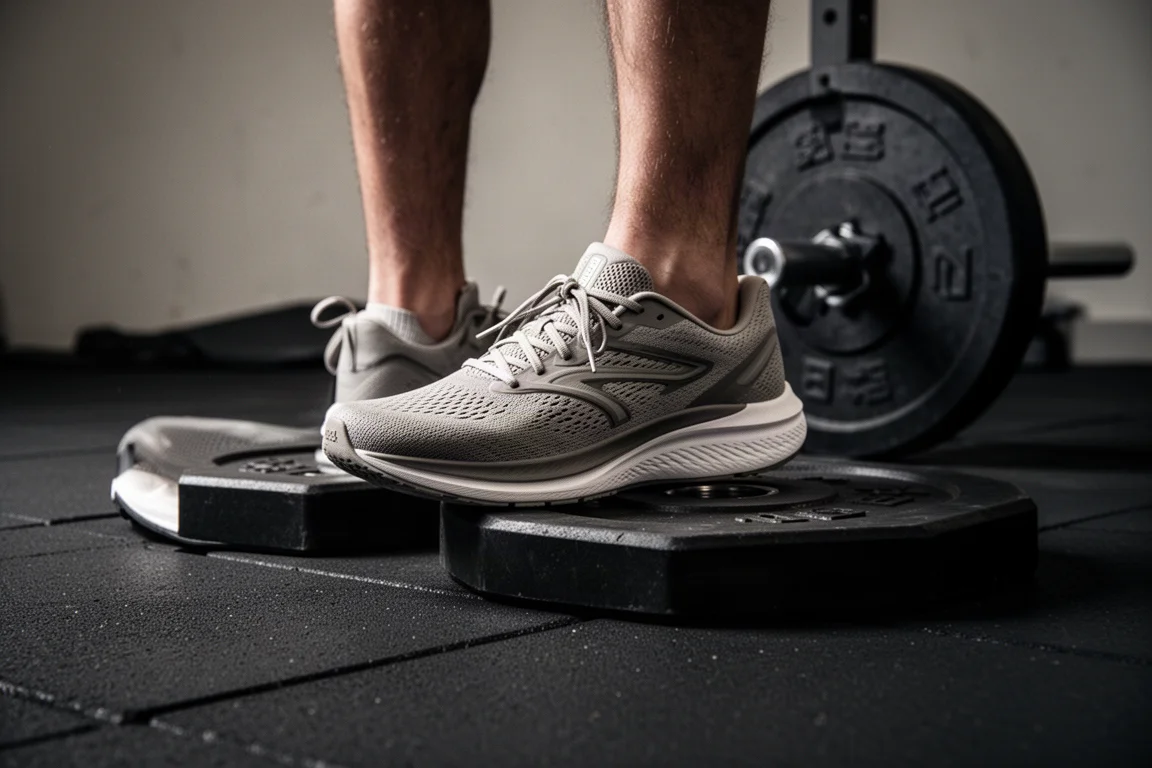
Third, the wider toe box combined with the waffle outsole provides a solid, stable platform. There is plenty of room up front for good footplay, and that wider platform translates into genuinely good stability in the gym for weights sessions, and you can really feel it when cornering. Durability remains a Pegasus hallmark too, with an expected lifespan of around 500 to 600 miles.
Things to Consider Before Buying
This is not a fast shoe. If you are looking for something for speed work or races, this is not the one. The Pegasus 41 is built for all-around comfort and durability, and there are far better options if you want an all-out speed shoe.
The second consideration is the significant price hike. It moves the shoe out of that lower budget tier into mid-tier territory, where it now competes directly with shoes like the Asics Novablast and similar max-cushion daily trainers. That is much tougher competition, because Nike traditionally undercut everyone with the Pegasus, and the shoe now sits slap bang in the middle of a super competitive daily trainer market. Heel strikers in very hot climates may also want to think about airflow, though in UK summer conditions the upper was absolutely fine.
Buying Advice
If you are the type of runner who runs two to three times a week, wears the same shoe at the gym, plays other sports in it, travels with it and wears it shopping, this is a solid 7 out of 10 all-rounder. If you liked previous versions, you will like this one. If you are choosing between this and the discounted Pegasus 40, go for the 41: it is a massive step up, with far more fun and engaging foam in the ride.

More serious runners looking for a livelier ride should consider the Nike Zoom Vomero instead, which uses ZoomX foam in the midsole for a faster, more reactive feel while keeping the durability of the line. Beyond Nike, the Hoka Arahi and Asics Novablast sit at the same price point with foams that are lighter, more responsive and more cushioned than React X, and that is where some runners would rather spend their money. At 27 mm of forefoot stack, the Pegasus is now actually quite minimal by modern standards, which makes it appealing for anyone wanting a bit more ground feel and an old-school ride away from the max-stack trend. The rumored upcoming Pegasus Turbo, with more ZoomX foam, is one to watch as well.
Conclusion
The Pegasus 41 is the classic do-it-all shoe: perfect for beginner, novice or casual runners, or the more advanced runner looking to step away from max-stack shoes for something with more feel. The foam has been tweaked for the better, no doubt, and it remains a perfectly fine, acceptable daily trainer. Whether it justifies the higher price depends on your priorities, because at this price the competition is fierce. For everyday easy runs, gym work and general wear, though, it remains one of the most dependable all-rounders you can buy.
Product link
View more details for Nike Pegasus 41
This product is mentioned in the review. Check the specifications, options, and compatibility before buying.
View more details for Nike Pegasus 41Further reading
Related Reviews

Running Shoes
Best Road-to-Trail Running Shoes: Three Versatile Options for Mixed Terrain
A practical guide to three road-to-trail running shoes that handle both pavement and mild trails, with clear strengths and trade-offs for different runner types.

Running Shoes
Best Running Shoes for Achilles Tendonitis: Three Options Explained
Three running shoes with different heel drops and support features designed to help reduce Achilles tendon pain during walking and running.

Running Shoes
Best Running Shoes for Women: Five Top Choices Ranked
A ranked guide to five women's running shoes, from versatile daily trainers to high-performance racing options, with real strengths and trade-offs for each.