Running Shoes
Nike Pegasus 41 Review: 100 Miles Later, Still the Same Reliable Workhorse
A full 100-mile test of the Nike Pegasus 41 daily trainer covering comfort, grip, durability, and who should actually buy it.
Introduction
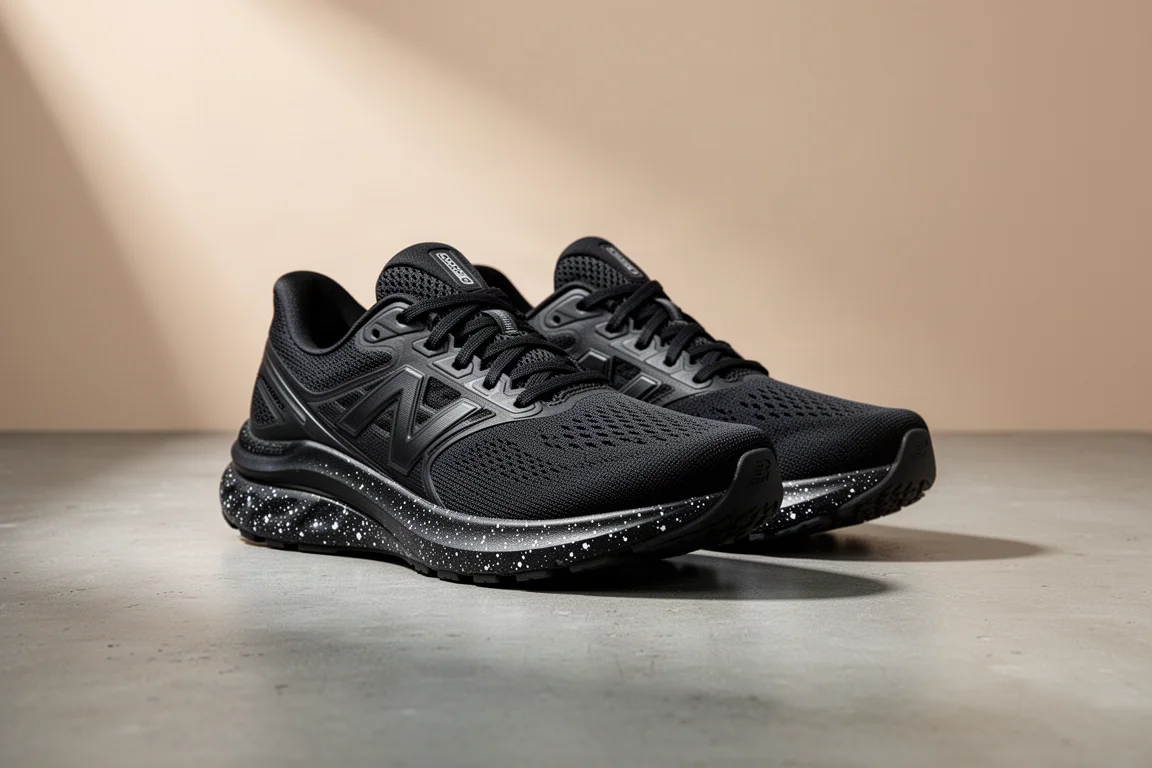
The Nike Pegasus 41 was put through a full 100-mile week, including double days, a 20-mile long run, threshold work, and plenty of easy recovery miles. The result is a shoe that does exactly what it has always done: it is simple, reliable, and consistent. It is also, by modern standards, a shoe past its prime.
This is not a shoe designed to blow you away. There is no plate, no race-day foam, and nothing above 40mm of stack height. It is designed to eat up mileage every day and respond the same way on every run, on every surface, in every condition.
Who the Pegasus 41 Is For
This is a workhorse daily trainer in the truest sense. It suits runners who want a no-frills shoe that feels like an extension of their foot and never changes character, regardless of pace or distance.

It works best for shorter, regular runs. For 30 to 45 minute efforts at a moderate pace, it is protective and dependable. The foam gives more of a planted, dense squish than a bouncy ride, closer in feel to firmer performance foams of previous generations. It feels best when the pace picks up; it is not harsh at slow paces the way a race-day shoe can be, but it clearly wants to move faster than easy marathon-training speed.
How the Foam Feels Over the Week
Across the 100-mile week, the ReactX foam proved remarkably consistent. Early runs showed almost no change in character, and by the 30-mile mark it started to soften slightly and break in, but never dramatically.
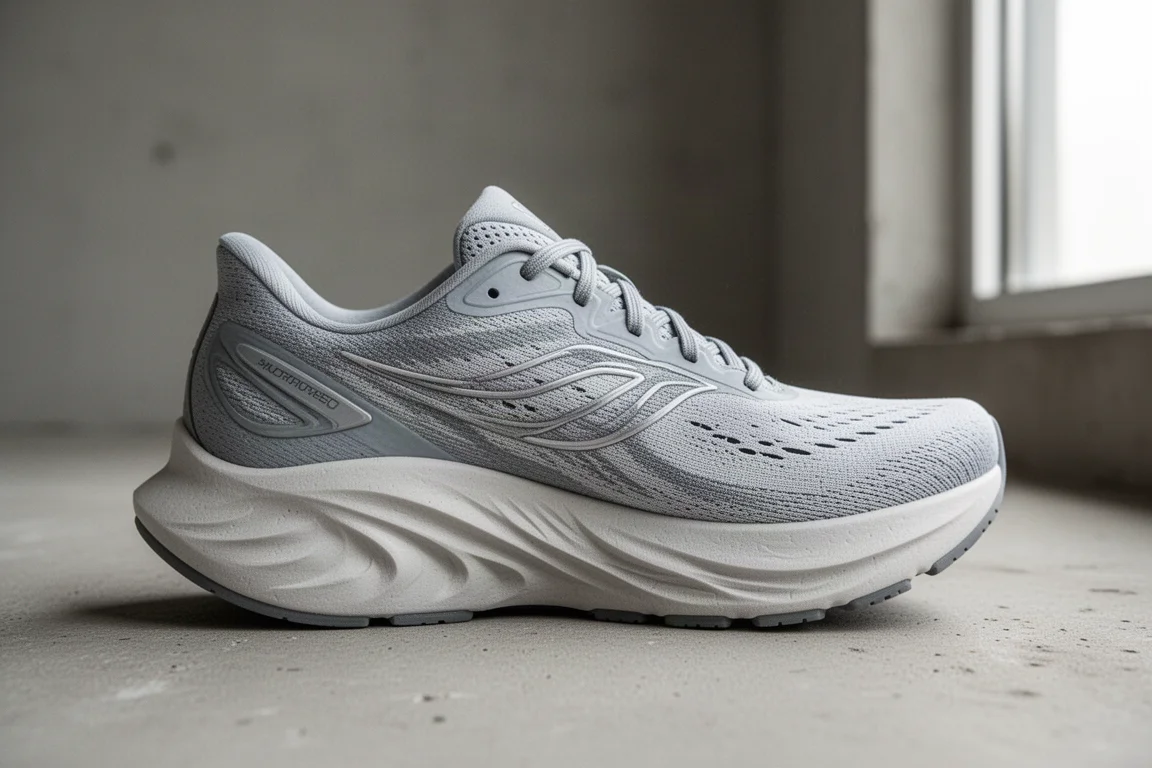
The main limitation showed up on long runs and tired-leg doubles. On the 20-mile long run, perceived effort was noticeably higher than in more cushioned modern trainers: a pace that felt like 7:40 per mile was actually 8:10. More importantly, the legs took more of a beating. For high-mileage weeks and marathon training, shoes with more foam and impact absorption leave you feeling far better the next day.
Strengths: Grip and Build
The outsole is one of the genuine highlights. Grip is excellent, including in wet weather, with a textured pattern and raised teeth on each lug that make the tread feel thoughtfully engineered. The rubber is thick enough that it should not eat into the foam until well past 200 miles.
Durability and Grip After 100 Miles
At 101 miles, the shoe held up well. The upper showed no visible signs of wear, the midsole felt basically the same as it did out of the box, and the outsole showed wear only in the classic heel-strike zone, where the rubber had thinned noticeably.
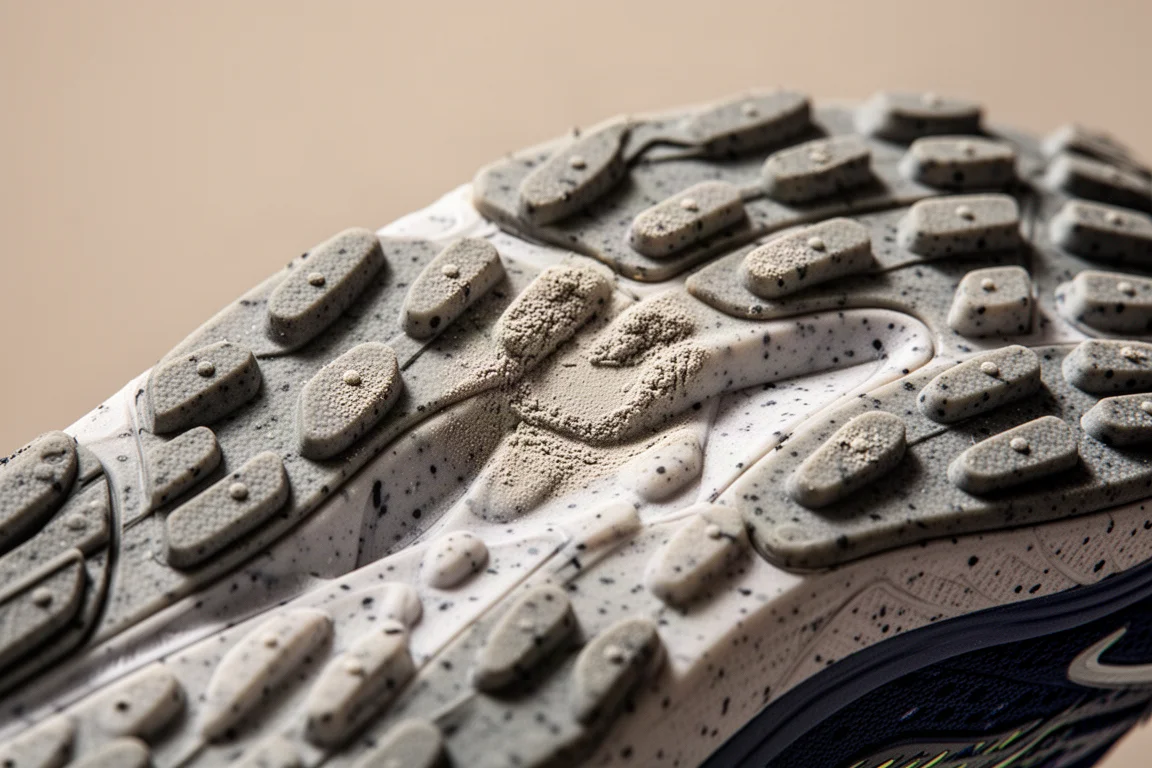
Even with heel wear, the outsole rubber is thick enough that the foam should stay protected for a long time. Durability is not a concern here; this shoe is built to be beaten into the ground.
Things to Consider Before Buying
The honest criticism is that this shoe does nothing for you. If you feel slow and sore, it will feel slow and sore. If you feel fresh, it will feel fine. There is no bounce, no pop, and no assistance, just neutral protection underfoot.
For runners doing high mileage, long runs, or marathon training, modern max-cushioned and plated trainers absorb more impact and leave more in the tank. The Pegasus 41 is not actively harmful, and it carries no injury risk in normal use, but there is nothing in it that unlocks a level of running you could not achieve otherwise.
Buying Advice: Modern Alternatives Worth Considering
Two types of buyers still make sense for the Pegasus 41. First, longtime Pegasus loyalists who specifically want the unchanging, no-frills ride they have always known. Second, newer runners who only run short, easy distances and simply like the look and the brand.
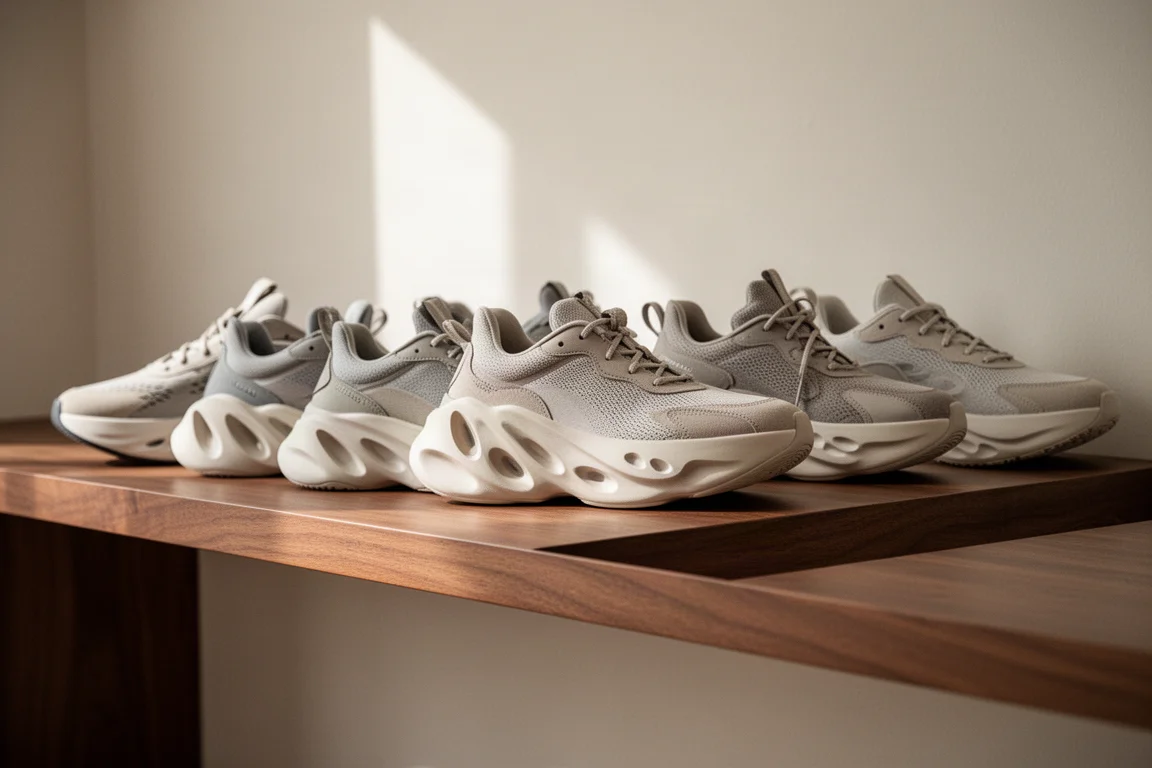
Everyone else should look at more cushioned, more modern options. In the Nike lineup, the Vomero 17, Zoom Structure 25, and Invincible offer more comfort and protection. Outside of it, well-cushioned daily trainers and bouncier options like the Puma Velocity Nitro 3 give more for the same job, and plated or max-cushioned trainers such as the Saucony Endorphin Speed 4 category or super-cushioned trainers provide far better impact absorption for long runs.
Conclusion
The Pegasus 41 is a completely fine shoe, and durability, grip, and consistency are genuinely strong. But it is past its prime for serious training. Buy it if you want simple, familiar, and unremarkable. If you want your shoes to protect your legs and make high mileage easier, there are far better choices in 2026.
Product link
View more details for Nike Pegasus 41
This product is mentioned in the review. Check the specifications, options, and compatibility before buying.
View more details for Nike Pegasus 41Further reading
Related Reviews

Running Shoes
Best Road-to-Trail Running Shoes: Three Versatile Options for Mixed Terrain
A practical guide to three road-to-trail running shoes that handle both pavement and mild trails, with clear strengths and trade-offs for different runner types.

Running Shoes
Best Running Shoes for Achilles Tendonitis: Three Options Explained
Three running shoes with different heel drops and support features designed to help reduce Achilles tendon pain during walking and running.

Running Shoes
Best Running Shoes for Women: Five Top Choices Ranked
A ranked guide to five women's running shoes, from versatile daily trainers to high-performance racing options, with real strengths and trade-offs for each.