Running Shoes
Nike Pegasus 40 vs Puma Velocity Nitro 3: Which Daily Trainer Wins?
Two cushioned daily trainers with nearly identical weights and drops, but one stands out for versatility, comfort, and value.
Introduction
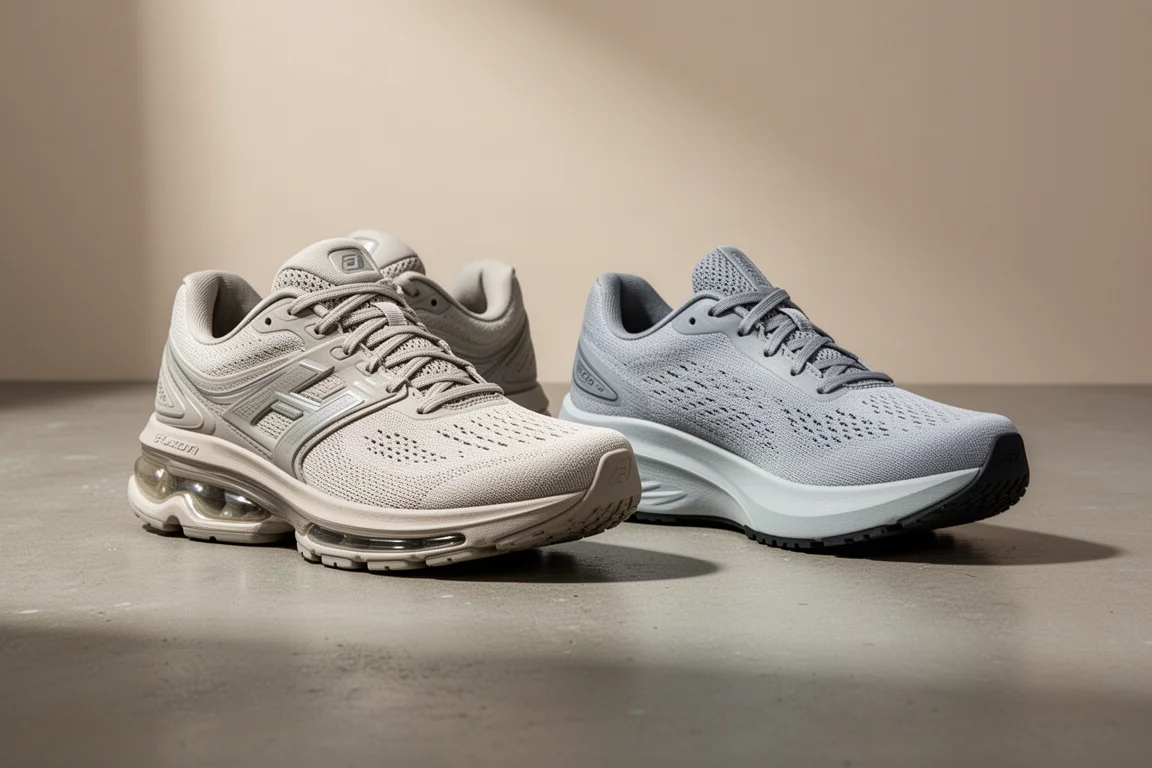
The Nike Pegasus 40 and Puma Velocity Nitro 3 occupy almost exactly the same space: cushioned daily trainers sitting in the middle of their respective brands’ ranges, designed to tick off everyday miles in comfort without costing premium-shoe money. On paper they are strikingly close. Both have a 10 mm drop, and their weights differ by a single gram, with the Velocity Nitro 3 at 271 g (9.6 oz) and the Pegasus 40 at 272 g (9.6 oz) for men in a US size 8 equivalent.
But running in them reveals a clearer picture. The Pegasus 40 is a solid, durable workhorse that does the job, while the Velocity Nitro 3 adds genuine versatility and a livelier foam at a lower list price. This comparison breaks down where each shoe excels and where the differences actually matter.
Pricing and Key Specs
The Puma Velocity Nitro 3 costs $135 at list price. The Nike Pegasus 40 costs $130 at list price. Both shoes weigh around 9.6 oz for men in a size 8, and both use a 10 mm heel-to-toe drop, so neither shoe offers a spec-sheet advantage worth chasing on its own.
Both brands discount these models regularly, and previous versions are worth considering too. The Velocity Nitro 2 has been seen at steep discounts, around £50, which is exceptional value given how similar it is to the third version. Likewise, the Pegasus 39 is a fine alternative if you can find it cheaper than the 40.
Puma Velocity Nitro 3: The More Versatile Ride
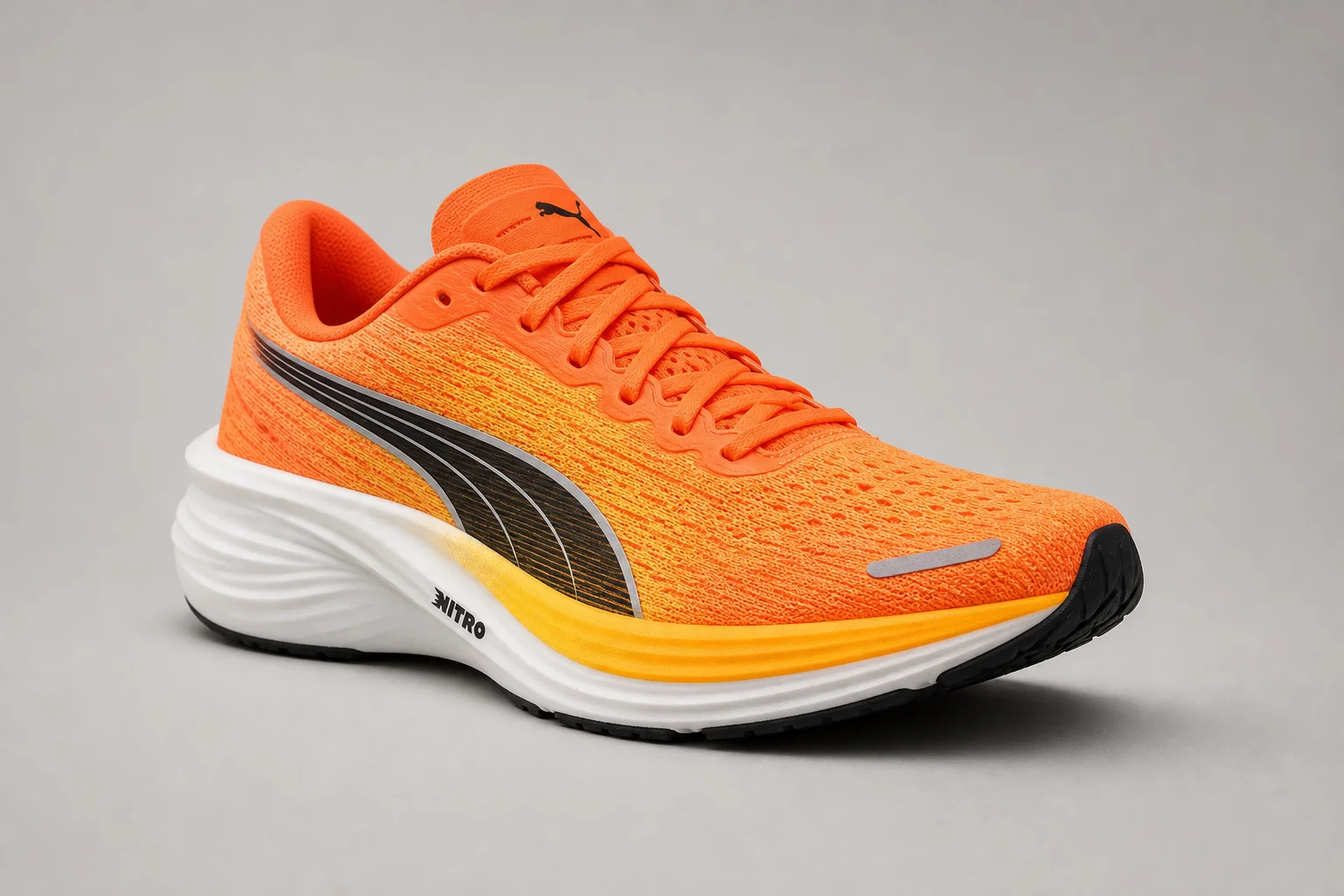
The Velocity Nitro 3 is not a major overhaul of the hugely popular Velocity Nitro 2. Puma instead made a few targeted adjustments: a slight increase in the amount of dual-density midsole foam to improve comfort, a modified padding design around the heel, and new power tape strips on the upper for better structure and support. The added foam nudges the weight up slightly, but the result is a smoother overall experience.

The Nitro foam is the standout. It is softer and more comfortable than the foam in the Pegasus, yet it is also bouncier, more lively, and lighter. Despite carrying a thick, high-quality outsole, the shoe still feels nimble. The 10 mm drop transition feels smooth, and when you try to pick up the pace, the Velocity responds noticeably better. It is also comfortable for very relaxed runs.
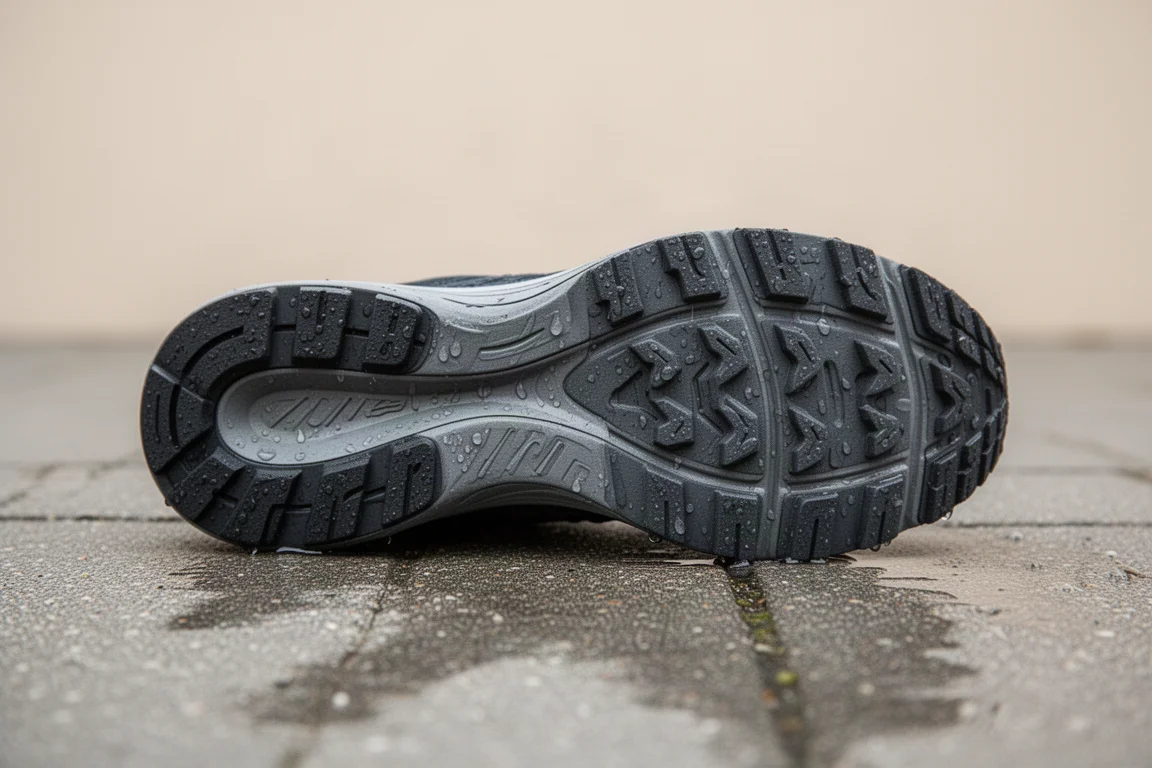
Puma’s excellent PUMA Grip outsole rubber covers the shoe impressively, tackling all conditions including lighter trails, and it grips particularly well on wet pavement. If you could only take one pair of shoes on a training trip, this is the one that can handle easy runs, long runs, and faster sessions without compromise.
Nike Pegasus 40: The Solid Workhorse
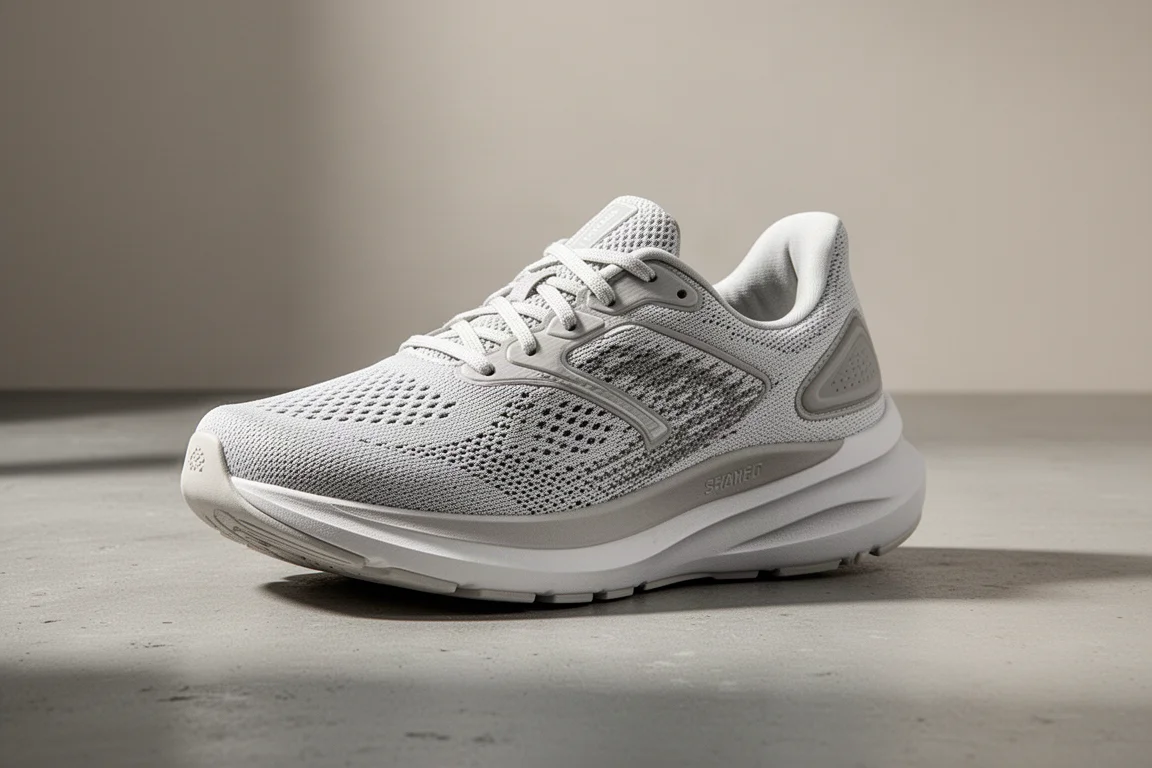
The Pegasus 40 has long been Nike’s affordable daily trainer for ticking off miles in comfort. It combines a moderate amount of React foam for cushioning with two Air Zoom units in the forefoot for added bounce and responsiveness. The React foam rides slightly firmer, which improves stability and support for runners who want added security.
The most recent changes focus on the upper: a single mesh layer with an integrated midfoot band that aims to be comfortable while providing good lockdown. The outsole has a generous layer of rubber that protects the midsole and delivers solid grip on varied road surfaces and even lighter trails.
Here is the honest assessment: the Pegasus 40 is fine. It is solid, comfortable, durable, and reasonably priced for what it does. But it is not a particularly exciting shoe. You can kick off the miles without issues, yet it does not give much energy back. It lacks enough cushioning under the forefoot for comfortable speed work, and the midsole does not offer enough return to make it a good pick for long runs beyond roughly half marathon distance. It is best treated as an easy-day cruiser.
Grip and Durability
Both shoes have very good outsoles, so this is not a huge differentiating factor. The Pegasus 40 outsole is durable, grips well on wet roads, and can handle lighter trails. The Puma’s PUMA Grip outsole edges it slightly, gripping especially well on wet pavement, and it achieves that while keeping the shoe light.
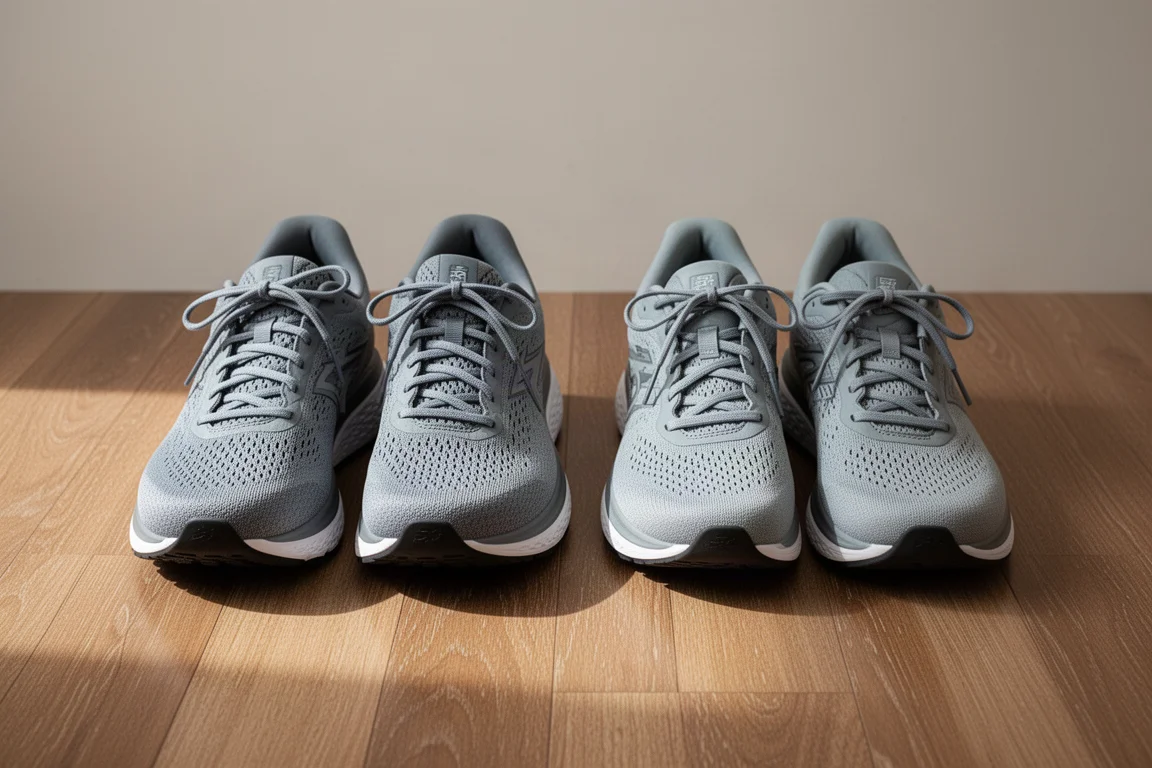
On durability, the Pegasus may last marginally longer overall, but there are no real durability concerns with the Velocity Nitro 3 based on previous generations of that line.
Fit and Sizing
Both shoes fit true to your normal running shoe size, with testers finding them comfortable in their usual UK sizing and noting plenty of forefoot room in both. The key difference is width: the Velocity Nitro 3 is a notably narrower shoe. Runners with narrow or average-width feet will be fine in either, but if you have wide feet, the Pegasus 40 is the safer pick. Its slightly wider fit may also add a touch of stability, though neither shoe raises stability concerns.
Both have well-padded heels that hold the midfoot nicely without irritating the Achilles.
The Verdict
The Velocity Nitro 3 wins this comparison clearly. It is a bit lighter in feel, its Nitro foam is softer, bouncier, and livelier, and it transitions more smoothly across easy runs, long runs, and faster efforts. It also punches above its price, competing with noticeably more expensive trainers. At $135 list, it is one of the cheapest genuinely good daily trainers available.

The Pegasus 40 is not a bad shoe. It is a comfortable, durable daily trainer and good value if you find it discounted, especially as a first running shoe or a budget-friendly option. But paying full price is harder to justify when the Pegasus 39 is a slightly lighter, very similar alternative, and when the Velocity Nitro 3 simply delivers more for similar money.
If your budget is the deciding factor and you spot either shoe heavily discounted, both are worth owning. But if you are comparing them at like-for-like prices, the Puma Velocity Nitro 3 is the pick all the way.
Conclusion
Two closely matched daily trainers, two very different personalities. The Nike Pegasus 40 remains a dependable, cushioned workhorse for easy miles, while the Puma Velocity Nitro 3 offers a livelier, more versatile, and more comfortable ride at a competitive price. For most runners comparing these two, the Velocity Nitro 3 is the better all-around choice, and even better value if you snag the Velocity Nitro 2 on sale.
Further reading
Related Reviews

Running Shoes
Best Road-to-Trail Running Shoes: Three Versatile Options for Mixed Terrain
A practical guide to three road-to-trail running shoes that handle both pavement and mild trails, with clear strengths and trade-offs for different runner types.

Running Shoes
Best Running Shoes for Achilles Tendonitis: Three Options Explained
Three running shoes with different heel drops and support features designed to help reduce Achilles tendon pain during walking and running.

Running Shoes
Best Running Shoes for Women: Five Top Choices Ranked
A ranked guide to five women's running shoes, from versatile daily trainers to high-performance racing options, with real strengths and trade-offs for each.