Running Shoes
Nike Pegasus 40 vs Puma Velocity Nitro 2: Which Daily Trainer Deserves Your Money?
Two cushioned daily trainers with near-identical specs but very different rides. Here is how the Pegasus 40 and Velocity Nitro 2 compare after hands-on testing.
Introduction
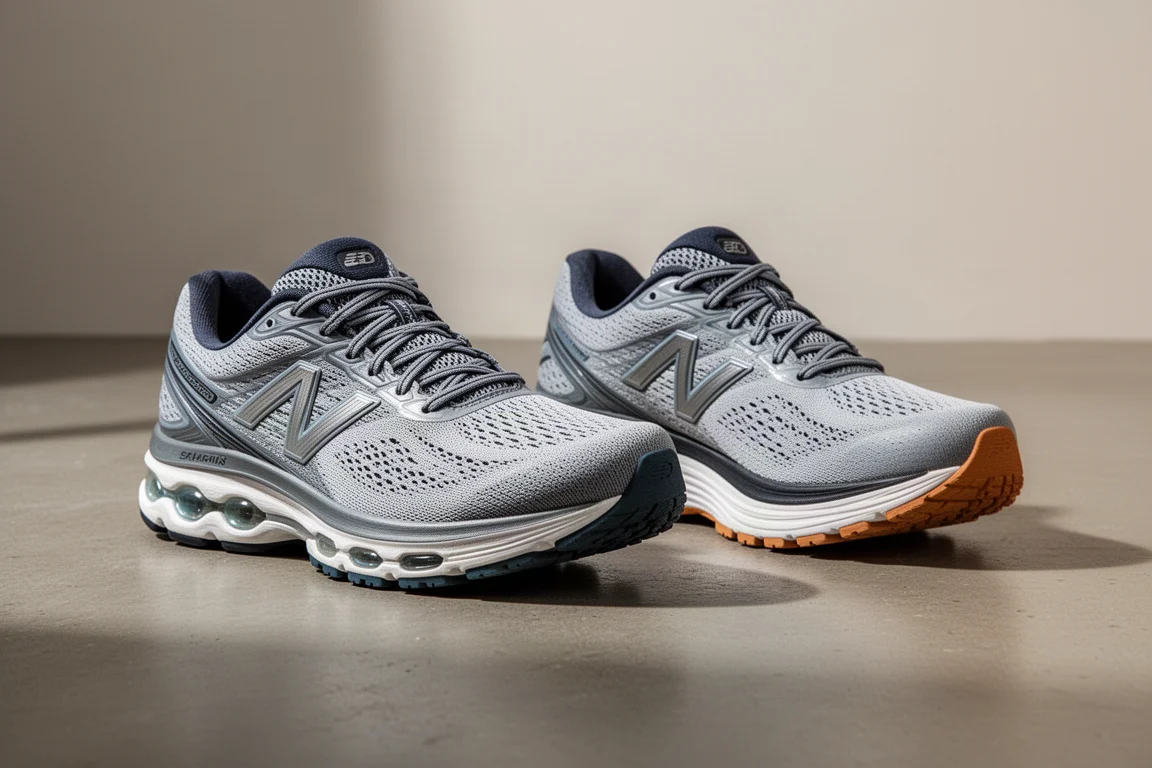
The Nike Pegasus 40 and the Puma Velocity Nitro 2 occupy the same corner of the running shoe market: cushioned daily trainers built to handle a wide variety of runs at a price that undercuts much of the competition. On paper they look almost interchangeable, with similar stack heights, an identical 10mm heel-to-toe drop, and outsoles that both punch well above their price. On the foot, however, they feel noticeably different, and that difference is what decides this comparison.
Two Trainers, Same Job
Both shoes are designed to be comfortable daily workhorses rather than fast race tools. The Pegasus 40 weighs 292 grams (10.3 oz) in UK size 9, while the Velocity Nitro 2 is a touch lighter at 271 grams (9.55 oz) in the same size. Both share a 10mm drop, with the Pegasus sitting at 33mm in the heel and the Puma at 34mm.
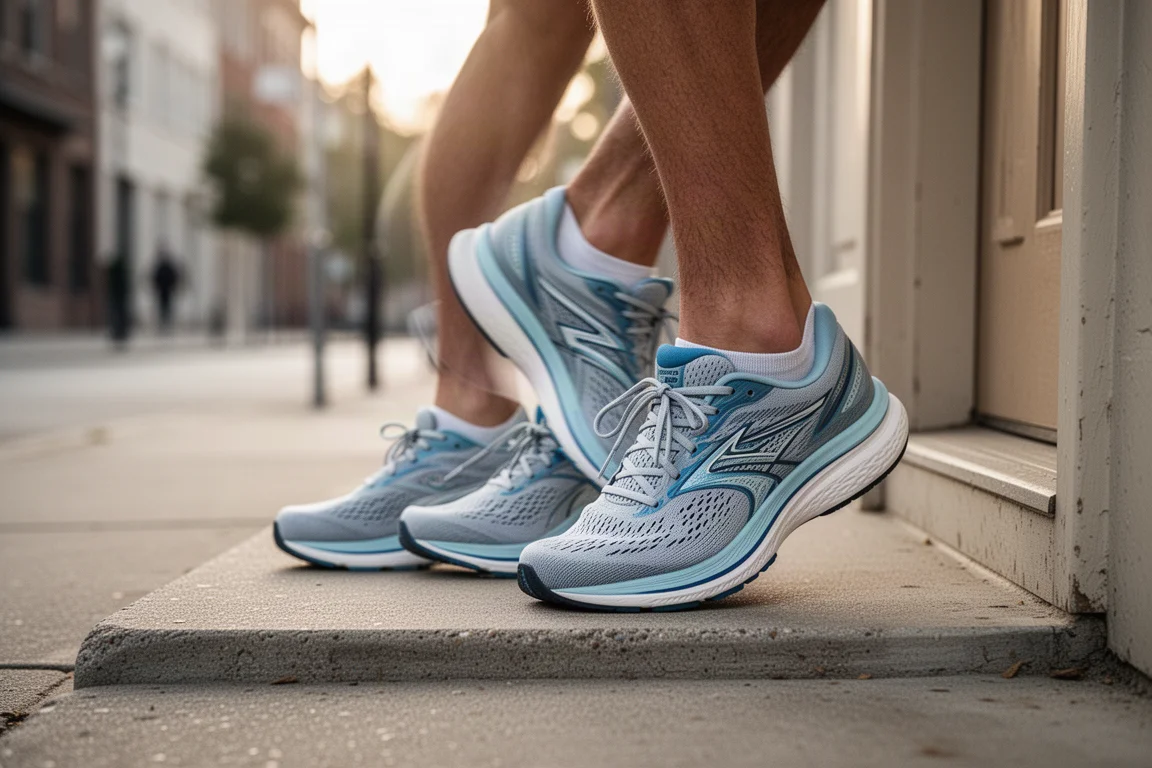
Pricing is close but favours the Puma: the Velocity Nitro 2 launched at £105 in the UK and $120 in the US, while the Pegasus 40 sits at £115 or $130. Both shoes are frequently found in sales, which matters, because this is a category where discounts are common and value is part of the appeal.
Fit and Comfort
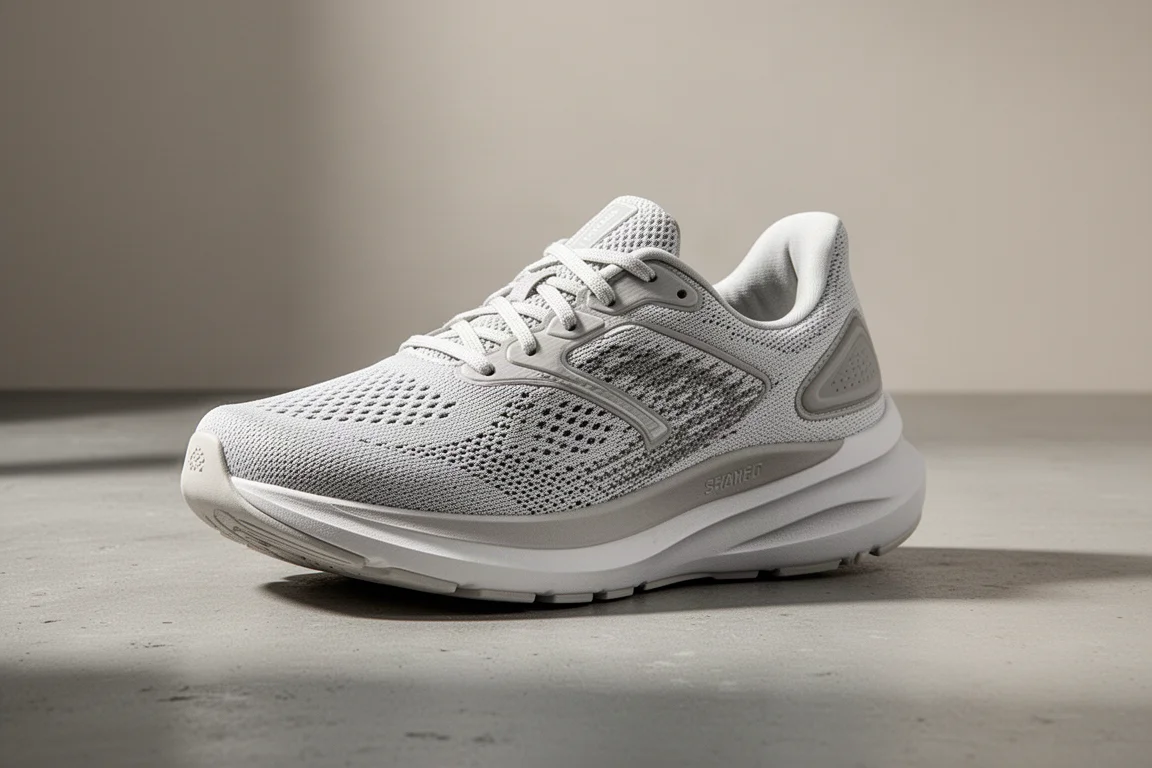
Sizing is refreshingly simple with both shoes. In standard UK 9 / US 10 sizing, neither required going up or down a half size, and both delivered a reliable lockdown with no heel rub. Toe boxes are roomy in both cases, with slightly more wiggle room in the forefoot on the Pegasus.
The uppers feel similar in character: both are hugging, wrap-around mesh designs with generous collar padding. The Pegasus has a plusher, more padded tongue and a substantial heel counter for added stability, while the Velocity Nitro 2 runs a thinner tongue and opens up slightly more at the toes. Overall padding at the collar is very comparable, and most runners should be perfectly happy going true to size in either shoe. One oddity: the Puma is listed as EU 43 in UK 9 / US 10, where a UK 9 is usually an EU 44, but fit in the normal US size is unaffected.
Midsole and Ride Feel
The Pegasus 40 pairs a React foam midsole with two Air Zoom pods, one under the forefoot and one under the heel, intended to add responsiveness to a foam that is not the liveliest in Nike’s lineup. The result is a smooth, stable and very consistent ride that soaks up long time on your feet, but it is not particularly exciting. There is a reasonable snap if you try to lift the pace, but the midsole lacks genuine pop.
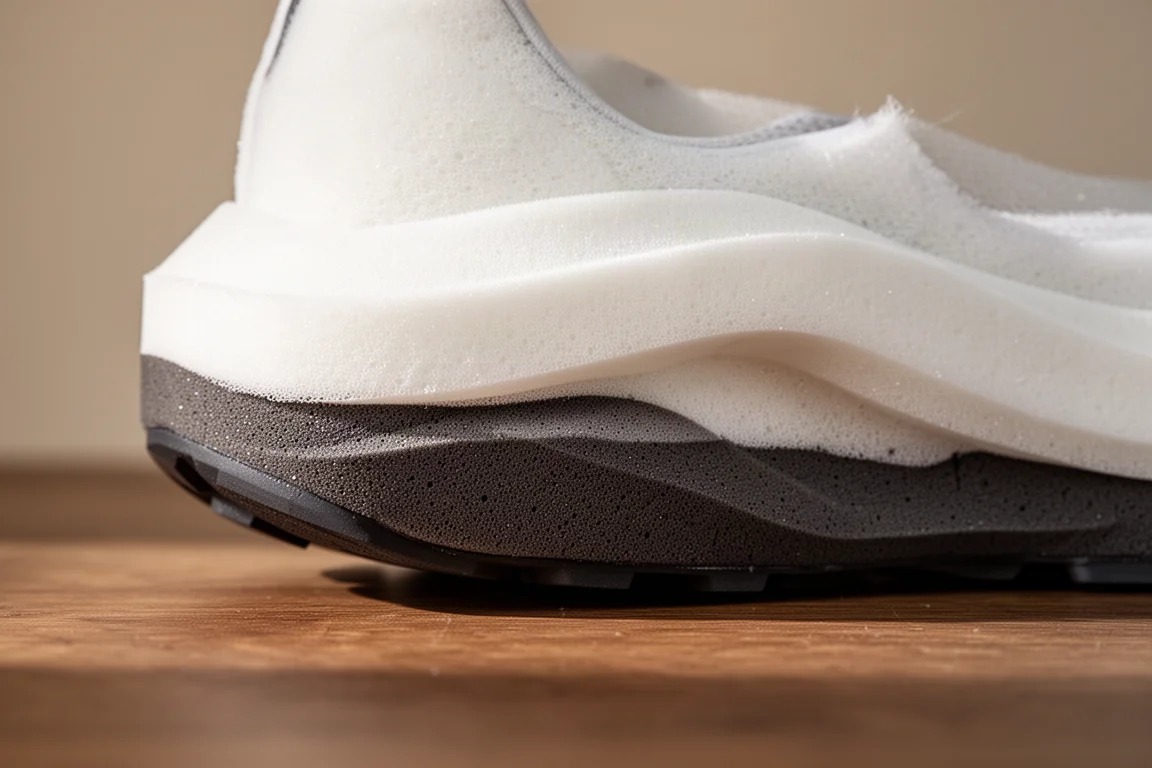
The Velocity Nitro 2 uses a dual-density setup: a nitrogen-infused Nitro TPE foam top layer that is softer and bouncier, sitting over a firmer ProFoam Light EVA base. On the foot this translates to more comfort on easy runs, a smoother and faster transition, and a little more bounce off the toes when you push the pace. It is not a dramatic wow-factor shoe either, but it simply gives you more back than the Nike at every pace.
Upper and Build Quality
Build quality is where the gap widens. The Velocity Nitro 2 feels like a premium shoe, comparable in finish to something like the New Balance Fresh Foam 1080 line. The Pegasus 40’s upper has long felt a step cheaper than other shoes in the same category, and that impression holds here. The Puma is likely the slightly less breathable of the two, and the Pegasus is arguably a touch more supportive through the midfoot, but on overall construction the Puma feels a class above its price.
Versatility: Which Shoe Can Do More?
The Pegasus 40 is best treated as a pure daily trainer. At faster paces, such as interval sessions around four-minute kilometre pace, it struggles to deliver the pop that makes hard efforts enjoyable, and it never feels like a shoe you would choose for tempo work. It cruises happily through easy and long runs, but that is where its ceiling sits.

The Velocity Nitro 2 is more versatile. It handles the same easy and long runs comfortably, yet the livelier midsole makes it a genuine option for the occasional faster session or interval workout. If you want a single shoe that can stretch across a wider range of paces, the Puma does more. If you specifically want the most stable option of the two, the Pegasus edges it, thanks to its firmer and more planted midsole, but that is about the only category it wins.
Grip, Durability, and Stability
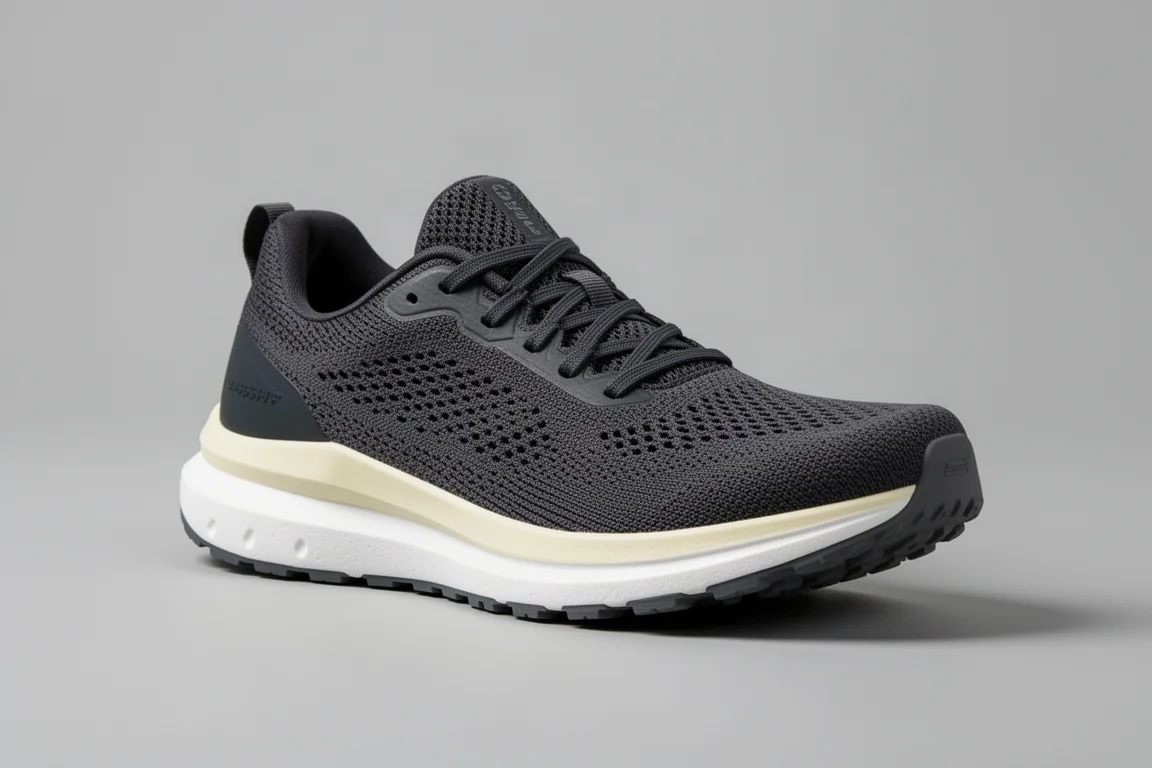
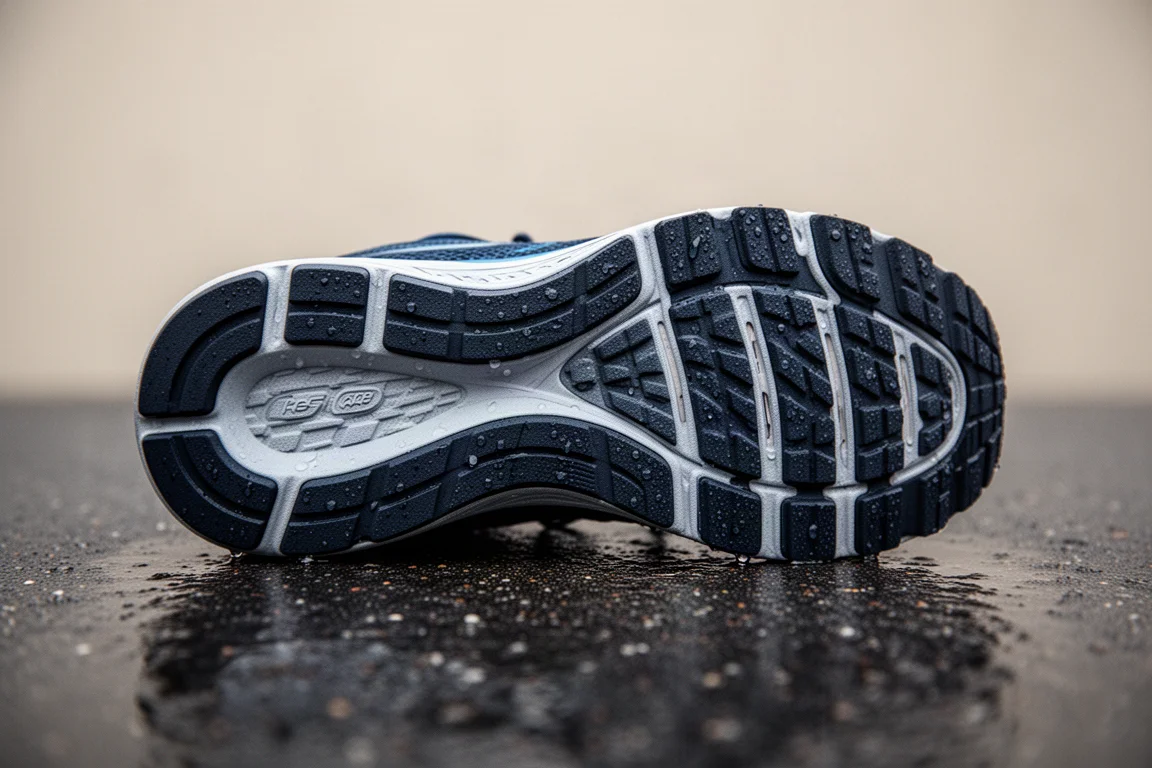
Both outsoles are excellent. The Pegasus 40 uses a rubber outsole with waffle-inspired tread and a thick layer of rubber for good grip and durability. The Puma’s PumaGrip rubber outsole offers similarly full coverage, and it delivers outstanding grip and durability, with a slight edge on light trails and very wet roads. Neither shoe has an aggressive rocker, and the geometry is conservative in both cases.
Both shoes also feel genuinely stable without being overly firm, the midsoles holding the foot in place well. That makes them both strong choices for beginners or anyone who wants a soft, cushioned shoe that never feels wobbly underfoot.
Buying Advice
If you simply want a solid, durable workhorse to tick off the miles, both shoes will do the job, and neither is among the most expensive in the category. Both are regularly discounted, and at sale prices the Velocity Nitro 2 becomes especially compelling, with the Puma at times dropping to as low as £50, which is remarkable value for this level of shoe.
But when forced to choose, the Velocity Nitro 2 is the better shoe: it is cheaper, lighter, better built, more versatile across paces, and more enjoyable to run in. The Pegasus 40 is a very solid option and a little more stable, and if you loved the Pegasus 39, it is more of the same, but it is hard to find a reason to pick it over the Puma unless stability is a real concern or you are simply loyal to the Pegasus line.
Conclusion
The Nike Pegasus 40 and Puma Velocity Nitro 2 share almost the same blueprint: similar stack heights, the same drop, strong outsoles, and a comfortable fit that works true to size for most runners. The difference is in the ride. The Puma’s dual-density Nitro midsole is softer on easy runs, more responsive at speed, and simply more fun to run in, while the Nike stays smooth and stable but feels dull by comparison. For a cushioned daily trainer that covers everything from slow miles to the occasional faster session, the Puma Velocity Nitro 2 is the pick, and the fact that it often costs less only strengthens the case.
Further reading
Related Reviews

Running Shoes
Best Road-to-Trail Running Shoes: Three Versatile Options for Mixed Terrain
A practical guide to three road-to-trail running shoes that handle both pavement and mild trails, with clear strengths and trade-offs for different runner types.

Running Shoes
Best Running Shoes for Achilles Tendonitis: Three Options Explained
Three running shoes with different heel drops and support features designed to help reduce Achilles tendon pain during walking and running.

Running Shoes
Best Running Shoes for Women: Five Top Choices Ranked
A ranked guide to five women's running shoes, from versatile daily trainers to high-performance racing options, with real strengths and trade-offs for each.