Running Shoes
Nike Pegasus 40 vs Hoka Clifton 9: Which Daily Trainer Deserves Your Money?
Two of the most popular cushioned daily trainers go head to head on weight, ride, fit, durability, and which runner each one actually suits best.
Introduction
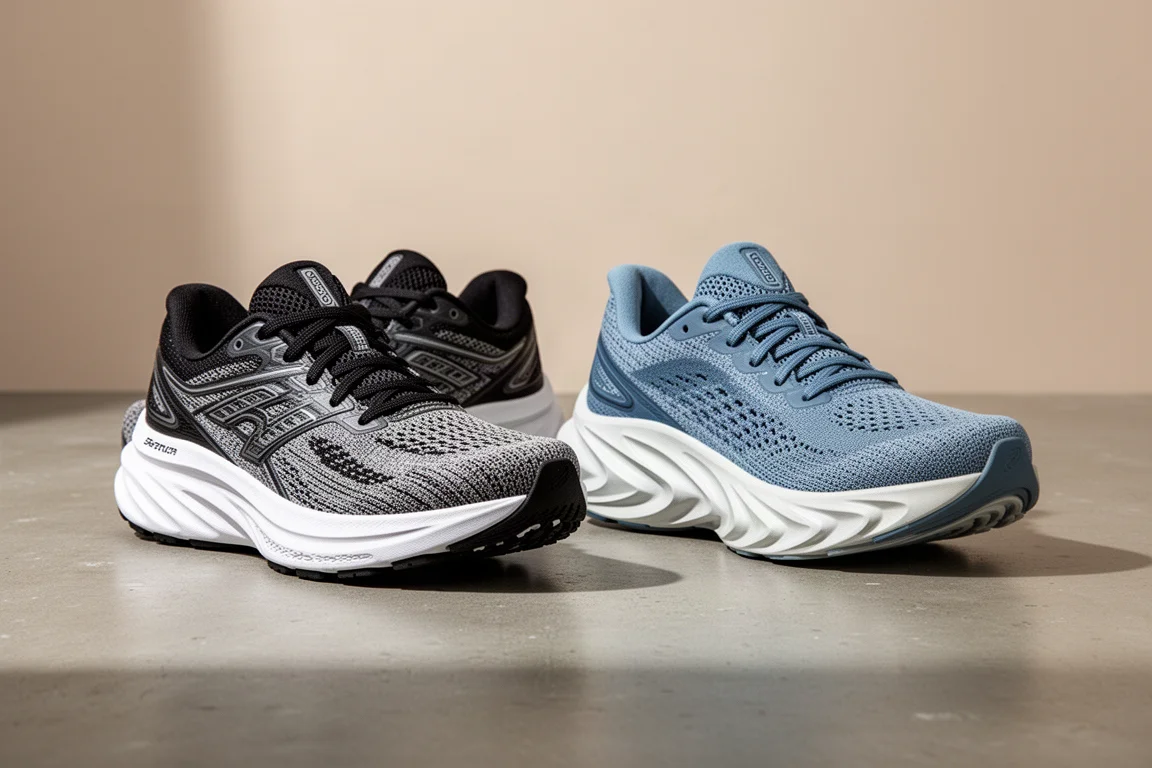
If you are shopping for a cushioned daily trainer that can handle easy runs, recovery days, and the occasional longer effort, two names almost always come up: the Nike Pegasus 40 and the Hoka Clifton 9. Both are designed to be the one shoe that does a bit of everything, and both have loyal followings for exactly that reason.
But they are not the same shoe, and the differences matter more than the spec sheet suggests. One offers a traditional, stable ride with outstanding outsole grip. The other is lighter, softer underfoot, and rolls along more smoothly. Here is how they compare on the details that actually affect your running.
Nike Pegasus 40: The Familiar Workhorse
The Pegasus 40 costs £124.95 or $130, weighs 272 grams (9.6 oz) for men in a size 8, and has a 10mm heel-to-toe drop. It has long been Nike’s affordable workhorse daily trainer, built for stacking miles in comfort.
The shoe combines a moderate amount of Nike React foam for solid cushioning with two Air Zoom units for added bounce and responsiveness. The result is a balanced ride that aims to cover a wide range of sessions, from short recovery efforts to long runs. The React foam feels slightly firmer, which improves stability and support for runners who want extra security.
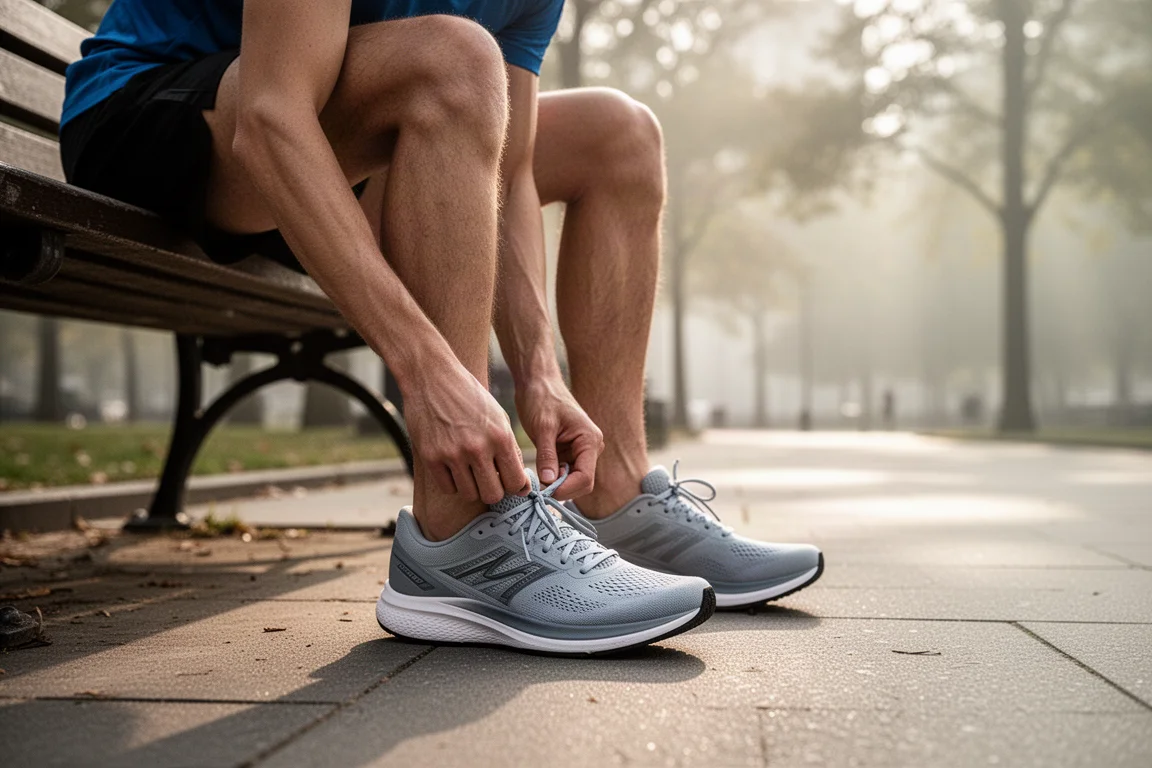
The upper is where this version sees the most change, with a single mesh layer that includes a midfoot band for comfort and lockdown. On the bottom, there is a generous layer of rubber that protects the midsole foam and delivers excellent grip on varied road surfaces and even lighter trails.
The honest caveat: the Pegasus 40 changed very little compared to the Pegasus 39, apart from a slightly heavier upper and a higher price. The performance is still good, but if you already own the previous version, the update is thin.
Hoka Clifton 9: A Genuine Step Forward
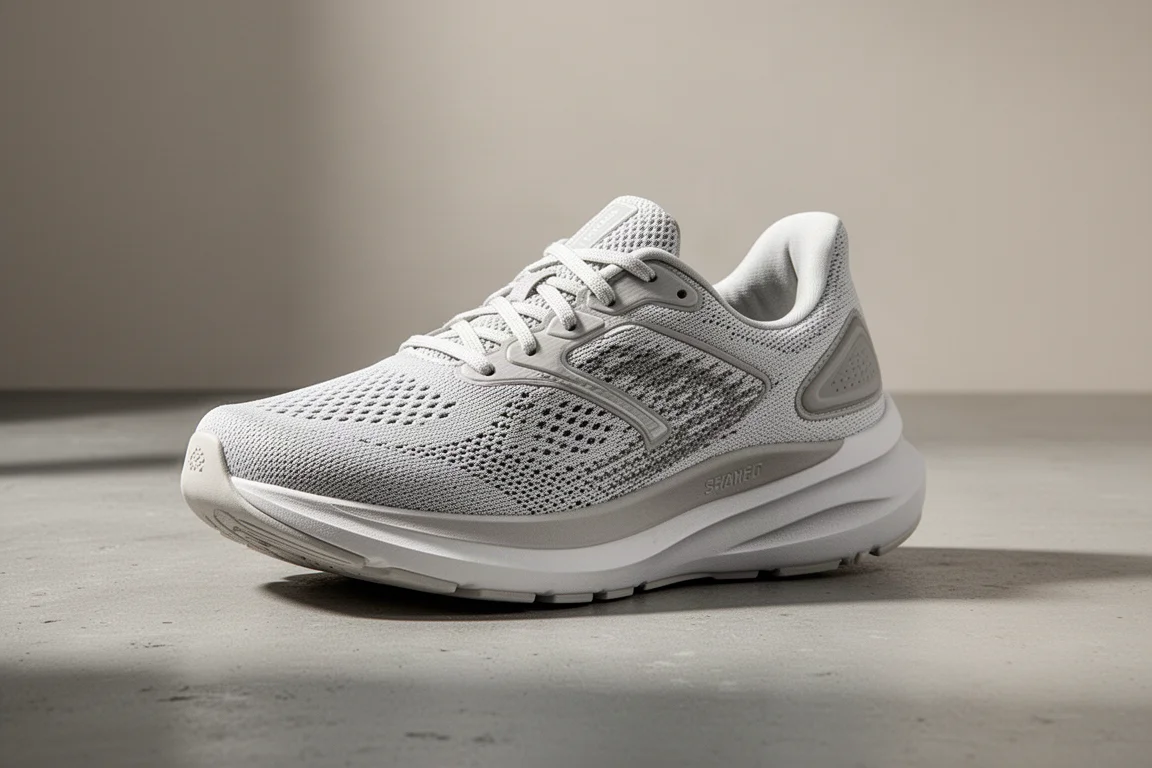
The Clifton 9 costs £130 or $145, weighs 247 grams (8.7 oz) for men in a size 8, and drops 5mm heel to toe. This version was updated specifically to be lighter and more cushioned than its predecessor, and that update shows.
It features a softer compression molded EVA foam midsole, a breathable engineered knit upper, and a gusseted tongue. An early-stage meta rocker improves the heel-to-toe transition, and the geometry is designed to improve stability. The outsole has a modest covering of rubber for grip and durability.
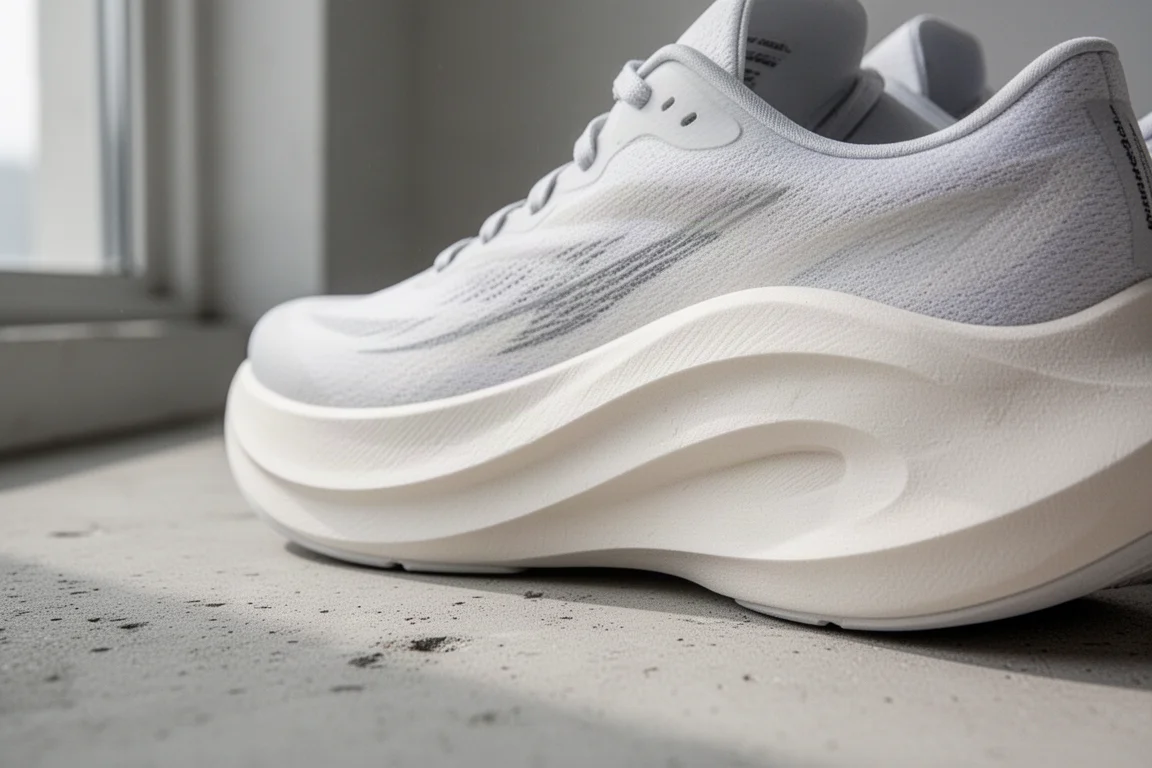
This is widely seen as one of Hoka’s best updates to a long-running silhouette. The foam feels softer and the ride is smoother and more enjoyable than earlier Cliftons, which many found uninspiring. It suits daily cruising best, handles the occasional faster session acceptably, and works well as a reliable neutral shoe for runners coming back from a break. Its main weakness is the outsole, which is good on roads but clearly a step behind the Pegasus on rougher or mixed terrain.
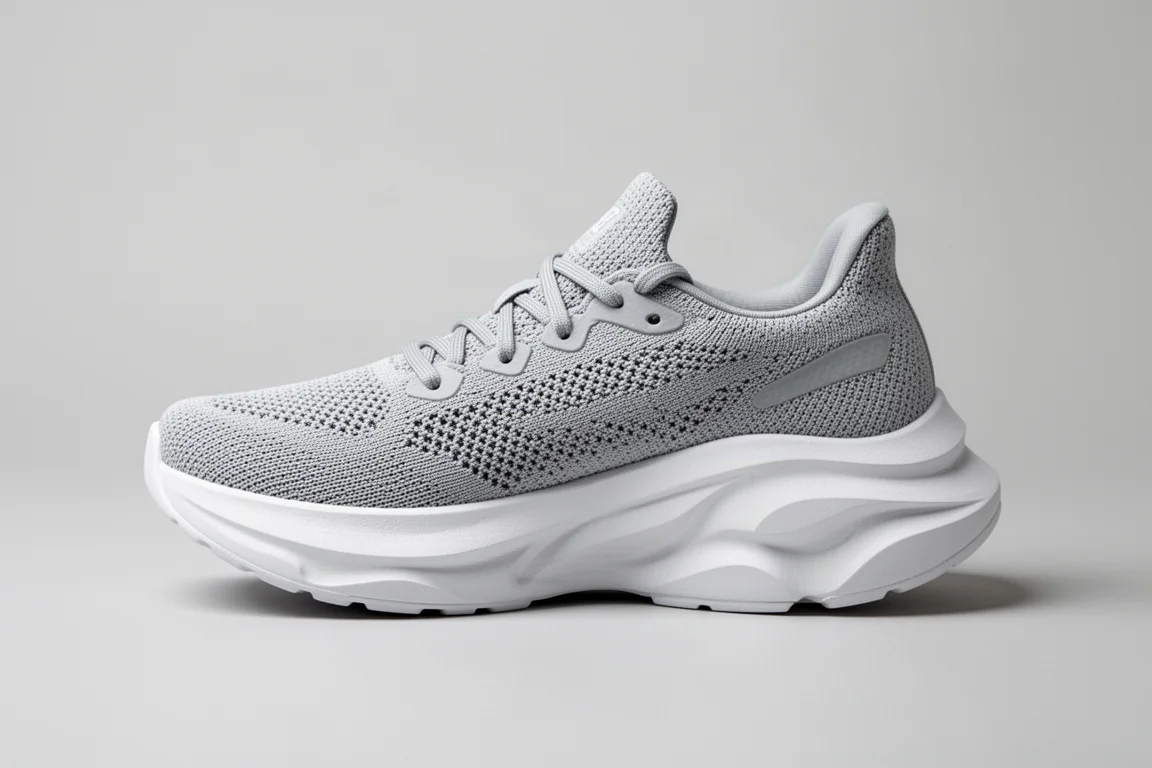
Fit and Sizing: Narrow Versus Forgiving
Fit differs noticeably between the two. The Hoka Clifton 9 runs a bit shorter and tighter, with a slightly narrower toe box. Testers in their usual size found the Clifton 9 forgiving enough, and one narrow-footed runner found it fit especially well. If you have wider feet or sit at the larger end of your size range, sizing up in the Clifton is worth considering.
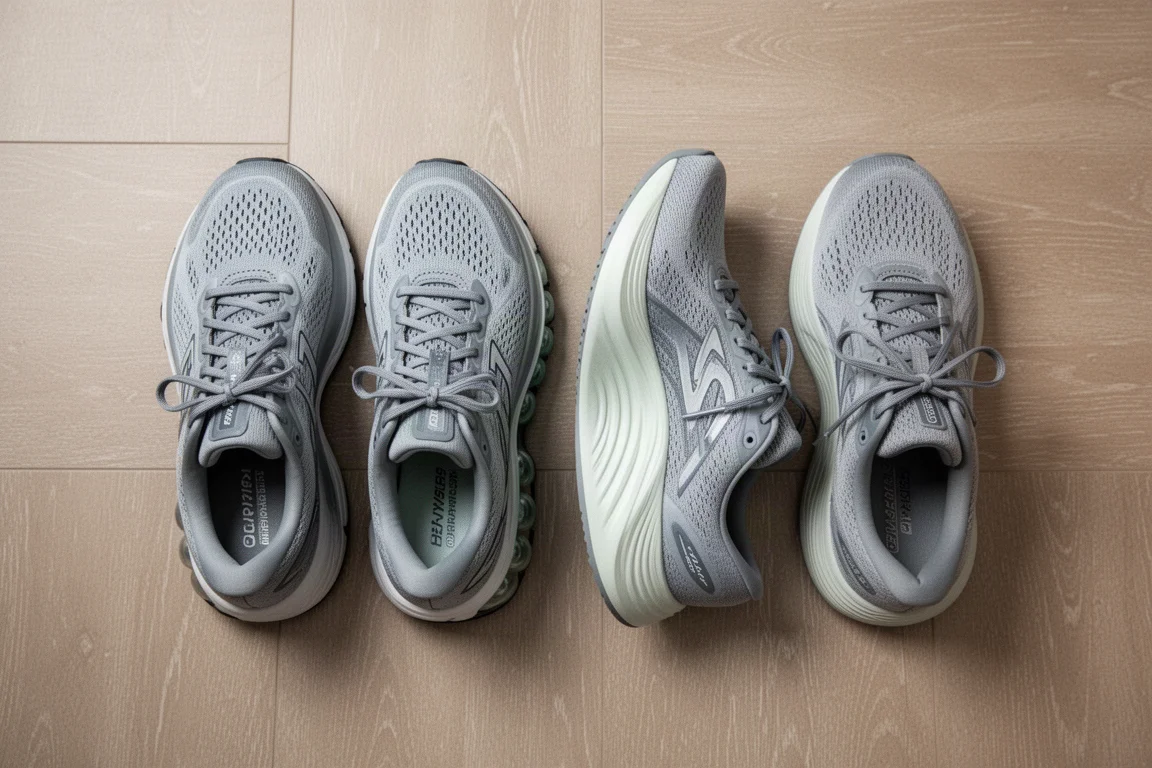
The Nike Pegasus 40 is the opposite: very forgiving, with generous wiggle room in the forefoot. Most testers stayed in their normal size and found it comfortable, though some found it roomier than they needed. Both shoes were considered true to size in their usual running shoe size, with the caveat above for the Hoka.
On the Run: Cushioning and Ride Character
By modern standards, both shoes are moderately cushioned daily trainers rather than max-cushion machines. Both are solid rather than exciting, and that is not a criticism, it is the category.
The Clifton 9 is the lighter of the pair and rolls along more smoothly thanks to its rocker and lower 5mm drop. It is not a lively foam, but it is comfortable and easy to settle into a rhythm with, and it feels smoother than the Pegasus when picking up the pace. The Pegasus has a more traditional ride that snaps through the gait cycle, with the Air Zoom pods adding a little pop, though most runners will not feel a dramatic bounce from them.
Where the Pegasus clearly wins is the outsole. It is described as a great road outsole: durable, long-lasting, grippy in the wet, and capable on light dusty trails. The Clifton’s outsole is fine for roads but not in the same league off the smooth stuff.
Which One Should You Buy?
For most runners comparing these two, the Clifton 9 comes out ahead this time around. It had a strong update, it is lighter, the ride is more enjoyable, and it is better across the same range of runs, from easy days to steady longer efforts, while still being comfortable and reliable.
The Pegasus 40 remains a genuinely solid shoe, and for a specific type of runner it may still be the better pick. If you only buy one pair of shoes a year, want something that will last a long time, need dependable grip in the wet or on mixed surfaces, and prefer a stable traditional ride, the Pegasus ticks every box. It just does so at a price that increasingly overlaps with more exciting alternatives, and it will likely be found discounted regularly.

A practical way to decide: pick the Clifton 9 if you want the more enjoyable, smoother ride and mostly run on roads. Pick the Pegasus 40 if durability, outsole grip, and a stable feel matter more, especially if you can find it on sale.
Conclusion
The Hoka Clifton 9 is the stronger all-round choice of these two cushioned daily trainers, thanks to a lighter build, softer foam, and a smoother ride. The Nike Pegasus 40 is still a dependable, stable workhorse with a superb outsole, but its minimal update and rising price make it harder to recommend at full retail. Choose based on which strengths matter most for your running.
Further reading
Related Reviews

Running Shoes
Best Road-to-Trail Running Shoes: Three Versatile Options for Mixed Terrain
A practical guide to three road-to-trail running shoes that handle both pavement and mild trails, with clear strengths and trade-offs for different runner types.

Running Shoes
Best Running Shoes for Achilles Tendonitis: Three Options Explained
Three running shoes with different heel drops and support features designed to help reduce Achilles tendon pain during walking and running.

Running Shoes
Best Running Shoes for Women: Five Top Choices Ranked
A ranked guide to five women's running shoes, from versatile daily trainers to high-performance racing options, with real strengths and trade-offs for each.