Running Shoes
Nike Pegasus 40 vs the Daily Trainer Field: Four Versatile Shoes Compared
The Pegasus 40 faces the Asics Novablast 3, Reebok Floatride Energy 5, and Puma Velocity Nitro 2 in a head-to-head look at daily running shoes.
Introduction
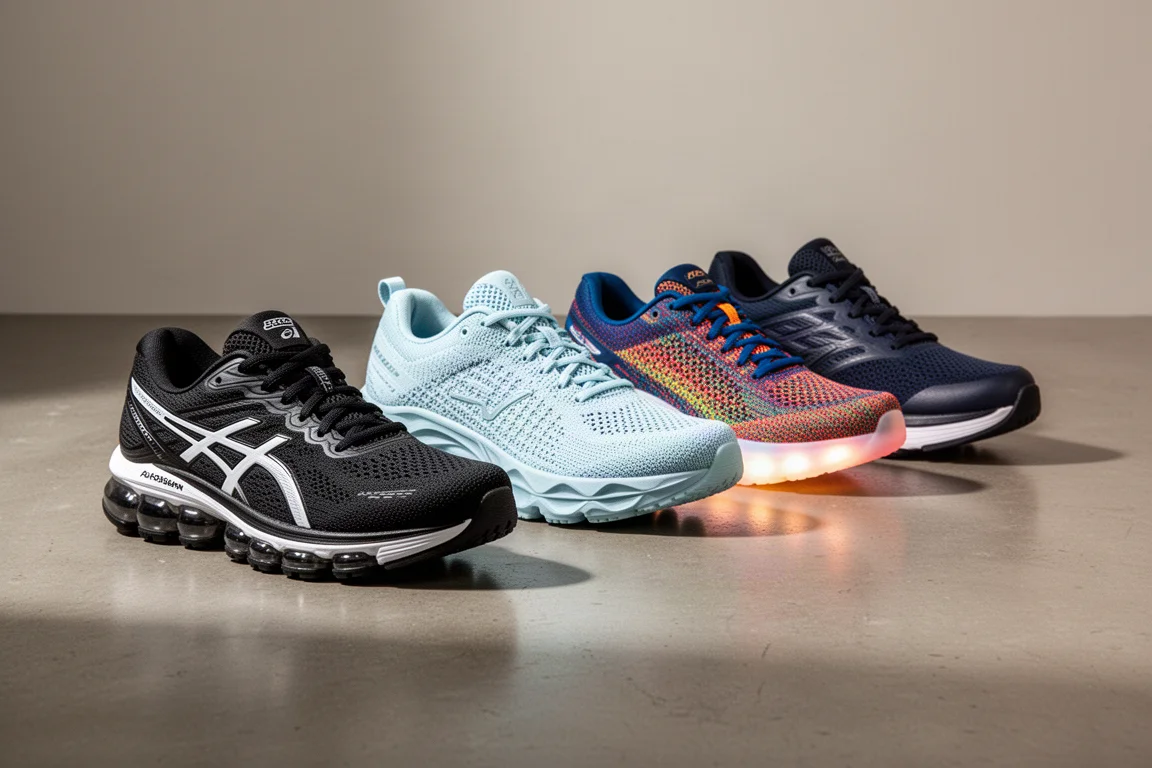
Every few years Nike refreshes the Pegasus, the shoe originally launched back in 1983 with the brief of being a shoe for all occasions. The Pegasus 40 carries that same remit, so the fairest test is to line it up against other daily trainers with similar price points, use cases, and versatility. In this comparison it goes up against the Asics Novablast 3, the Reebok Floatride Energy 5, and the Puma Velocity Nitro 2. All four are genuinely good shoes, so the differences come down to feel, fit, and what you want from your easy miles.
How the Four Shoes Stack Up
On the scales, the Novablast 3 and Floatride Energy 5 come in roughly 50 and 40 grams lighter than the Pegasus 40 respectively, which is impressive for daily trainers. The Velocity Nitro 2 sits about 20 grams under the Nike. The Pegasus carries a little more technology, with react foam plus air units, which partly explains the extra heft, though for a daily trainer weight is rarely decisive and all four remain light shoes in the grand scheme.
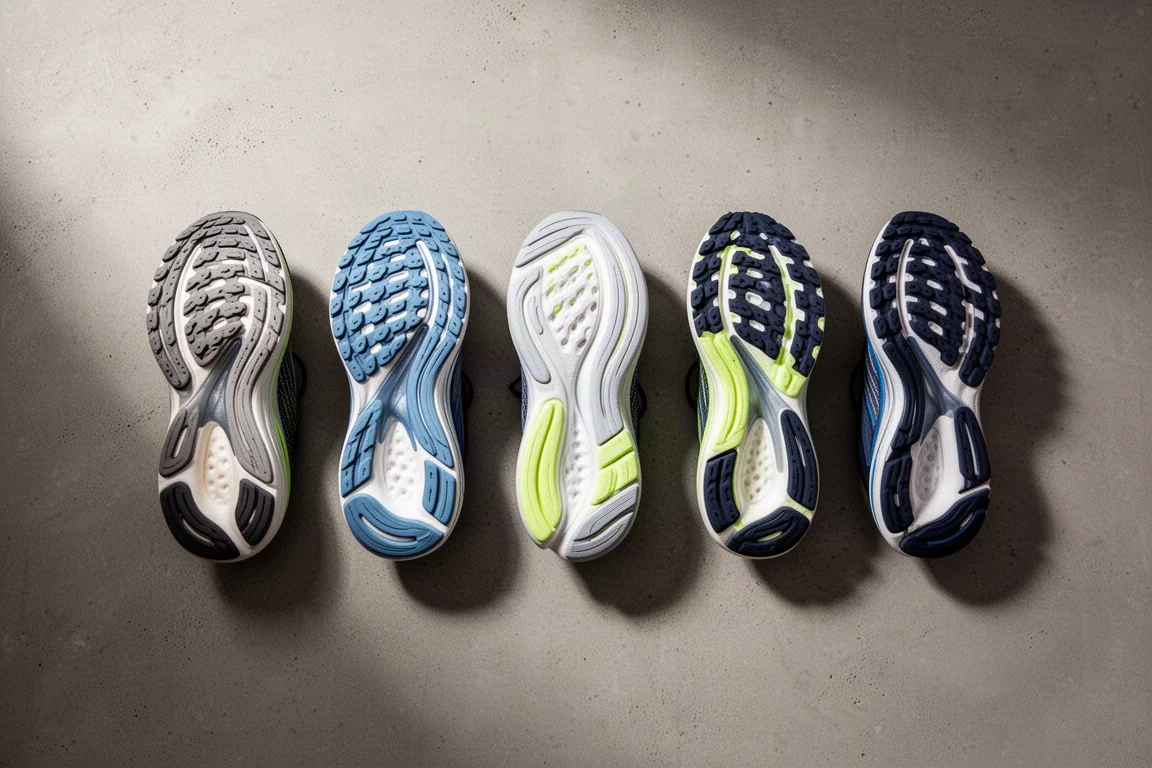
Midsole feel differs more than you might expect. The Reebok Floatride Energy 5 was by far the softest of the four, followed by the Nitro foam of the Puma, then the FF Blast of the Novablast 3. Note that fabric strobel boards topping these midsoles affect perceived softness, so take impressions with a pinch of salt. In terms of platform width, the Novablast 3 is easily the widest in the forefoot, over a centimeter wider than the Pegasus 40, while the Reebok offers more heel width at 9.7 centimeters. Oddly, the Pegasus is both the heaviest of the bunch and the narrowest.
Nike Pegasus 40: The Do-It-All Benchmark
The Pegasus 40 needs a short break-in. Straight out of the box the react foam feels firm, but after around 10 miles it softens up nicely, so do not judge it on first impressions. The upper is plusher than its rivals here, with more padding around the ankle and a more substantial tongue, and the low-profile heel collar gives it a tidy, refined fit with slightly better lockdown than the competitors.
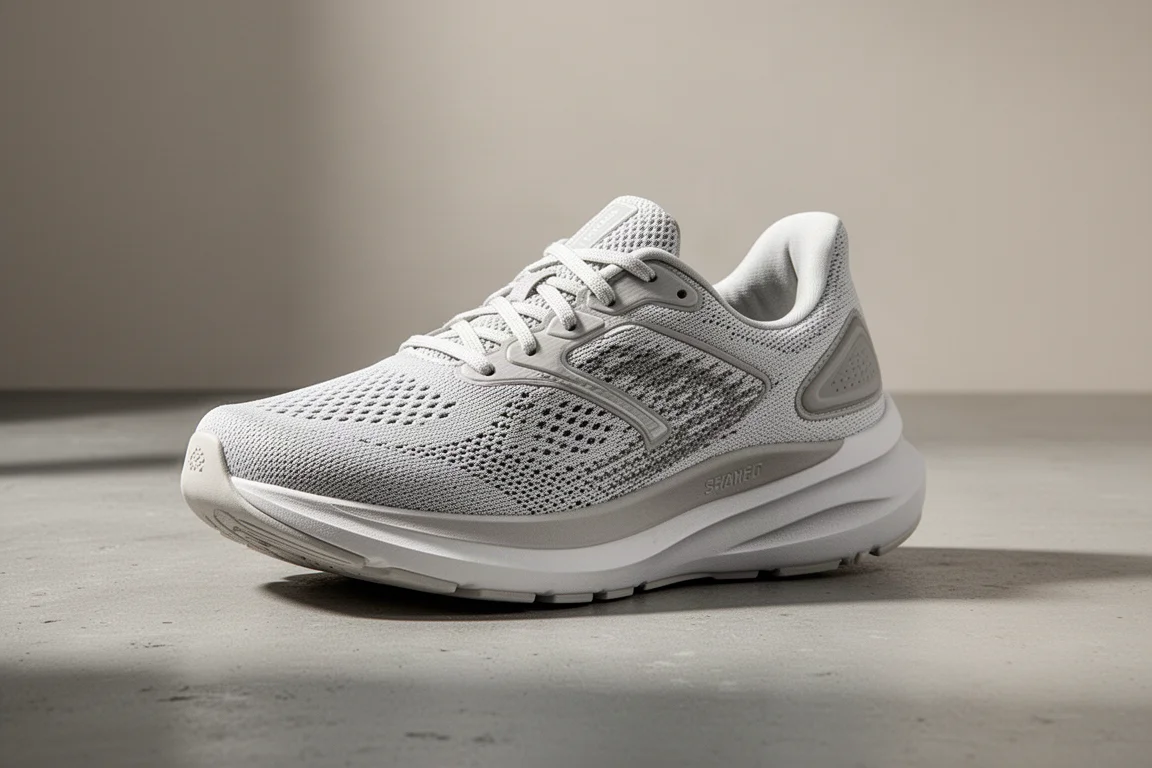
Where the Pegasus really earns its place is versatility. The forefoot air unit adds a level of response that plain foam struggles to match, and it stays resilient over time rather than simply compressing. The waffle-style outsole lugs deliver genuinely multi-surface traction, making this the shoe that can do almost everything. If you could only keep one shoe from this group, this is the safest all-rounder, even if some launch colorways are fairly dull.
Reebok Floatride Energy 5: Softness on a Budget
The Floatride Energy 5 is the softest shoe here, and the Floatride foam has a genuinely airy character. It also feels less present as it wraps around the foot, and the thinner mesh upper makes it noticeably more breathable than the Pegasus, which is welcome as the weather warms up. The profile is striking, the ankle collars on the two shoes are very similar, and the 40-gram weight difference is apparent when you hold them side by side.
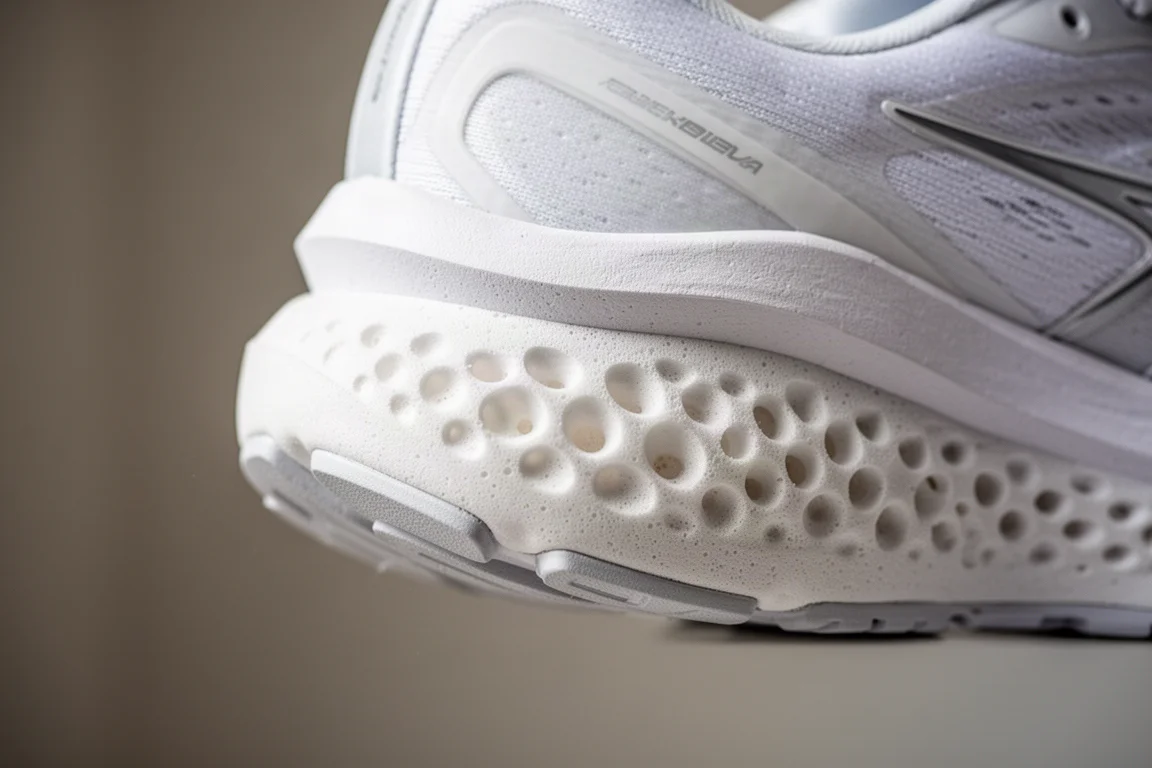
The trade-off is pace range. The Floatride foam is a little too compressive and squashy to propel you forward at quicker efforts, so the Reebok covers a narrower band of speeds than the Nike. What tips the scales back is value: it comes in around £25 cheaper than the Pegasus, and the colorways are far more interesting, including versions with bold uppers and a glow-in-the-dark outsole. With a deeper discount, this is a mighty shoe.
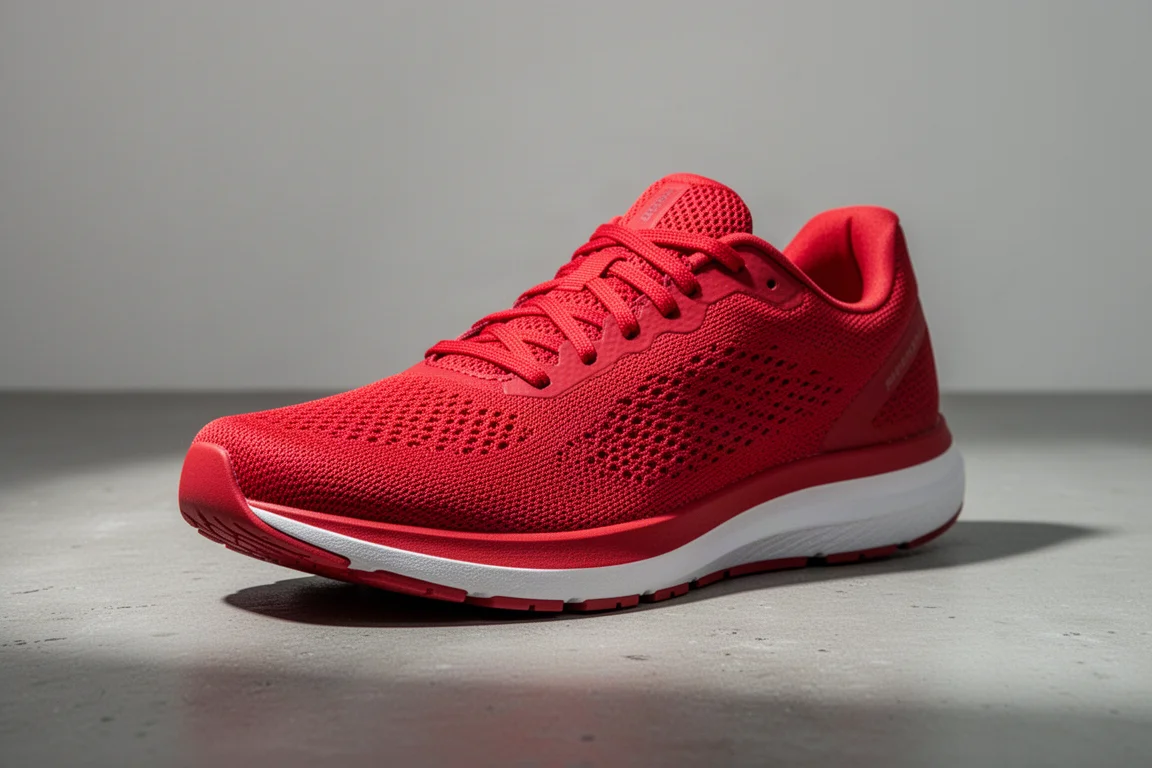
Asics Novablast 3: The Lightweight All-Rounder
The Novablast 3 is the lightest shoe in this group, and runners are using it for everything from three-mile easy runs to longer efforts. The FF Blast Plus foam is more resilient than the rubbery original formula, and the third iteration is more stable and consistent than the very squashy first version, though fans of that v1 feel may see that as a step back. It is no longer the plush recovery-day shoe it once was, and instead sits closer to the Pegasus in character.

On foot and at pace, the Novablast 3 and Pegasus 40 feel quite comparable, and either can handle faster reps or intervals, though more purpose-built models exist for true speedwork. The clearest Pegasus advantage is the outsole: the Novablast’s rubber wears down noticeably after around 60 miles and can peel oddly once worn, whereas the Pegasus lugs stay versatile. Upper lockdown is comparable with a slight edge to the Nike, but the simpler Novablast design brings less material and less weight, which lighter-built runners may appreciate.
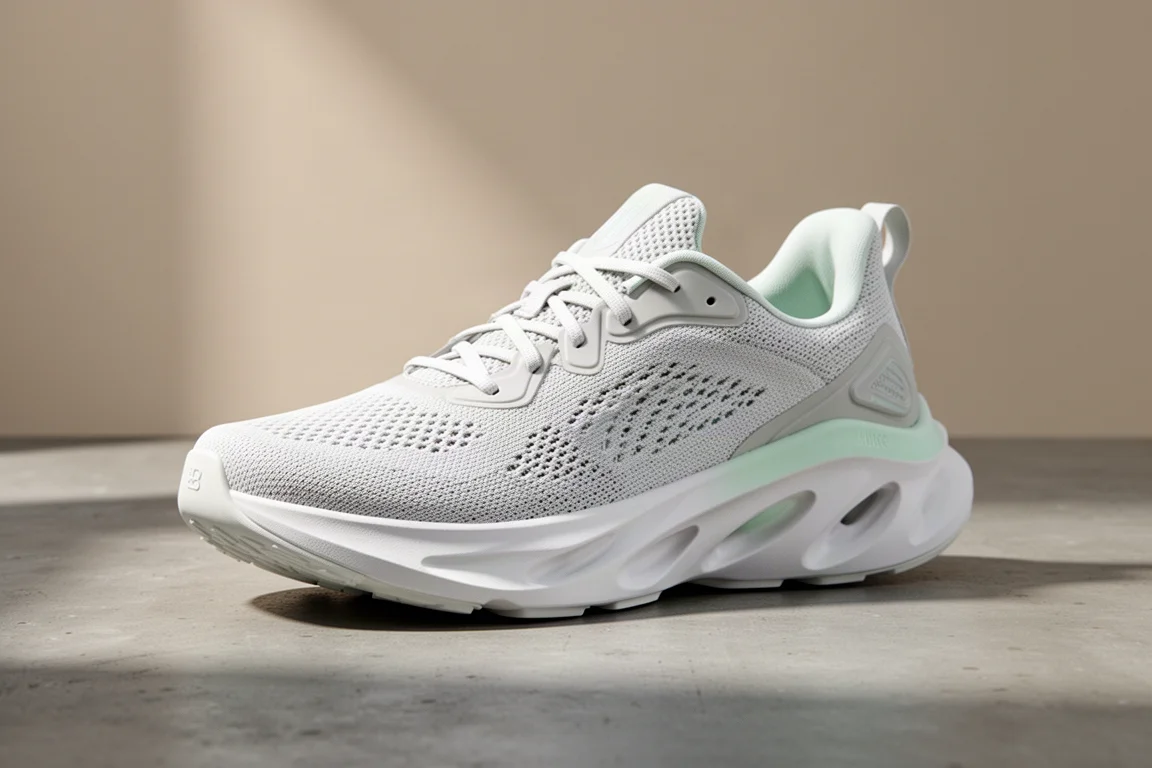
Puma Velocity Nitro 2: Consistency Underfoot
The Velocity Nitro 2 is a refined second version of Puma’s do-it-all daily trainer, pairing nitrogen-infused foam with a firmer, more resilient ProFoam layer on top. That sandwich creates a stable, consistent feel underfoot that never becomes unforgiving, and it avoids the instability that full plated midsole shoes can show when you slow the pace down.
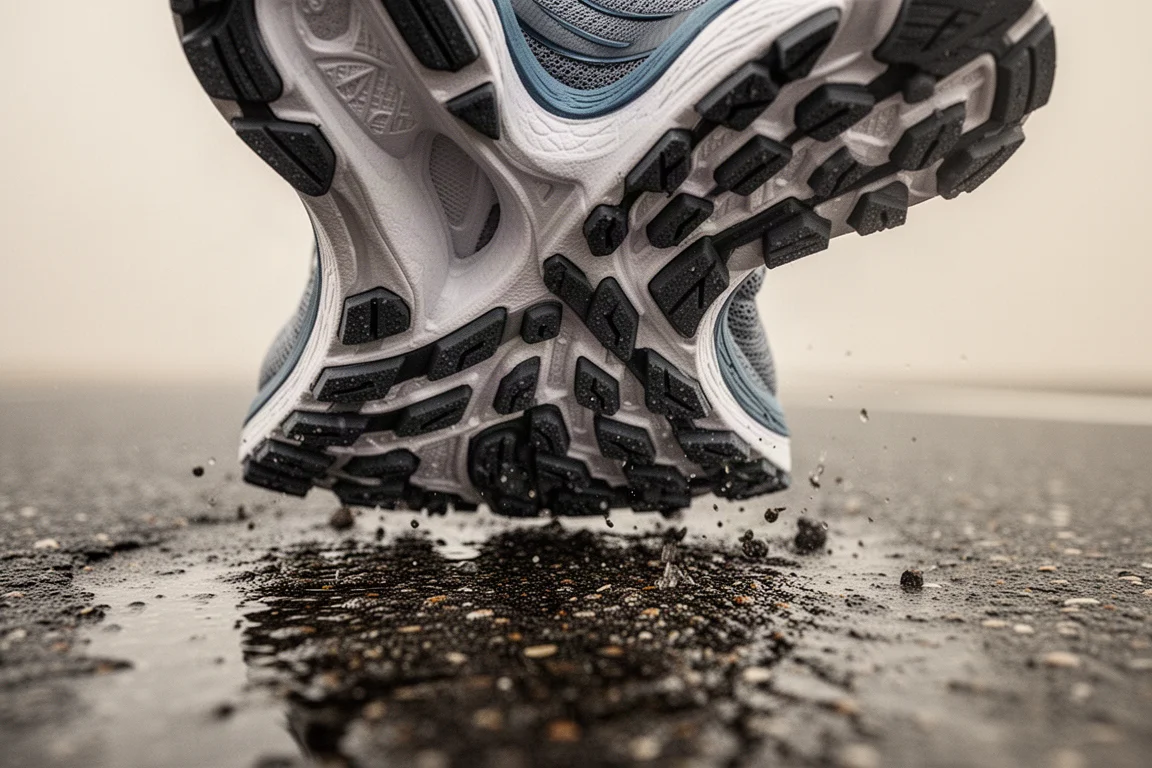
The outsole is the first in this comparison to genuinely match or even improve on the Pegasus, with comparable grip and traction that works in wet or dry conditions and should last for hundreds of miles. The refined upper is comparable in thickness to the Nike, though lockdown is slightly better on the Pegasus, and the very thick, chunky laces may be worth swapping out. Price is a strong point: it can be found well below the Pegasus, sometimes between £50 and £80 in the UK, putting it in the same value bracket as the Reebok.
Overall Buying Advice
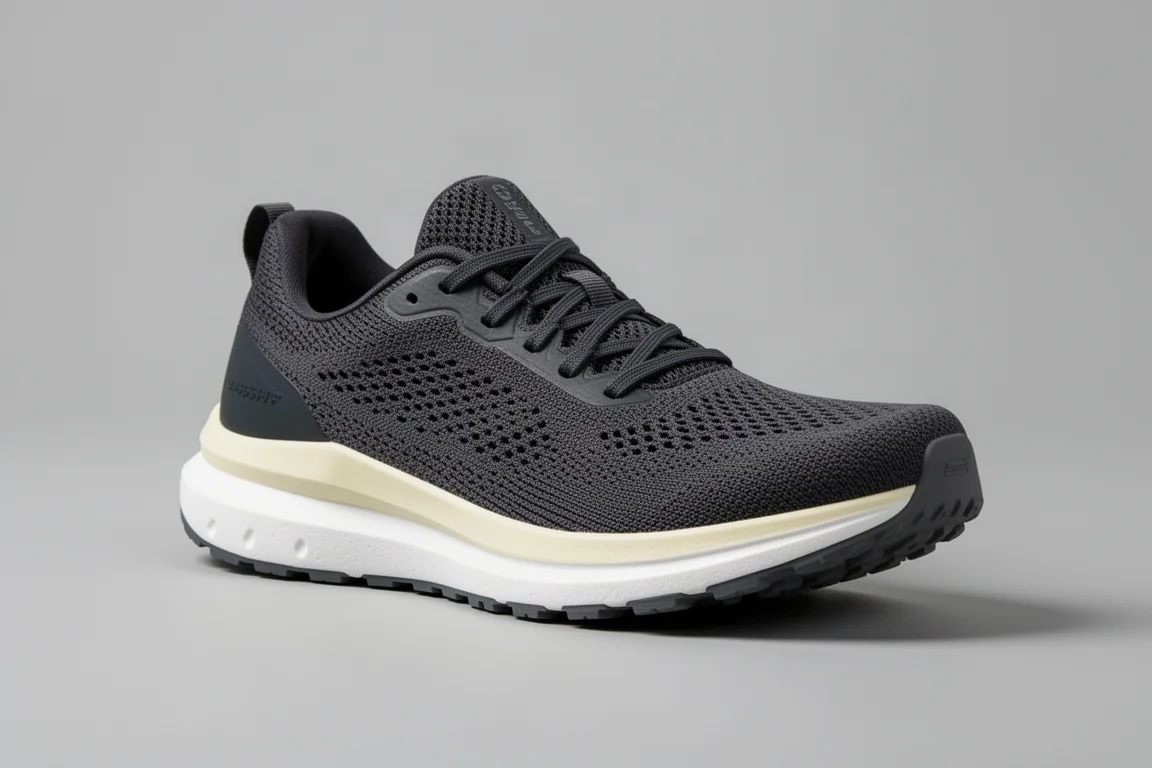
If you want lightness and a shoe that can do almost everything aside from smooth wet surfaces, the Novablast 3 is a great option. On a budget, the Floatride Energy 5 and Velocity Nitro 2 are both strong shoes with very few drawbacks: the Reebok if you want some heel stability, the Puma if you want consistency across the whole footbed and less squash. The Pegasus 40 does what it has always done, and alongside the Novablast 3 it represents about the best you can currently get in a daily shoe that handles all types of paces, with top-drawer outsole traction to boot. Between the Pegasus and the Puma, the Nike still feels a touch more refined on foot despite the extra heft, though it does need more break-in while the Puma feels good almost straight out of the box.
Conclusion
There is no bad shoe in this group. Match the choice to your priorities: budget and softness point to the Reebok, lightness and consistency to the Puma and Asics, and all-round refinement to the Pegasus 40. Whatever you pick, each of these earns its place as a dependable daily trainer.
Further reading
Related Reviews

Running Shoes
Best Road-to-Trail Running Shoes: Three Versatile Options for Mixed Terrain
A practical guide to three road-to-trail running shoes that handle both pavement and mild trails, with clear strengths and trade-offs for different runner types.

Running Shoes
Best Running Shoes for Achilles Tendonitis: Three Options Explained
Three running shoes with different heel drops and support features designed to help reduce Achilles tendon pain during walking and running.

Running Shoes
Best Running Shoes for Women: Five Top Choices Ranked
A ranked guide to five women's running shoes, from versatile daily trainers to high-performance racing options, with real strengths and trade-offs for each.