Running Shoes
Nike Pegasus 40 vs Adizero SL vs Floatride Energy 5: Daily Trainer Comparison
Three daily trainers, three price points. A closer look at the Nike Pegasus 40 and two strong alternatives that undercut it on price.
Introduction
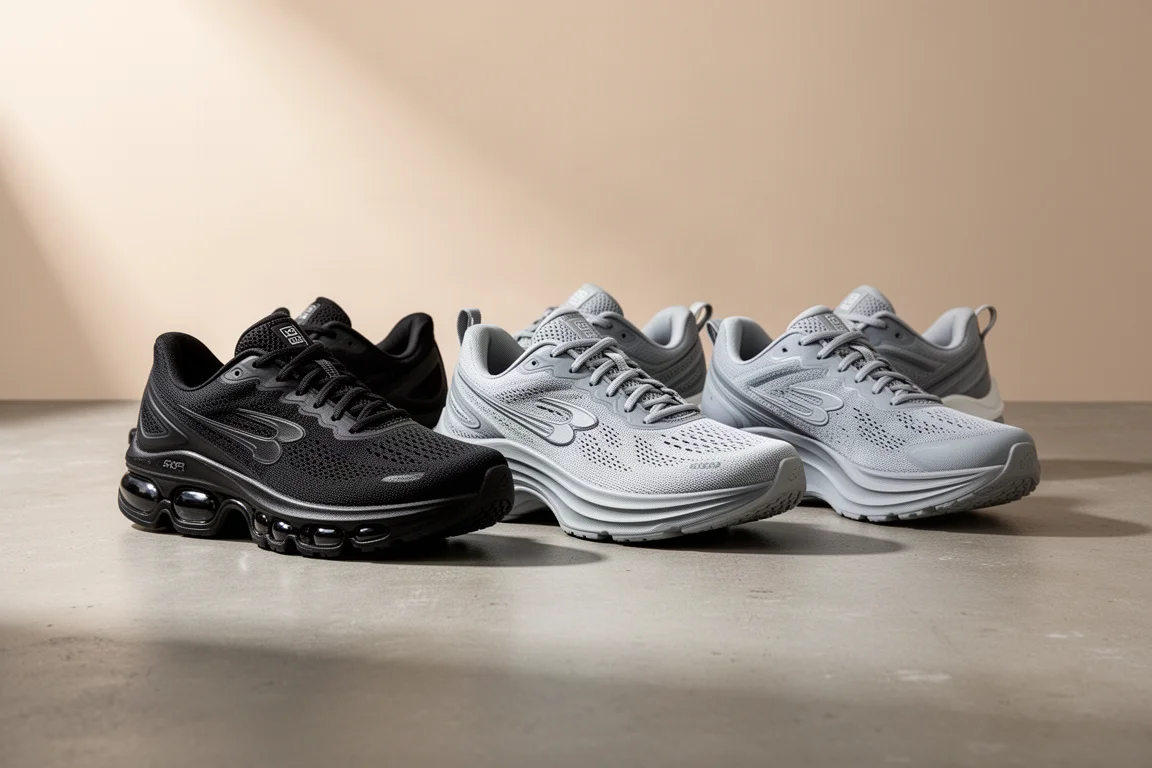
The Nike Pegasus 40 lands in a familiar spot: a well-known daily trainer with a long history, priced at $130. That price is now pretty standard for daily training shoes, but it also means the competition has never mattered more. Two alternatives stand out this year, the Adidas Adizero SL at $120 and the Reebok Floatride Energy 5 at $110, and both give the Pegasus a serious run for its money. Here is how they compare, and who each shoe is really for.
Nike Pegasus 40: A Softer, More Runnable Update
The Pegasus 40 uses an all-React midsole with a fairly tall stack height and the traditional 10mm drop the series has always carried. Two Zoom Air pockets, one in the forefoot and one in the rear, are tuned to be less prominent than in older versions. The result is a shoe that feels softer and noticeably more runnable than the Pegasus 38 and 39, and arguably the best Pegasus in several years.

The upper is a new hybrid material, somewhere between a traditional upper and a knit, and it is roomier, more comfortable, and more breathable than previous Pegasus uppers. The heel flare has been shaved down to almost nothing, with moderate to light padding at the collar. Nike does not publish weights, but a size 9 with custom options came in at 9.9 oz (282 g). For easy runs, longer days up to about two hours, and strides or hill sprints at the end of a run, it performs well.
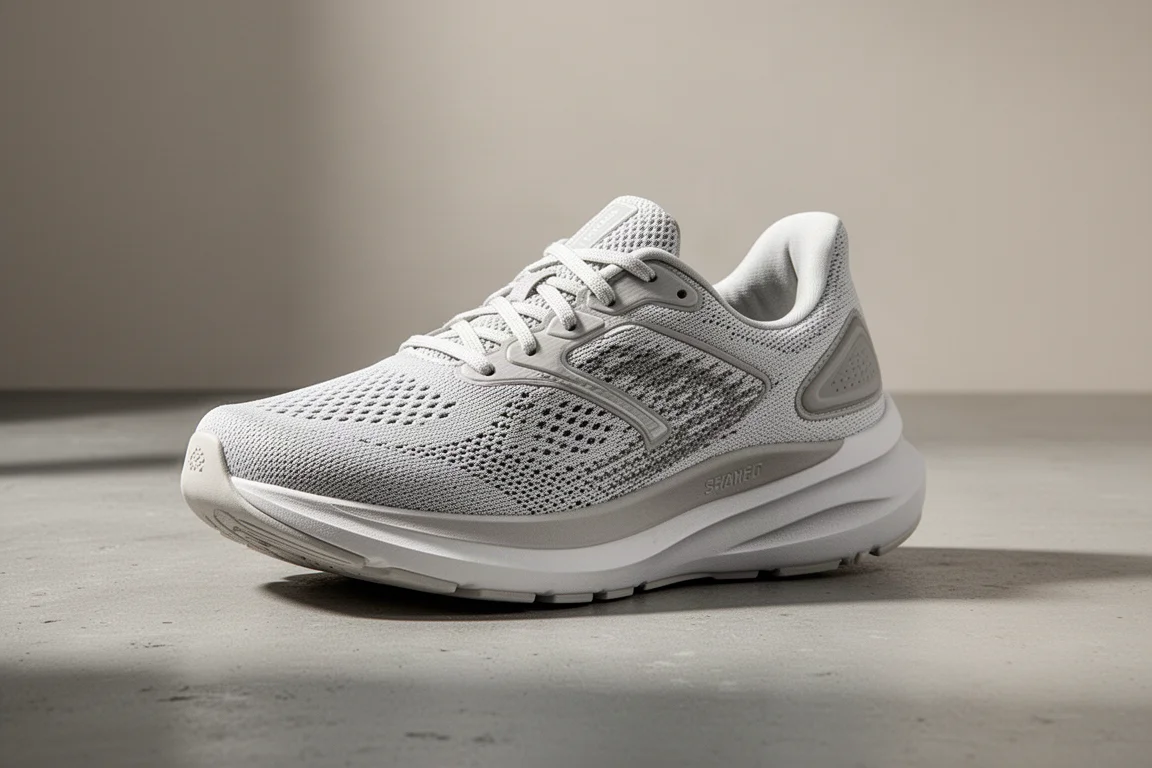
The catch is comfort over long durations. A two-hour run out of the box caused a hot spot that turned into real pain after about 75 minutes, with lingering soreness afterward. Shorter runs under an hour were fine, but for marathon-level mileage this is hard to recommend. It remains a great pick for new runners, returning runners, and younger or school runners during track or cross country season. At $130, or $160 with the Nike By You customization option, it sits at the top of this trio. If you stay loyal to the brand, the Invincible makes a better long-run shoe and the Vaporfly covers race day.
Adidas Adizero SL: Racing Foam at a Budget Price
The Adizero SL has been one of the most pleasant surprises of the year. It uses Lightstrike, an EVA-based foam, as the main midsole carrier, with a puck of Lightstrike Pro, Adidas’s racing foam, placed in the forefoot. That combination gives it a lively, performance-leaning feel that most daily trainers at this price cannot match.
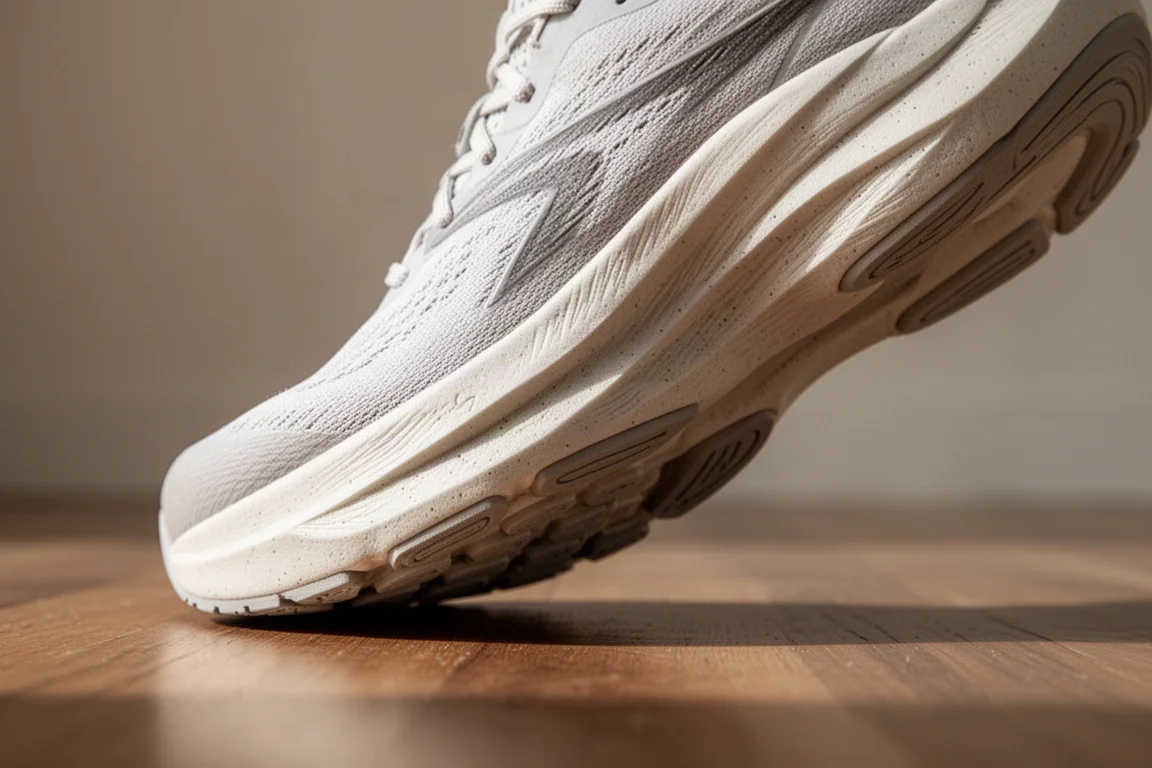
At a $120 retail price it already undercuts the Pegasus by $10, but it has frequently been on sale for as low as $66. At roughly half the Pegasus price, it is the easier recommendation, especially for younger runners who are not yet sure whether track or cross country will become their thing. It is a low-risk way into the sport with a shoe that gives them a genuine chance of enjoying it.
Reebok Floatride Energy 5: A Quietly Excellent Upgrade
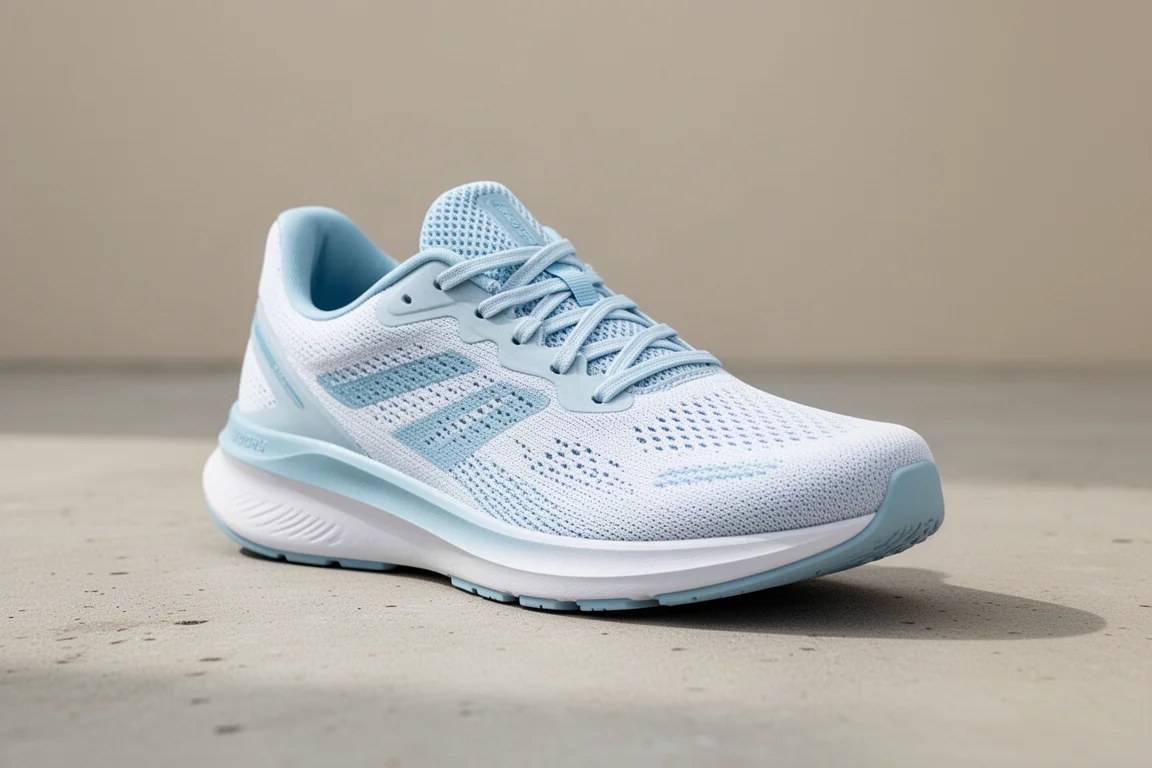
The Floatride Energy 5 looks a lot like the 3 and 4 that came before it, but it is a real step up. The changes made to the midsole are the highlight, delivering a more refined ride than its already solid predecessors. It is a shoe that quietly does almost everything a daily trainer should.
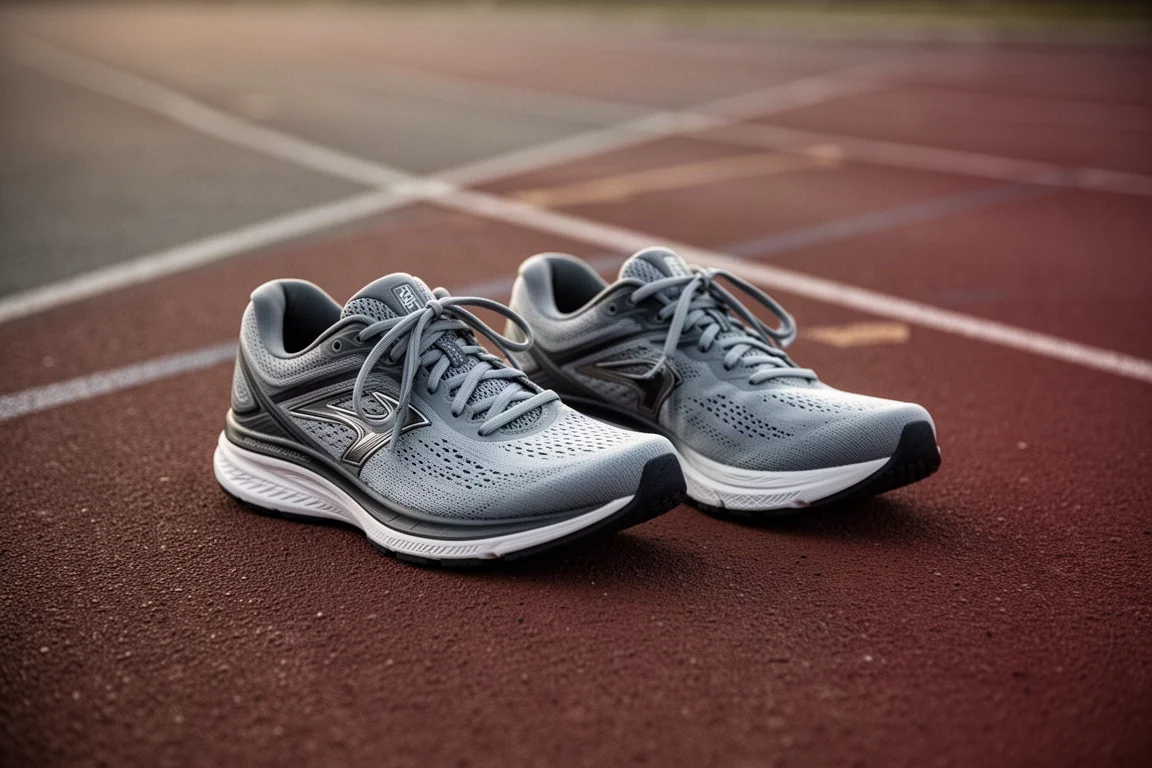
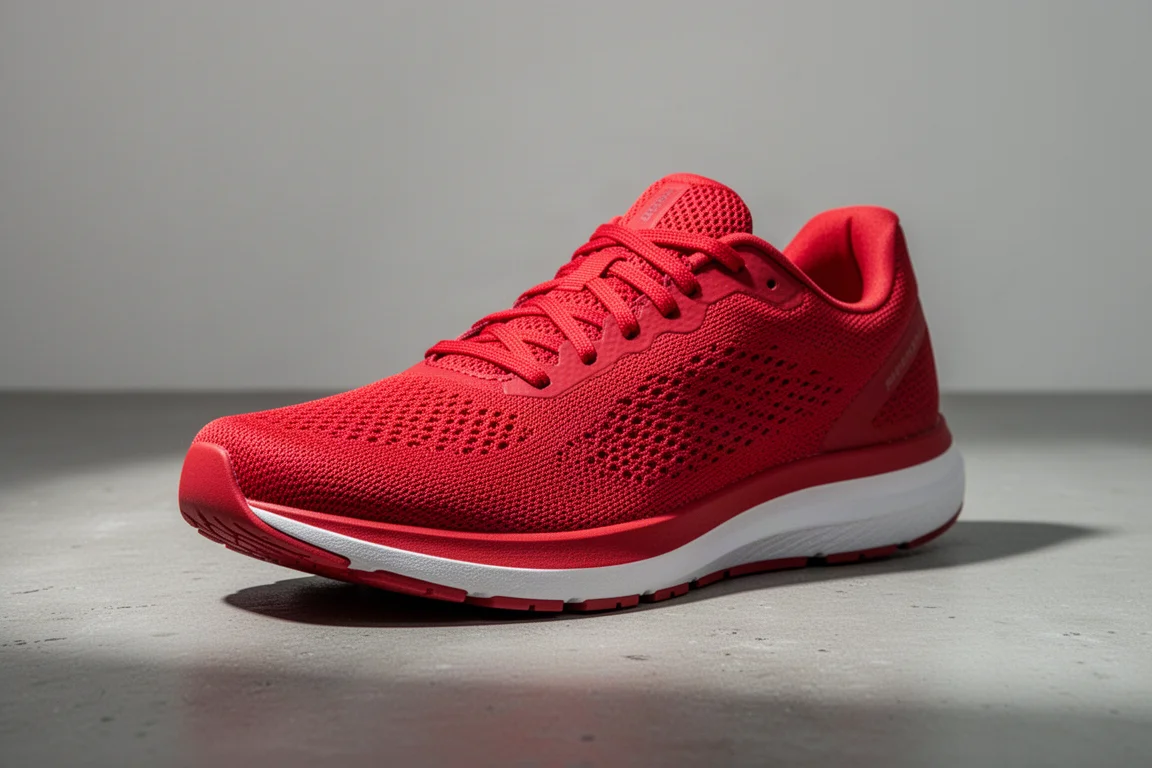
At a $110 retail price it is $20 cheaper than the Pegasus 40, and because it is still relatively new it rarely goes on sale. Even so, the aggressive pricing means you are not paying a premium to begin with, and if it does get discounted later, the value only improves further.
Overall Buying Advice
If you want the safest, most familiar name in the category and you mostly run easy, shorter mileage, the Pegasus 40 at $130 is a solid choice, particularly for beginners, returning runners, and school-age athletes. If value drives your decision, the Adizero SL is hard to beat, especially when caught on sale. If you want a well-priced daily trainer without waiting for a discount, the Floatride Energy 5 is the strongest middle path.

For runners logging serious marathon mileage, none of these should be your only shoe: the Pegasus in particular is better kept to runs of an hour or less, with a max-cushion option reserved for long days and a racing shoe for goal events.
Conclusion
The Pegasus 40 is the softest and most runnable Pegasus in years, and for new or returning runners it remains a dependable daily trainer. But at $130 it faces stiff competition: the Adizero SL offers racing-foam excitement at a lower price, and the Floatride Energy 5 delivers a big midsole upgrade for $20 less. Match the shoe to your mileage and budget, and any of the three can anchor your rotation.
Further reading
Related Reviews

Running Shoes
Best Road-to-Trail Running Shoes: Three Versatile Options for Mixed Terrain
A practical guide to three road-to-trail running shoes that handle both pavement and mild trails, with clear strengths and trade-offs for different runner types.

Running Shoes
Best Running Shoes for Achilles Tendonitis: Three Options Explained
Three running shoes with different heel drops and support features designed to help reduce Achilles tendon pain during walking and running.

Running Shoes
Best Running Shoes for Women: Five Top Choices Ranked
A ranked guide to five women's running shoes, from versatile daily trainers to high-performance racing options, with real strengths and trade-offs for each.