Running Shoes
Nike Pegasus 40 vs Pegasus 41: Should You Buy the Discounted Classic or the New Update?
The 41st Pegasus raises the stack and softens the heel. We break down how it differs from the Pegasus 40 and which runner each version suits best.
Introduction
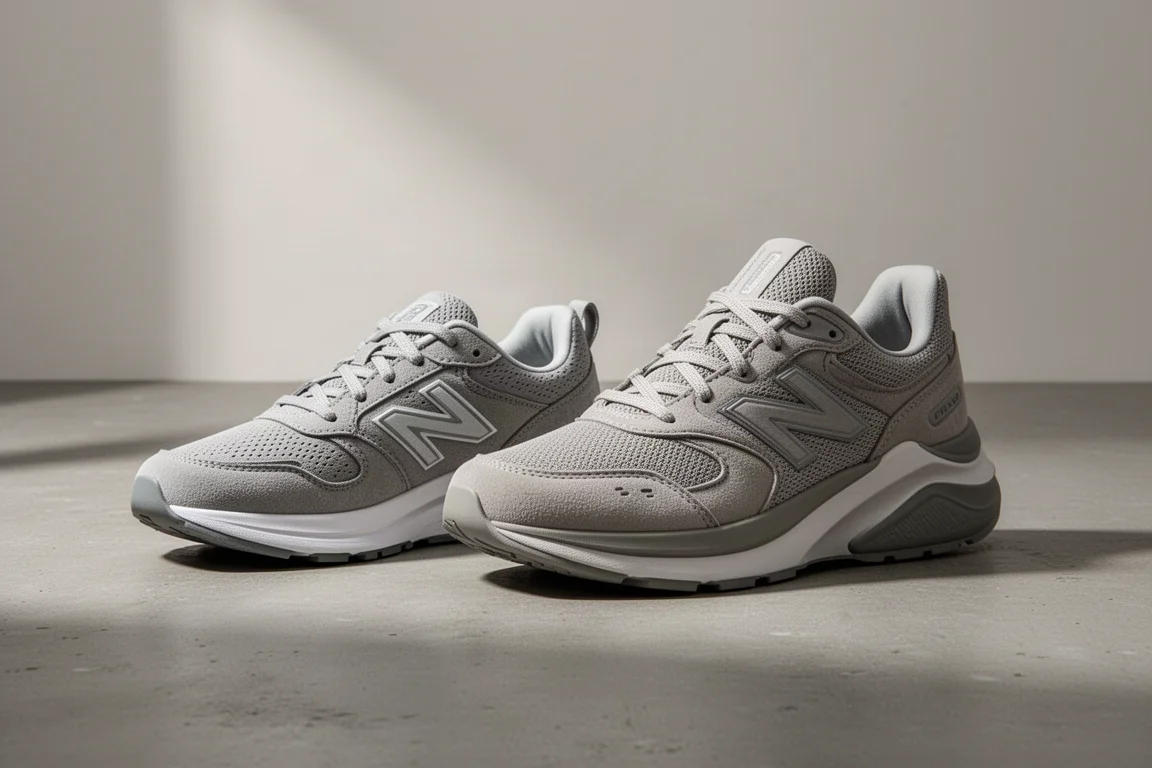
Few running shoes are as instantly recognizable as the Nike Pegasus. Now in its 41st iteration, it is the longest-running shoe series of all time and remains the most stereotypical, standard daily trainer on the market: a 10 millimeter drop, a decent amount of cushioning, and a ride that can handle a little bit of everything, from mileage and long runs to the occasional uptempo effort.
The question for buyers right now is simple: should you grab the now-discounted Pegasus 40, or pay full price for the new Pegasus 41? The 41 brings real changes, most notably a much higher stack height and an updated foam, so the answer depends heavily on how you like your daily trainer to feel.
Two Versions of the Same Legend
Both shoes stay true to the Pegasus formula: a simple, no-frills neutral trainer for runners who just want a reliable shoe that does a bit of everything in the training realm. Version 40 sticks to the moderate stack range the line has always occupied, while version 41 pushes the stack noticeably higher.

On the scale, the Pegasus 40 measured about 10.2 ounces in a men’s size 10, while the Pegasus 41 came in around 10.5 ounces in the same size and feels a touch heavier on foot. Official listed specs differ slightly, but the practical takeaway is that the 41 trades a little weight for a lot more cushioning under the heel.
Ride and Cushioning
This is where the two versions genuinely diverge. The Pegasus 40 used a React midsole with a very consistent feel: slightly firm, slightly soft, the same no matter where you landed, with a normal level of flexibility through the forefoot. The 41 moves to ReactX foam, which is softer, with most of that softness concentrated in the heel.
The 41’s heel is much larger, with a smooth heel bevel that makes the heel transition excellent. It is actually more stable in the heel than the 40 thanks to significant sidewalls, then transitions into a firmer forefoot. That softer heel paired with a firmer forefoot makes the drop feel higher than the 40, which felt closer to 8 millimeters despite its 10 millimeter spec.
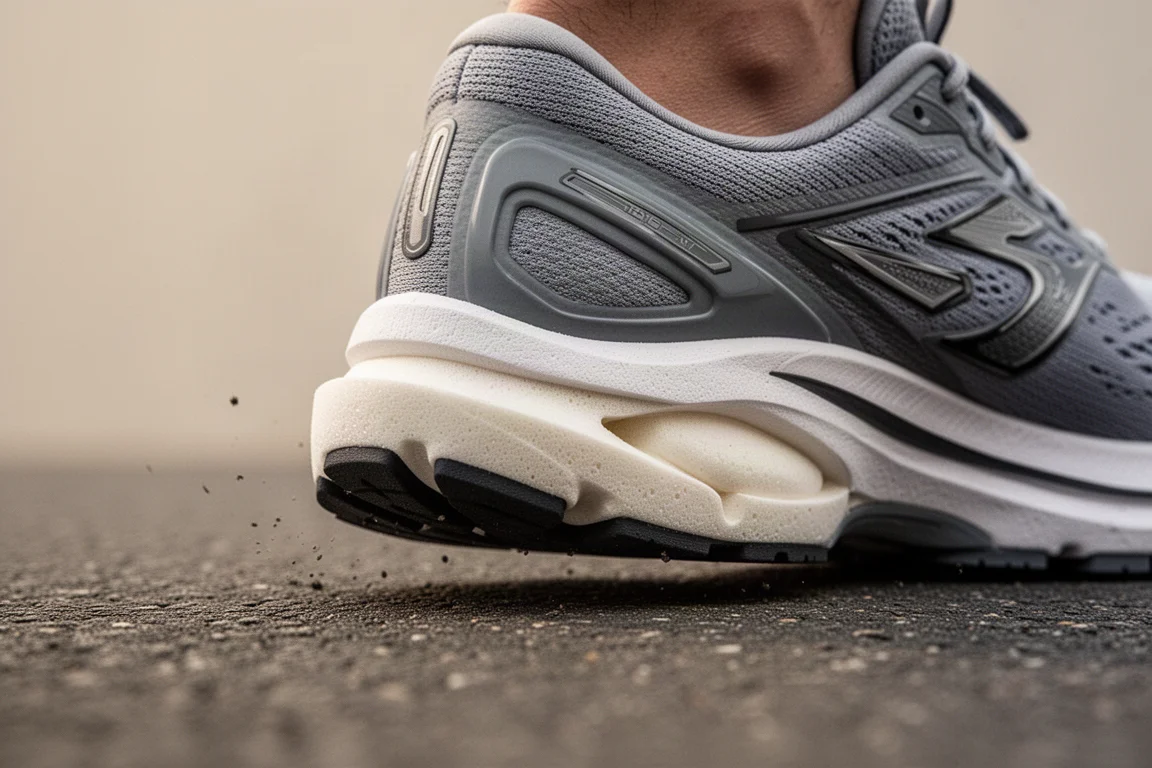
If you like a higher heel drop, a large heel, and a smooth roll-through, the 41 is clearly the better match. The midfoot remains fairly narrow in both versions, as with most Pegasus models, so runners who need midfoot guidance or stability should look elsewhere.
Who Each Shoe Suits Best
The Pegasus 40 is the more versatile of the two. It handled daily miles and uptempo work comfortably, and it felt good no matter where you landed, whether heel or forefoot. It is still the classic choice for a high schooler or newer runner who needs one shoe for a little bit of everything.
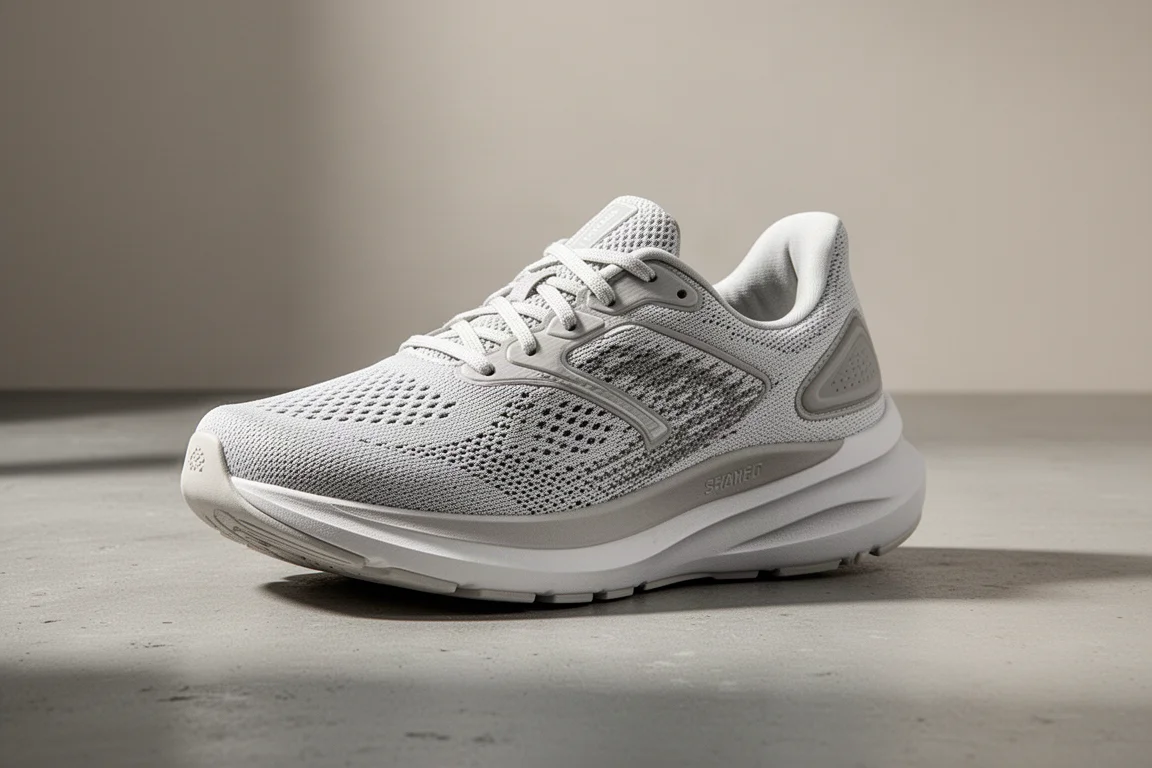
The Pegasus 41, by contrast, is biased toward the rear foot. It feels a touch heavy at true uptempo paces but shines on long runs and easy days, with the softer ReactX heel offering more comfort for heel strikers. The overall ride reminded us of shoes like the Brooks Ghost, though with a smoother heel transition.
Upper and Fit
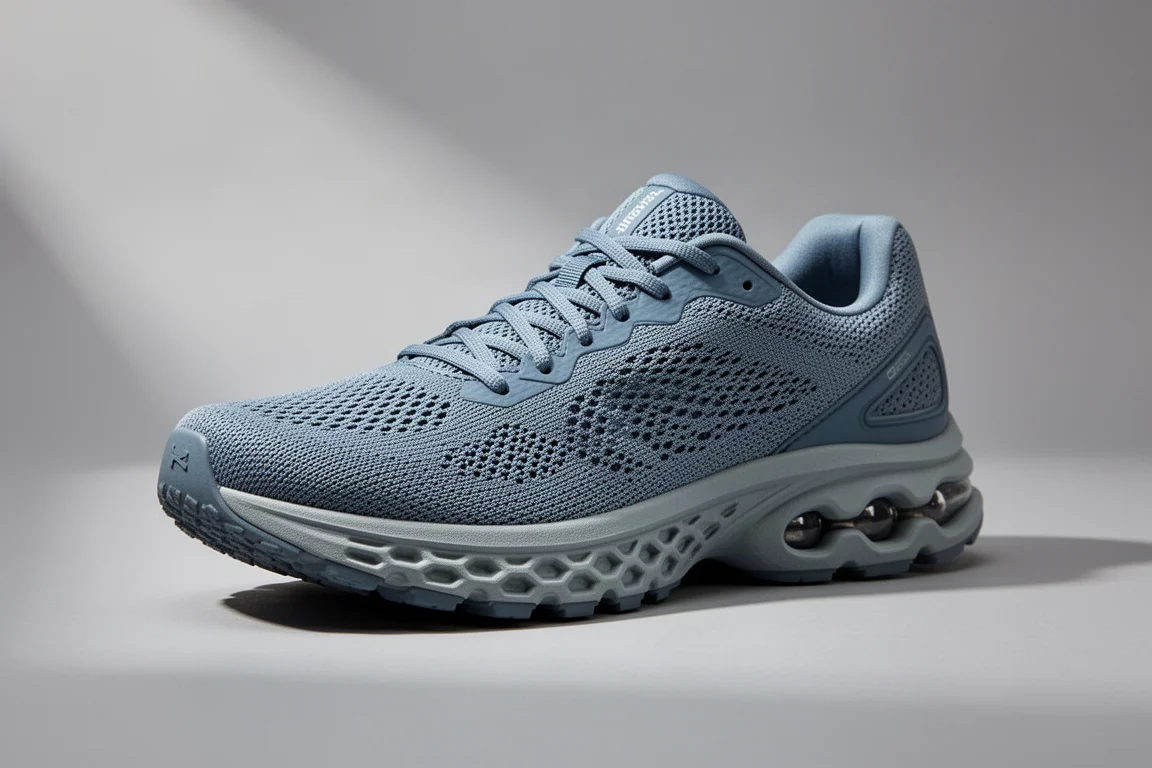
Fit is another clear point of difference. The Pegasus 40 offered a bit more volume and width in the forefoot, which runners needing extra room will appreciate. The 41 still has a good amount of forefoot room by Pegasus standards, but the volume over the toes and midfoot sits noticeably low.

Security is strong in both. The 41 required minimal lace tension with no heel slippage, and its upper feels slightly more plush along its length. If you found the 40 a little too roomy, the 41 is likely the better fit; if you want more space, stick with the 40.
Durability and Everyday Use
Early wear looks good on both pairs. Around 50 miles in, the Pegasus 40 shows no major wear, while the Pegasus 41 appears to be wearing marginally quicker on the lugs after about 20 miles, though nothing concerning.
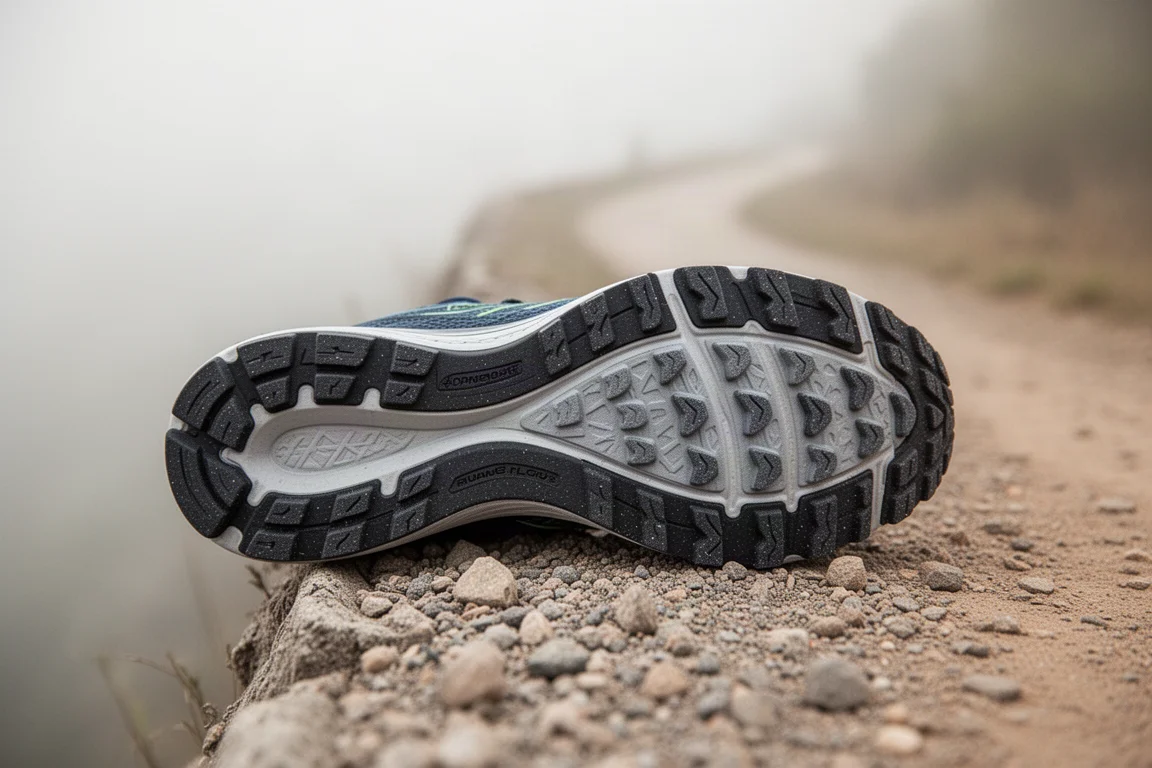
For light trail use, the 40 has slightly better midfoot coverage and is the preferable pick of the two, though dedicated trail runners should look at a proper trail option anyway. On roads, both are absolutely fine as durable daily trainers.
Buying Advice
If you are a heel striker who wants maximum heel cushioning, a higher-feeling drop, and a shoe that lets you roll through long runs without thinking about the ride, the Pegasus 41 is the better choice, especially if you do not mind sidewalls underfoot. If you prefer a slightly lighter feel, more versatility into uptempo work, and a consistent ride from heel to toe, the discounted Pegasus 40 remains excellent value. Runners who want even more cushioning may also want to consider Nike’s Vomero line as a step up.
Conclusion
The Pegasus 41 is an interesting update that moves in a different direction rather than a straight refinement. It is softer in the heel, more stable, and better suited to easy and long efforts, while the 40 holds onto the classic balanced feel that made the line famous. Both are genuinely good shoes, and the right one comes down to whether you value versatility or plush heel comfort more.
Further reading
Related Reviews

Running Shoes
Best Road-to-Trail Running Shoes: Three Versatile Options for Mixed Terrain
A practical guide to three road-to-trail running shoes that handle both pavement and mild trails, with clear strengths and trade-offs for different runner types.

Running Shoes
Best Running Shoes for Achilles Tendonitis: Three Options Explained
Three running shoes with different heel drops and support features designed to help reduce Achilles tendon pain during walking and running.

Running Shoes
Best Running Shoes for Women: Five Top Choices Ranked
A ranked guide to five women's running shoes, from versatile daily trainers to high-performance racing options, with real strengths and trade-offs for each.