Running Shoes
Nike Pegasus 40 Review: A Familiar Anniversary Edition
The 40th Pegasus keeps the proven recipe with minor upper tweaks, but a small weight gain and higher price make the Pegasus 39 the smarter buy.
Introduction
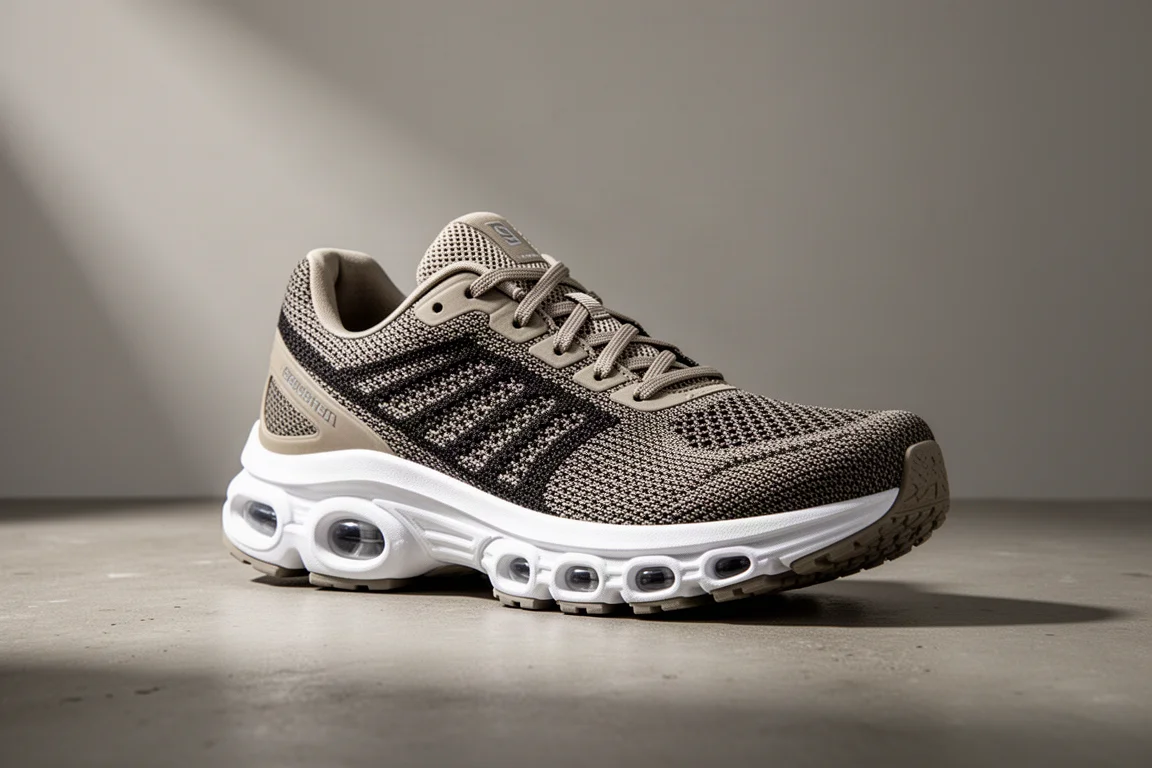
The Nike Pegasus 40 marks the 40th edition of one of the most established names in daily running shoes. For the anniversary, Nike kept changes deliberately minimal, staying very close to the Pegasus 39 formula. That makes this a classic workhorse trainer designed to work for every kind of runner and almost every kind of run, but it also raises the obvious question: is there enough new here to justify choosing it over the older, cheaper model?
Overview: What Changed for the 40th Edition
The Pegasus 40 is slightly more expensive than its predecessor, at £115 in the UK and $130 in the US, and a little heavier too: 292 grams (10.3 oz) in a UK size 9 versus 279 grams (9.8 oz) for the Pegasus 39. The drop stays the same at 10mm, with a 33mm heel and 23mm forefoot stack.
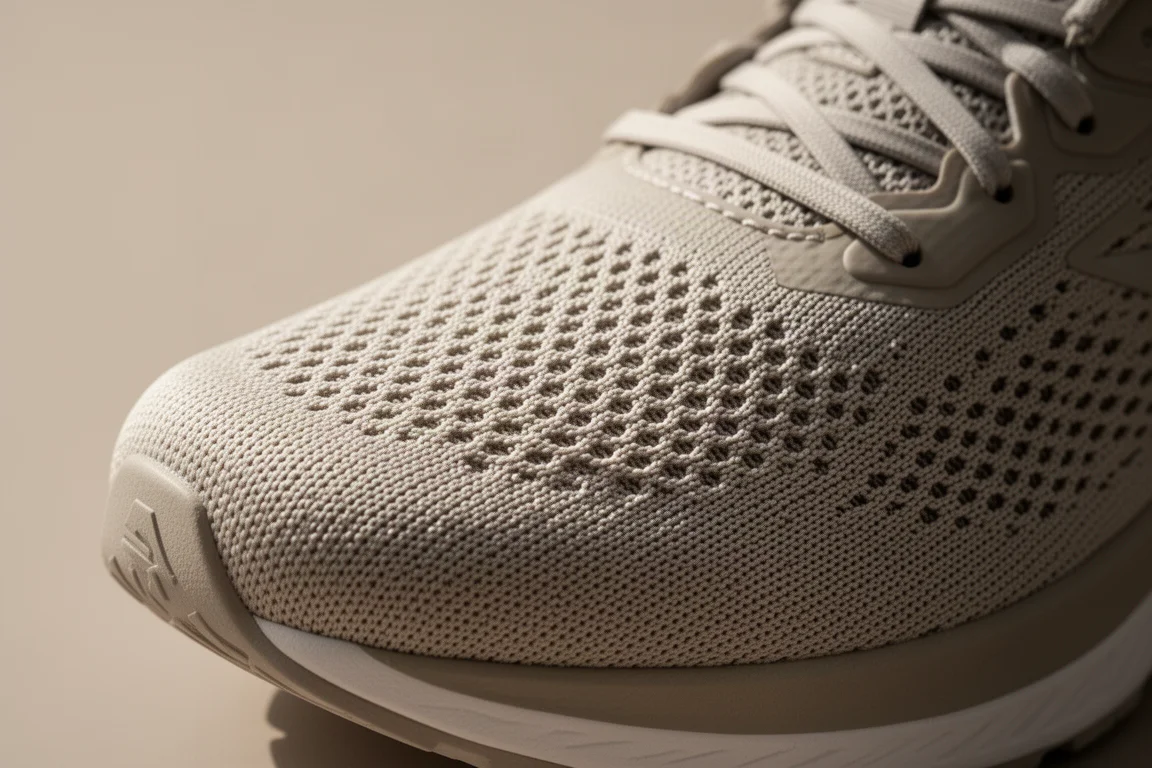
The weight gain comes from a redesigned upper, which Nike says should offer a better fit thanks to more padding around the heel, a new lacing system, and a redesigned midfoot band to hold the foot more snugly. Underfoot, nothing has changed.
Fit and Sizing
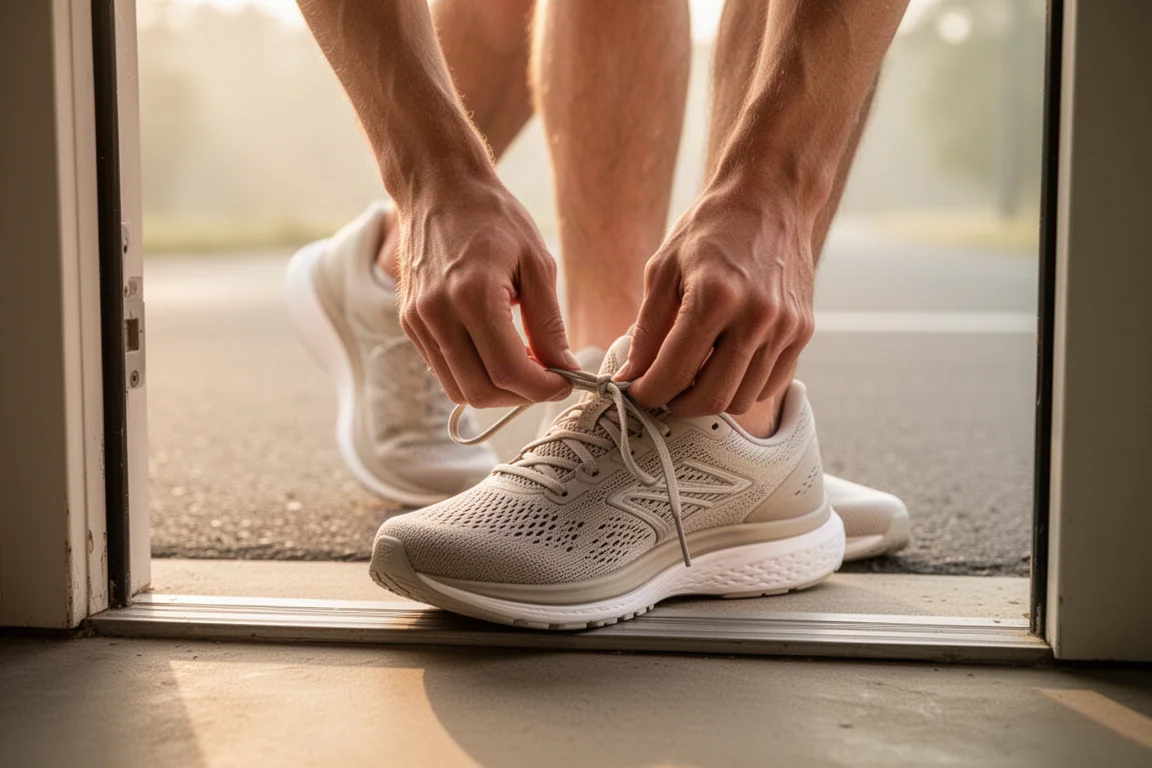
Fit feedback across testers was consistently positive: go true to size. Multiple testers wore their usual running shoe size in UK, US, and EU sizing with no issues, reporting enough room in the toe box and a secure hold through the midfoot and heel. Some noted the shoe runs a touch long up front, but not enough to recommend sizing up or down.
The upper change is the one area with divided opinions. Nike removed the Flywire-style wires that wrapped the upper on the Pegasus 39 in favour of a more traditional lacing system, and one tester with high arches preferred the older locked-in feel. Overall it is a roomy, comfortable shoe rather than a locked-down, booty-style fit, and the changes are subtle enough that most runners will not notice much difference on the run.
Midsole and Ride
Underfoot you get the same setup as the Pegasus 39: a full-length React foam midsole with two Zoom Air units, one under the heel and one under the forefoot, to add a bit of pop. React is a reasonably comfortable, balanced foam that is durable and works for a variety of runs, though it is neither the squishiest nor the most exciting foam on the market. There is no sinking-into-cushioning sensation here; the ride is on the firmer side of neutral.
The ride is smooth and consistent, best suited to easy and long miles. Faster efforts are possible, and it coped with a progression run, but the ride does not give much back in bounce or liveliness compared with livelier daily trainers. On longer hard runs, that traditional, less dynamic feel starts to tell. Comfort over long distances remains a strength, though: even with a modest 23mm forefoot stack, testers reported no forefoot discomfort and found it absorbs impact well.
Outsole, Grip and Durability
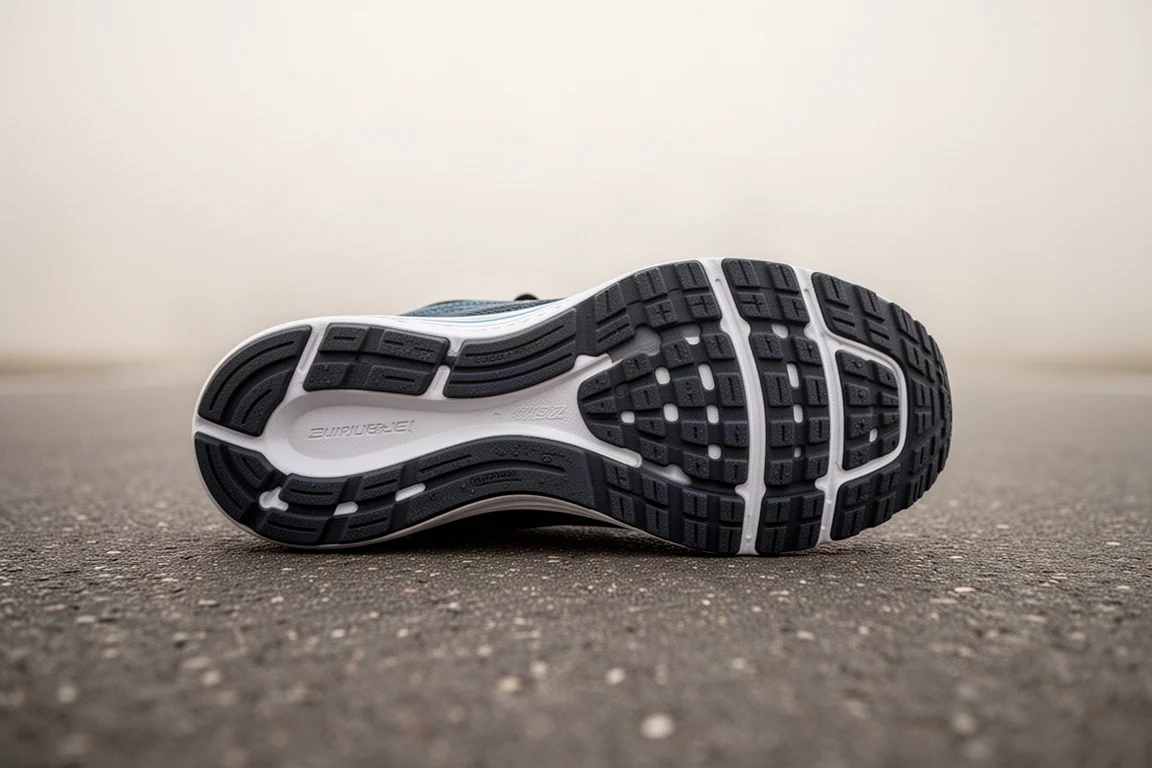
The waffle tread outsole carries over with good rubber coverage and grooves to aid heel-to-toe transition, with almost miniature lugs on the lateral side. Grip impressed across canal towpaths, forest paths, and dry roads, holding up well even though Nike’s trail lineup has had grip issues at times. The Pegasus 40 even works as a road-to-light-trail crossover shoe. Durability looks strong, with plenty of life expected from the outsole.
Stability
For a neutral shoe there are no dedicated stability features such as wide foam sidewalls or firmer frames, but React foam is not overly squishy, so the platform feels reasonably stable. It is more stable than Nike’s more cushioned Invincible, which matters if you want one shoe for both easy miles and quicker work.
How It Compares to Other Daily Trainers
This is where the Pegasus 40 faces real pressure. The Puma Velocity Nitro 2 is cheaper, lighter, has a better outsole and a more exciting midsole, with more pop for fast runs and equal comfort for easy ones; the Pegasus 40’s main advantage is slightly better stability. The Reebok Floatride Energy 5, at around £85 in the UK, is lighter and cheaper while doing many of the same jobs. The On Cloudsurfer is more expensive but smooth, comfortable, lightweight, and arguably a better all-round daily trainer. The Hoka Mach 5, in a similar price range, is thinner and lighter with a more responsive ride, though the Pegasus upper is a bit more accommodating, and the Saucony Ride 16 was also named as a preferred alternative.

Within Nike’s own range, the Pegasus 40 makes sense as the versatile pick: it is more stable than the Invincible and better for faster runs than more cushioned options, while sitting below them in price. But it also highlights that Nike lacks a truly outstanding all-rounder at the top end, where the Pegasus falls short on speed.
Buying Advice
If you loved the Pegasus 39, the Pegasus 40 delivers essentially the same shoe, minus the Flywire and with a little extra weight and cost. The stronger value play is to grab the Pegasus 39 on sale, since the upper changes did not meaningfully alter the running experience. If you are a newer runner or not especially speed-focused and simply want a reliable, comfortable, durable daily trainer, the Pegasus 40 will serve you well. If you want more energy at faster paces, the alternatives above are worth a look first.
Conclusion
The Pegasus 40 is a solid, dependable workhorse daily trainer with a good outsole, durable build, and comfortable ride for easy and long runs. It is not a bad shoe; it is just not an improvement. The weight gain and price increase, paired with a ride near-identical to the Pegasus 39, make the older model the smarter purchase for most people. Fans of an unchanged, proven formula will be perfectly happy. Everyone else should compare carefully before paying full price for the anniversary edition.
Product link
View more details for Nike Pegasus 40
This product is mentioned in the review. Check the specifications, options, and compatibility before buying.
View more details for Nike Pegasus 40Further reading
Related Reviews

Running Shoes
Best Road-to-Trail Running Shoes: Three Versatile Options for Mixed Terrain
A practical guide to three road-to-trail running shoes that handle both pavement and mild trails, with clear strengths and trade-offs for different runner types.

Running Shoes
Best Running Shoes for Achilles Tendonitis: Three Options Explained
Three running shoes with different heel drops and support features designed to help reduce Achilles tendon pain during walking and running.

Running Shoes
Best Running Shoes for Women: Five Top Choices Ranked
A ranked guide to five women's running shoes, from versatile daily trainers to high-performance racing options, with real strengths and trade-offs for each.