Running Shoes
Nike Pegasus 40 First Run Review: Familiar Comfort, Modest Updates
A reliable daily trainer with upper-focused changes, the same proven ride, and a small weight penalty that may make owners of the Pegasus 39 think twice.
Introduction
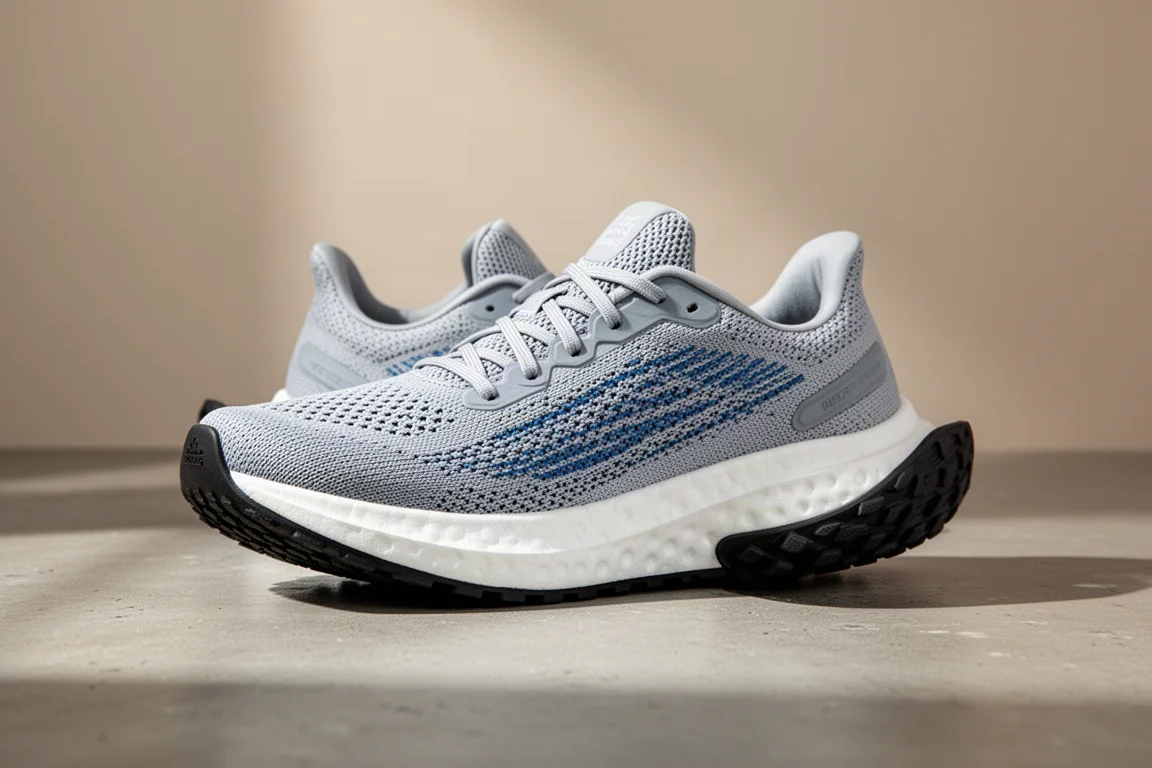
The Nike Pegasus 40 is the latest entry in one of running’s most recognizable shoe lines. It positions itself firmly as a daily trainer and workhorse shoe, suitable for shorter and longer runs alike, with enough capability to handle a bit of speed work. It is a versatile, all-in-one option rather than a specialist racer.
Price-wise, it sits at £125 in the UK and $130 in the US. With the new version out, the Pegasus 39 has dropped to around £80 to $90, which gives a useful sense of how the 40 sits in the lineup. The short version: this is very much a familiar update, and owners of the 39 should think carefully before upgrading.
What Has and Has Not Changed
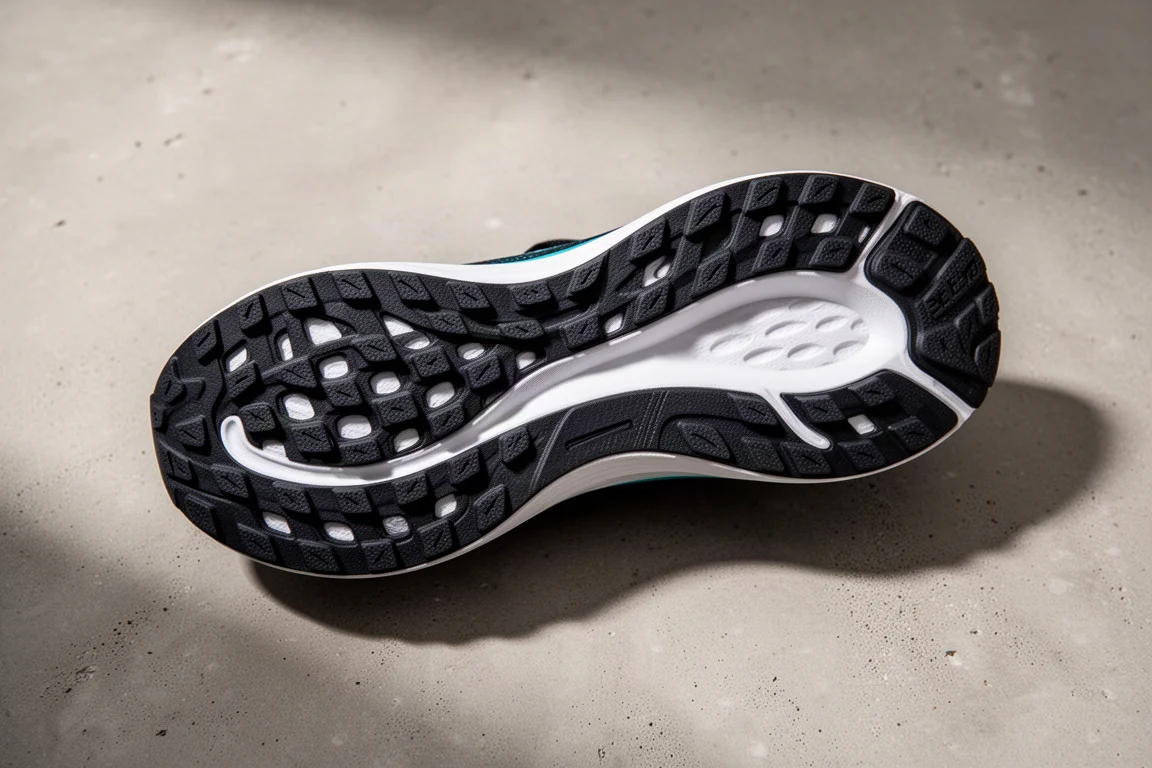
Underfoot, very little has moved. The shoe keeps its 10mm drop, the Nike React midsole, and the two Air Zoom pods that give the Pegasus its characteristic ride. The waffle-style outsole is also carried over, and it is claimed to be able to handle light trail work if you wander off road.
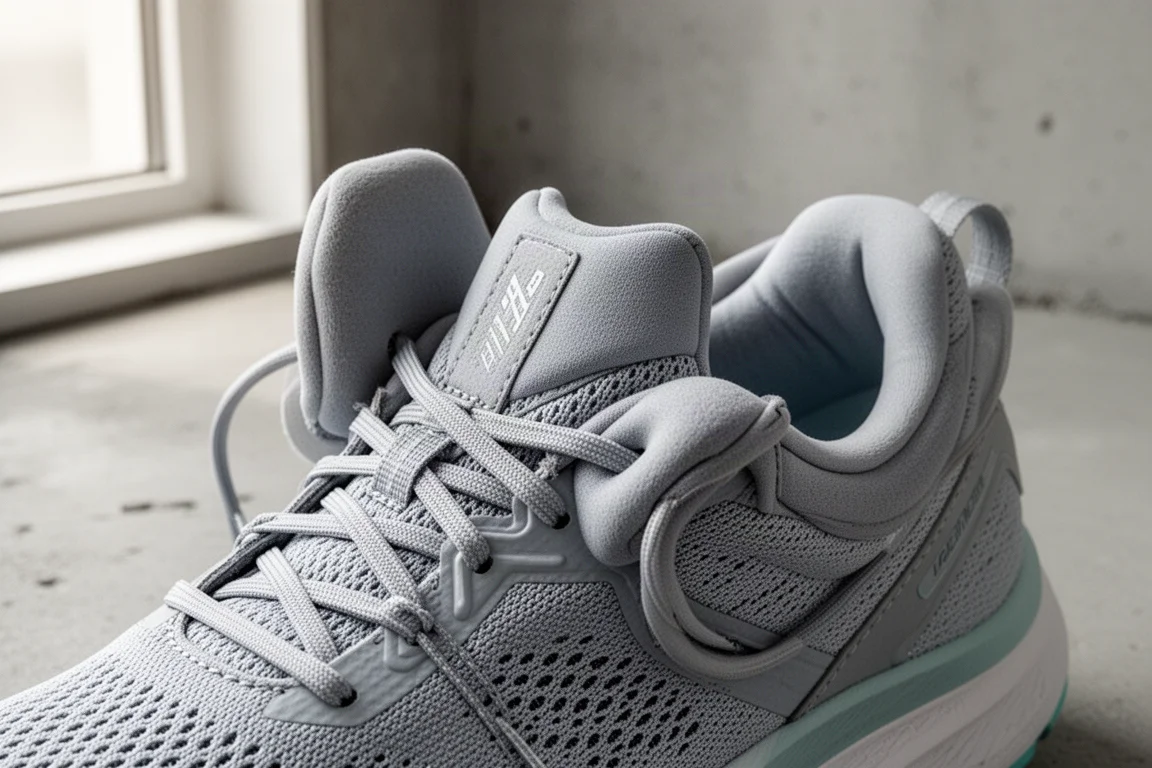
The meaningful changes are concentrated in the upper. There is extra padding on the heel collar, a revised lacing system, and redesigned midfoot bands, all aimed at improving comfort and fit. These are subtle refinements rather than a reinvention, and their benefits are most likely to show up on longer runs.
Fit and Sizing
Fit is very similar to the Pegasus 39, with one quirk worth knowing about: the sizing runs about half a size big compared with most brands. A UK 5 in Nike corresponds to a US 7.5, where many brands would use a UK 7 label for that foot.
The fit itself is super comfortable. There is plenty of room in the toe box, the lacing works nicely, and the padded tongue and generous heel padding produced no rubbing or chafing. The midfoot holds well, and the shoe feels accommodating and spacious, opening the door to a wide range of foot shapes. Sizing up or down half a size was not considered necessary.

Ride and Performance
On an 8K first run that mixed easy pace with some quicker 4:15 per kilometre tempo work, the Pegasus 40 felt exactly like the 39: smooth, consistent, and steady. That is not a surprise given the identical midsole and drop. It handled a session with 2 miles at race pace well, though it is probably not the first choice for a dedicated tempo workout.
The React foam is a firmer midsole foam, used since the Pegasus 37, and it is less plush than Nike’s softer everyday options. That firmness is part of the Pegasus character, and it gives the shoe good versatility: beginners could comfortably do all their sessions in it, from easy runs to faster efforts.
One notable change is in the other direction: weight. The shoe has gained roughly 20 grams at UK size 8, which is a substantial jump when most new iterations cut weight. It is not a super light daily trainer, and some rivals in this category feel lighter.
Who Should Buy It
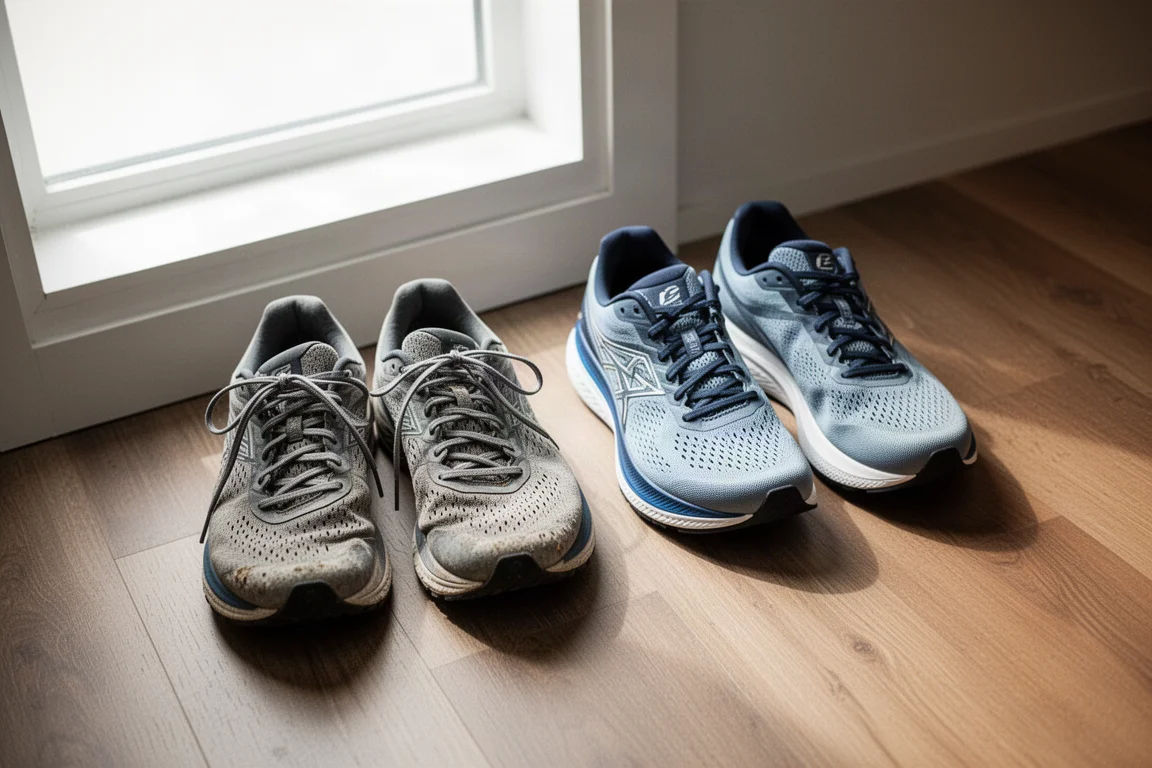
If you are a fan of the Pegasus 39, you will feel at home here, because this is very much more of the same with a slightly more comfortable upper. If you own the 39, an upgrade is hard to justify. Runners coming from an older version like the Pegasus 36 will notice a real difference, since the React foam feels different from that era.
If you are on a budget, the Pegasus 39 at its discounted price is a sensible alternative given how little has changed. If you want the latest Pegasus and value the improved fit and comfort around the arch and heel, the 40 is a good shoe that fits really well and locks in nicely.
How It Compares to Other Daily Trainers
In this price range, the Hoka Mach 5 feels a little more snappy, responsive, and lighter, and its fit works well for narrower feet, while the Pegasus 40 feels more spacious. The Puma Velocity Nitro 2 offers a more exciting ride with similar versatility, and it is cheaper. The Saucony Ride 16 feels a bit more plush with more bounce, with a roomy, accommodating upper, at a similar price.
Conclusion
The Pegasus 40 is the reliable, comfortable, middle-of-the-road daily trainer the Pegasus has always been. It is not the most exciting shoe Nike makes, and the modest upper changes have added weight rather than subtracted it. But it handles easy runs and faster work without complaint, fits well, and remains a very safe pick for anyone whose current daily trainer is a few generations old. For Pegasus 39 owners, the money is better saved.
Product link
View more details for Nike Pegasus 40
This product is mentioned in the review. Check the specifications, options, and compatibility before buying.
View more details for Nike Pegasus 40Further reading
Related Reviews

Running Shoes
Best Road-to-Trail Running Shoes: Three Versatile Options for Mixed Terrain
A practical guide to three road-to-trail running shoes that handle both pavement and mild trails, with clear strengths and trade-offs for different runner types.

Running Shoes
Best Running Shoes for Achilles Tendonitis: Three Options Explained
Three running shoes with different heel drops and support features designed to help reduce Achilles tendon pain during walking and running.

Running Shoes
Best Running Shoes for Women: Five Top Choices Ranked
A ranked guide to five women's running shoes, from versatile daily trainers to high-performance racing options, with real strengths and trade-offs for each.