Running Shoes
Nike Pegasus 39 vs the Rest: How It Stacks Up Against Four Popular Daily Trainers
A practical comparison of the Nike Pegasus 39 against the Puma Velocity Nitro 2, Asics Novablast 2, Hoka Mach 4 and Nike Vomero 16, covering fit, ride feel and durability.
Introduction
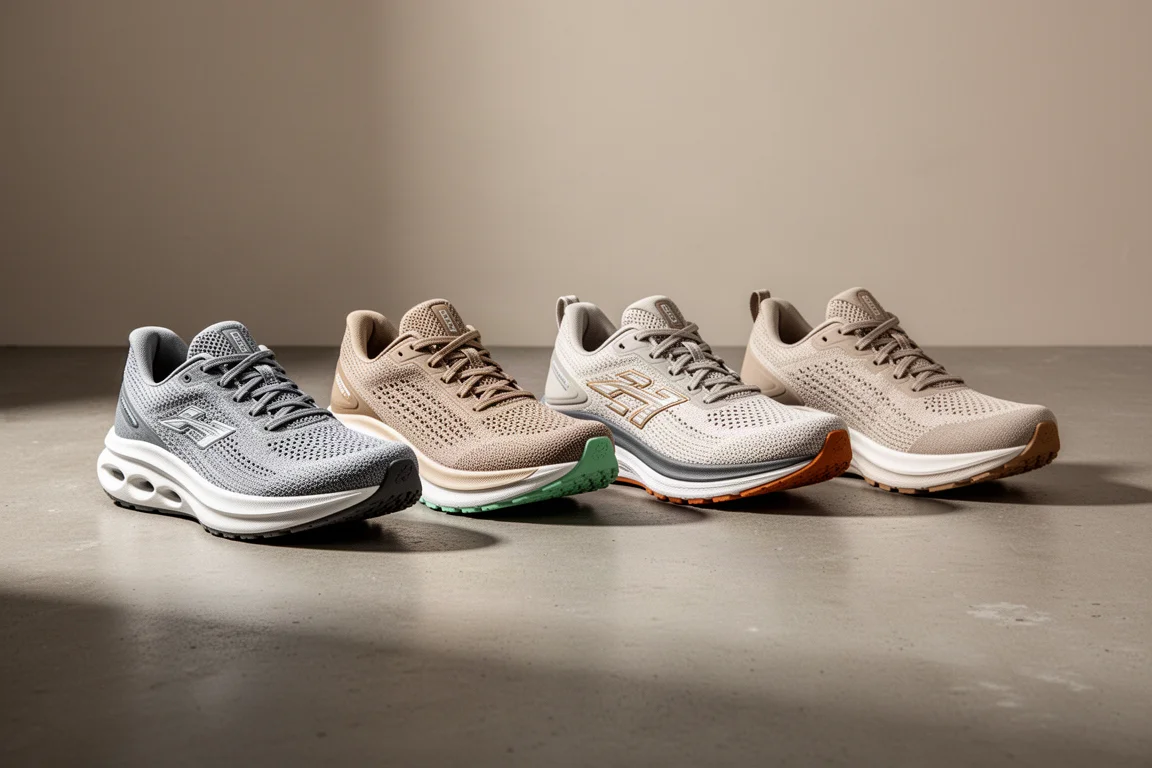
The Nike Pegasus 39 is one of the most requested daily trainers for comparison right now, and for good reason: it sits right at the centre of the crowded everyday-running-shoe market. This comparison pits it against four daily shoes runners frequently cross-shop: the Puma Velocity Nitro 2, the Asics Novablast 2, the Hoka Mach 4 and Nike’s own Vomero 16.
The aim is simple: work out where the Pegasus 39 genuinely pulls ahead, where another shoe makes more sense, and who each shoe is really for.
Nike Pegasus 39 vs Puma Velocity Nitro 2
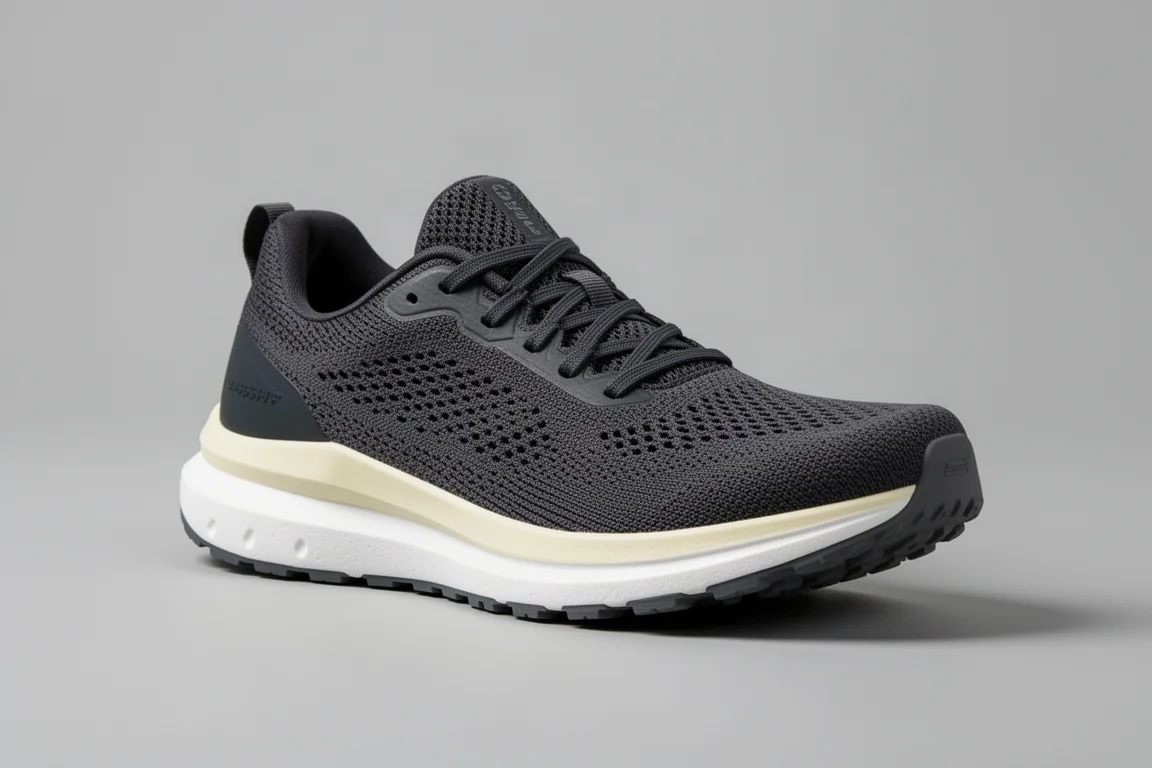
The Velocity Nitro 2 is Puma’s daily shoe, and it is probably the most requested comparison of all the running shoes out there right now. The two share plenty in common, but the fit is where they diverge most.
The toe box in the Puma is somewhat more shallow and narrower, tapering to quite a point in the toe box area. For runners with wider feet that could be a deal breaker, and despite a slightly longer traditional length, many will reach for the Pegasus this time around. Going up half a size in the Puma might buy a little width, but it is a narrow shoe and toes may not be able to splay out enough. There are heel differences too: more padding around the back of the heel in the Puma with a more prominent, present fit around the ankle, while the Pegasus profile feels lower around the ankle and simply drifts away over the miles.

On the ride, the Puma offers a little more squash and compression, while the Pegasus is more responsive out of the box, with a bit more of a rebound feel, likely thanks to its dual air units. Price-wise there is little in it, but the more generous upper fit in the Pegasus 39 puts it ahead of the Puma, though not by an awful lot. The Pegasus also has a more curved feel toward the mid and forefoot, while the Puma looks and feels a little flatter.
Nike Pegasus 39 vs Asics Novablast 2
The Novablast 2 is a very different proposition. It is considerably more compressive than the Pegasus, which makes it a genuinely good easy-day option, especially on days when the legs need extra persuasion to get out the door.
That said, it is arguably too much of a foam mass for faster work. Its appeal is really about impact protection, and it performs best in that very particular role: super loosened up out of the box and an excellent option for easy efforts. Runners after a more cushioned feel should pick the Novablast 2 over the Pegasus 39.
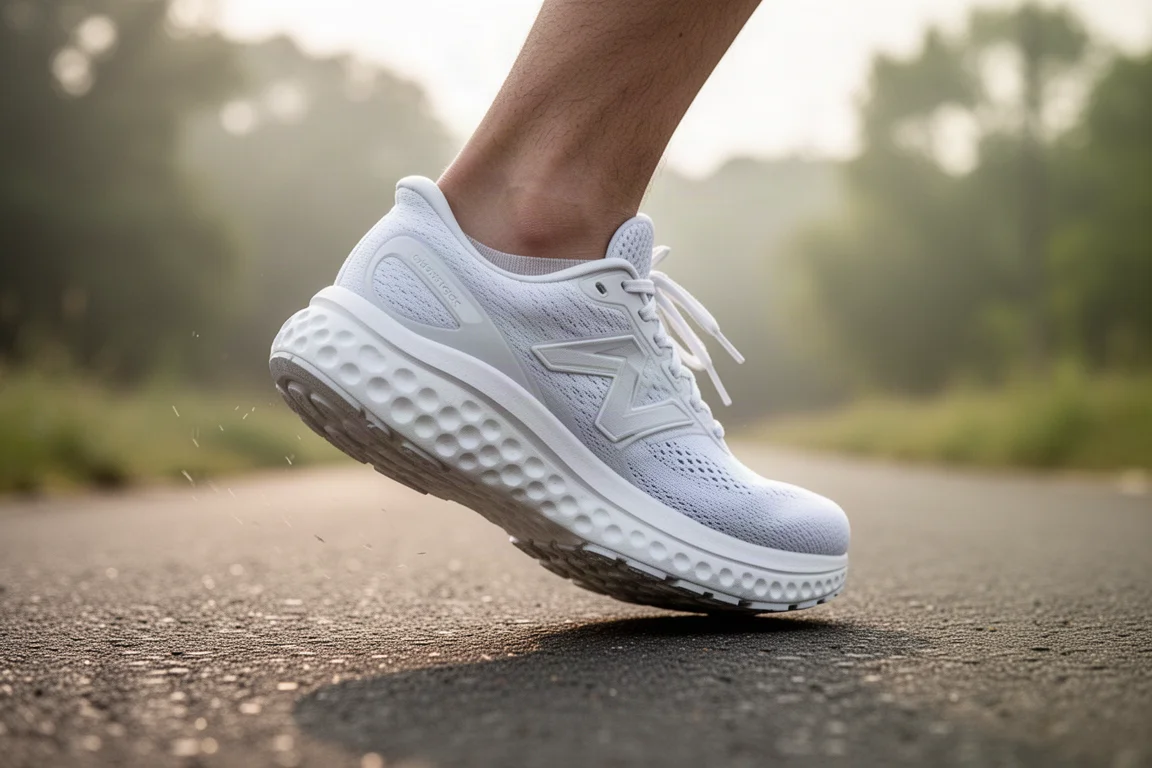
The Pegasus offers far less shoe, which benefits its versatility. It feels sleeker and less like the shoe is doing the heavy lifting for you, with more effort required underfoot. For a daily trainer covering six to seven miles at a time, that is arguably a good thing. Note that the Pegasus ride loosens up around 70 miles, whereas the Novablast feels great immediately.
Weight is close between the two. The Novablast is a little more expensive, while the Pegasus feels a little more responsive underfoot. If you want compression, go Novablast; if you want something more responsive and versatile, the Pegasus 39 is a good deal.
Nike Pegasus 39 vs Hoka Mach 4
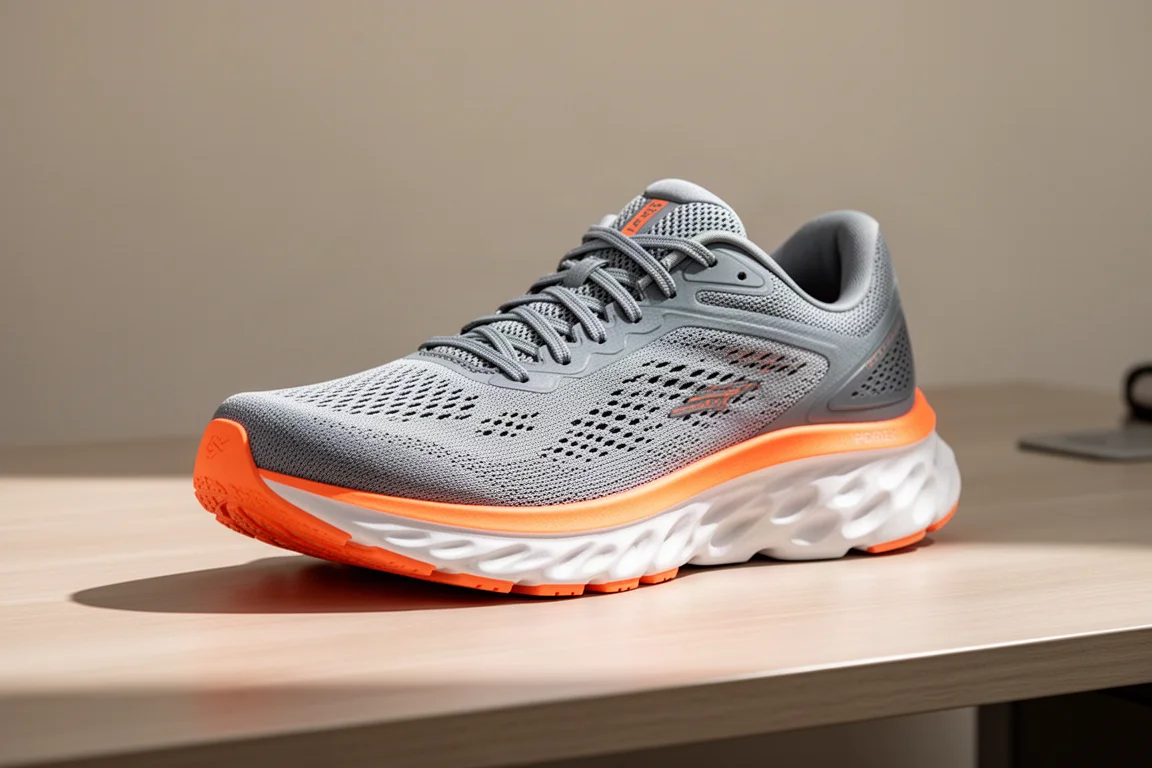
The Mach 4 is a slightly odd one. The upper is perhaps one of the better recent Hoka uppers, light and never uncomfortable, though swapping in shorter, less flexible laces helped achieve a proper lockdown. The underfoot feel is also more in line with a classic daily shoe: lower profile and less present, thanks to a dual midsole with a sliver of slightly more compressive ProFly material on top of EVA.
Two issues stand out. First, that exposed EVA midsole really does not like colder temperatures. Second, the outsole started crumbling away quickly, so the Pegasus clearly has the edge on grip and durability. The exposed foam outsole is always going to wear down faster, even though the EVA makes the Mach 4 a touch lighter.
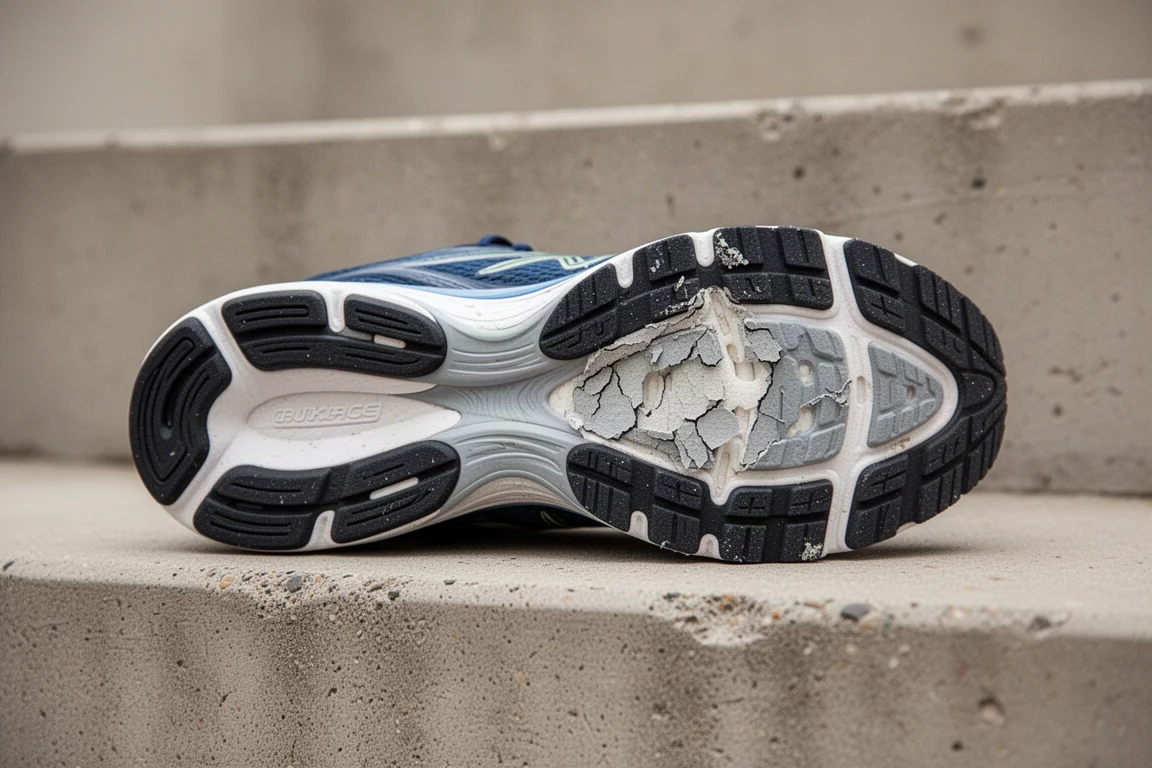
As a ride, it felt good at a couple of paces but never as inspiring as the Pegasus 39, which worked for easy miles, tempo work and even 200 to 400 metre repeats. The Mach 4 is versatile but not quite as responsive or forgiving underfoot, given there is only a sliver of ProFly foam. It also costs a bit more than the Pegasus, and it has slowly drifted out of the rotation. The Pegasus 39 trumps it for both durability and versatility.
Nike Pegasus 39 vs Nike Vomero 16
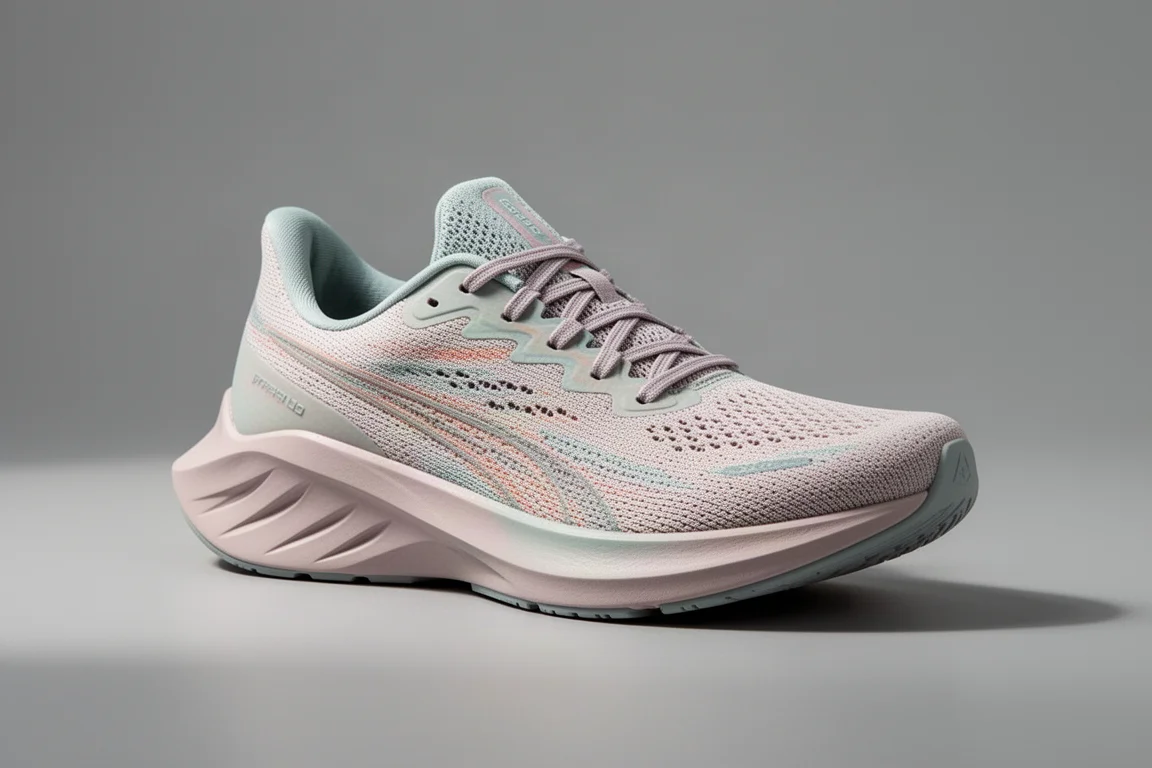
The Vomero 16 was a long-standing favourite daily shoe before the Pegasus 39 arrived, and it remains a close call. Its SR-02 midsole material is very compressive, with a hint of ZoomX, making it a super soft and really great cushioned long run shoe. The outsole is pretty superb, with similar grip to the Pegasus and a very versatile set of lugs.
The trade-offs: the Vomero 16 has a more bulky upper that is probably a tad warmer in hot summer months, it is a touch heavier, and it carries a heavier price on the wallet too. Meanwhile the Pegasus shows a little mid-foot wear around 70 miles, though similar wear appears on plenty of other brands’ shoes at that point too.

Use case is the deciding factor. The Pegasus is fine up to about 10 miles, but for longer, slower runs the Vomero 16 comes into its own with more cushion and squash and a more plush feel. If forced to choose just one of the two, the Vomero arguably still has a little bit more there, especially for marathon or longer-distance training.
Overall Buying Advice
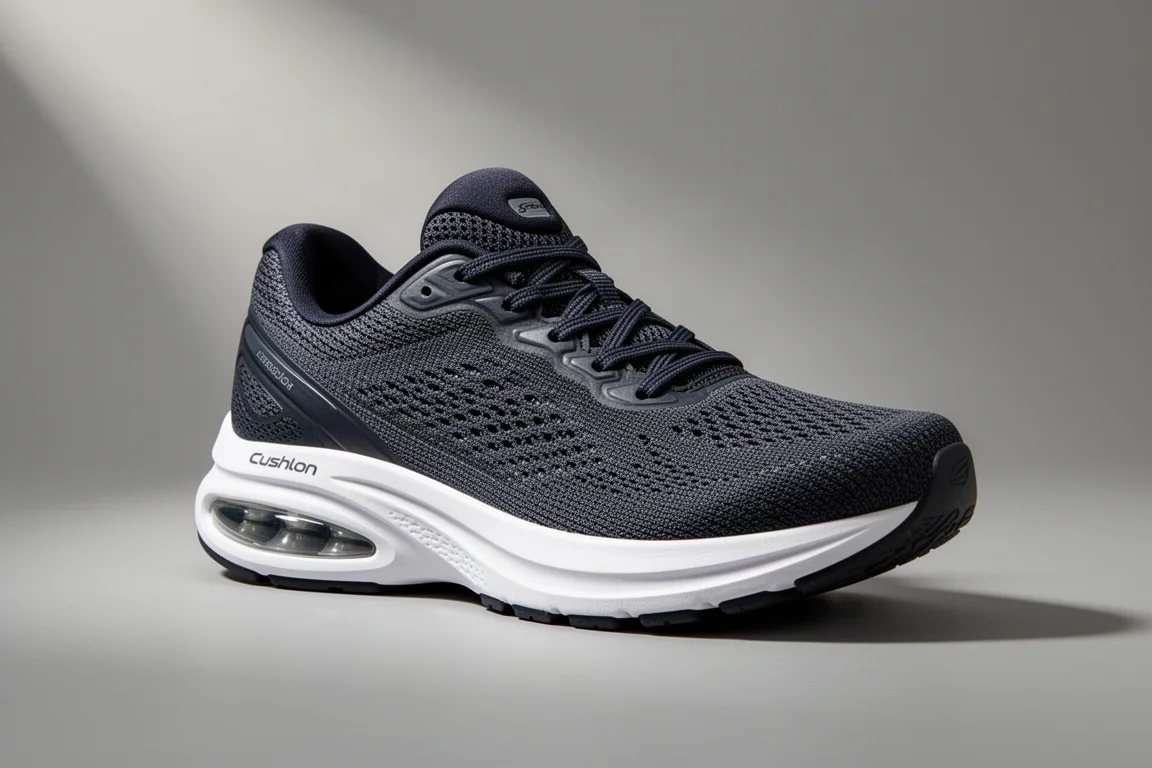
The Pegasus 39 earns its reputation as a genuinely versatile daily trainer: responsive out of the box, reasonably durable, comfortable across easy miles, tempo work and shorter repeats, with a more generous upper fit than most rivals here. The comparisons suggest the Pegasus is the better all-rounder, while each rival wins a narrower brief.
If the priority is plush, easy-day comfort, choose the Novablast 2. If marathon or long slow run cushioning matters most, the Vomero 16 has more there despite the extra weight and cost. The Puma Velocity Nitro 2 is close on price and ride but narrower in fit, and the Mach 4 trails the Pegasus on grip, durability and value. Match the shoe to the runs you actually do most and the choice becomes straightforward.
Conclusion
Across four head-to-heads, the Nike Pegasus 39 holds up as the most balanced daily trainer of the group, but it is not the automatic winner for everyone. Runners chasing cushioning, long-run comfort or a different fit should look at the alternatives, because each of these shoes does one thing a little better. The best pick is the one that matches your own mix of easy miles, speedwork and long runs.
Further reading
Related Reviews

Running Shoes
Best Road-to-Trail Running Shoes: Three Versatile Options for Mixed Terrain
A practical guide to three road-to-trail running shoes that handle both pavement and mild trails, with clear strengths and trade-offs for different runner types.

Running Shoes
Best Running Shoes for Achilles Tendonitis: Three Options Explained
Three running shoes with different heel drops and support features designed to help reduce Achilles tendon pain during walking and running.

Running Shoes
Best Running Shoes for Women: Five Top Choices Ranked
A ranked guide to five women's running shoes, from versatile daily trainers to high-performance racing options, with real strengths and trade-offs for each.