Running Shoes
Nike Pegasus 39: What the Midsole Looks Like When Cut Open
A close look at the Pegasus 39's internal cushioning, including the forefoot air bag and the heel unit added for this generation.
Introduction
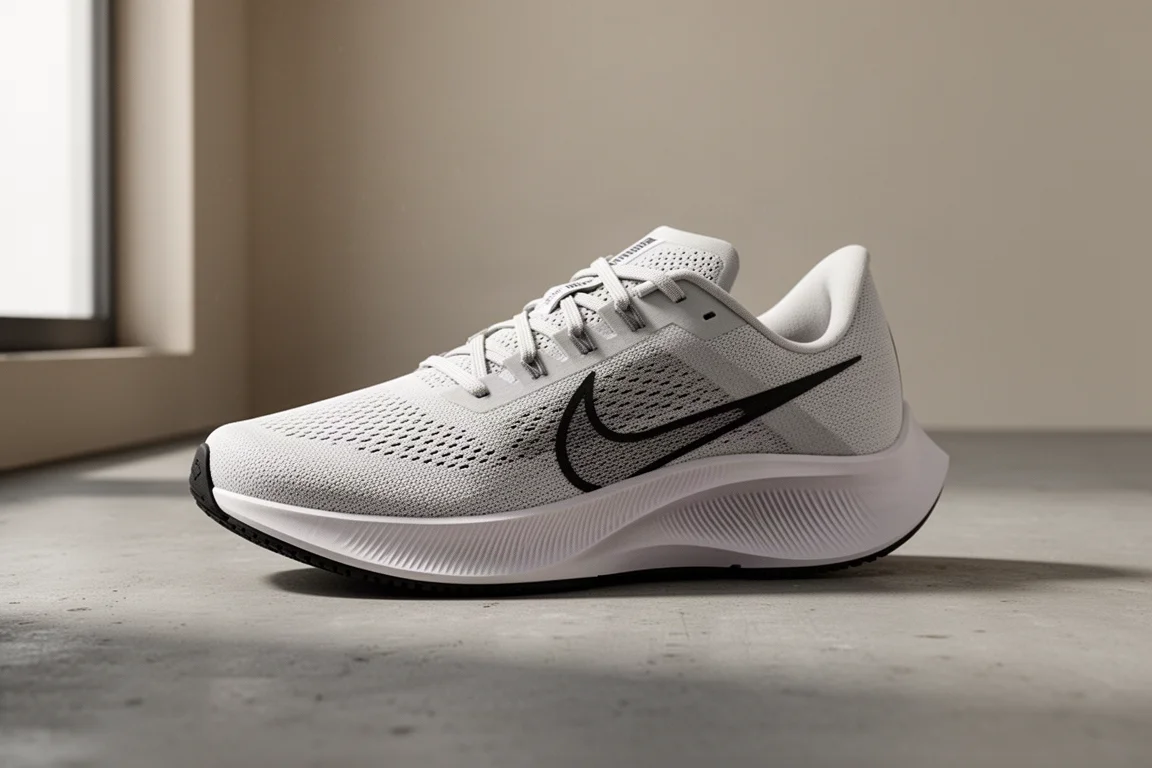
The Nike Pegasus line has been around since 1983, and the Pegasus 39 carries a long-running formula into another season. To understand how its cushioning actually works under the foot, we cut the midsole open and looked at the internal structure. What we found is a forefoot air bag in excellent condition after the cut, and evidence of a heel air unit that is new for the 39.
Who This Shoe Is For
The Pegasus 39 is aimed at everyday runners and trainers who want a dependable daily shoe with responsive cushioning rather than a max-cushion ride. Anyone who has logged miles in the Pegasus 35, 36, 37, or 38 will recognize the general intent, and the 39 is best understood as an evolution of that same daily-trainer DNA.
It also suits runners who care about construction details. Many long-time Pegasus wearers have commented over the years that they prefer the simplicity of the 35 and 36, so knowing exactly what changed inside the 39 is useful before committing.
The Forefoot Air Bag
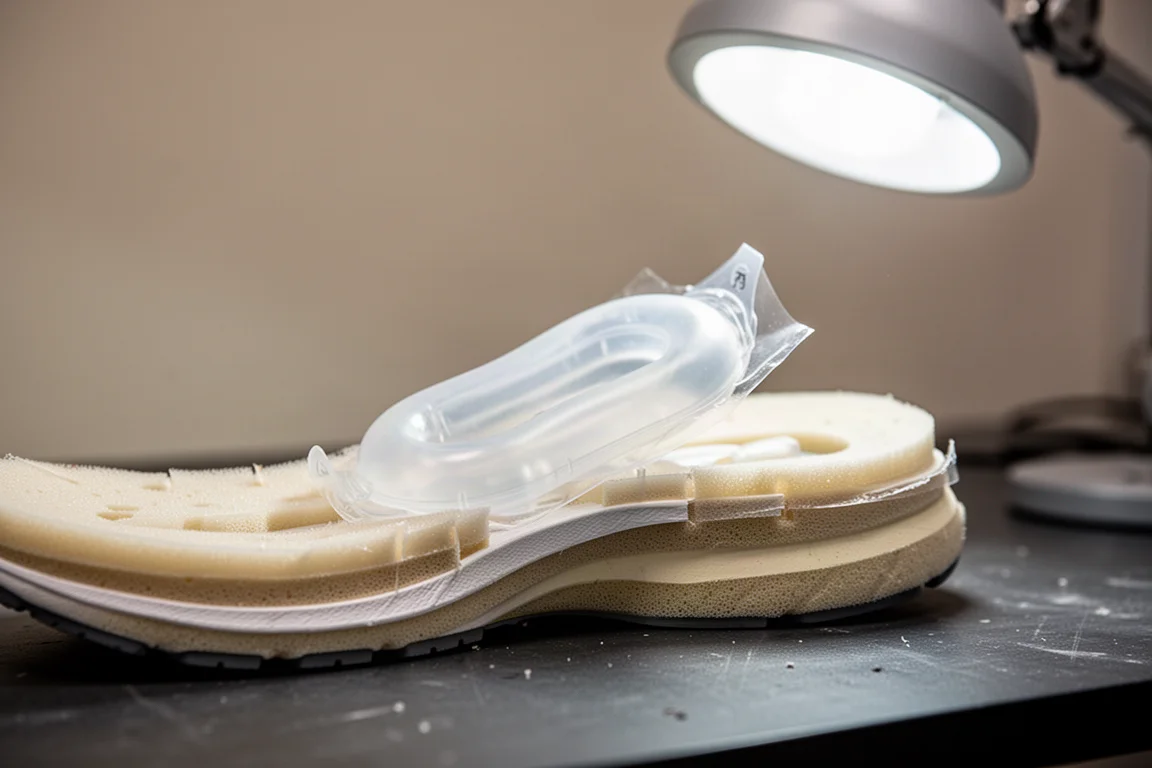
The headline of the cut-open Pegasus 39 is the forefoot air bag. It survived the dissection intact, which made it possible to see and handle the unit directly. Printed inside the chamber was a size marking, which suggests the air bags may be tuned to each shoe size rather than being identical across the range. That is an interesting detail for anyone wondering why the ride can feel different between sizes.
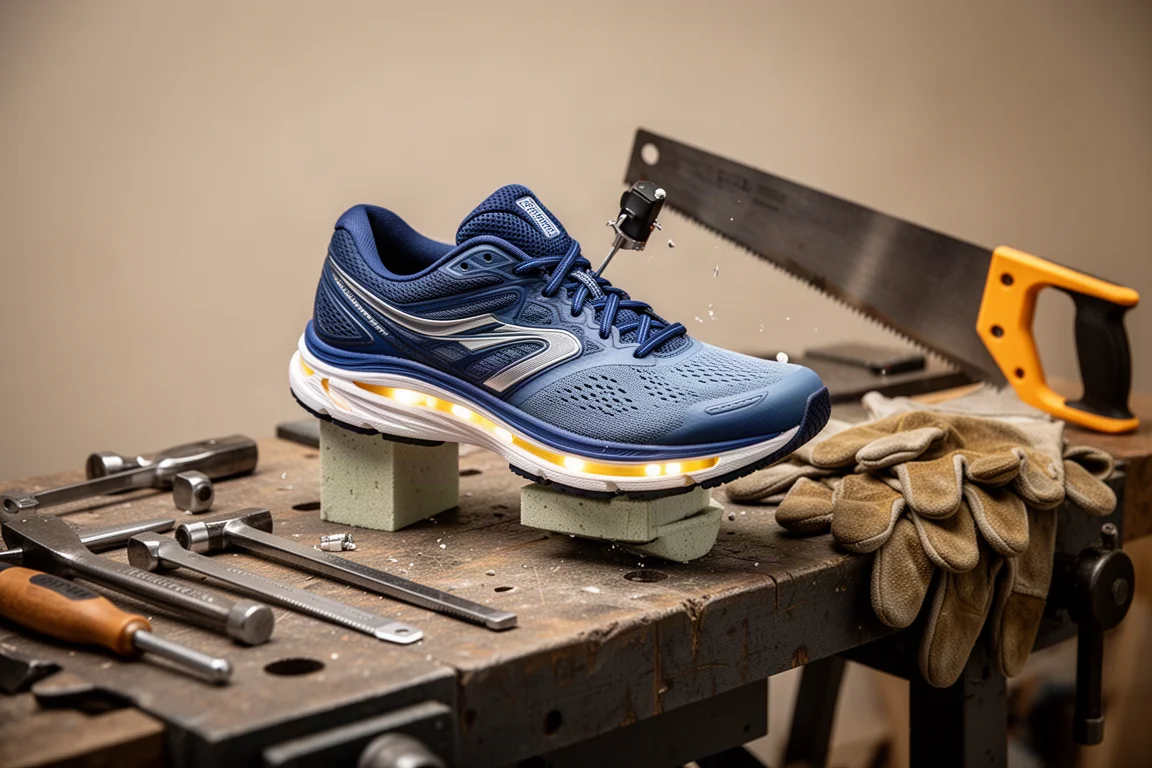
Peeling the unit free from the surrounding foam took patience, since the goal was to preserve it for comparison with future Pegasus versions. It came out cleanly and shows a well-built, pressurized cushioning chamber sitting directly in the forefoot, where toe-off loads are highest.
The Heel Air Unit and What It Means
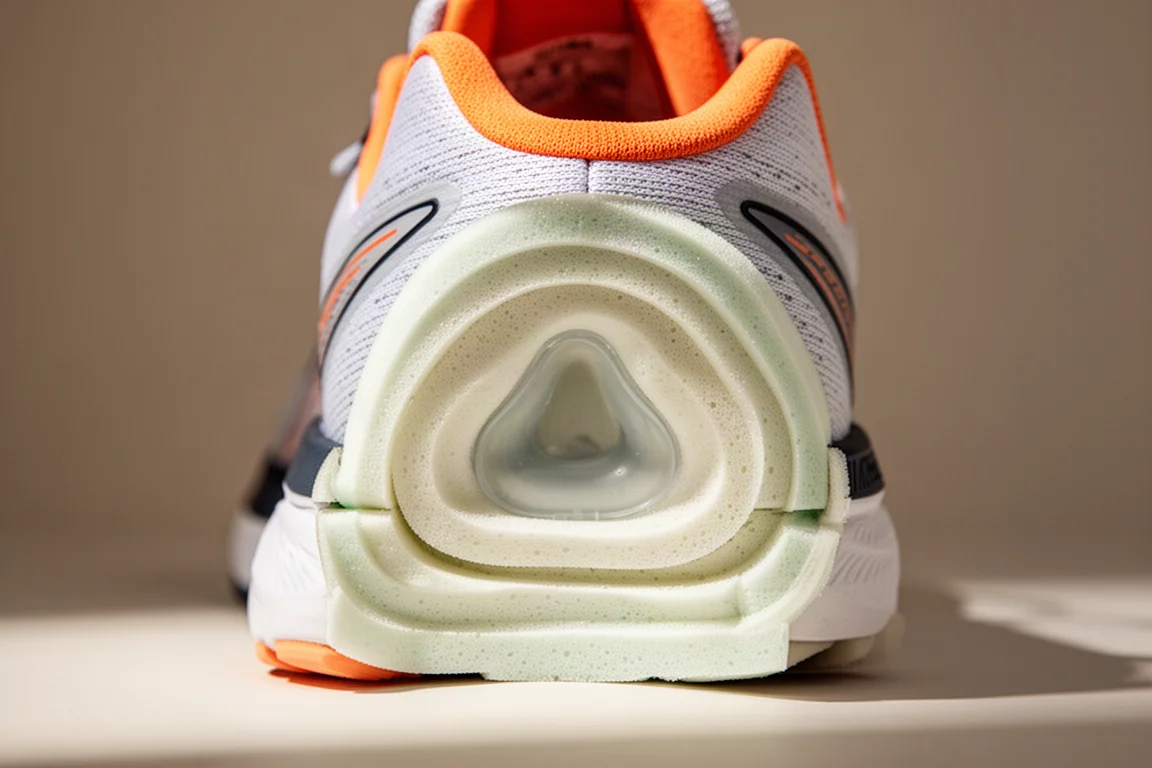
The heel tells a different story. A heel air unit appears to have been added for the 39, and during the cut its tear-shaped outline became visible in the foam. It sits a little more buried than the forefoot bag, which is why it is harder to extract intact.
The practical takeaway is that the 39 uses air cushioning at both ends of the shoe, with the forefoot unit being the easiest to appreciate. Compared with earlier Pegasus models in the archive, the 37 was a major update over the 36, and the 39 continues that pattern of reworking the cushioning package rather than playing it completely safe.
Things to Consider Before Buying
This is a daily trainer with visible, tunable air cushioning in the midsole, not a stripped-back simple foam shoe. If you loved the minimal feel of the 35 or 36, the 39’s dual air units change the character of the ride. It is also worth noting that the construction is more involved than it looks from the outside, which matters if you like knowing what your money buys.
Buying Advice
If you want a proven daily trainer with a responsive forefoot and a newly added heel air unit, the Pegasus 39 is a reasonable pick. If you prefer the simpler cushioning of older generations, consider comparing it against a 36 before upgrading. Long-time fans of the line will find the 39 a logical continuation of what made the Pegasus a fixture since 1983.
Conclusion
Cutting open the Pegasus 39 revealed a well-preserved forefoot air bag, size-specific internal markings, and a heel air unit new to this generation. For everyday runners, that combination makes it a thoughtfully updated daily trainer rather than a simple refresh.
Product link
View more details for Nike Pegasus 39
This product is mentioned in the review. Check the specifications, options, and compatibility before buying.
View more details for Nike Pegasus 39Further reading
Related Reviews

Running Shoes
Best Road-to-Trail Running Shoes: Three Versatile Options for Mixed Terrain
A practical guide to three road-to-trail running shoes that handle both pavement and mild trails, with clear strengths and trade-offs for different runner types.

Running Shoes
Best Running Shoes for Achilles Tendonitis: Three Options Explained
Three running shoes with different heel drops and support features designed to help reduce Achilles tendon pain during walking and running.

Running Shoes
Best Running Shoes for Women: Five Top Choices Ranked
A ranked guide to five women's running shoes, from versatile daily trainers to high-performance racing options, with real strengths and trade-offs for each.