Running Shoes
Nike Pegasus 39 Long Run Review: A Daily Trainer That Holds Its Own Past 10 Miles
After 43-plus miles of testing, including a 10-mile effort on tired legs, we look at how the Pegasus 39 handles longer distances, where it shines, and what to watch.
Introduction
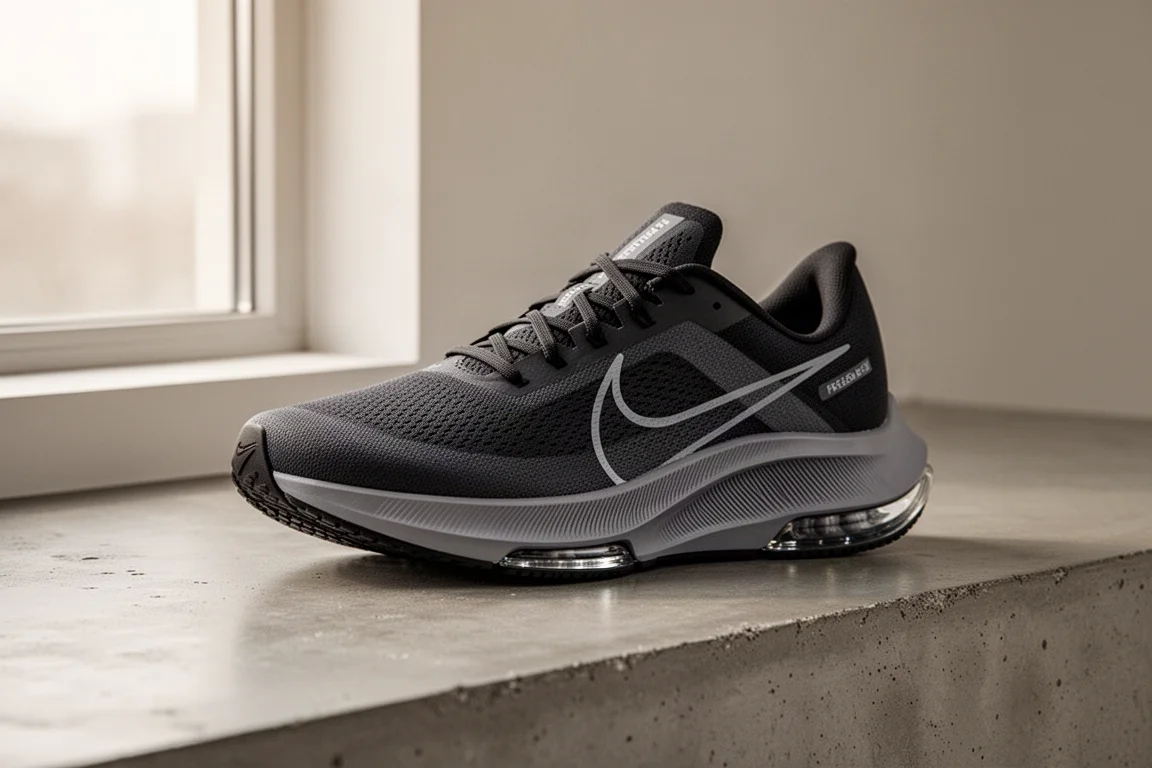
The Pegasus 39 sits in that familiar Nike spot: the all-purpose daily trainer built for grinding out the miles and kilometers in training. It is a jack-of-all-trades shoe, nimble enough for faster, shorter bursts but equally comfortable settling into easier daily efforts. It is also a bit lighter than the Pegasus 37 and 38 that came before it, which raises a fair question: does it tick more boxes than the previous versions?
This review focuses on a specific scenario many buyers care about: how the shoe holds up over longer runs, once the legs are tired and the miles start adding up.
A 10-Mile Test on Tired Legs
The test route was a 10-mile, 15.8-kilometer effort run on very tired legs, finished in about 1 hour 22 minutes at temperatures around 10 degrees C. Six 200-meter reps were thrown in later in the run, partly for variety and partly to test how the shoe behaved at harder efforts on energy-sapped legs. Conditions were cool at the start but the day warmed up fast, and a later start would likely have been miserable.

That mix is actually a good stress test for a daily trainer: it has to cushion easy miles and still feel stable when you push the pace. The Pegasus 39 managed both without drama, which is exactly what you want from this category.
Upper and Fit
Over a longer effort, shoes with air units tend to loosen up as the whole structure gives a little. That showed up here. Even with a runner’s knot, all the laces needed tightening and re-tying around the 45-minute mark, which added a bit of time to the run. The lesson is simple: you need a solid connection between foot and midsole to get the best out of this shoe. When you can really feel the air units underfoot, it feels noticeably more responsive.
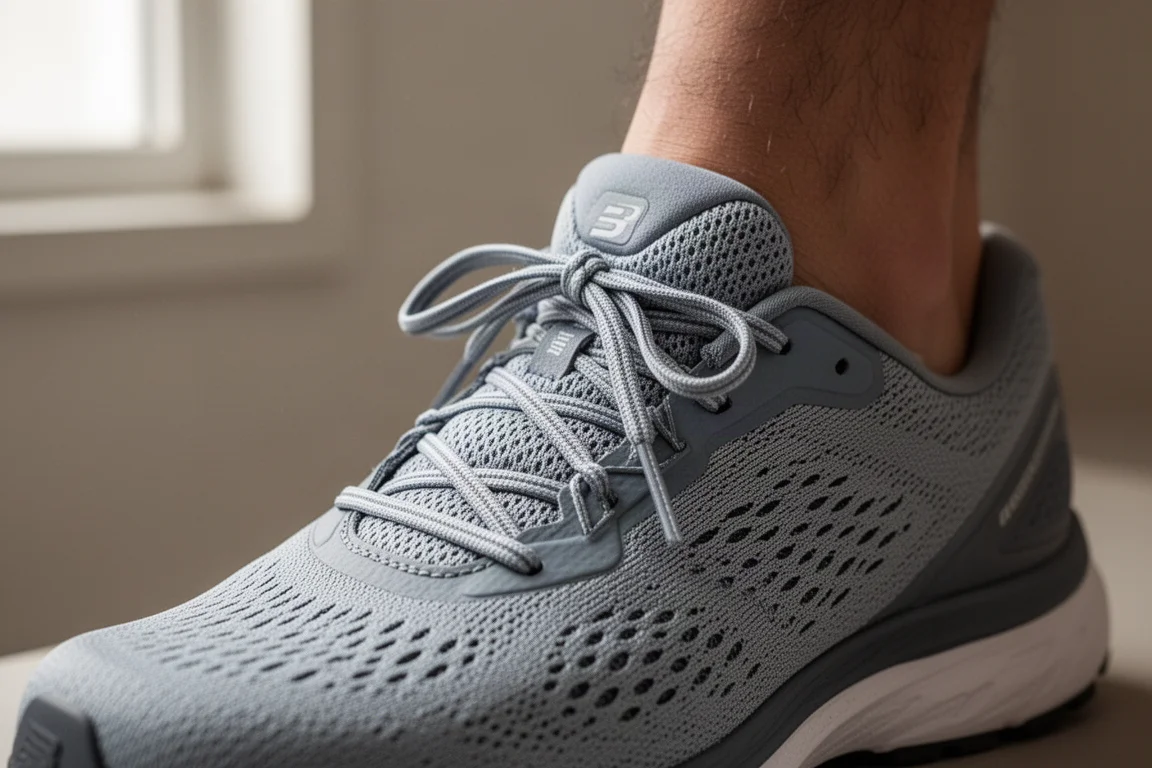
The positives outweighed that minor hassle. The shoe was breathable throughout, with no heel slip despite the lacing flex. Toe box height, width, and depth feel spot-on, and the overall profile works both aesthetically and from a fit point of view. Some runners find the Pegasus line runs warm, but that was not the experience here even in warmer conditions. If you liked the Pegasus 36, this upper is probably as close to that feel as you will find in 2022.
Midsole: React Foam and Air Units
After about 43 miles of testing, the midsole is proving capable, though there is a fair bit of creasing in the mid to forefoot. The key change in the 39 is a minimized amount of React foam, which makes the whole unit more flexible. There is simply less dense foam where the air units are incorporated in both the heel and forefoot. Compared to the 37, which feels a bit like a clog, and the 38, which improved on it, this version has much more give.
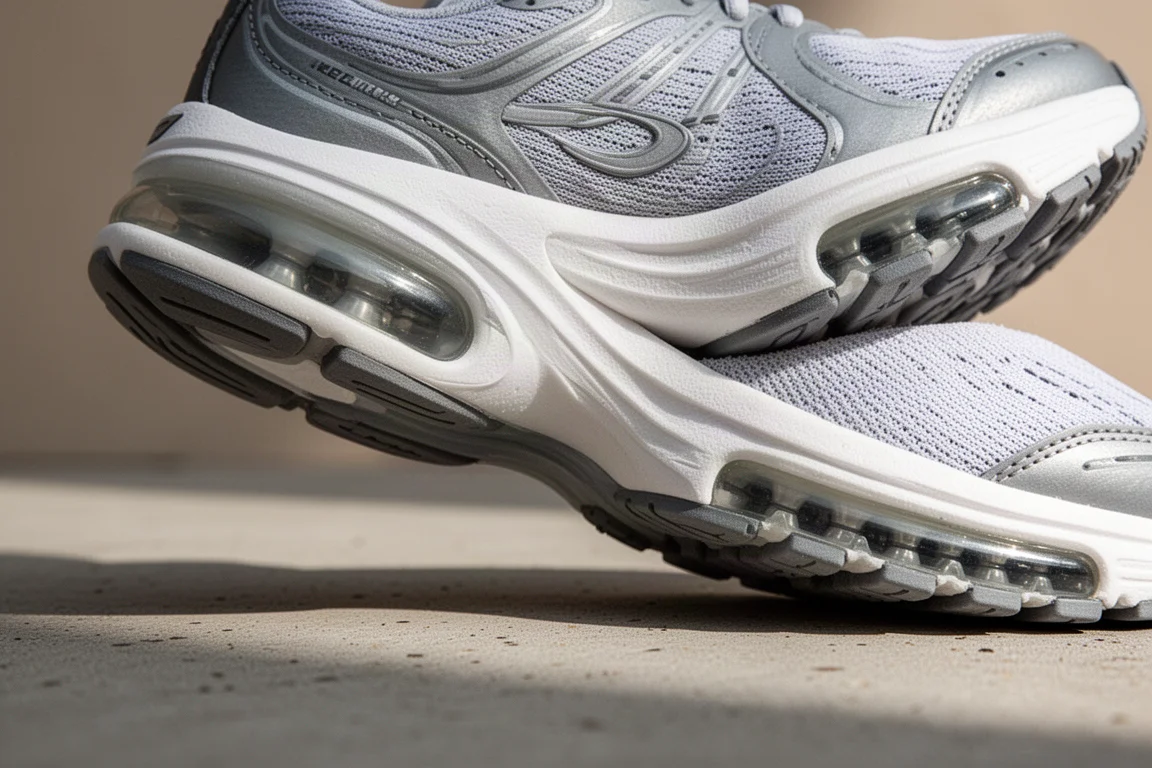
The air units themselves work more efficiently too. The heel unit provides a little more impact protection at slower speeds, while at faster bursts the forefoot unit engages without feeling overly pressurized. The balance has shifted: a slightly larger heel air unit paired with a slightly smaller forefoot one, and the combination just works.
On cushioning, the midsole was comfortable enough to guide the way through a first double-digit run in a long time. Other shoes offer more cushion and more forgiveness, but many of those cost 50 to 100 pounds more. This is a really good solid shoe that is not too solid, and you can even find it at mainstream retailers like Sports Direct. Realistically, this is not the shoe for much beyond 13 or 14 miles in a single effort, though that limit is as much about tired legs as the shoe itself.
Outsole and Durability
The outsole is where the first real concern shows up. On the test pair, the outsole has gone almost concave around the midfoot area where the air unit sits. It does not affect how the shoe feels while running, but it looks strange. On the plus side, grip was great, with a new rubber pattern and positioning handling road, pavement, and grass with little to trouble it in the traction stakes.
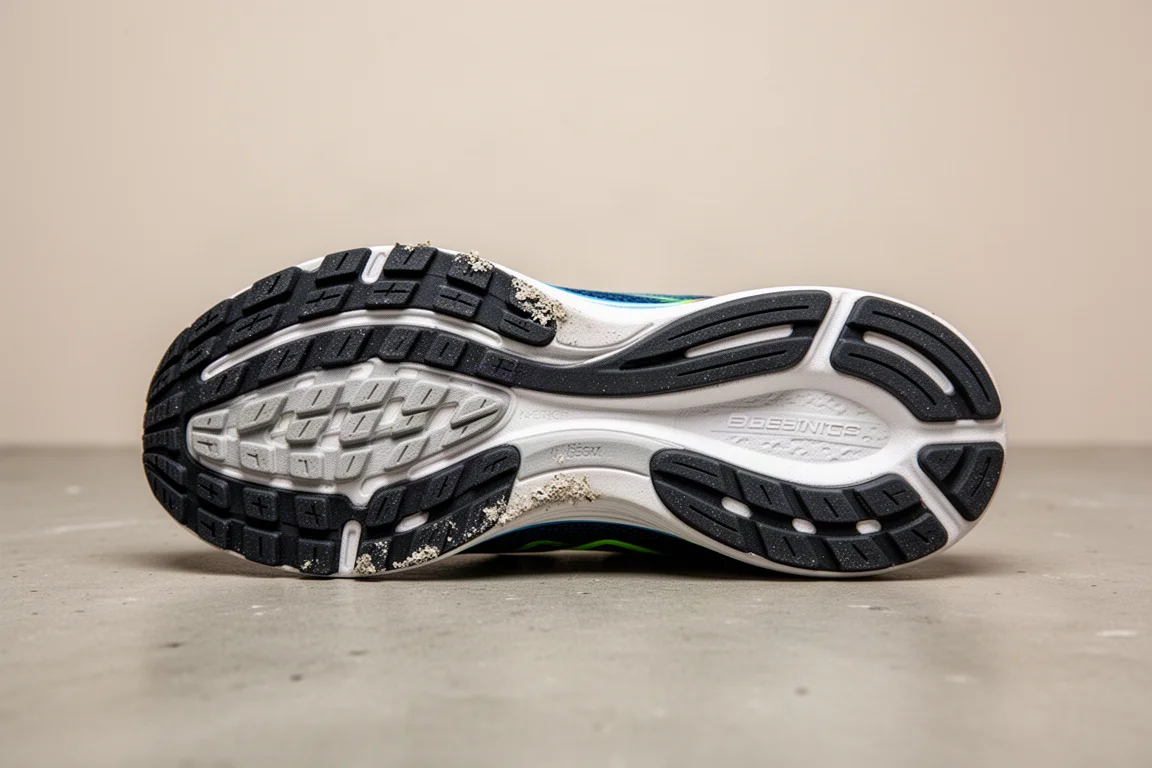
The worry is wear. There is more aggressive wear at the front of the second rubber section of the midfoot, and the rubber on the lateral side of the heel is wearing down faster than in previous versions, with visible wear before even reaching 50 miles. That is worth keeping an eye on if you plan high mileage in this shoe.
Buying Advice
If you want one shoe to handle daily miles, occasional faster reps, and the odd longer run, the Pegasus 39 makes a strong case. Its flexibility is a genuine step up from the 37 and 38, the fit is dialed in, and the price undercuts many max-cushion alternatives by a wide margin. If your long runs regularly stretch well past 14 miles, or if outsole durability is a top priority, you may want to look elsewhere or keep this shoe rotated with a more cushioned option.
Conclusion
The Pegasus 39 is a well-balanced daily trainer that handled a 10-mile effort on tired legs with composure: breathable upper, flexible midsole, dependable grip, and a price that leaves plenty of budget for the rest of your kit. The two things to watch are laces loosening on longer efforts and faster-than-expected outsole wear. Neither is a dealbreaker, but both matter if you are racking up serious weekly mileage. For everyday training, it earns its place on the shoe rack.
Product link
View more details for Nike Pegasus 39
This product is mentioned in the review. Check the specifications, options, and compatibility before buying.
View more details for Nike Pegasus 39Further reading
Related Reviews

Running Shoes
Best Road-to-Trail Running Shoes: Three Versatile Options for Mixed Terrain
A practical guide to three road-to-trail running shoes that handle both pavement and mild trails, with clear strengths and trade-offs for different runner types.

Running Shoes
Best Running Shoes for Achilles Tendonitis: Three Options Explained
Three running shoes with different heel drops and support features designed to help reduce Achilles tendon pain during walking and running.

Running Shoes
Best Running Shoes for Women: Five Top Choices Ranked
A ranked guide to five women's running shoes, from versatile daily trainers to high-performance racing options, with real strengths and trade-offs for each.