Running Shoes
Nike Pegasus 39 Initial Impressions: A Lighter Take on a Trusted Trainer
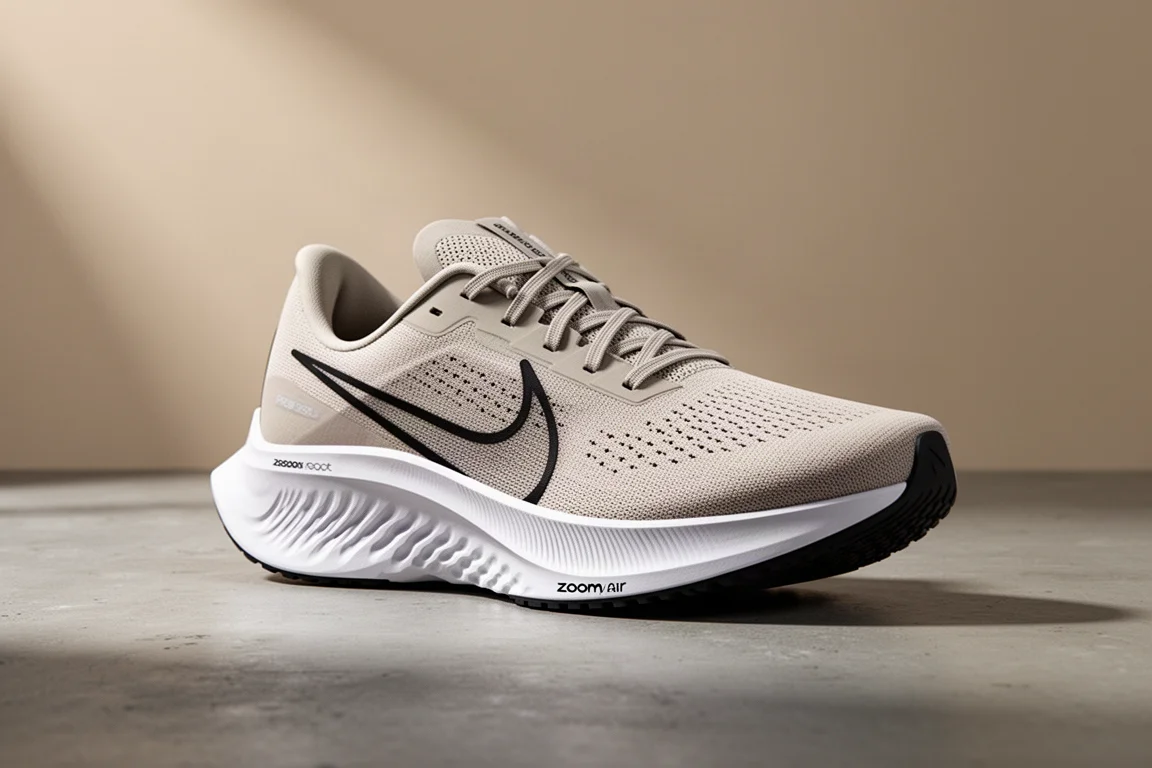
The 39th version of the Pegasus drops meaningful weight, adds a second Zoom Air unit, and firms up the ride slightly while keeping the versatile DNA of the line.
Introduction
Any running shoe that reaches its 39th version has earned its place as a go-to trainer for a lot of runners, and the Nike Pegasus 39 keeps much of the feel and DNA that made the line so popular. At the same time, this version brings one of the more substantial updates the series has seen in a while, and it is worth understanding what changed before deciding whether to upgrade.
After initial miles in the shoe, the story is fairly clear: a noticeable weight reduction, a new dual Zoom Air setup, and a ride that runs slightly firmer than the previous version. Here is what stands out early on.
A Meaningful Weight Drop Through the Upper
The headline change is on the scale. In a men’s size 9, the Pegasus 39 weighs 9.5 ounces, down from above 10 ounces in the previous version. That is a significant drop for a shoe at this position in the lineup, and a lot of the saving comes from the upper.
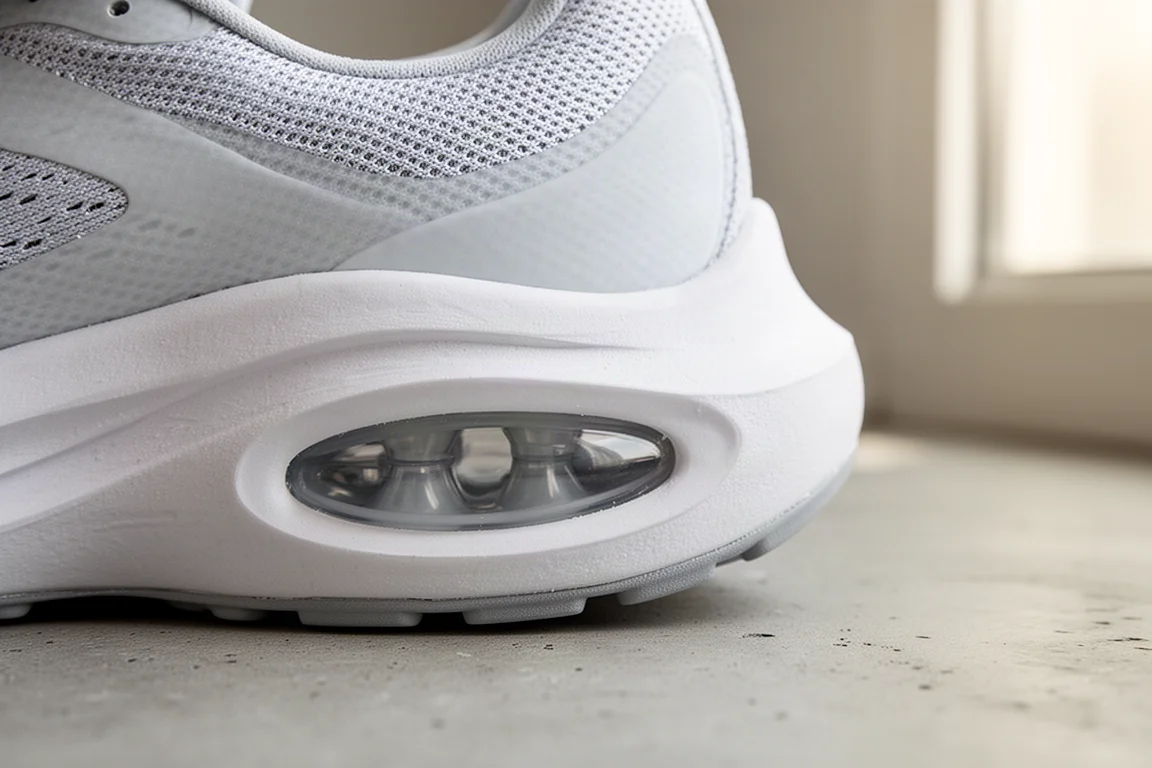
The upper is a lot thinner than the Pegasus 38’s, which helps explain where the weight went. For runners who found the previous version feeling a touch heavy on longer days, this is the kind of change that is likely to be felt every time the shoe is laced up.
A Slightly Firmer Ride Than the Pegasus 38
The midsole still uses full React foam, but the Zoom Air placement is new for this version: a unit in the forefoot as well as one in the heel. The heel Zoom pocket is hard to consciously feel in early testing, but the difference between the two versions is noticeable overall.
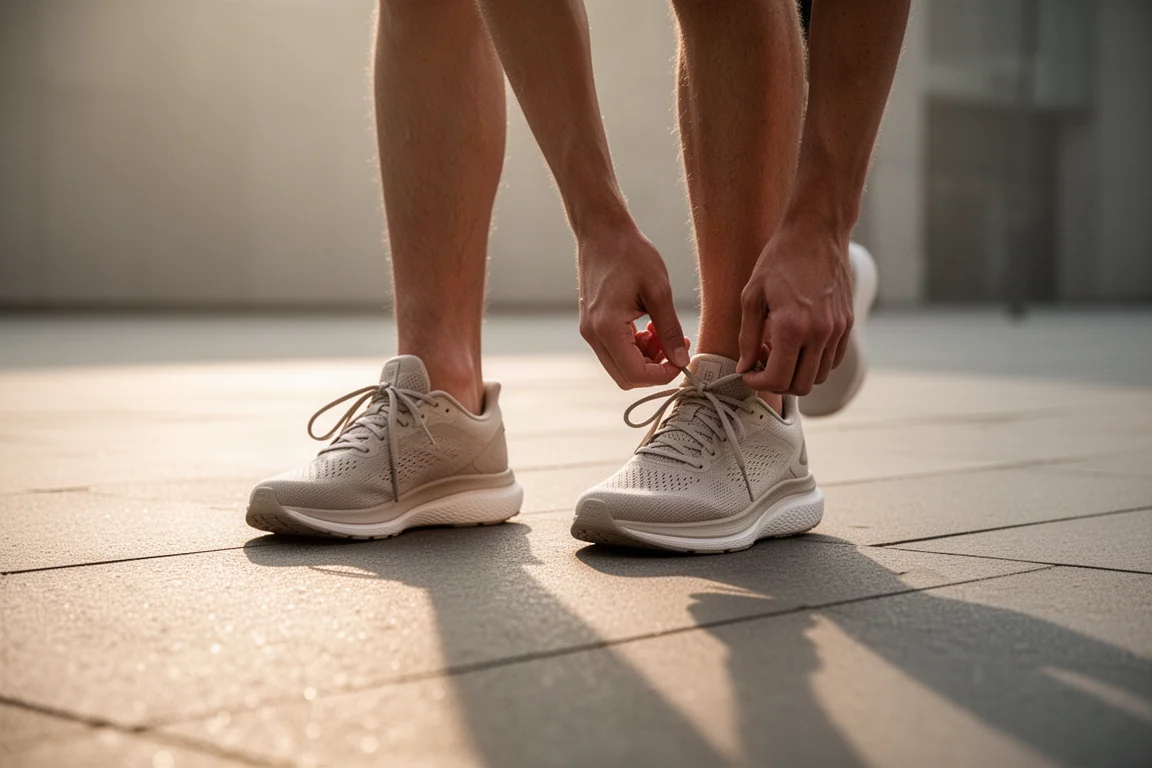
Despite having a softer React foam, the Pegasus 39 actually felt a little firmer than the Pegasus 38, and that impression held up when comparing the old pair directly. Part of this is context: against shoes like the New Balance FuelCell Rebel v2 or Asics trainers using FlyteFoam Blast Plus, a shoe that was always considered really soft now reads as slightly different in comparison.
Outsole Changes That Affect the Feel
Another contributor to the firmer feel comes from the outsole. The coverage has changed, particularly in the heel: the space for the crash pad and its groove is smaller and more filled in than on the previous version.
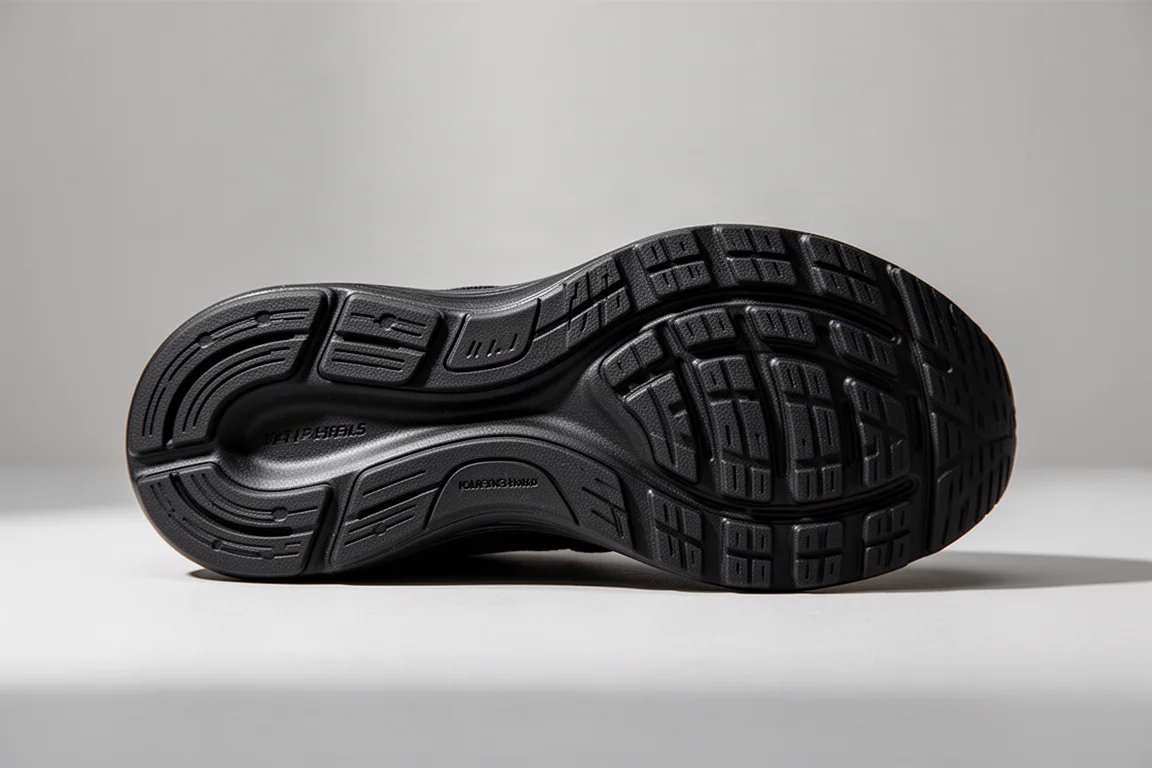
There is also more filled-in material at the outcropping, where the Pegasus 38 was cut in more. These are subtle structural changes, but combined with the foam feel they help explain why the 39 does not ride quite as plush as its predecessor.
Where the Pegasus 39 Fits in Your Rotation
This is still the versatile daily trainer the Pegasus has always been, now with a lighter build that makes it easier to lean on for a wider range of runs. Runners coming from the 38 should expect a familiar silhouette with a thinner upper, dual Zoom Air, and a slightly firmer ride.
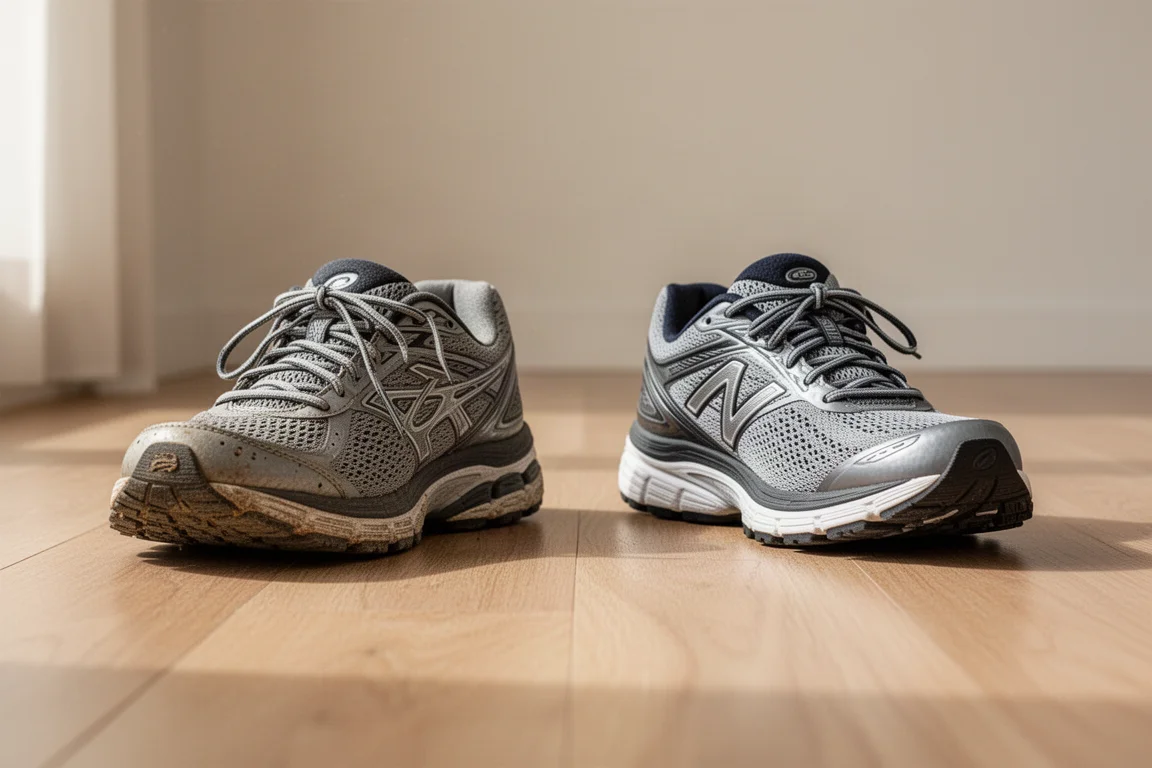
The biggest takeaway for early impressions is that the weight drop is real and the character shift is mild rather than dramatic. A fuller picture will come with more miles, but the foundation looks like a sensible evolution rather than a reinvention.
Conclusion
The Nike Pegasus 39 keeps the approachable, versatile character of the line while trimming meaningful weight from the upper and adding Zoom Air in both the forefoot and heel. The ride is slightly firmer than before, thanks partly to outsole coverage changes, but it remains a dependable daily trainer worth shortlisting for your next rotation update.
Product link
View more details for Nike Pegasus 39
This product is mentioned in the review. Check the specifications, options, and compatibility before buying.
View more details for Nike Pegasus 39Further reading
Related Reviews

Running Shoes
Best Road-to-Trail Running Shoes: Three Versatile Options for Mixed Terrain
A practical guide to three road-to-trail running shoes that handle both pavement and mild trails, with clear strengths and trade-offs for different runner types.

Running Shoes
Best Running Shoes for Achilles Tendonitis: Three Options Explained
Three running shoes with different heel drops and support features designed to help reduce Achilles tendon pain during walking and running.

Running Shoes
Best Running Shoes for Women: Five Top Choices Ranked
A ranked guide to five women's running shoes, from versatile daily trainers to high-performance racing options, with real strengths and trade-offs for each.