Running Shoes
Nike Pegasus 39 First Run Review: A Lighter, More Versatile Daily Trainer
Nike strips 30 grams off the Pegasus and adds a second Air Zoom pod at the heel. Here is how the 39 performs on its first runs.
Introduction
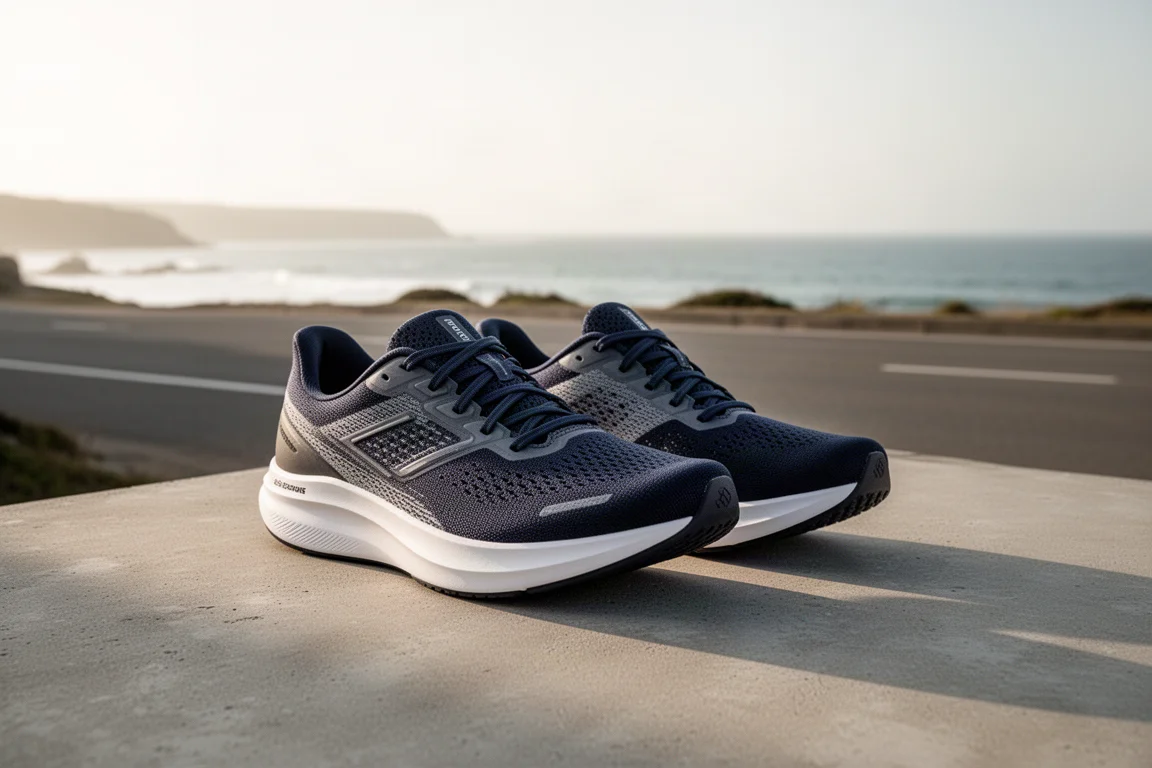
The Pegasus line has been a fixture in Nike’s running lineup for a long time, and the Pegasus 39 arrives as one of the more meaningful updates in recent years. The headline change is weight: the 38 had crept up to 310 grams in a UK 9, largely because the upper became so plush. Nike has stripped the 39 back to 279 grams (9.8 ounces) in the same size, a drop of roughly 30 grams that makes the shoe feel noticeably nimbler on the foot.
The other major change sits in the midsole. Where the 37 and 38 paired a mostly React foam midsole with a single Air Zoom pod under the forefoot, the 39 adds a second Air Zoom pod under the heel. The idea is a firmer, more responsive feel from heel through to forefoot, and hollowing out some of the React foam contributes to the weight saving too. Priced at $120 in the US and £109.95 in the UK, this is positioned as Nike’s versatile all-rounder.
Who the Pegasus 39 Is For
This is a daily trainer for runners who want one comfortable shoe that can cover easy runs, commuter miles with a backpack, and the occasional faster session. The Pegasus has drifted toward being a comfortable easy-day shoe in recent versions rather than a truly versatile all-rounder, and the 39 aims to pull some of that versatility back through the weight loss.
If you are a one-shoe runner shopping inside Nike’s cushioned range, the Pegasus is arguably the best all-round option at the moment. Nike’s Invincible is a fun, squishy, bouncy shoe for easy days, and the Infinity is smooth, firm, stable, and extremely durable, but both cost considerably more, around £140 and over £150 respectively. The Pegasus delivers much of the easy-run enjoyment at a lower price and with a lighter, potentially more versatile ride.

Main Strengths
The fit is a genuine highlight. The shoe runs true to size with a secure hold around the midfoot and heel, and testers with narrow feet found the toe box roomier than the 38, which felt tight across the top of the foot. Nike has replaced thick lace loops with its Flywire system around the midfoot, and those cables run down the shoe to keep the foot secure without creating hot spots, even for runners with high arches. Heel and tongue padding remains generous, yet the whole upper feels lighter and more breathable than before.
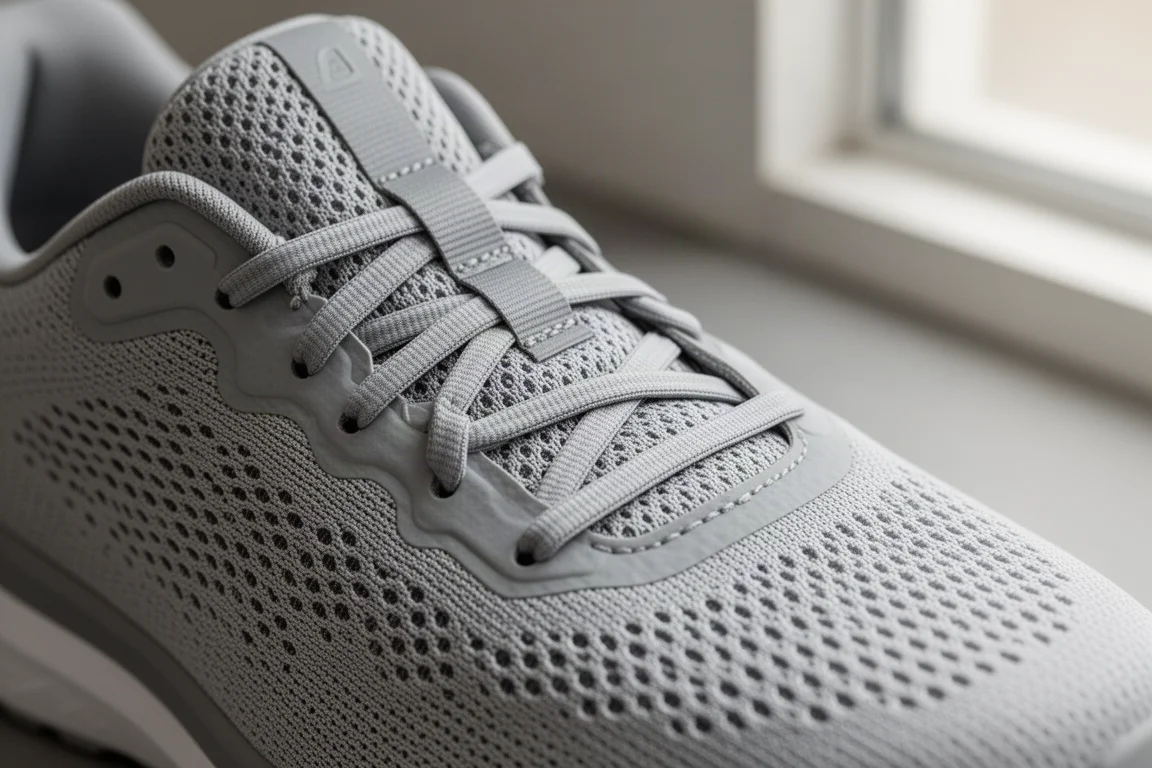
The laces deserve a mention too. They are not racing-shoe thin, but they carry small grooves that hold a knot firmly and did not loosen at all during testing runs. The heel Zoom pod is the change you can actually feel: the shoe is clearly more responsive than the 38, with enough snap that a 7-mile tempo session of 2-minute repeats felt manageable in a shoe you would not normally pick for that kind of work. On easy 40-minute recovery runs, the ride remained comfortable and protective, rolling through smoothly with a fairly traditional, supportive feel. The rear spike from previous versions has been trimmed to a small stub, and the outsole grips well and should prove durable thanks to its reasonably thick rubber layer.
Things to Consider Before Buying
Two caveats stand out. First, out of the box the outsole feels quite hard underfoot. It tends to soften up after some miles, but on a fresh first run you notice it. Second, and more importantly, the competition is fierce. The Puma Velocity Nitro 2 at £100 is lighter, more comfortable, bouncier, and more exciting for daily training, though not quite as stable as the Nike. The Reebok Floatride Ride Energy 4 at £75 offers a similarly traditional ride at a much lower price. Both undercut the Pegasus while delivering at least as good a ride, which is the biggest challenge facing this shoe.

The outsole is still quite aggressive for a mostly road shoe, with wide flat rubber lugs at the heel and smaller pods at the forefoot. That makes it a capable road-to-light-trail option, which some will see as a strength and others as unnecessary weight in a pure road trainer.
Buying Advice
If you already run in Nike shoes and want a cushioned daily trainer, the Pegasus 39 is a strong pick and one of the better value options in the range. The weight loss makes it feel more agile without sacrificing the comfort the line is known for, and it should hold up well over big mileage thanks to its substantial midsole and outsole.
If you are open to other brands, it is worth trying the Puma Velocity Nitro 2 and the Reebok Floatride Energy 4 before deciding, since both cost less and performed very well in comparison. Early testing left a preference for the Puma for daily training, though more miles may shift that picture. The 39 is an improvement on the 38, and possibly a return to form close to the much-loved Pegasus 36.
Conclusion
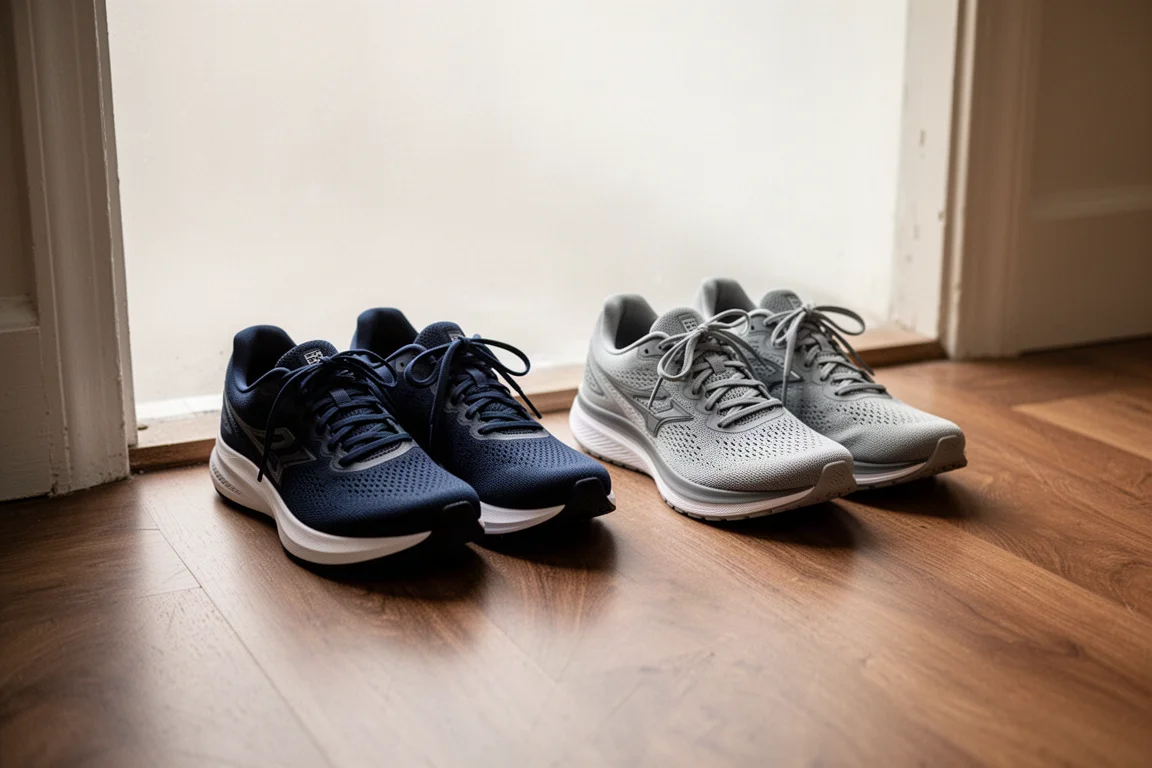
The Pegasus 39 is a confident update: 30 grams lighter, more responsive at the heel, better fitting, and still comfortable enough for easy days. Its main problem is not the shoe itself but the strong competition now undercutting it. For Nike loyalists and one-shoe runners, it is an easy recommendation; for everyone else, the rivals are well worth a look first.
Product link
View more details for Nike Pegasus 39
This product is mentioned in the review. Check the specifications, options, and compatibility before buying.
View more details for Nike Pegasus 39Further reading
Related Reviews
Running Shoes
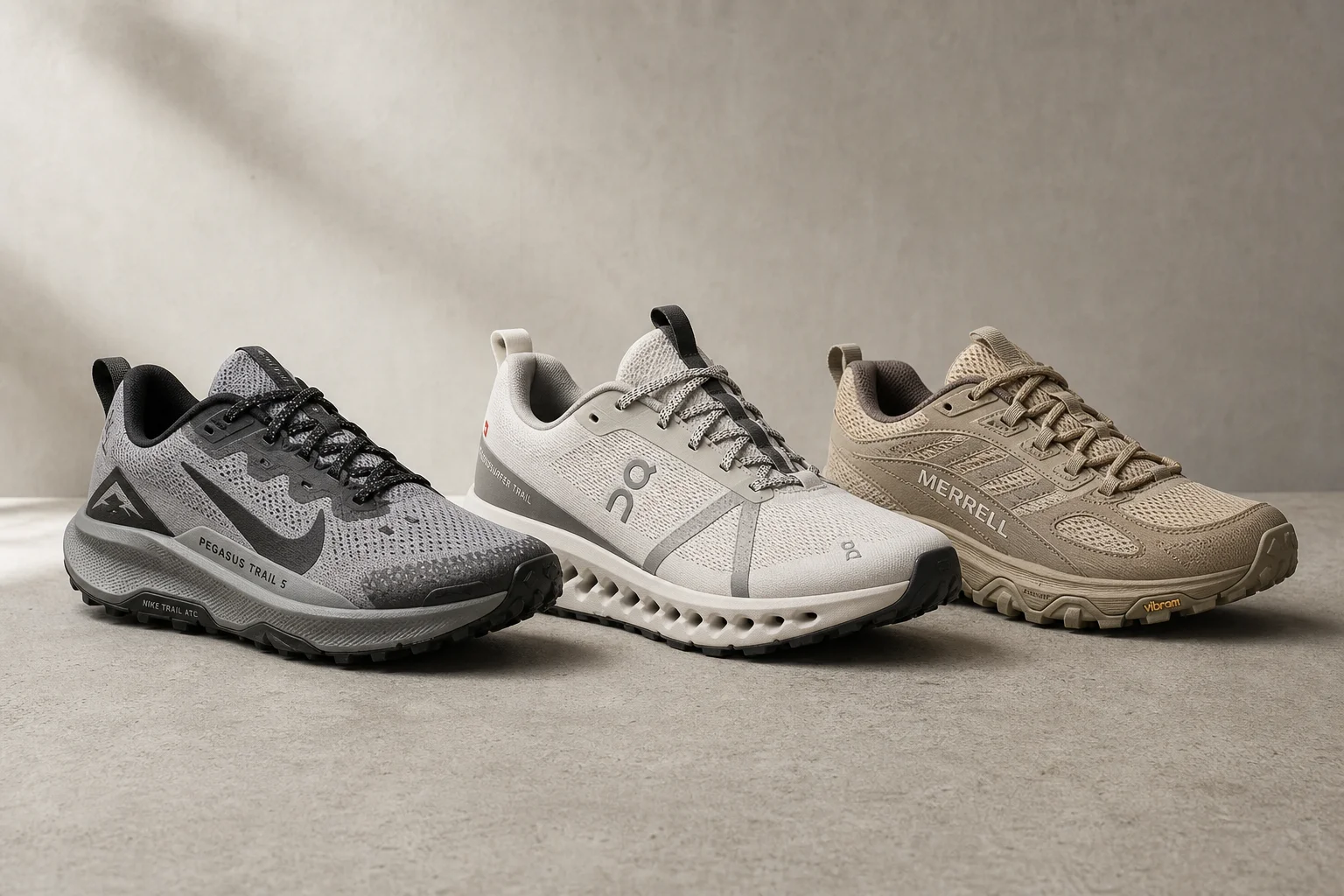
Best Road-to-Trail Running Shoes: Three Versatile Options for Mixed Terrain
A practical guide to three road-to-trail running shoes that handle both pavement and mild trails, with clear strengths and trade-offs for different runner types.
Running Shoes
Best Running Shoes for Achilles Tendonitis: Three Options Explained
Three running shoes with different heel drops and support features designed to help reduce Achilles tendon pain during walking and running.
Running Shoes
Best Running Shoes for Women: Five Top Choices Ranked
A ranked guide to five women's running shoes, from versatile daily trainers to high-performance racing options, with real strengths and trade-offs for each.