Running Shoes
Nike Invincible Run Flyknit Review: Maximum Cushioning, and What Happens When You Trim It
A close look at Nike's max-cushion trainer, including an experiment that trims excess foam width to see whether less bulk makes a better ride.
Introduction
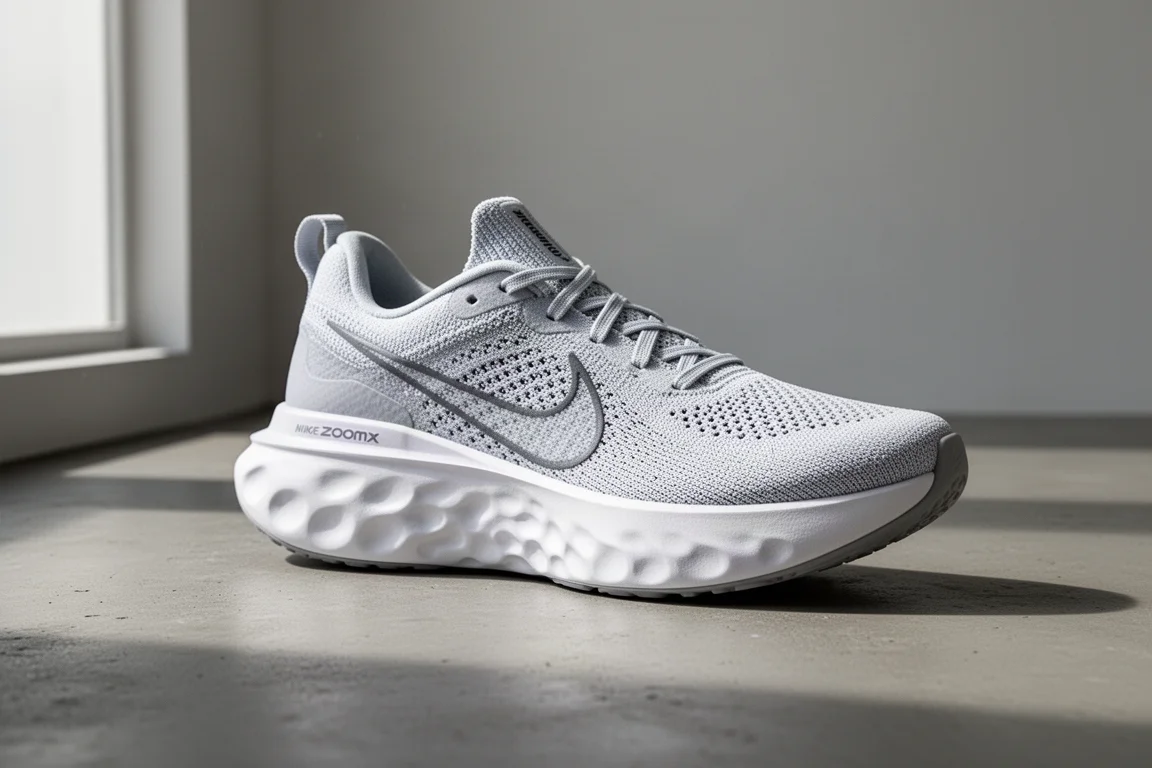
The Nike Invincible Run Flyknit sits at the far end of Nike’s modern cushioning philosophy: enormous ZoomX foam, a wide underfoot platform, and a weight to match. In UK size 11 (US 12), the shoe comes in at roughly 359 g, or about 12.6 oz. That figure alone tells you it was never designed as a race-day pick.
Nike has moved away from the lighter, leaner ethos that shaped its original running footwear, and the Invincible Run is a clear example of that shift. The question worth asking is simple: does all that extra foam actually make the shoe better? One long-term test with a well-worn pair, plus a few careful modifications, offers some interesting answers.
Who This Shoe Is For
The Invincible Run Flyknit is aimed at runners who want maximum underfoot cushioning for easy miles, recovery runs, and everyday training. With roughly 100 miles of running on the test pair, plus plenty of casual wear, the shoe held up well as a comfortable daily trainer.
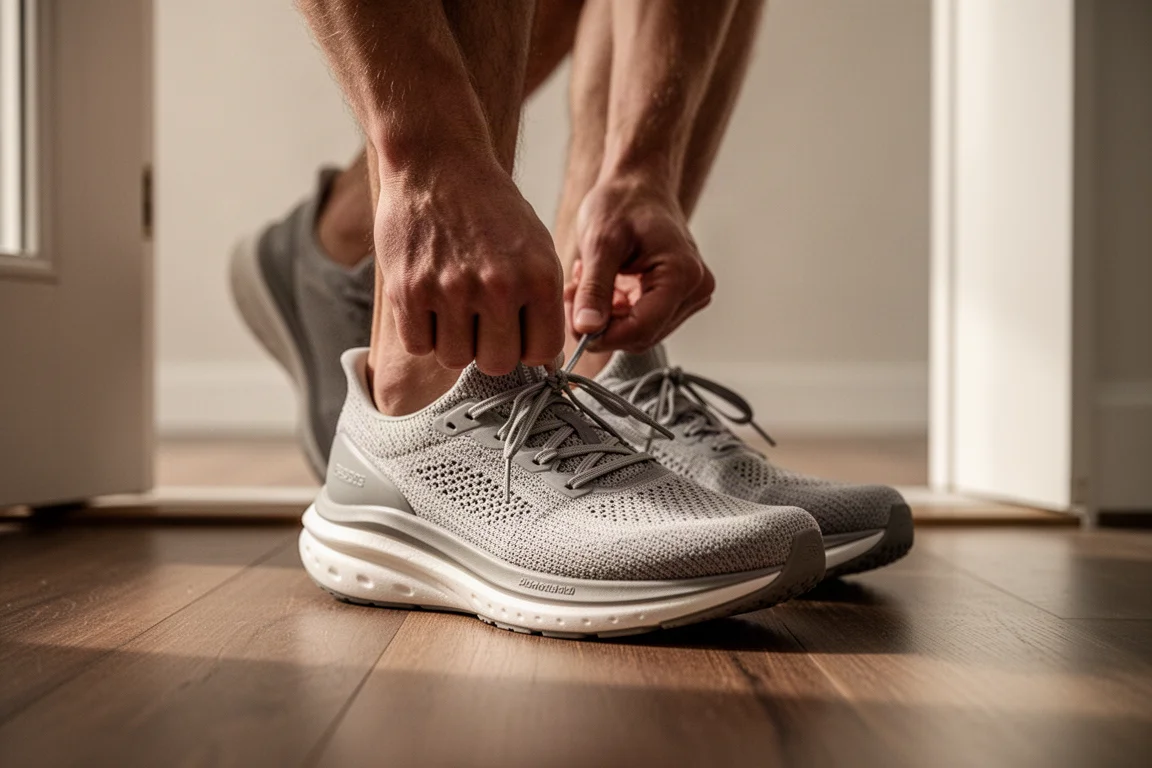
If you like the feeling of a soft, compressive pillow under your foot and you are not chasing a lightweight race shoe, this is very much the kind of shoe Nike built for you. It also suits runners who spend a lot of time on their feet, since the thick ZoomX midsole keeps its cushioning character even when used as a casual shoe.
Main Strengths
The core appeal is the cushioning. Even heavily used, the midsole stays plush and forgiving, and the shoe still feels very comfortable at easy paces. The Flyknit upper adds to that comfort with a snug, flexible fit.
One notable finding from extended use: trimming the excess overhanging foam from the lateral and medial sides, especially around the heel, removed roughly 45 g (about 1.6 oz), bringing the shoe down to around 314 g. That reduction did not cost the shoe its comfort. In testing, the modified version felt spritely, nimble, and still very cushioned, and the lower weight helped raise running cadence to around 170 steps per minute. The width was never a feature that felt necessary, and losing it made the ride feel less clunky and chunky.
At threshold pace, the trimmed shoe felt quick and willing, something like a higher-cushioned version of a classic low-profile trainer, and the reduced midfoot and heel width kept the shoe out of the way rather than guiding the foot.
Things to Consider Before Buying
The bulk is real. There is a lot of overhanging foam on the sides and especially at the heel, which some runners find unstable or overly guided. Some runners have reported that the wide lateral midfoot bulge encourages too much pronation.
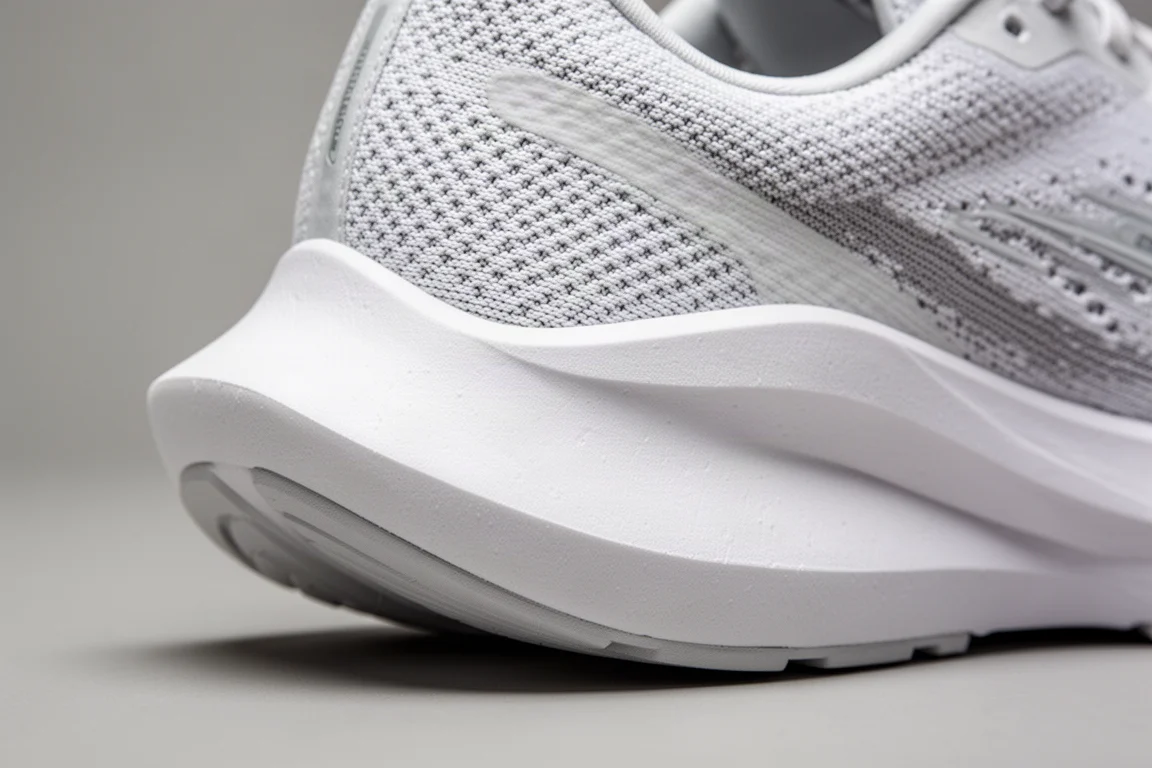
If you walk heavily on your heel, the full-width platform is where the shoe feels most secure, and reducing that base could leave you feeling less stable. The weight is also a genuine trade-off: at 359 g, this is a shoe for training days, not personal bests. If your priority is a fast, plated racer such as the Vaporfly or Alphafly, this is a different category of shoe entirely.
What the Experiment Showed
A well-worn pair, roughly 2.2 cm trimmed from the back of the heel and about 1 cm from the midfoot area, transformed the ride. The modified shoe lost about 2 cm of width in the heel, brought the underfoot footprint close to that of the Saucony Speed 3 and Pegasus Turbo Next Nature, and even came in slightly narrower than the Zoom Fly 5.
Out on a 7-mile session with 3x8 minutes at threshold pace, the result was convincing: no stability problems, a more nimble feel, and no missed width at pace. It is not on the same level as the Vaporfly, Alphafly, or Prime X, and it lacks the roll and pop of a plated shoe, but it is a noticeably better ride for faster training.
The takeaway is not that you should take a saw to your shoes, but that the shoe’s width was never essential to what makes it good. Less midsole, in this case, made a better shoe.
Should You Modify Your Own Pair?
Short answer: no. Cutting into a shoe midsole involves tools, adhesives, and real risk of ruining a perfectly good pair, and the modified test shoe was only an experiment on a pair already past their prime, including a ripped heel foam from a stairwell incident.
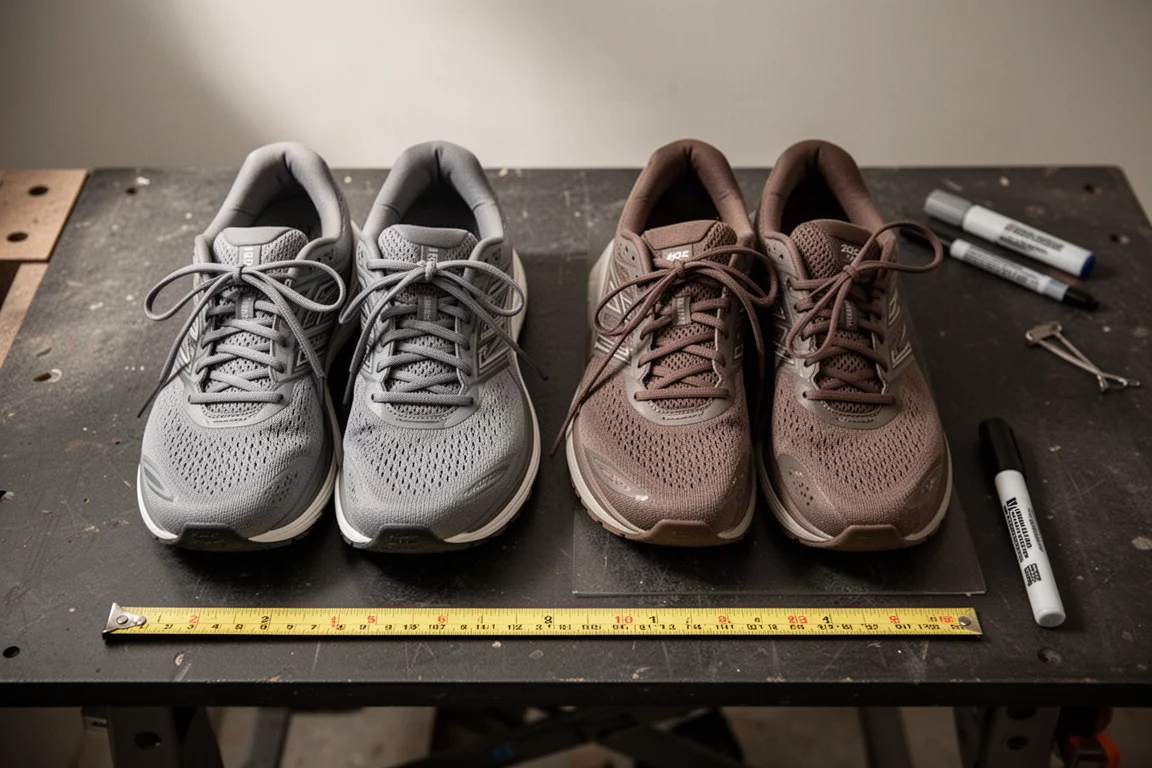
If the wide platform bothers you, the smarter move is to look at naturally narrower alternatives, such as Adidas models like the Adios 6 and 7, which run much narrower by modern comparison. Or wait: if Nike is paying attention to what runners actually want, a leaner, more performance-focused version of the Invincible Run would be a welcome addition.
Buying Advice
Buy the Invincible Run Flyknit if you want a maximum-cushion daily trainer and you are happy with its weight and width. Skip it if you want a fast, narrow, race-adjacent ride, or if a wide lateral midfoot bulge has caused you stability issues in the past. For easy miles and all-day comfort, it delivers; for anything quicker, know that a lot of what you are carrying is foam you may not need.
Conclusion
The Nike Invincible Run Flyknit is a comfortable, durable max-cushion trainer that genuinely shines for easy running, and a well-used pair proves how resilient that ZoomX midsole is. The wider lesson from the modification experiment is that trimming the excess width makes the shoe lighter, nimbler, and arguably better, without sacrificing the cushioning that defines it. Comfort-first runners will be happy; speed-focused runners should look elsewhere, or hope Nike revisits a leaner version of this formula.
Product link
View more details for Nike Invincible Run Flyknit
This product is mentioned in the review. Check the specifications, options, and compatibility before buying.
View more details for Nike Invincible Run FlyknitFurther reading
Related Reviews

Running Shoes
Best Road-to-Trail Running Shoes: Three Versatile Options for Mixed Terrain
A practical guide to three road-to-trail running shoes that handle both pavement and mild trails, with clear strengths and trade-offs for different runner types.

Running Shoes
Best Running Shoes for Achilles Tendonitis: Three Options Explained
Three running shoes with different heel drops and support features designed to help reduce Achilles tendon pain during walking and running.

Running Shoes
Best Running Shoes for Women: Five Top Choices Ranked
A ranked guide to five women's running shoes, from versatile daily trainers to high-performance racing options, with real strengths and trade-offs for each.