Running Shoes
Nike Gyakusou Running Shoes: Three Collaborations That Break the Colorway Mold
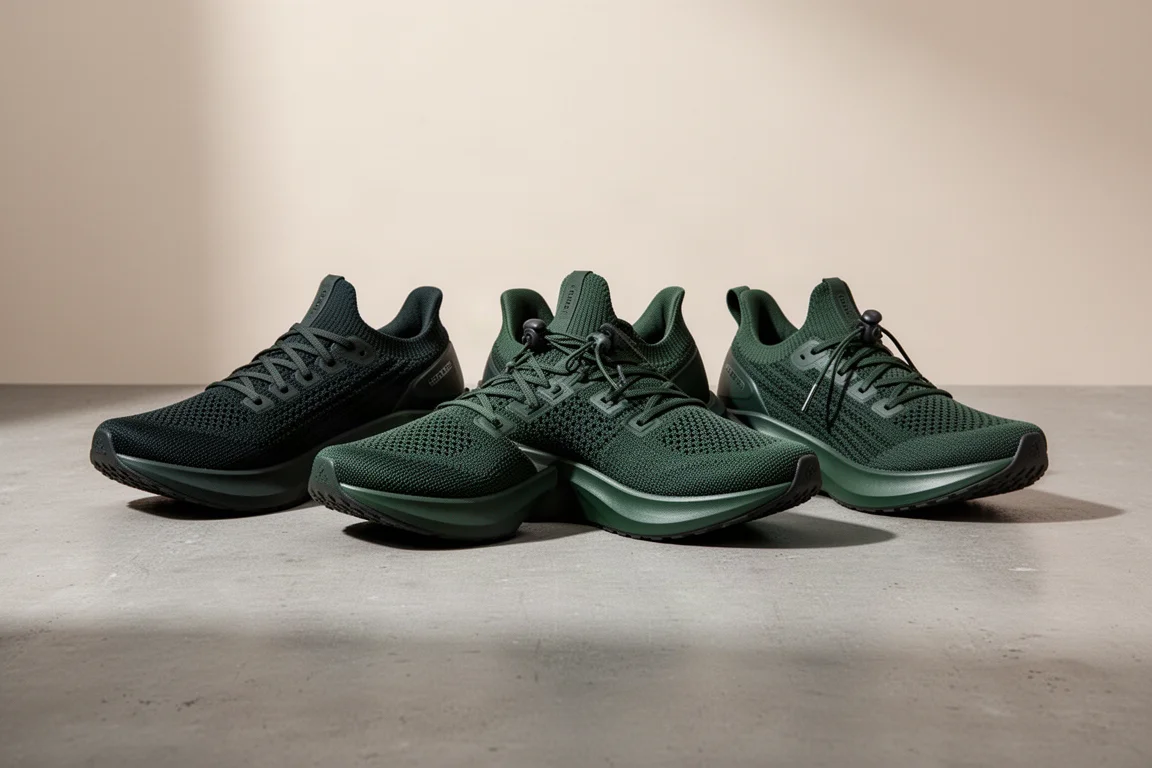
Nike's Gyakusou collaborations go beyond fresh color schemes, with real structural changes to the uppers of the Vaporfly Next%, Vaporfly 4% Flyknit, and Pegasus 35 Turbo.
Introduction
Plenty of Nike collaborations are just the same shoe in a different shade of paint. The partnership between Nike and Jun Takahashi’s Gyakusou brand is a clear exception. Rather than swapping colors alone, these versions change the structure, materials, fit, and overall vibe of shoes many runners already know well.
This roundup looks at three Gyakusou releases worth knowing about: the Vaporfly Next%, the Vaporfly 4% Flyknit, and the Pegasus 35 Turbo. Each one takes a familiar platform and remixes it in ways that genuinely affect how the shoe fits and feels.
Why Gyakusou Is Different From Other Nike Colorways
Nike regularly refreshes its running lineup with colorway packs that hit the market, get discounted quickly, and disappear. Gyakusou plays a different game. The name roughly translates to “reverse run,” which fits the idea of moving against the grain of everyone else.
Where other collaborations merely switch shades and tones, the Gyakusou versions get real design attention. The uppers are reworked, materials are adjusted, and small but meaningful tweaks are layered in to improve the fit. The result often feels closer to a designer remix, in the mold of Off-White or three-way collaboration projects, than a simple color refresh. The trade-off is price and availability, which is worth weighing before you buy.
Nike Gyakusou Vaporfly Next%
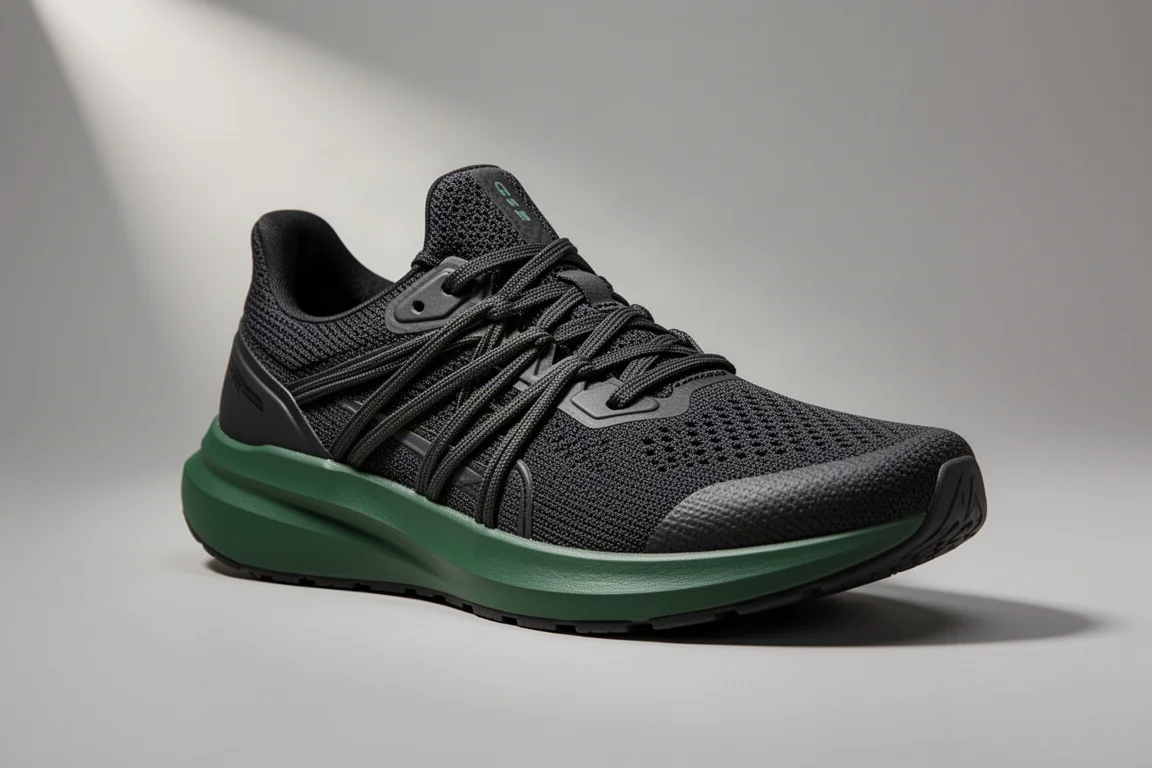
The Gyakusou Vaporfly Next% keeps the midsole and outsole everyone loves, and rebuilds almost everything above it. The production dates on this version point to late 2019, but it did not reach shelves until around July 2021, by which time the standard Vaporfly Next% 2 had already launched. What buyers got was the original platform with a drastically different upper.
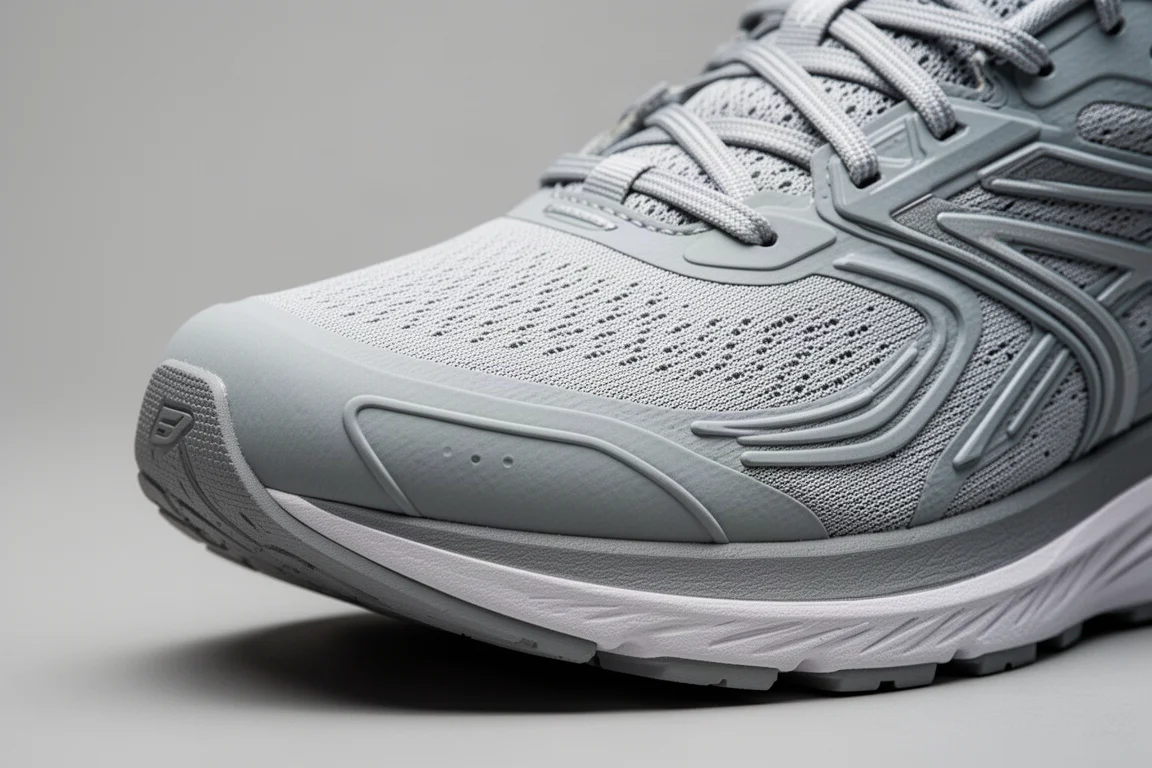
The biggest change is added reinforcement around the toe box, which was a known trouble spot on the original Next%. The offset lacing system was also reworked with lace loops and considerable wraps on both the medial and lateral sides, and those wraps noticeably improve fit and lockdown, making you feel more connected to the midsole. The tongue is thicker, topped with a felt-like material that reduces pressure from the very thick laces Nike included.
Fit improved too. Where the original Next% could feel a little short in length, the same size in the Gyakusou version had no such problem, likely because the toe box reinforcement lifts material away from the toes. The outsole overhang also creeps less far up the upper. The midsole and outsole are painted in a lovely forest hue.
The catch is weight and price. There is roughly 46g of extra weight over the original, and retail sat around £260 to £269, which is close to Alphafly territory. On the resale market these remain quite sought after, but at full retail it is hard to argue for this over a standard Next%, improved lockdown or not. If you find one heavily discounted, as one pair was at £121.47, it becomes a very interesting training shoe.
Nike Gyakusou Vaporfly 4% Flyknit
On the surface, the Gyakusou Vaporfly 4% Flyknit looks very similar to the original. Dig a little deeper and there are a number of subtle changes that genuinely enhance the fit. Around the medial and lateral sides, near the arch and outer section, the Flyknit is more flexible with a bit of stretch. That stretch lets you dial in lacing tension more precisely and makes the shoe more comfortable over long miles.
The heel area also changes. The squashy padding around the top of the heel in the original 4% Flyknit is simply gone, replaced by an external counter section on the outside of the upper that adds a little more rigidity and noticeably improves heel lock. The upper stretches noticeably more than the stiffer original.
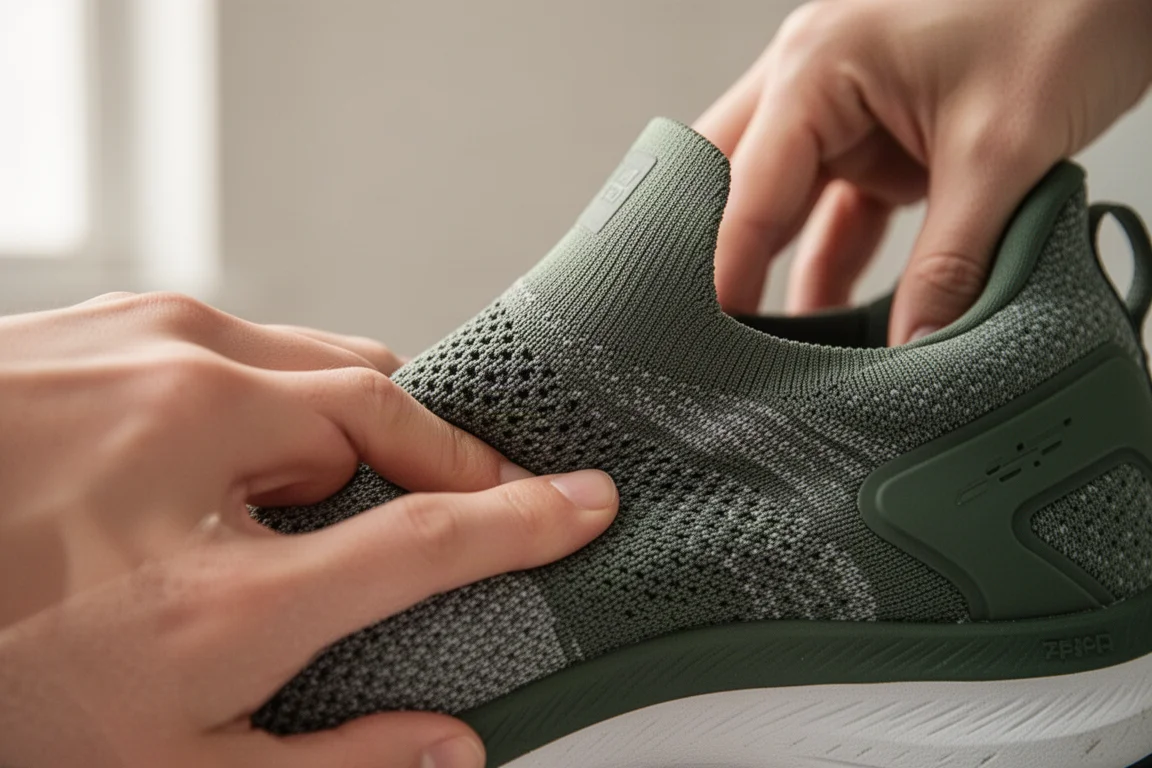
Weight is practically identical, with only about 5g extra in this version. The same blueprint is there, but Takahashi’s subtle changes arguably improve the shoe. This one is often described as the pinnacle of the 4% Flyknit and remains one of the most beautiful shoes in any serious collection. Like the Next% version, it retailed for around £250 or more and is sought after on the resale market.
Nike Gyakusou Pegasus 35 Turbo
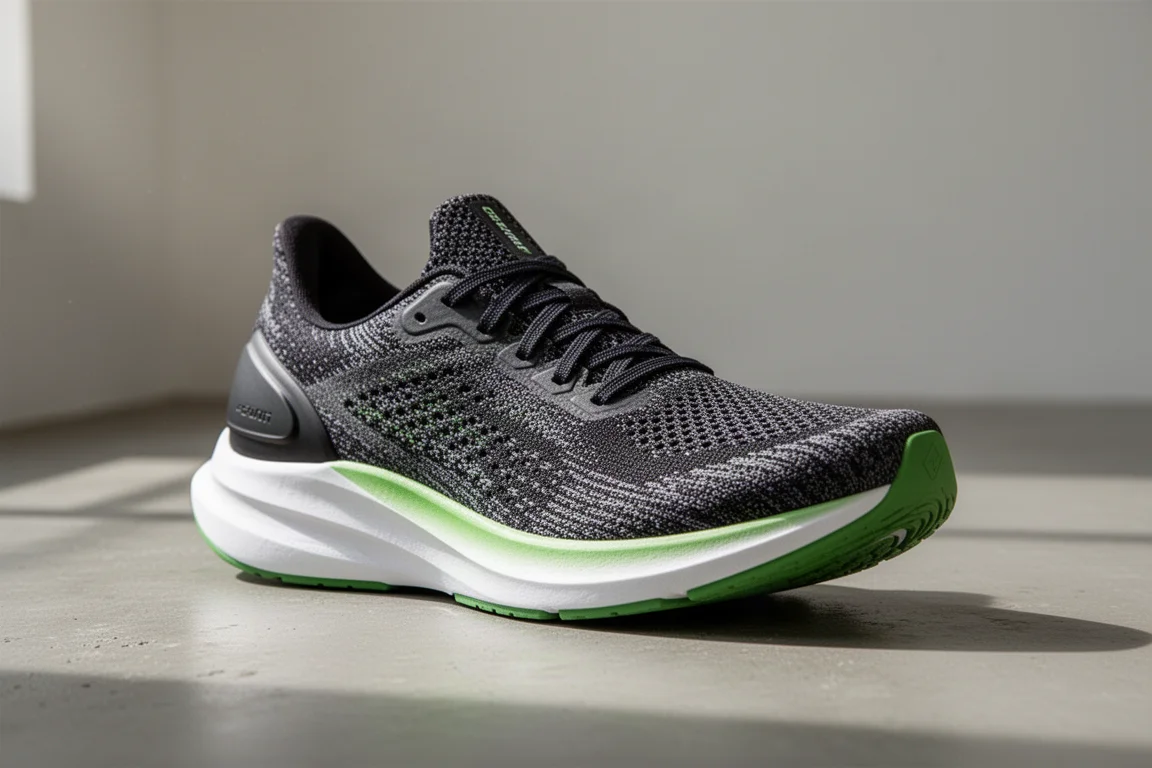
The Pegasus 35 Turbo Gyakusou came in two colorways, one of which featured a unique toggle lacing system that gives the shoe an almost trail-like look. The upper carries familiar Gyakusou signatures, including overlays intended to improve fit, along with lace loops similar to those seen on the Next% version.
It is not without compromises. The toggle lacing system did not work particularly well in use, and a standard pair of laces would arguably have been the better choice. The padded tongue was also dispensed with in favor of a much thinner version.
Are These Running Shoes or Designer Fashion?
That is the honest question these collaborations raise. Very few people will choose a Gyakusou version over a cheaper, more readily available alternative, no matter how beautiful the shoe looks. The shoe side of the collaboration feels like a genuine attempt to improve performance through fit, while Gyakusou apparel leans much harder into designer fashion territory, with statement shorts around £120 and a three-layer jacket around £260 that uses materials similar to cheaper versions of the same products.
Our take: if the ride is your priority and the budget is tight, the standard versions remain the sensible buy. If you find a Gyakusou pair heavily discounted, the improved fit and lockdown make it far easier to justify.
Conclusion
The Nike Gyakusou collaboration is that rare partnership where real thought goes into the changes rather than just the colors. The Vaporfly Next% and Vaporfly 4% Flyknit both earn their remix credentials through meaningful upper redesigns, while the Pegasus 35 Turbo shows the risks of experimental details like toggle lacing. Buy at a discount if you can find one, and treat full retail with caution.
Further reading
Related Reviews

Running Shoes
Best Road-to-Trail Running Shoes: Three Versatile Options for Mixed Terrain
A practical guide to three road-to-trail running shoes that handle both pavement and mild trails, with clear strengths and trade-offs for different runner types.

Running Shoes
Best Running Shoes for Achilles Tendonitis: Three Options Explained
Three running shoes with different heel drops and support features designed to help reduce Achilles tendon pain during walking and running.

Running Shoes
Best Running Shoes for Women: Five Top Choices Ranked
A ranked guide to five women's running shoes, from versatile daily trainers to high-performance racing options, with real strengths and trade-offs for each.