Running Shoes
Nike Alphafly Next% 2 vs Vaporfly Next% 2: Which Racing Shoe Should You Buy?
Nike's two flagship carbon racers go head to head on weight, stack, fit, ride feel, and which one earns a place on your marathon start line.
Introduction
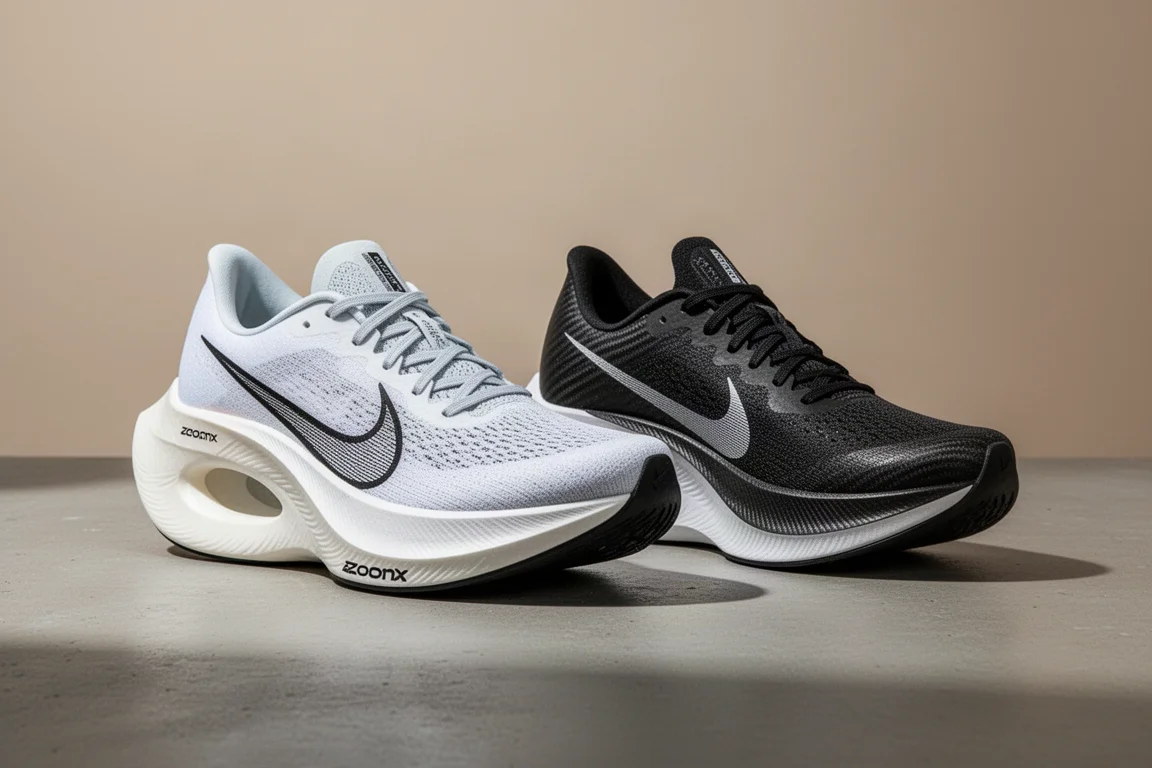
Nike’s Alphafly Next% 2 and Vaporfly Next% 2 are the brand’s top-of-the-range carbon racing shoes, and while they share the same core recipe of ZoomX foam and a full-length carbon plate, they are built for noticeably different jobs. After extensive road testing across easy miles, interval sessions, a marathon test and race-pace efforts, the differences come down to stack height, weight, and how each shoe behaves when you are deep into a race.
Weight, Stack and Price
The Vaporfly Next% 2 is the cheaper and lighter shoe of the pair, weighing 207 grams in a UK size nine. The Alphafly Next% 2 comes in at around 249 grams listed in the same size, with test pairs weighing 244 and 251 grams, so it is a fair bit heavier underfoot.
Stack height also separates them. Nike does not publish official figures, but the Alphafly pushes right up to the 40 millimeter limit, while the Vaporfly sits a couple of millimeters lower. Interestingly, both are listed with an eight millimeter heel-to-toe drop, even though the original Alphafly was listed at four millimeters and the two shoes look fairly similar underfoot.
On price, the Vaporfly Next% 2 starts at £209.95 in the UK or $225 in the US at full RRP. Nike had not confirmed pricing for the Alphafly 2 at launch, but it was expected to sit around the original’s price of £259.95 in the UK or $275 in the US. Special editions of both shoes carry higher prices.
Design and Construction
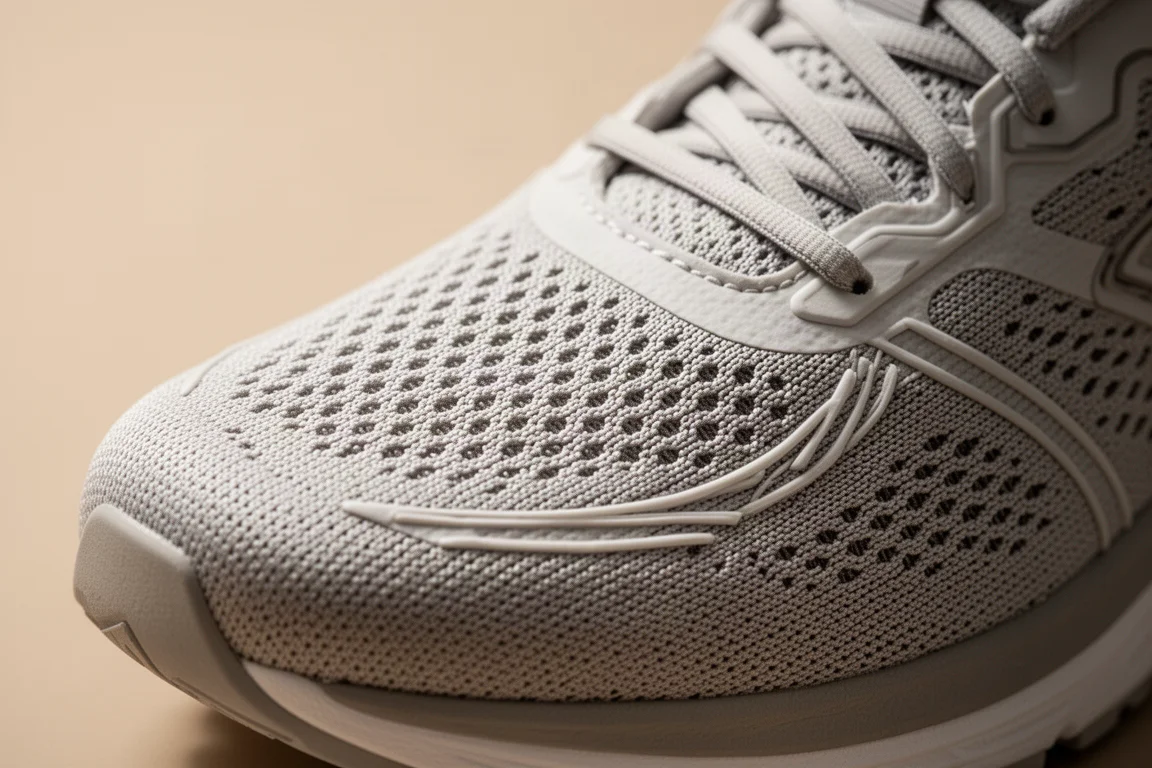
Both shoes use an open, breathable mesh knit upper. The Vaporfly Next% 2 has gained a little more structure over the original Next%, which used Vaporweave, helping hold the foot in place without sagging around the forefoot. There is also added reinforcement around the toe box to improve durability and lift the upper off your toes.
The Vaporfly midsole is built entirely from ZoomX foam with a full-length carbon plate, and the outsole keeps the familiar layout: forefoot coverage with two strips of rubber at the heel for grip where you need it most, without adding much weight.
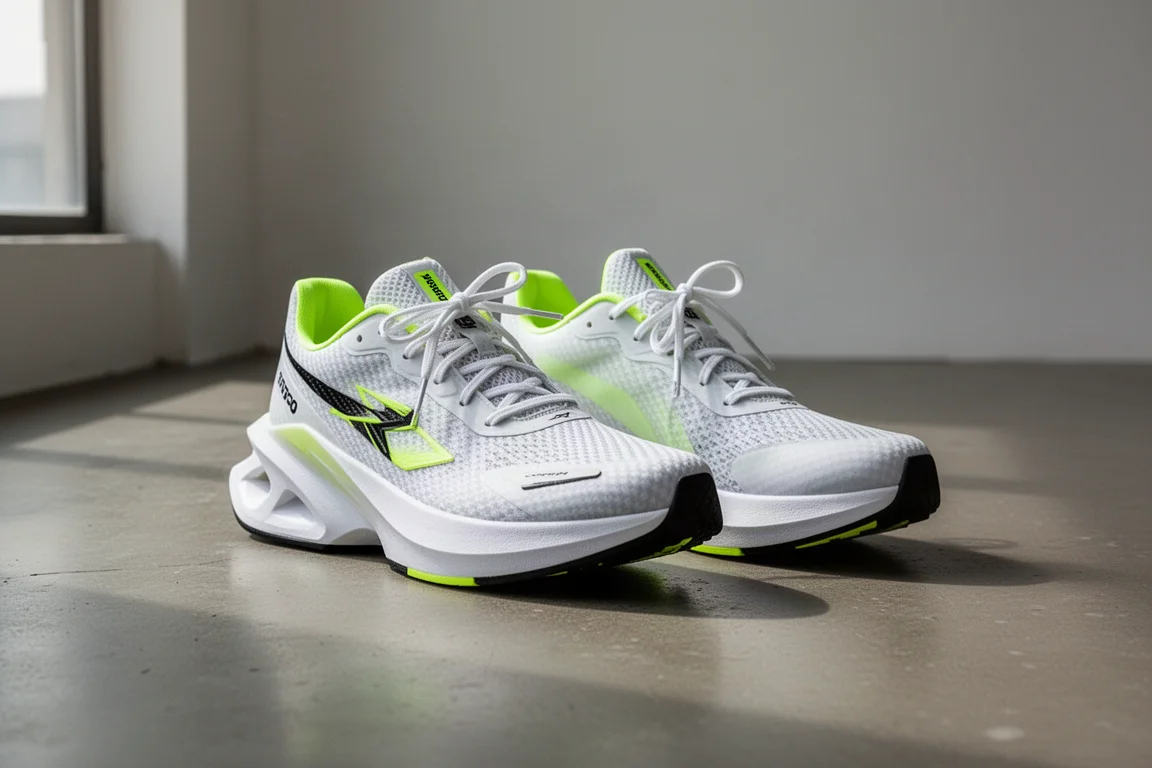
The Alphafly Next% 2 introduces Atomknit 2.0, which feels firmer than the original and adds noticeably more structure around the heel to prevent slippage. The toe box overlay has been redesigned for a less restrictive feel. The upper is a pull-on bootie design with two tabs; it can feel tight and hard to get on, but once in place it sits nicely on the foot.
The Alphafly midsole adds Air Zoom pods under the forefoot with a slightly firmer feel for more pop at toe-off, plus a key update: ZoomX foam now sits under those pods, something the original Alphafly lacked. The carbon plate is more visible here thanks to a large midsole cutout that trims weight. The outsole carries a bit more rubber at the heel than the Vaporfly, and the heel base is wider for added stability in this tall shoe. The rubber is slightly thinner than before, creating room for that new foam under the pods, and the rear outsole shape has shifted from a spike toward more of a wedge.
Fit and Sizing
Both shoes run true to size, and that is the recommendation for either one. The Vaporfly Next% 2 offers a roomier overall fit and is easy to get onto your foot. Some initial heel slip resolved once lacing was dialled in, after which it locked down securely across any distance.
The Alphafly Next% 2 is a genuine struggle to put on if you have high or wide feet. Pulling hard on the tabs is required, and the cushioning above the heel counter can shift around during entry, which led to some rubbing and even blisters during a marathon test that had to be cut short at around mile 20. It does loosen up after two or three runs and becomes easier, but the snug wrap everywhere else means going half a size up is not recommended. On the foot, the toe box room is good and midfoot hold is secure.
Ride Performance
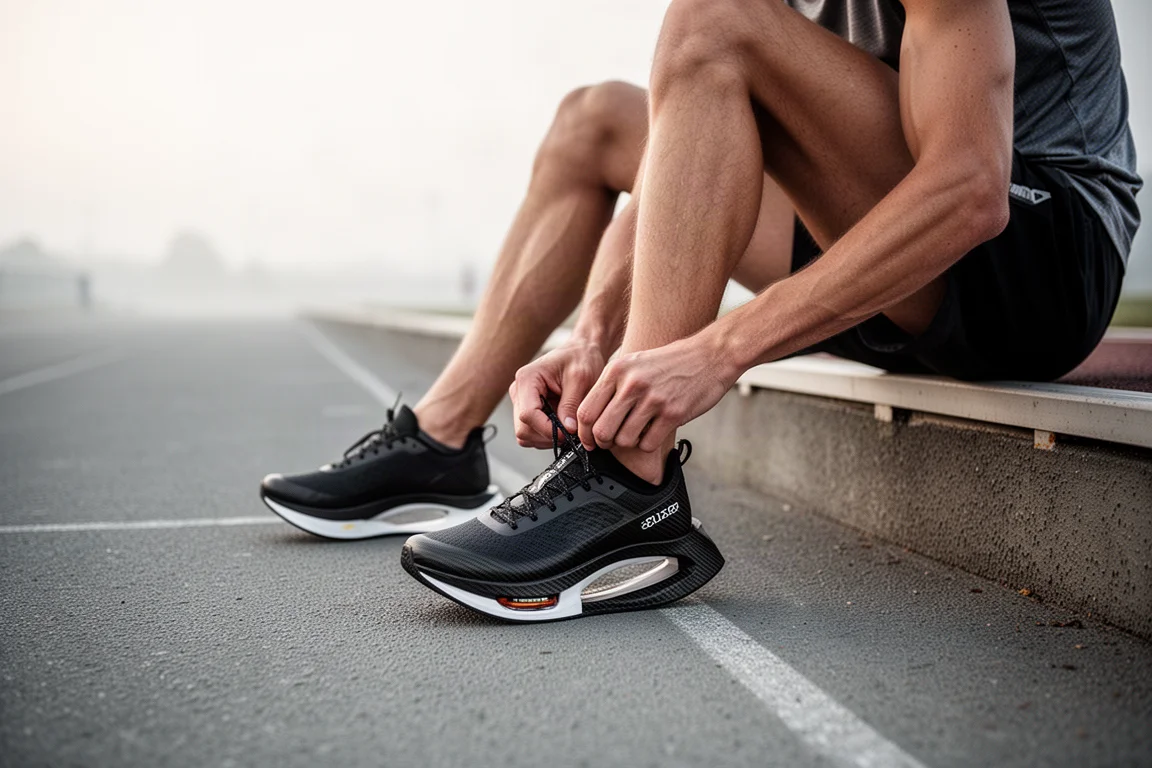
The Vaporfly Next% 2 has been a long-standing favorite for racing across distances, with 5k and half marathon personal bests set in the family. Underfoot it feels more aggressive and tipped forward than the Alphafly. The ZoomX cushioning is generous and soft at easy paces but firms up when you push, and you really feel the plate tip you forward and keep you rolling as fatigue sets in late in races. It is light, agile, good at cornering, and among the more direct-feeling shoes on a big carbon platform, but it is less forgiving when your form gets ragged.
The Alphafly Next% 2 delivers a cruisier, more comfortable feel. You still get pushed onto your forefoot and benefit from a very energetic toe-off thanks to the Air Zoom pods, but the sensation is more about locking into a pace and holding it for a long time, especially on long straight roads. On test runs of 24k and 32k it simply ate up the miles and made hard paces feel effortless, and it handled a steady 5k and a hard 3k session surprisingly well too. It even coped remarkably well at slow, easy paces with less-than-perfect form, rocking back on the heels included, which makes it a genuinely versatile platform.
The trade-offs: the Alphafly is not the most nimble shoe, and on twisty courses with tight switchbacks there is a question mark over stability with that much foam underfoot. On broken ground and corners, the lighter, quicker-picking-up Vaporfly gives you more. But hammering down good, straight tarmac, the Alphafly gives a bit more back in bouncy, explosive feel. Notably, a new mile personal best was set in the Alphafly 2 on very tired legs, and across all testing it delivered at least 10 to 15 seconds per mile while keeping legs fresh enough to run again the next day.
Which One Should You Buy?
If you line up one or two big marathons a year and want the absolute best shoe for those races, the Alphafly Next% 2 is the pick. It is the better choice for big city marathons on flat, straight tarmac, and it has taken over as the favorite racer for any distance from the mile up to the marathon, despite the alien underfoot feel and the heel-fit caution.
If you race shorter events more often, run local club races, or want one more versatile shoe, the Vaporfly Next% 2 makes more sense. It has a slight edge on 5k and shorter races because it is lighter and nimbler through corners, and it remains a fantastic marathon shoe in its own right. It is also better value: it has been out longer and shows up in sales, while the newly launched Alphafly 2 will hold its price.

Conclusion
Both shoes are excellent racers, but they specialize differently. The Vaporfly Next% 2 is the lighter, cheaper, nimbler option that rewards good form and attacks shorter races. The Alphafly Next% 2 adds more cushion, more propulsion, and more protection, and it has earned its place as the new first choice for marathon day and time-chasing across the board. Match the shoe to your race calendar and your budget, and either one will serve you well on the start line.
Product link
View more details for Nike Alphafly Next% 2
This product is mentioned in the review. Check the specifications, options, and compatibility before buying.
View more details for Nike Alphafly Next% 2Further reading
Related Reviews

Running Shoes
Best Road-to-Trail Running Shoes: Three Versatile Options for Mixed Terrain
A practical guide to three road-to-trail running shoes that handle both pavement and mild trails, with clear strengths and trade-offs for different runner types.

Running Shoes
Best Running Shoes for Achilles Tendonitis: Three Options Explained
Three running shoes with different heel drops and support features designed to help reduce Achilles tendon pain during walking and running.

Running Shoes
Best Running Shoes for Women: Five Top Choices Ranked
A ranked guide to five women's running shoes, from versatile daily trainers to high-performance racing options, with real strengths and trade-offs for each.