Running Shoes
Nike AlphaFly Next% vs the Top Super Shoes: Is It Still the Best Money Can Buy?
Five premium racing shoes face off, including the AlphaFly Next%, Adizero Prime X, Metaspeed Sky Plus, Adios Pro 3 and Vaporfly Next% 2, to see which delivers the best value.
Introduction
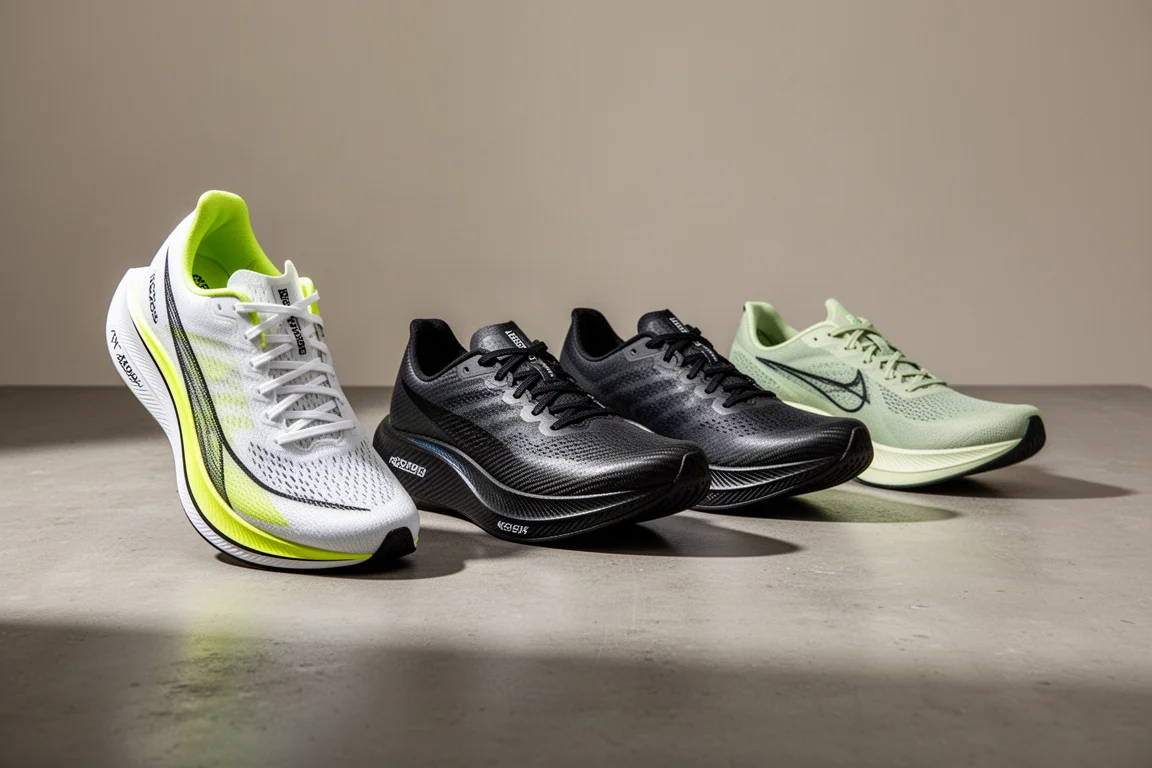
The Nike AlphaFly Next% is, at least for the moment, the most expensive running shoe you can buy, retailing for £270 in the UK. That raises an obvious question: is it still the best racing shoe money can buy, or have the other premium models caught up?
This comparison puts it up against the Adidas Adizero Prime X, the Asics Metaspeed Sky Plus, the Adidas Adizero Adios Pro 3 and the Nike Vaporfly Next% 2. Each brings a different personality, a different price and a different kind of ride, so the right choice depends heavily on how you actually run.
Nike AlphaFly Next% vs Adidas Adizero Prime X
The Adizero Prime X is one of the closest competitors in price at £220 in the UK, still a fair way off the AlphaFly’s £270. Visually, the Prime X towers over the Nike shoe, making even the AlphaFly look modest, though the AlphaFly has noticeably more width in both the midfoot and heel areas.
The Prime X’s upper is by far the more comfortable of the two. It fits like a glove, whereas the strange mesh on the AlphaFly probably is not that natural to most people. All that extra midsole stack and foam comes at a cost: the Prime X is quite noticeably heavier than the AlphaFly.
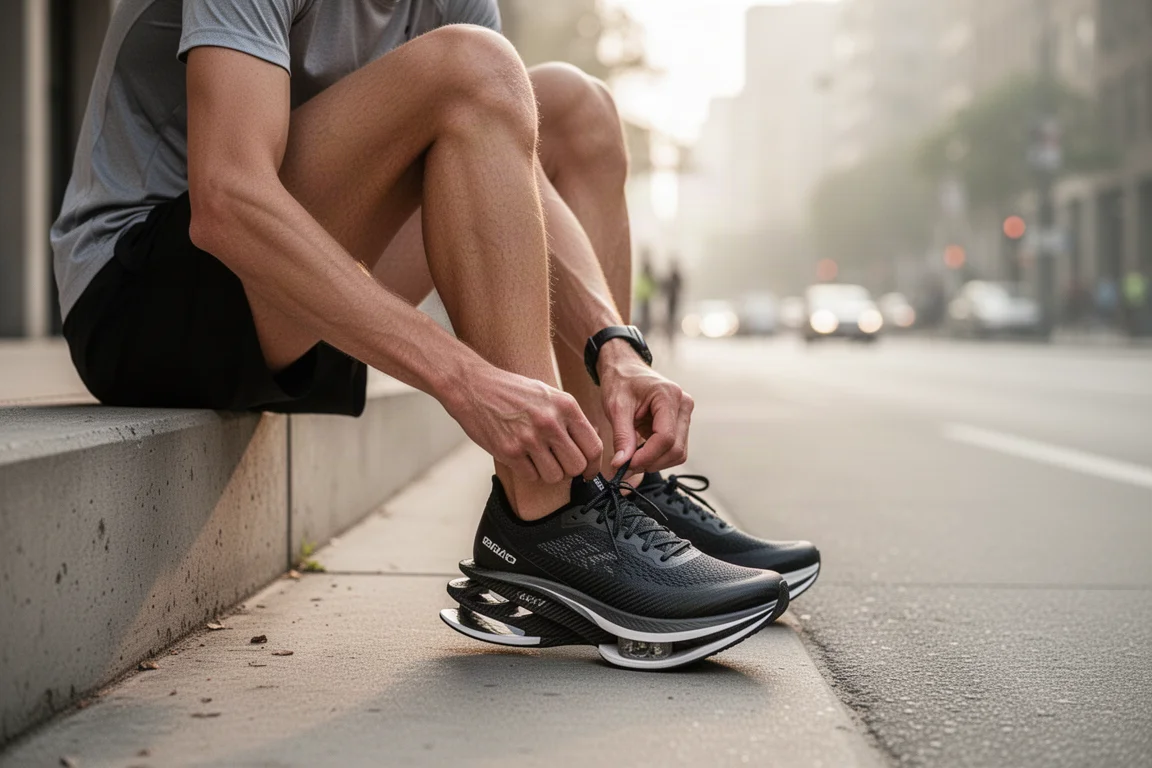
For outright racing, the AlphaFly is the better shoe of the two and has the upper hand. Both shoes, however, significantly reduce the fatigue you feel and lessen the effort even at easier paces. If you lean towards training and easy running, the Prime X is arguably the better trainer of the pair, while the AlphaFly is probably the best racer.
Fatigue, Effort and What the Strava Numbers Show
Looking back through logged runs in both shoes, they are probably the best in terms of lessening effort. Heart rates come in lower even on very long runs, and the legs carry noticeably less fatigue, which also lowers the stress you feel while running.
One telling example: a 14 mile effort at around 8:03 per mile with a heart rate of only 133 beats per minute, alongside a 7 mile effort averaging about 8 minutes per mile at 128 beats per minute. That is quite remarkable on paper.

The effect feels cumulative: lots of very small advantages and little performance boosts across different things that all add up. Considering the AlphaFly’s lower weight and the reduced discounted prices just before the second version arrives, it makes it a bit of a steal right now over the Prime X. At full retail price, though, the extra cost over the Prime X is probably not justified.
Nike AlphaFly Next% vs Asics Metaspeed Sky Plus
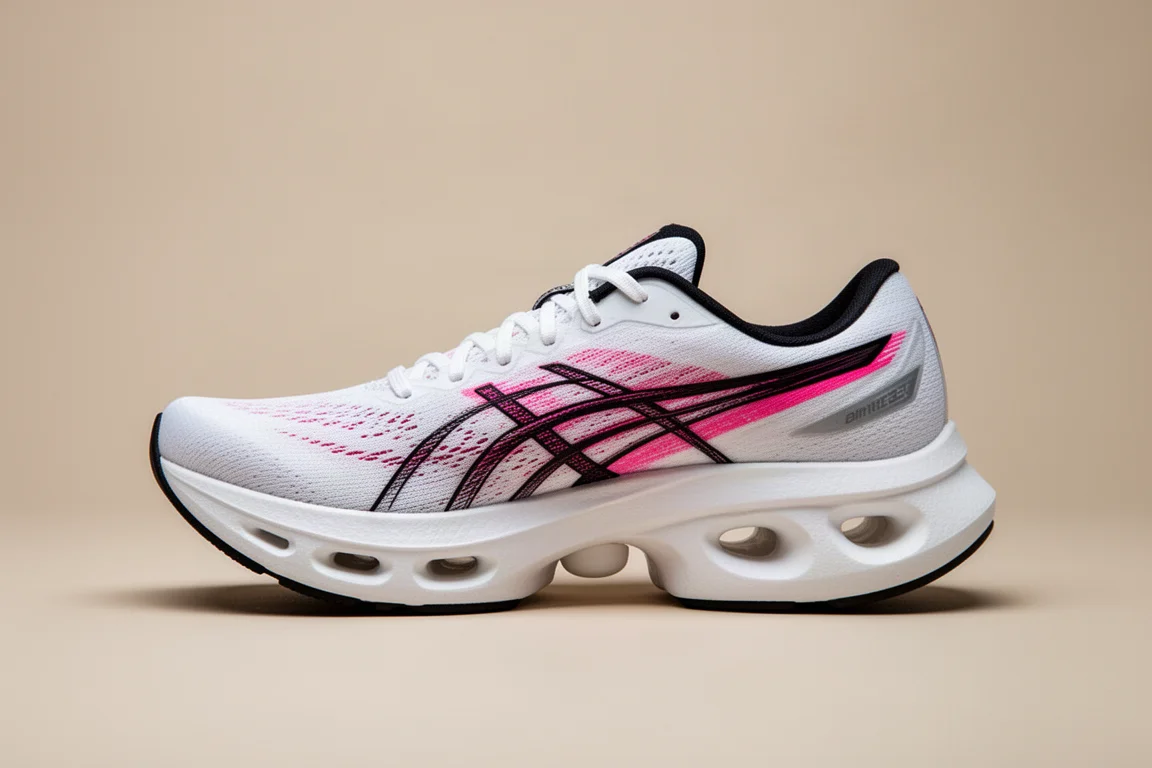
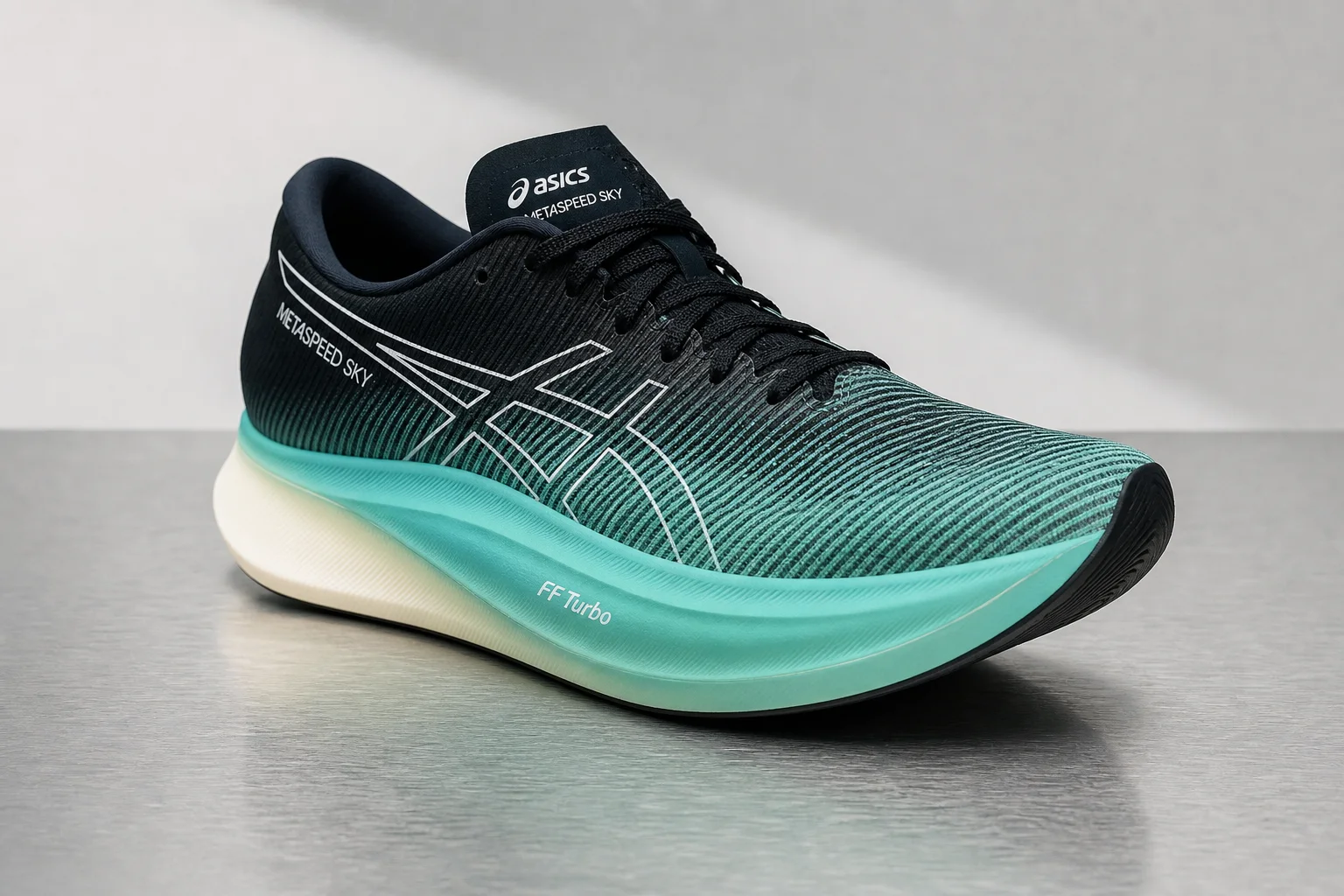
This comparison is probably closer than you would expect. There is a clear weight difference, with the Metaspeed Sky Plus being by far the lighter shoe, and its upper feels far more natural than the AlphaFly’s. The fit is more familiar too: where the AlphaFly’s mesh is rigid and firm, the Asics upper is floppy and flexible.
The ride feels a little more like a regular running shoe rather than something built purely around Nike’s technology. That should appeal to a wider range of runners, and you can probably use it more often than the AlphaFly, which feels more like a long run specialist. The Asics feels like a sports car compared to a Volvo: nimble, light and nippy on foot.
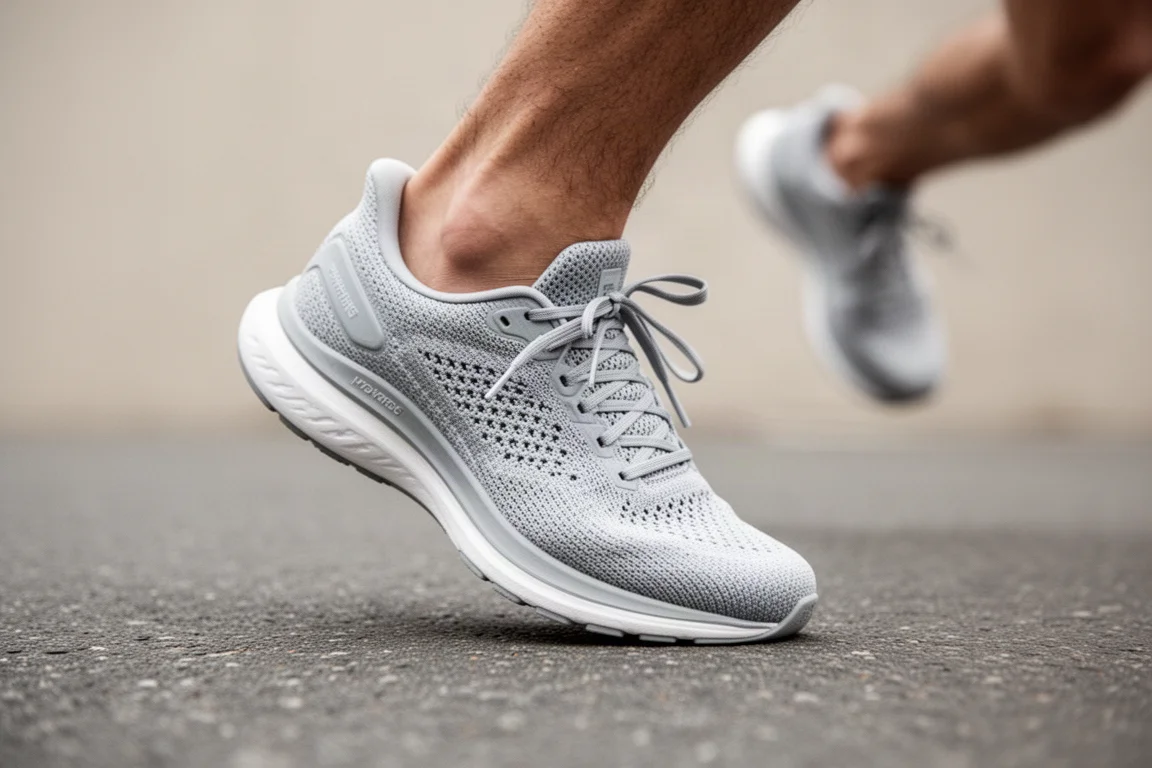
The Metaspeed Sky Plus suits racing from 5K and 10K up to the half marathon without a problem. The AlphaFly still has an advantage the further you go, and plenty of runners have praised it for those longer distance efforts. The drop between the shoes is not that noticeable, and the plate position and curve are very similar between the two, with a comparable level of compression.
One caveat that affects many people: lots of runners find the AlphaFly far too tight in the arch. That complaint has not gone away, so trying before buying matters. Still, for a marathon, the AlphaFly would likely be the pick.
Adidas Adizero Adios Pro 3: Promise and a Price Problem
The Adios Pro 3 was expected to drop relatively soon, and excitement was high. The less exciting part is that Adidas pushed the price up by about £40 in the UK compared to the Adios Pro 2, bringing it in line with the Prime X at £220. It seems to be roughly the same amount of shoe but more money.
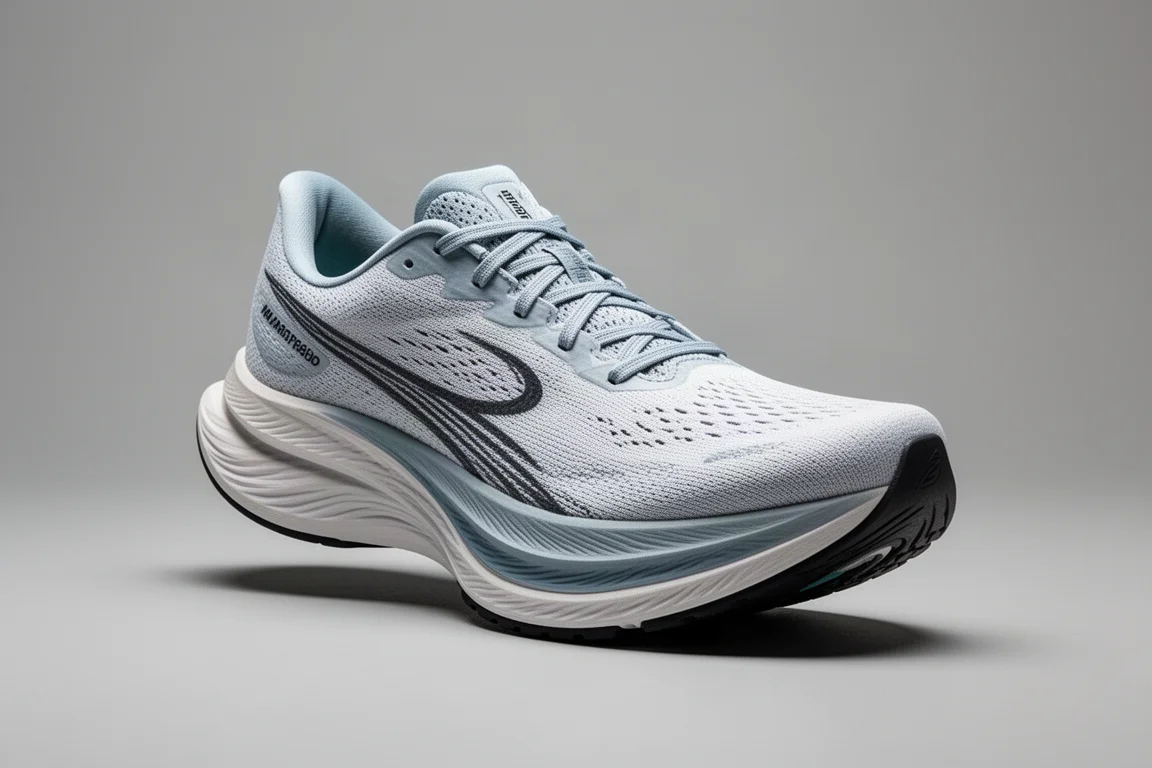
Adidas lists the weight as 215 grams, the same as the Adios Pro 2, though the heel and forefoot midsole stack heights were amended to 39.5mm in the heel and 33mm in the forefoot, with one other source listing the forefoot at 31mm instead. The shoe appears to be a refinement of the Adios Pro 2, whose upper was pretty much spot on in line with recent Adidas Adizero shoes.
Whether it will be that much better than the Adios Pro 2 or the Prime X is uncertain, and £220 is a lot of cash. It will have to be a huge step forward to justify the increase. As such, the AlphaFly currently provides the better value, a tried and tested shoe proven by many runners over many miles.
Nike AlphaFly Next% vs Vaporfly Next% 2
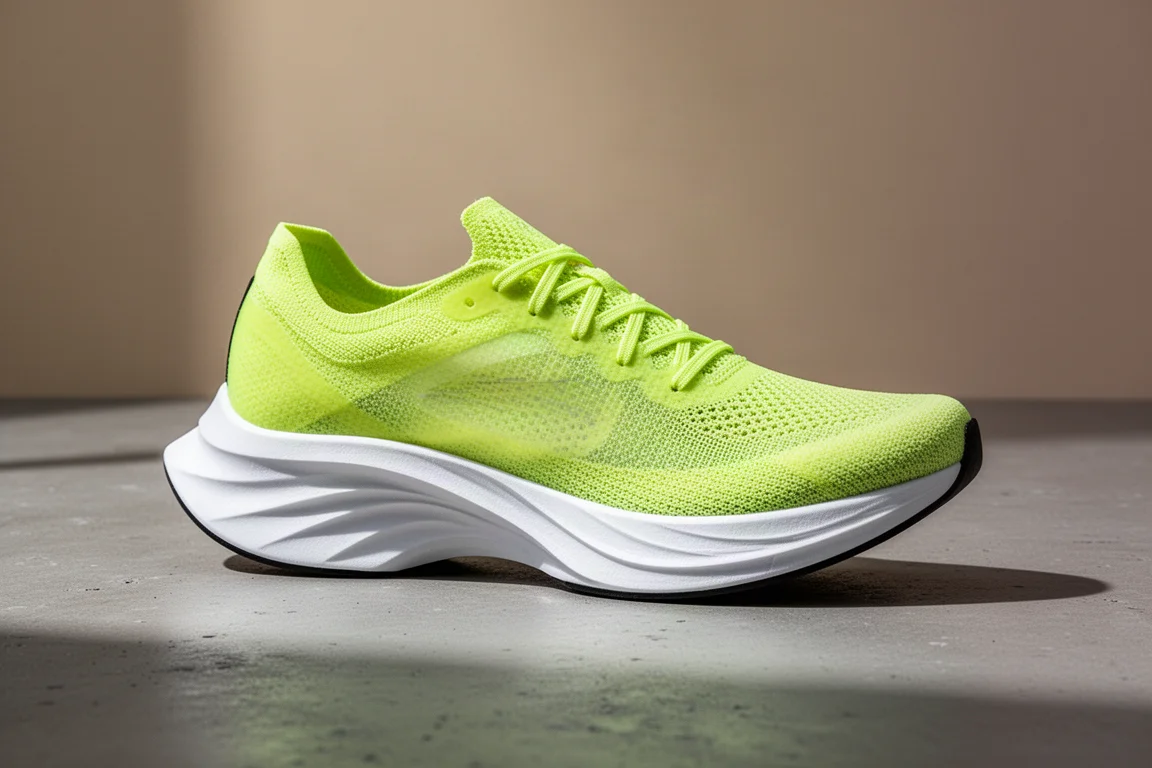
The Vaporfly Next% 2 has stood the test of time very well. It is lighter than the AlphaFly and £40 cheaper in the UK, and many runners prefer it, perhaps because of the heel-to-toe drop or the plate placement. Go to any local race and you will see far more Vaporflys than AlphaFlys; it still appears to be the top dog.

In terms of production quality, the two are probably about the same, though Nike’s quality control is inconsistent across both. Each has faults: the Vaporfly Next% seems to have the softest rubber compound known to man, and its midsole creases straight out of the box. If that troubles you, it may not be the shoe for you.
Neither shoe is really worth over £200 on pure materials value alone, and some materials feel like recycled plastic bottles or fridge freezer packaging. But worth and value are always in the eye of the beholder, and with around 10 colorways available now compared to only one or two back in 2019, availability has never been easier.
Overall Buying Advice
So is the AlphaFly Next% the best running shoe money can buy? Honestly, probably not. It is an acquired taste that not everybody will get on with, particularly if the tight arch fit bothers you. At full retail it is hard to justify over the Prime X, and the Vaporfly Next% 2 remains the more popular choice at races for less money.
If only one shoe were on the table right now, the Metaspeed Sky Plus would likely be the pick: it does everything, and it does it very well, from 5K racing through to long efforts, with a more natural upper and a lighter build.
Conclusion
The AlphaFly Next% remains a formidable marathon weapon with genuine fatigue-fighting benefits, but its eye-watering price and unusual fit hold it back. The Prime X is the better trainer, the Metaspeed Sky Plus is the most versatile all-rounder, the Adios Pro 3 faces a tough value question, and the Vaporfly Next% 2 still edges out its bigger sibling for many runners. Match the shoe to the distances you race and the fit you can live with, and the expensive option is not automatically the best one.
Further reading
Related Reviews

Running Shoes
Best Road-to-Trail Running Shoes: Three Versatile Options for Mixed Terrain
A practical guide to three road-to-trail running shoes that handle both pavement and mild trails, with clear strengths and trade-offs for different runner types.

Running Shoes
Best Running Shoes for Achilles Tendonitis: Three Options Explained
Three running shoes with different heel drops and support features designed to help reduce Achilles tendon pain during walking and running.

Running Shoes
Best Running Shoes for Women: Five Top Choices Ranked
A ranked guide to five women's running shoes, from versatile daily trainers to high-performance racing options, with real strengths and trade-offs for each.