Running Shoes
Nike Alphafly Next% vs Alphafly Next% 2: Marathon Racing Shoe Comparison
Nike's top marathon racer gets a round of tweaks: more ZoomX under the Air Zoom pods, a wider heel, and a new Atomknit 2.0 upper. Here is how the two versions compare.
Introduction
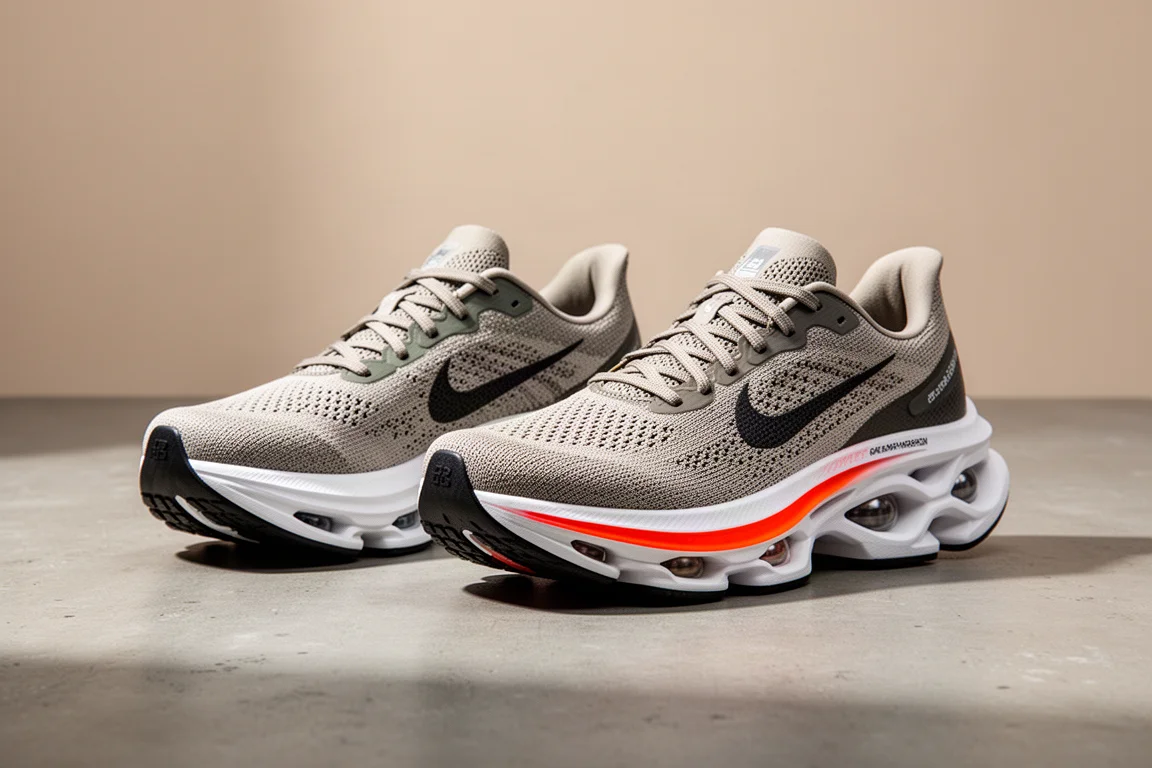
The Alphafly line sits at the top of Nike’s road racing range, built primarily as a marathon weapon. The original Alphafly Next% arrived with huge fanfare after a prototype version was used to run the first ever sub-2 marathon, and it has since become a go-to choice for long-distance racing. The Alphafly Next% 2 launches today to replace it, positioned above the Vaporfly and Streakfly, which Nike pitches as shorter-distance racing shoes.
This comparison looks at what has changed, what has stayed the same, and which version makes more sense for your money.
How the Key Specs Compare
The weight has gone up with the new version. A UK size 9 pair of the Alphafly 2 weighs 244 grams on one shoe and 251 grams on the other, and Nike lists a UK 9 / US 10 at 249 grams. The original Alphafly comes in at 232 grams in the same size, and some later colorways were reportedly even lighter, so the new shoe carries a modest weight gain.
The listed drop is different too. Nike states the Alphafly 2 has an 8-millimeter heel-to-toe drop, while the original is listed at 4 millimeters. In practice the ride does not feel dramatically different in drop terms, but the official figures are what they are.
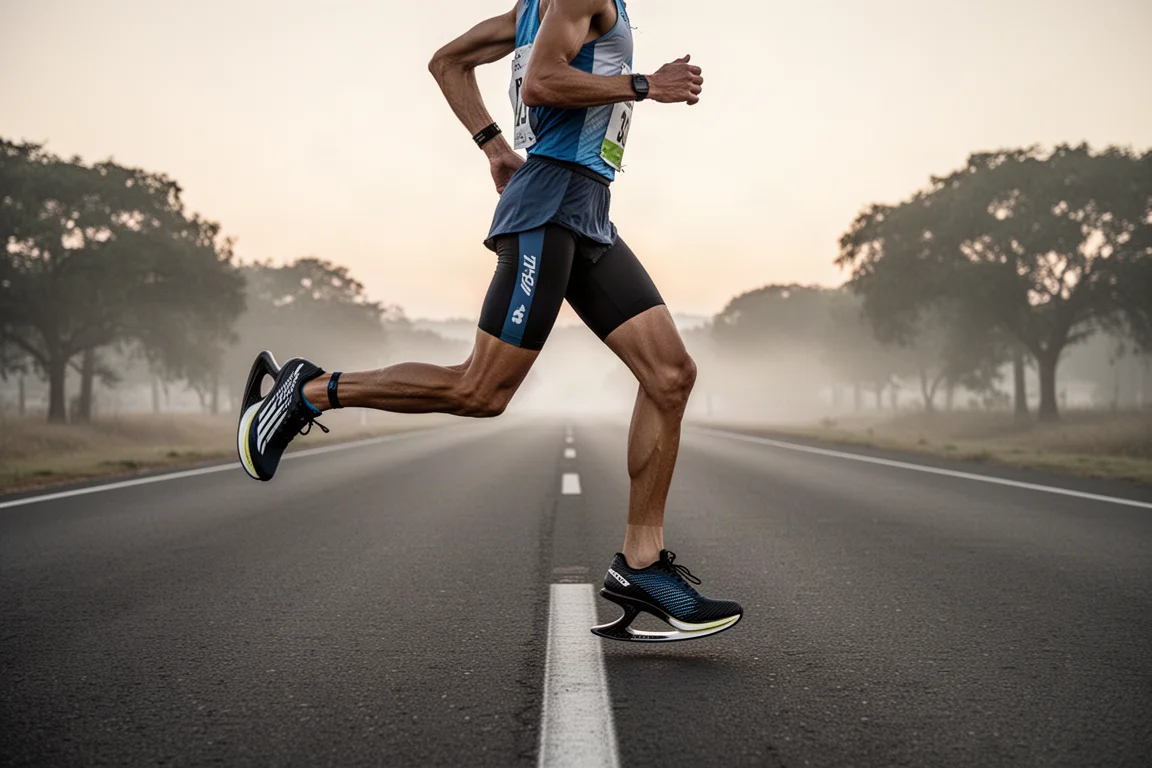
On price, the original launched at £259.95 in the UK and $275 in the US, with some special editions costing more. The price of the Alphafly 2 had not been confirmed at launch, but it is reasonable to assume it sits at a similar level.
Fit and Upper: Atomknit 2.0
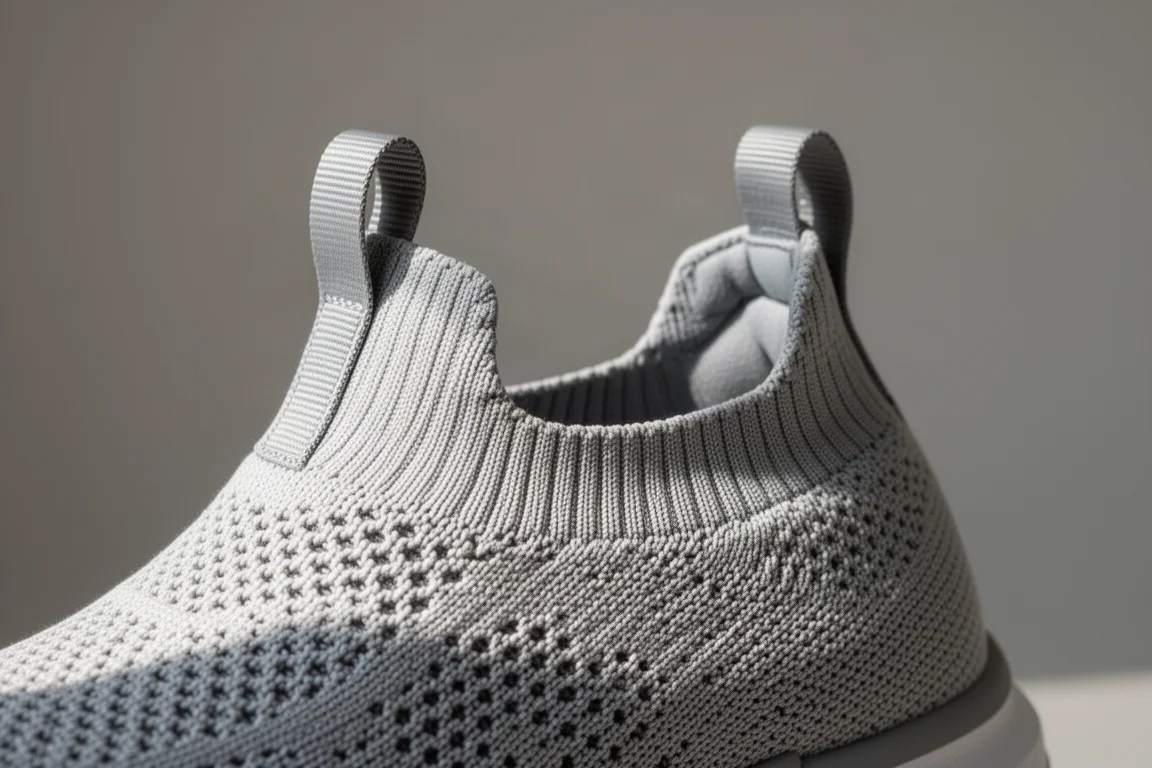
The original Alphafly used an Atomknit structured knit upper that was very lightweight but still held the foot well. The Alphafly 2 moves to Atomknit 2.0 with noticeably more support around the heel, hugging the foot more firmly, and a redesigned toe overlay that feels a little more breathable and less restrictive.
Both versions fit true to size and share the same bootie-style construction with two pull tabs. Both are stubborn to pull on the first time, but once on, the fit is excellent, with good room in the toe box. The new shoe does feel slightly more secure around the heel, and it delivered a comfortable fit over long runs.
Midsole and Outsole Changes
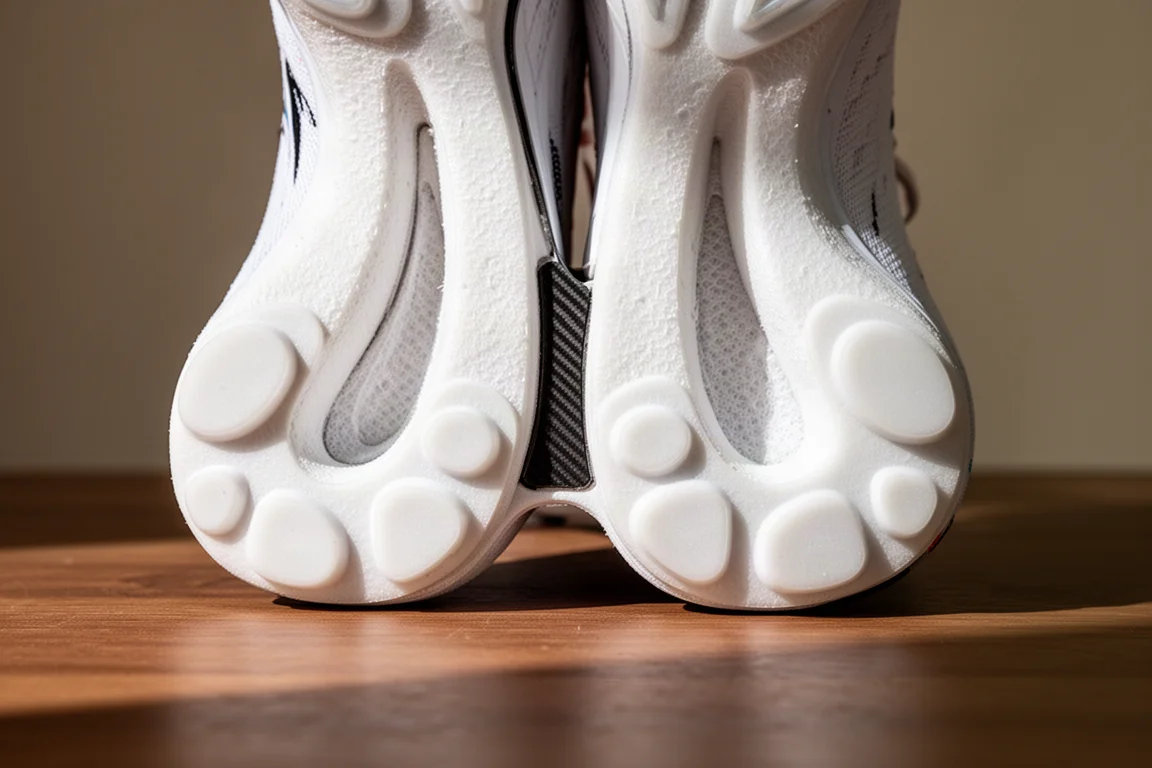
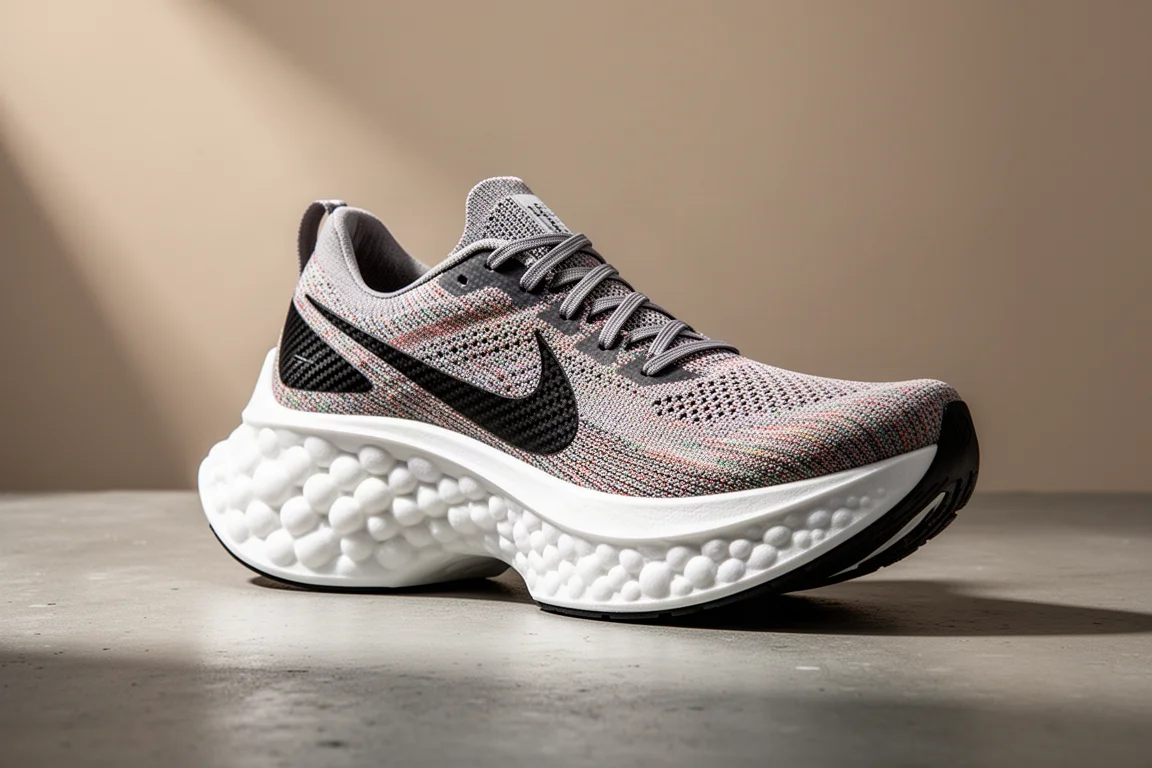
The core recipe is unchanged: a full-length carbon plate, plenty of ZoomX foam, and two Air Zoom pods under the forefoot. Those pods remain the key difference between the Alphafly and the Vaporfly, adding a firmer feel and extra pop at toe-off.
The Alphafly 2 adds a small layer of ZoomX foam underneath the forefoot pod, which was not there on the original, bringing a touch more cushioning up front and a bit more spring at toe-off. The heel is also wider, which adds foam and stability, and the rear wedge has been reshaped. The outsole uses thinner rubber to make room for the extra foam, and the outsole pattern has changed. Both shoes are only okay in the wet in testing, so neither is a shoe for slick conditions, and the extra cutaway exposing more of the plate helps keep the weight gain in check.
Ride Performance: More of the Same, Slightly Better
The original Alphafly has a fantastic ride that helps you lock into a pace and roll through long events while protecting your legs, so you feel strong at the end when the fast times matter. The Alphafly 2 is very much the same character, arguably amplified: more foam, a bit more outlandish on the foot, and slightly smoother in transition with more pop off the front.
At easy paces both shoes feel big and a little odd underfoot, but once you push the pace they come alive. Over long stretches at marathon pace or quicker on good roads, the Alphafly 2 makes holding speed feel almost effortless, with perceived effort and even heart rate noticeably lower than in other shoes at the same pace. Early testing covered 82k in ten days, including a 20-miler, a parkrun, a hard session, and long runs with plenty of fast work.
The weakness is shared by both versions: despite the wider base, neither is a stable shoe. Dead turns on broken ground or slick asphalt cost time, so very twisty courses, especially over shorter races, will punish you. On long straights and gentle courses, though, both are exceptional, and both have proven capable over 5k and 10k as well, with the lighter original possibly holding a slight edge over very short distances.
Which One Should You Buy?
The Alphafly 2 makes sensible tweaks across the board. It feels better, holds fast pace on straight roads a little better, and improves transition without feeling heavy despite the extra grams. That said, it is not a drastic leap forward, and the line is expensive.
If you can find the original Alphafly discounted to £100 or £150 or less as the new version arrives, it remains a fantastic racing shoe and arguably the smarter buy. If you want the very latest version with the smoother transition and extra forefoot cushioning, the Alphafly 2 just edges ahead, particularly for marathon-focused racing on straight, good-surface courses.
Conclusion
Both Alphafly versions are built for one core purpose: straight-line speed on good surfaces, which is why they excel in marathons and half marathons and hold their own over 5k and 10k on suitable courses. The Alphafly 2 refines an already excellent formula, improving the ride and transition in small but real ways, while the original remains a superb option if you can find it at a lower price. Neither excels on twisty or technical courses, so buy whichever version fits your budget and race calendar and trust it on the long straights.
Further reading
Related Reviews

Running Shoes
Best Road-to-Trail Running Shoes: Three Versatile Options for Mixed Terrain
A practical guide to three road-to-trail running shoes that handle both pavement and mild trails, with clear strengths and trade-offs for different runner types.

Running Shoes
Best Running Shoes for Achilles Tendonitis: Three Options Explained
Three running shoes with different heel drops and support features designed to help reduce Achilles tendon pain during walking and running.

Running Shoes
Best Running Shoes for Women: Five Top Choices Ranked
A ranked guide to five women's running shoes, from versatile daily trainers to high-performance racing options, with real strengths and trade-offs for each.