Running Shoes
Nike Alphafly Next% 3: A Closer Look at Nike's Latest Marathon Racer
Nike's newest top-tier marathon shoe widens the platform, smooths the midsole, and repositions its Zoom Air pods to work for more runners than ever.
Introduction
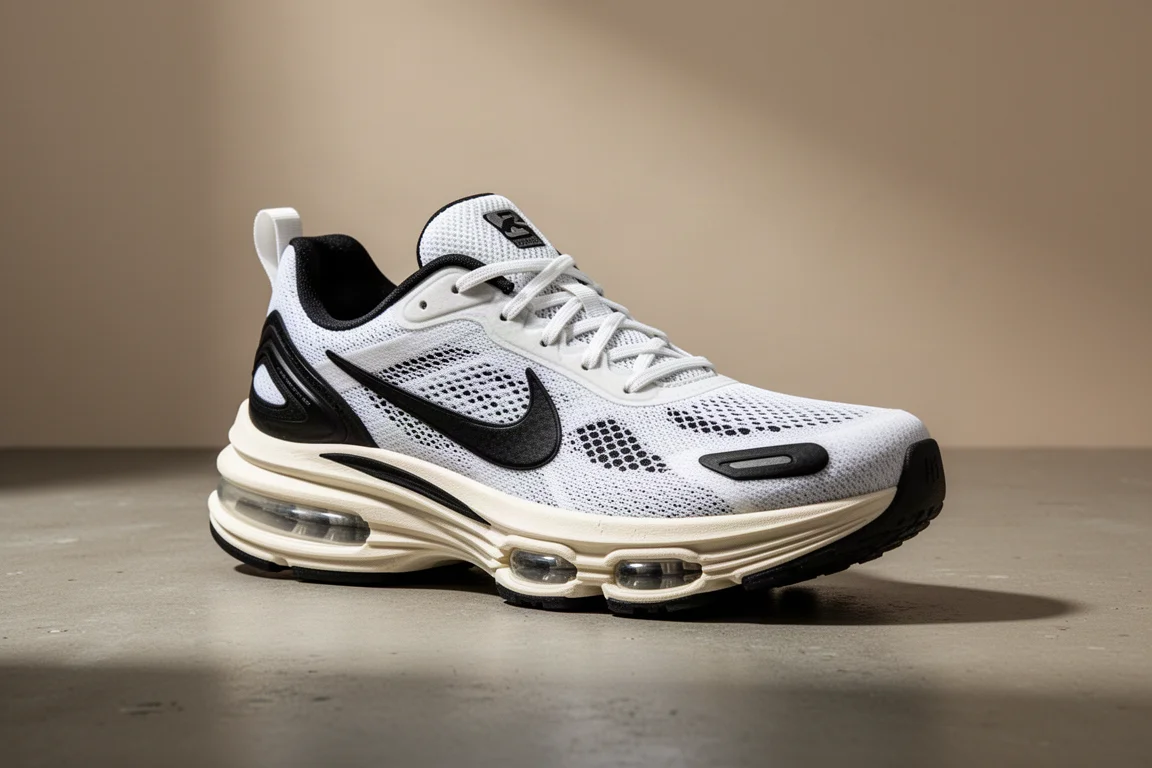
Few marathon shoes arrive with as much anticipation as the Nike Alphafly Next% 3. It is the brand’s latest and greatest for marathon racing, sitting at the very top of Nike’s lineup above the Vaporfly, and this third iteration is the first we have had the chance to examine up close in hand.
The headline story is accessibility. Versions one and two were best suited to forefoot strikers and fast runners who could fully exploit the front of the platform. Version three takes a different approach, aiming to be a better shoe for everyone, not just the lead pack. Here is a closer look at what changed and who this shoe makes sense for.
What Makes the Alphafly Different
Nike keeps two marathon racing shoes in its rotation. The Vaporfly is the more traditional super shoe with a full-length bed of ZoomX foam, while the Alphafly is the top-tier racer, priced accordingly at $285 in this iteration. What has always set the Alphafly apart is its use of Zoom Air units: two air pods in the forefoot that activate when you forefoot strike and put pressure down through the front of the platform.
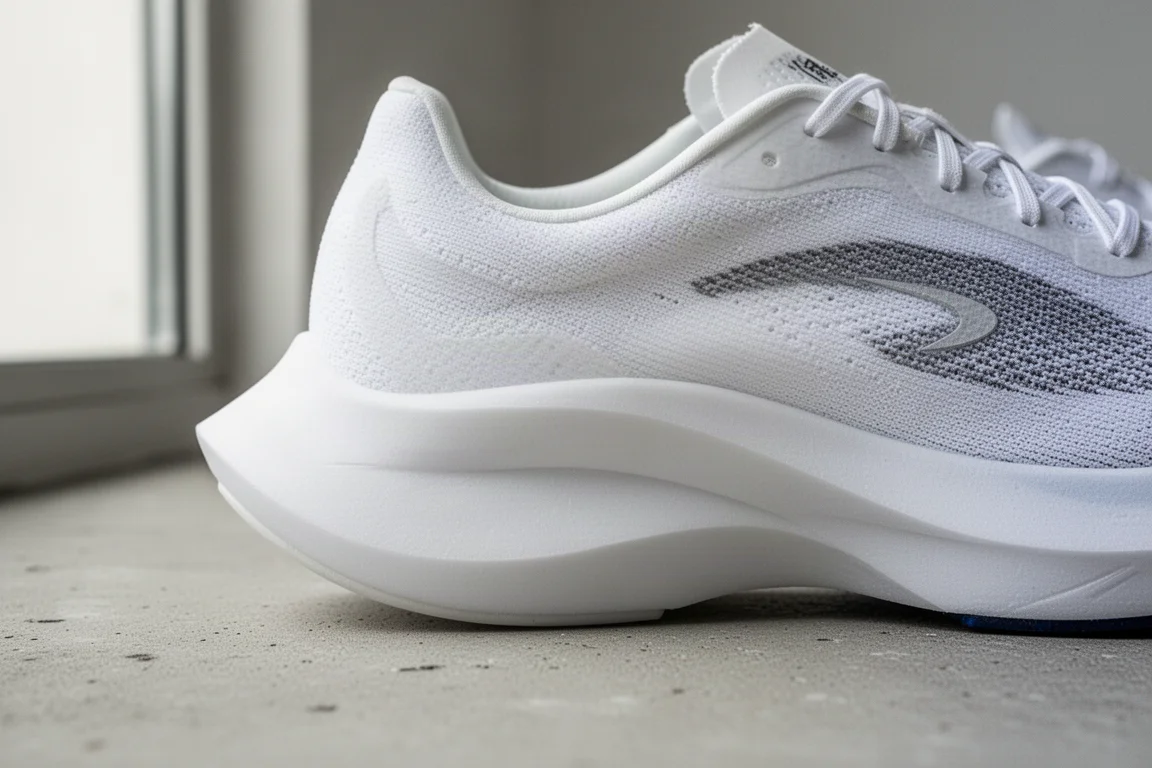
The midsole remains 100% Nike ZoomX with a thick stack: 40 mm in the heel, 32 mm in the forefoot, for an 8 mm drop. Zoom Air units sit in the forefoot and a carbon fiber plate runs through the middle, still aggressive enough to put you up on your toes.
For this generation, Nike moved the Zoom Air pods back toward the midfoot. They sat further up toward the toe in the Alphafly 1 and 2, so the shift makes the shoe friendlier not just for midpack runners but also for elites, whose form tends to degrade slightly over the course of a race. Because of the wide window through the bottom of the shoe, the carbon fiber plate now curves up near the midfoot, so runners landing toward the middle of the shoe get the most benefit from those pods.
Comfort and Stability Upgrades
One of the key criticisms of the Alphafly 2 was comfort, or the lack of it. The heel area dug into many runners’ arches, and there were concerns about discomfort in the toe box. Nike has responded by widening the base slightly, opening up the forefoot for better landings, and making the foam on the bottom one continuous piece rather than the bifurcated midsole of version 2. That should deliver a smoother ride.
The wider foam base also extends beyond the Alphafly 2 and the Vaporfly, which should bring more stability to a broader range of runners. That makes this generation a promising candidate for heel strikers, arguably even more so than the Vaporfly, though we will reserve final judgment until we have real miles on it.
Upper, Fit, and Laces
Up top, Nike went with an extremely lightweight, see-through upper that looks striking in the white proto colorway. Up close it resembles a spider web, with fine little holes throughout, and it is light but strong. The construction is a one-piece sock design with no tongue and no gusset, which should deliver a solid lockdown once we get to test the ride.
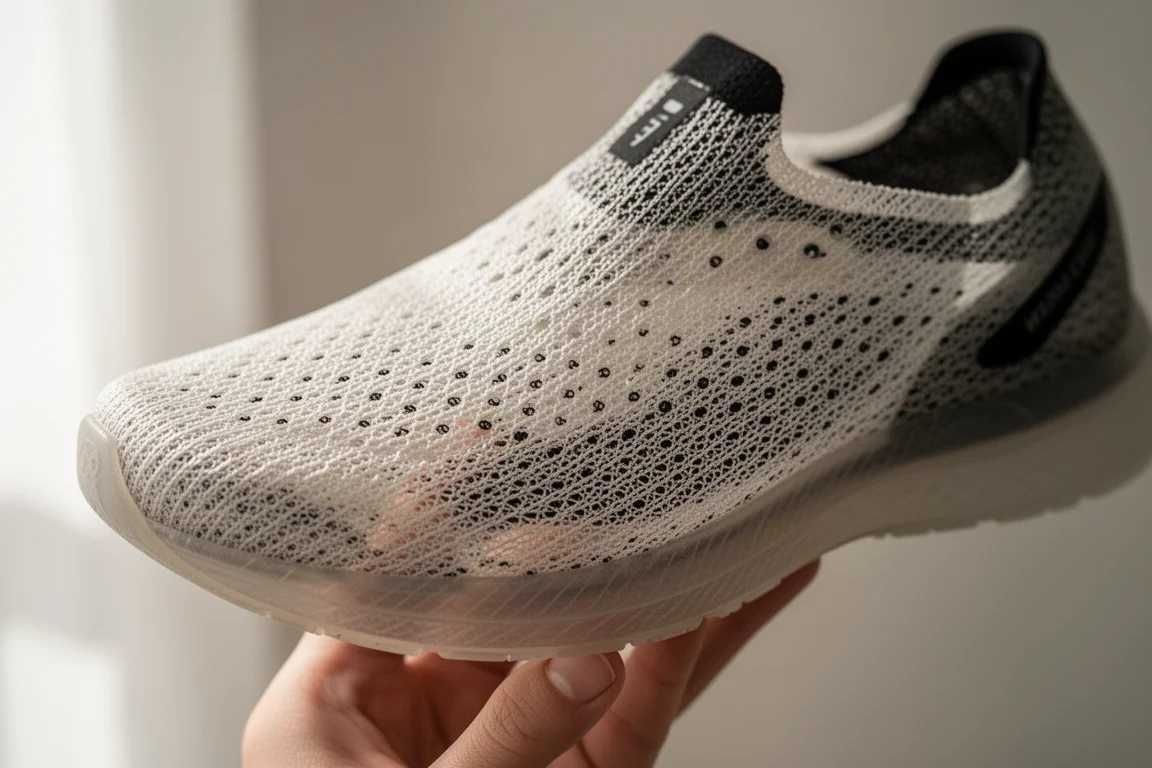
The heel is moderately structured. You can push it down with a finger, so it is not as rigid as something like the Saucony Endorphin Pro 3, but there is a small heel counter and a moderate amount of interior padding, slightly less than the Vaporfly, enough to avoid heavy rubbing on the Achilles.
The race day laces are a familiar highlight. With small knots built in, they add an extra layer of security when cranked down and have a strong track record of staying tied for the duration of a race without needing reties, a real contrast to flat laces that often need retying mid-run.
The proto colorway adds thoughtful design touches: an unfinished, deliberately unpainted section on the swoosh, a version number, a Nike racing flare at the back, an AF accent on the tongue, and an orange sock liner inside. The box lid even carries a quotation from Nike co-founder Bill Bowerman noting that a great race shoe has to be comfortable, and the box itself is printed with a range of finishing times, from 1:59:59 down to 4:29:29, signaling that this is meant to be a shoe for whatever goal you are chasing.
Outsole and Durability
The outsole is another area of meaningful change. Nike skipped a full-length rubber construction but added more rubber to the heel, extended it further up the back than in previous generations, and gave it better rubber coverage than the Vaporfly as well.
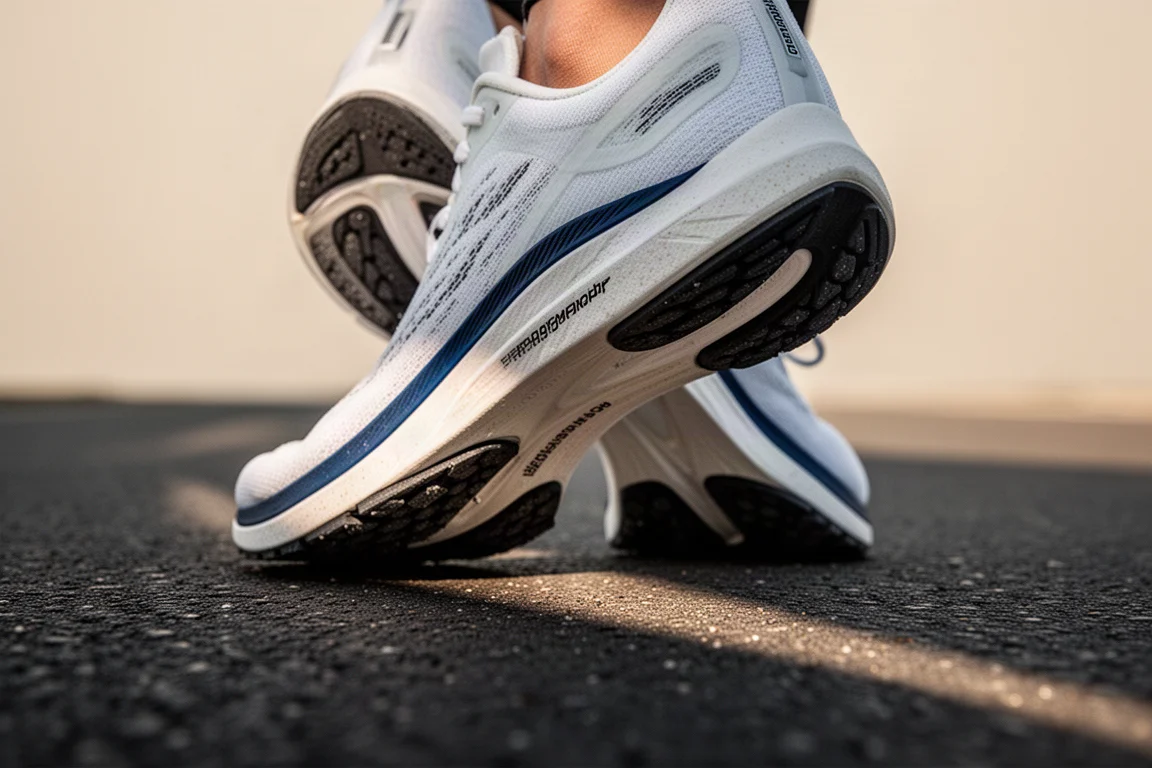
The lateral side gets a full strip that is fairly thick, thicker than some daily trainers, which should offer good coverage for heel strikers who wear heavily in that area. This is still not built to be a durable everyday shoe, but it should hold up better than previous generations. For reference, a Vaporfly with only about 30 miles on it can already show foam wear in the heel and noticeably less rubber coverage than what the new Alphafly brings.
A note on usage: race day shoes are typically kept fresh, with mileage limited to roughly 50 miles before a spring marathon so the shoe stays at its best for race day.
Should You Buy the Alphafly Next% 3?
If you are a marathon racer deciding whether the $285 asking price is worth it, the Alphafly Next% 3 now presents a much broader case than its predecessors. The repositioned Zoom Air pods, continuous midsole foam, wider base, and improved heel rubber coverage all point toward a shoe designed for a wider range of runners, from elite front-packers to midpack and recreational racers.
It will be worth comparing directly against the Vaporfly and against the Saucony Endorphin Pro 3, currently a strong option for recreational runners, to see how the ride, fit, and durability stack up in real use. For now, the on-paper changes make a compelling argument that this is the most approachable Alphafly yet.
Conclusion
The Nike Alphafly Next% 3 keeps the formula that made the line special, full ZoomX foam, a carbon plate, and forefoot Zoom Air pods, while addressing the comfort and stability criticisms that held back earlier versions. Until we can log miles and a full first-run review, the changes look well aimed: a smoother, wider, more forgiving racer that Nike clearly wants to work for every runner on the start line, whatever their finishing time.
Product link
View more details for Nike Alphafly Next% 3
This product is mentioned in the review. Check the specifications, options, and compatibility before buying.
View more details for Nike Alphafly Next% 3Further reading
Related Reviews

Running Shoes
Best Road-to-Trail Running Shoes: Three Versatile Options for Mixed Terrain
A practical guide to three road-to-trail running shoes that handle both pavement and mild trails, with clear strengths and trade-offs for different runner types.

Running Shoes
Best Running Shoes for Achilles Tendonitis: Three Options Explained
Three running shoes with different heel drops and support features designed to help reduce Achilles tendon pain during walking and running.

Running Shoes
Best Running Shoes for Women: Five Top Choices Ranked
A ranked guide to five women's running shoes, from versatile daily trainers to high-performance racing options, with real strengths and trade-offs for each.