Running Shoes
Nike Alphafly Next% 2 vs Adidas Prime X Strung: Which Super Shoe Wins on Long Runs?
Two premium super shoes put through marathon-paced miles and a 20-mile long run, with honest notes on comfort, durability, and value.
Introduction
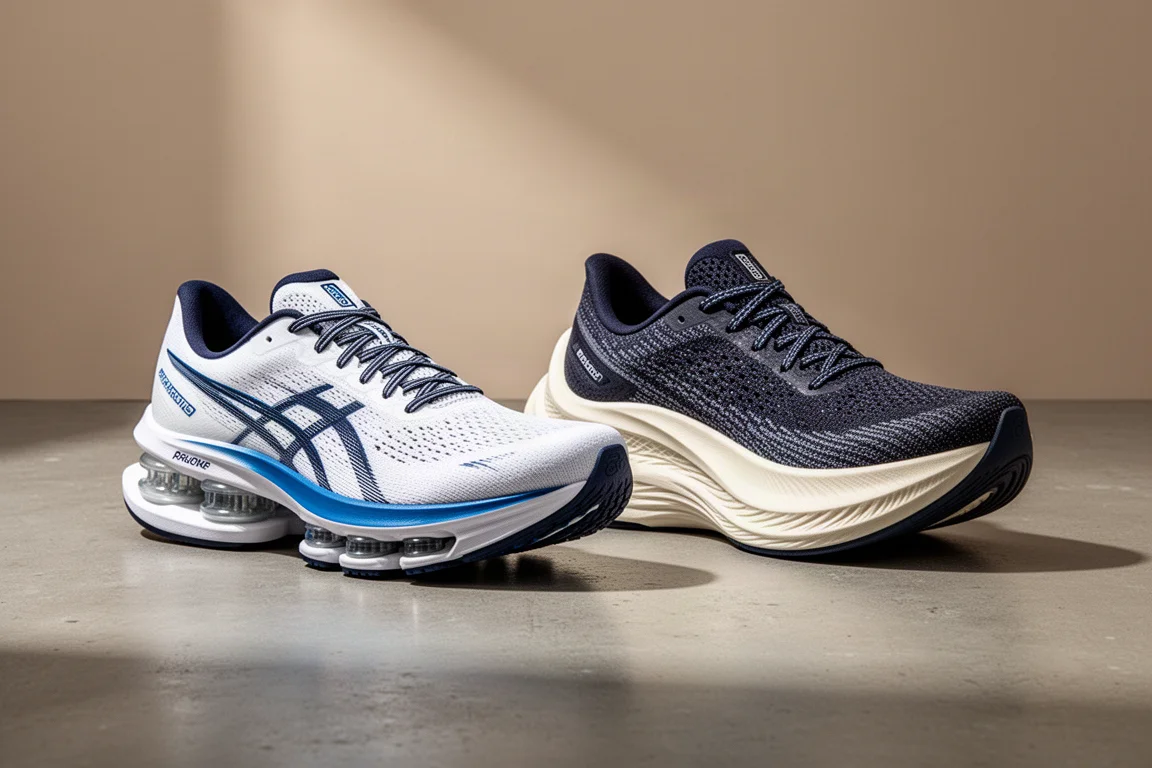
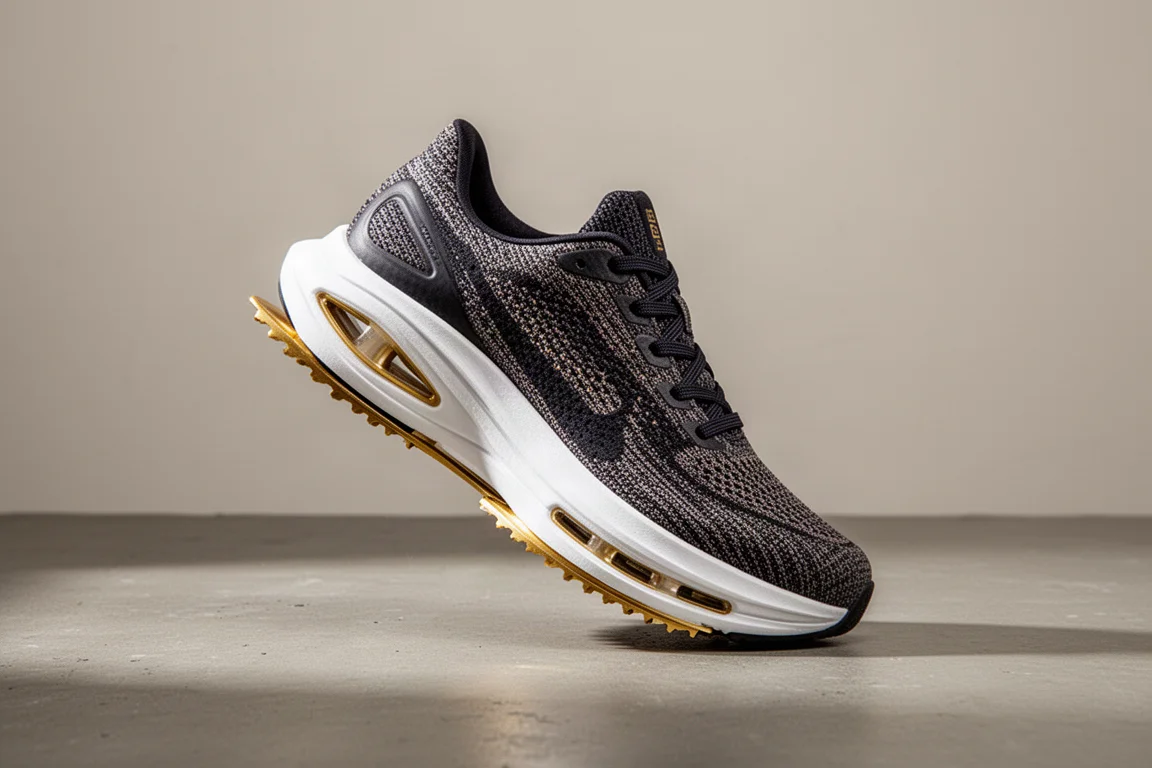
When the miles get long and the target pace gets serious, the right super shoe can make a genuine difference. Two of the biggest names in the category went head to head across marathon-pace intervals and a 20-mile long run: the Nike Alphafly Next% 2 and the Adidas Prime X Strung. Both are fast, both are cushioned, and both come with trade-offs worth knowing before you spend serious money.
Nike Alphafly Next% 2: Pace With Caveats
The Alphafly Next% 2 proved easy to open up at speed. In an 11-mile session with three three-mile blocks at target marathon pace, effort levels stayed controlled and heart rate stayed in check, averaging around 7:33 per mile with several miles dipping faster. The shoe encourages you to push the pace, and the forefoot cushioning clearly helped sustain it.
The catch is fit and build. The stock insole is extremely thin, and a prominent arch caused discomfort until it was swapped for a deeper foam insole from a Saucony Endorphin Speed 3, which completely resolved the arch pain. The padded heel also felt more noticeable on longer efforts, with a heel counter that seems less rigid over time. At around 120 miles the foam feels slightly less bouncy than new, and the right shoe developed an odd squeak from the heel area, raising questions about long-term durability.
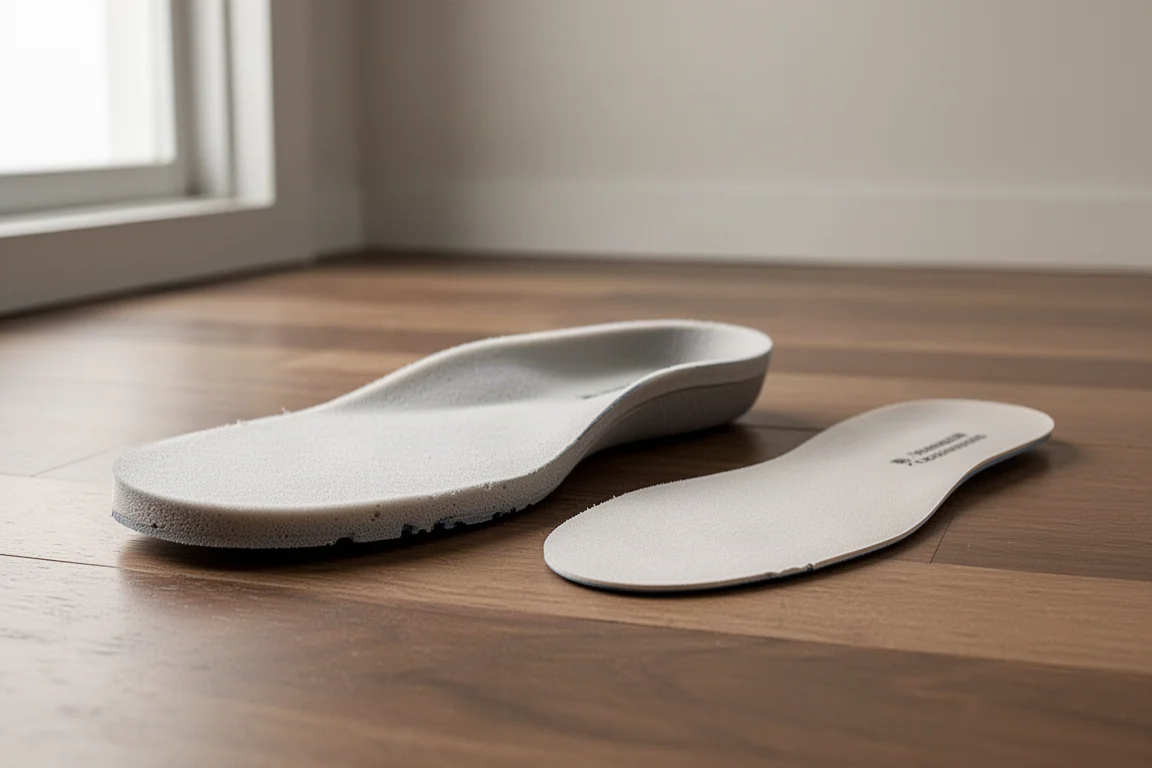
Add in the fact that the stock insole needs replacing straight out of the box, and the case for buying a brand-new pair specifically for race day becomes harder to justify at this price point.
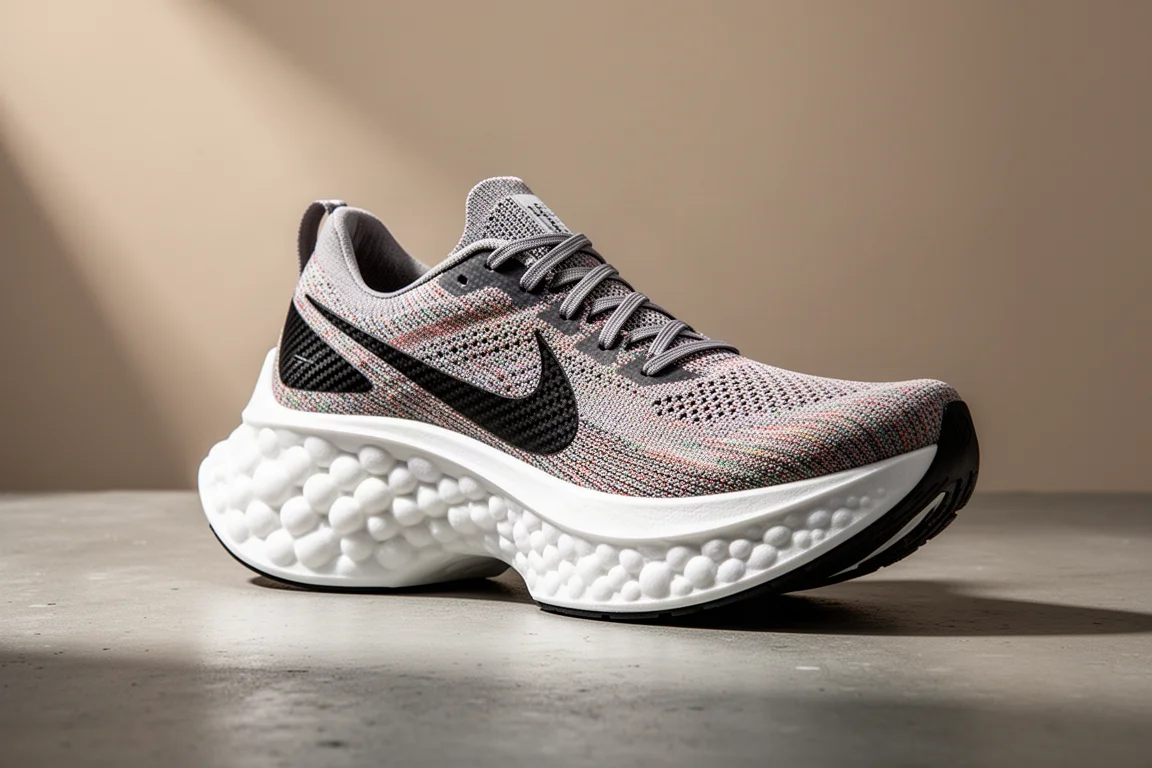
Adidas Prime X Strung: Cushioning That Goes the Distance
The Prime X Strung came out of a short retirement for a 20.1-mile long run with significant elevation, held at roughly 8:15 per mile, and handled it without complaint. There was never a moment of wishing for a different shoe on foot. The ride is consistently bouncy and propulsive, and the legs felt remarkably fresh the next day with no major aches or pains.

A shorter 10K effort at goal marathon pace confirmed the shoe is genuinely quick: cadence rises, the stride opens up, and the ride feels like a rocket. Some of the fastest short reps recorded in any shoe happened in this one. The Strung upper also locked in superbly, with lockdown and pressure over the top of the foot so comfortable they could be laced up and forgotten, even in near-freezing temperatures.
One note for competitive racers: the stack height sits well over the legal limit for sanctioned competition, so it is best suited to training, self-timed efforts, and everyday runners rather than elite championship racing.
Which Shoe Should You Buy?
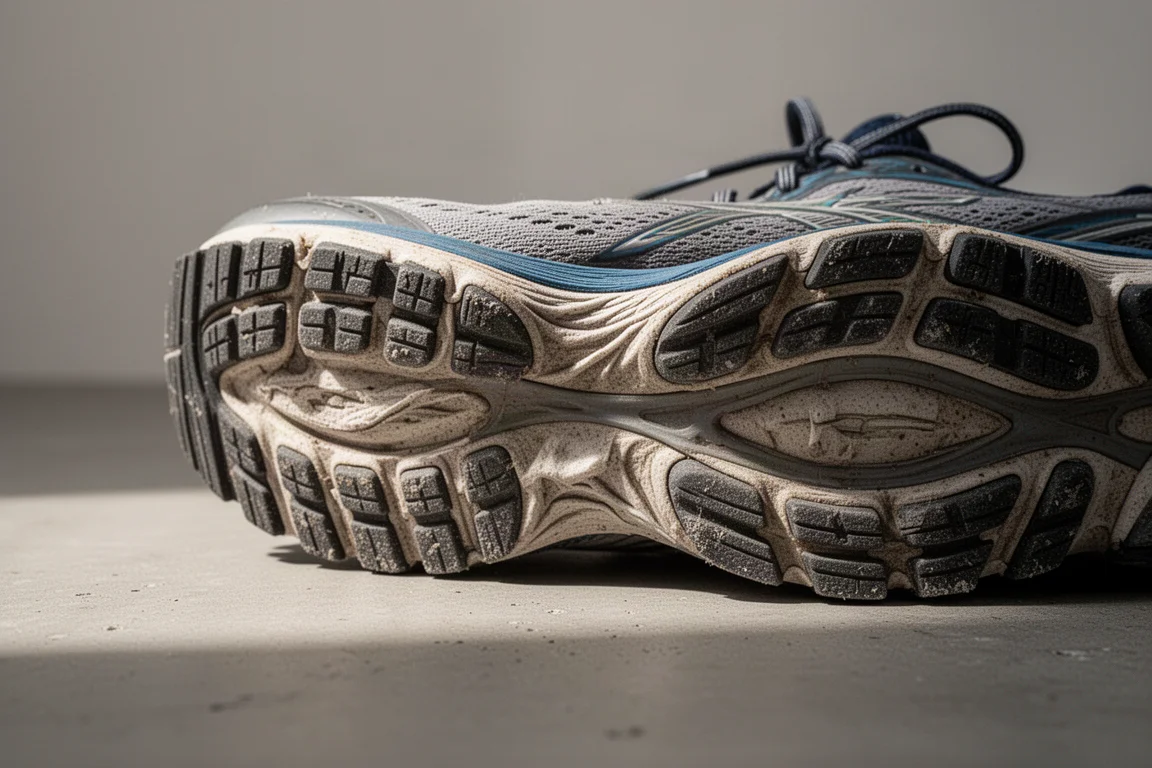
After roughly 124 miles of use across both, the difference in durability is striking. The Alphafly’s exposed midsole foam is visibly creased and crinkled, while the Prime X Strung looks considerably better for the same amount of wear. The Prime X Strung is also the cheaper of the two, making it the stronger value proposition overall.
The decision comes down to priorities. If staying within competition rules matters, the Alphafly Next% 2 is the legal option, and it is undeniably quick at race pace. If maximum cushioning, durability, and value are the priority, the Prime X Strung delivers more of it.
Conclusion
Both shoes are excellent at what they do, but they suit different runners. The Nike Alphafly Next% 2 is the race-legal speed option, provided you accept its fragile-feeling build and the insole modification many runners end up making. The Adidas Prime X Strung offers a more cushioned, more durable, and more affordable ride that excelled over 20 miles, with the caveat of its over-limit stack for sanctioned racing. For value and long-run comfort, the Prime X Strung takes this round.
Further reading
Related Reviews

Running Shoes
Best Road-to-Trail Running Shoes: Three Versatile Options for Mixed Terrain
A practical guide to three road-to-trail running shoes that handle both pavement and mild trails, with clear strengths and trade-offs for different runner types.

Running Shoes
Best Running Shoes for Achilles Tendonitis: Three Options Explained
Three running shoes with different heel drops and support features designed to help reduce Achilles tendon pain during walking and running.

Running Shoes
Best Running Shoes for Women: Five Top Choices Ranked
A ranked guide to five women's running shoes, from versatile daily trainers to high-performance racing options, with real strengths and trade-offs for each.