Running Shoes
Nike AlphaFly Next% 2: Myths Busted Before You Buy
We dig into the claims surrounding the Nike AlphaFly Next% 2, from air pod pressure and durability to the Atomknit upper and its odd absence of Flyprint.
Introduction
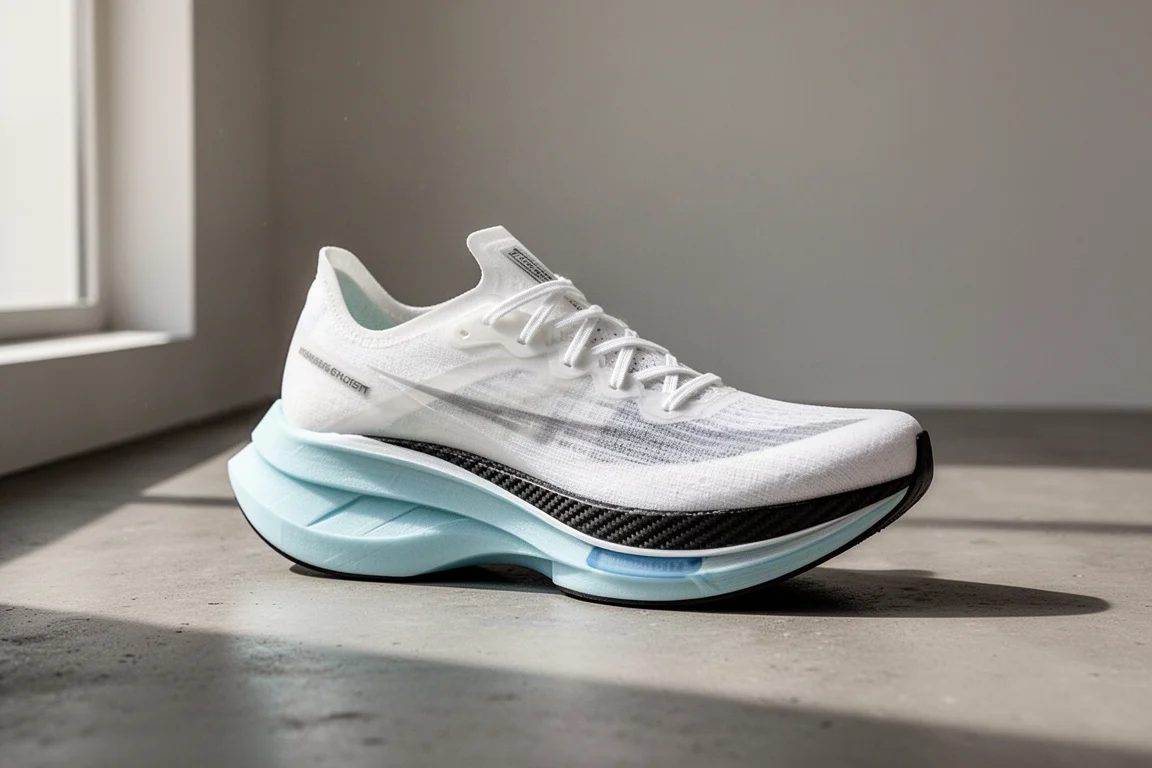
The Nike AlphaFly Next% 2 is one of the most talked-about racing shoes on the market, and with a price tag to match, buyers deserve straight answers rather than recycled speculation. Plenty of half-truths circulate about this midsole monster, so we have taken a stack of the most common questions and worked through them one by one. With a good number of miles logged in the shoe, here is what holds up, what does not, and what you should actually care about before spending your money.
Myth 1: This Is the First Shoe with Air Pods Like These
Not even close. Large, sized air pods appeared in Nike’s basketball line years before the AlphaFly, most notably in the LeBron 15, 16 and 17. The LeBron 17 landed around September 2019, well before the first AlphaFly launched. The pods are not a brand-new invention here; what is new is how Nike has combined them with a tall ZoomX midsole stack to create a marathon racing platform.
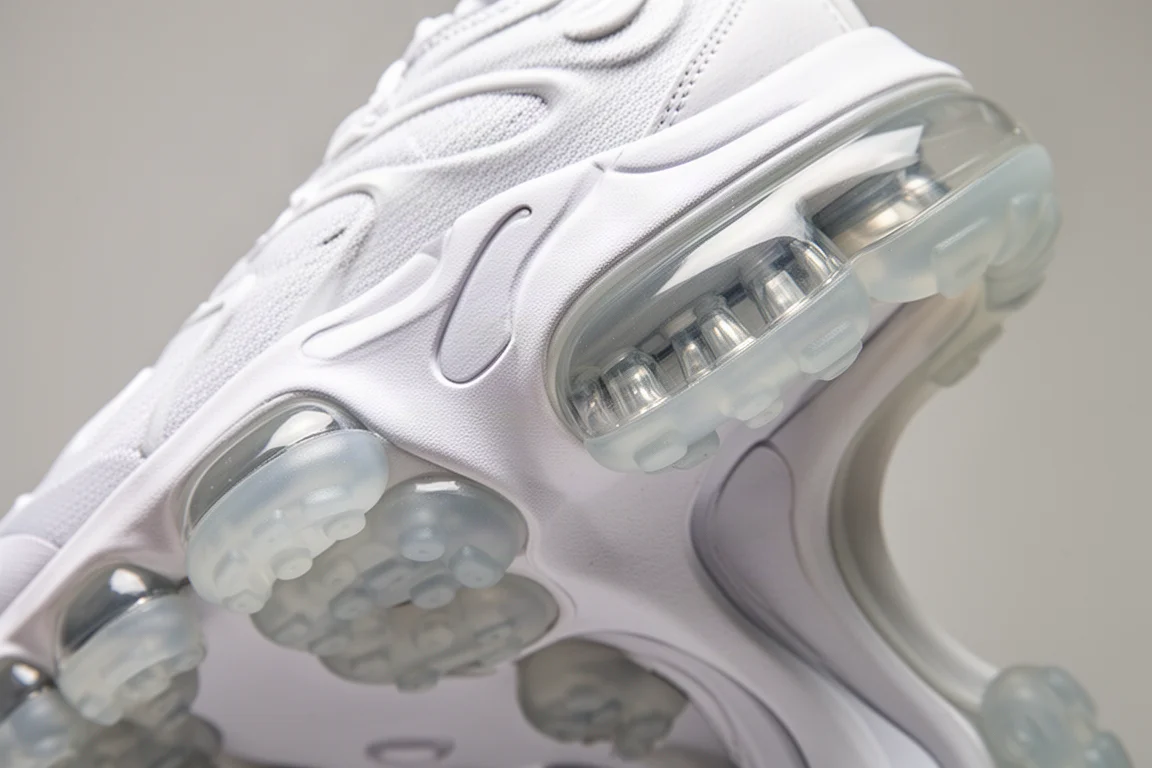
As for pod placement, any apparent difference in position between the first and second versions is almost certainly down to production tolerances. The stack height and the layer of ZoomX foam sitting underneath the pods matter far more to how the shoe feels than a few millimetres of pod positioning.
Myth 2: How Pressurised Are the Air Pods?
Everything points to the pods running at around 25 psi. For comparison, the thinner air units in the Pegasus 37 and 38 sit at roughly 20 psi in men’s models and about 15 psi in the women’s versions. That makes the AlphaFly’s pods around 5 psi firmer than the Pegasus units, and around 7 psi softer than a typical car tyre.
That higher pressure explains why the AlphaFly has always felt noticeably more aggressive through the mid and forefoot. These are among the most highly pressurised air units in any of Nike’s running shoes, and that character is central to the shoe’s ride.
Myth 3: AlphaFly Shoes Wear Out Very Quickly
This one is simply not true in our experience. The shoes keep going and going, with local runners reporting four or five hundred miles out of a pair. There are occasional stories of air pods bursting, but durability fears are overblown. One pair in our own rotation is sitting at around 70 miles with no issues.

There is even some solid science backing this up. A recent controlled treadmill study using lab equipment found that a brand new pair delivers roughly a 4 percent running economy benefit, and that benefit drops by only about 0.07 percent at 200 kilometres, around 125 miles. At over 250 miles, or 400 kilometres, the figure falls to around 3.43 percent. Even a pair with a blown air pod still measured about 2.5 percent better than the control shoe used in the test. The study used the original AlphaFly, but the technology is the same type, so the Next% 2 should not be dramatically different. It is worth noting that the Vaporfly Next% 2 does not show quite the same running economy improvement, and its cushioning seems to deteriorate a little earlier, possibly because it lacks the air pods.
Myth 4: The Atomknit 2.0 Upper Is Basically the Same
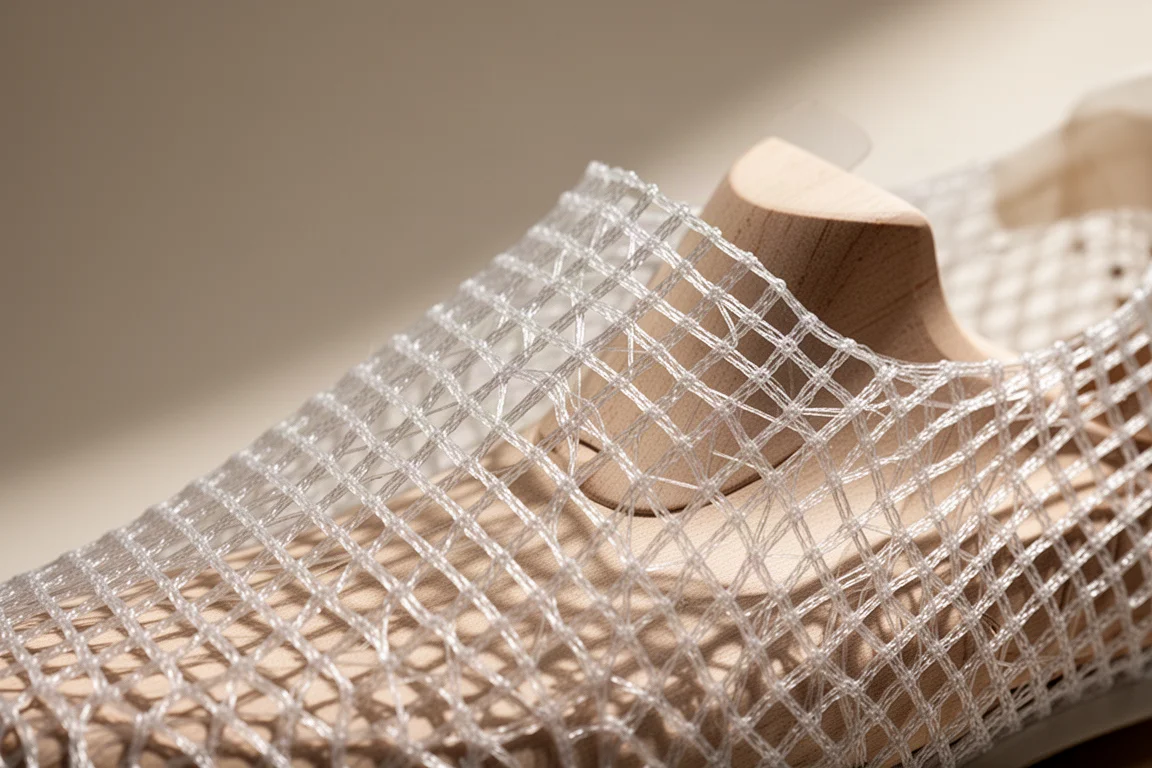
Atomknit 2.0 is back on this version, and if anything it feels slightly thinner with a little less upper material than before. Whether that is a meaningful benefit is debatable, but the construction philosophy is clear: simple Flyknit yarns are steamed and then stretched to form a more contoured fit that is lighter and more breathable. The result looks a bit like a plastic spider’s web, or perhaps nylon chain mail.
Because there is less material to hold water and moisture, this upper suits racing in rainy conditions or very hot climates. In a race shoe, weight is paramount, and Atomknit hits that brief.
Myth 5: Why No Flyprint on This Version?
It does seem strange that Nike stuck with Atomknit when Flyprint is available and has already appeared on the AlphaFly Next% Nature, which launched only a few months ago. Flyprint is clearly lighter, and possibly more expensive to produce. The most likely explanation is that Nike is holding it back for the AlphaFly 3, a pattern the brand has followed in the past: show a little of what is coming, but keep something in reserve.
For context, Flyprint was first seen on the Vaporfly Elite Flyprint edition in 2019, where the upper reportedly weighed just 11 grams. That is lighter than a typical insole, which usually runs around 20 grams. Insane numbers, and a good reason to expect it in the next iteration rather than this one.
On the foam side, Nike’s own material suggests ZoomX is half the weight of React foam with much higher energy return. React-based shoes are heavier to produce an equivalent feel, which raises the question of cost and ease of manufacturing. Heavier ZoomX shoes do exist too, so some of Nike’s weight decisions look like deliberate product spacing rather than engineering limits.
Myth 6: Triathletes Just Haven’t Discovered It Yet
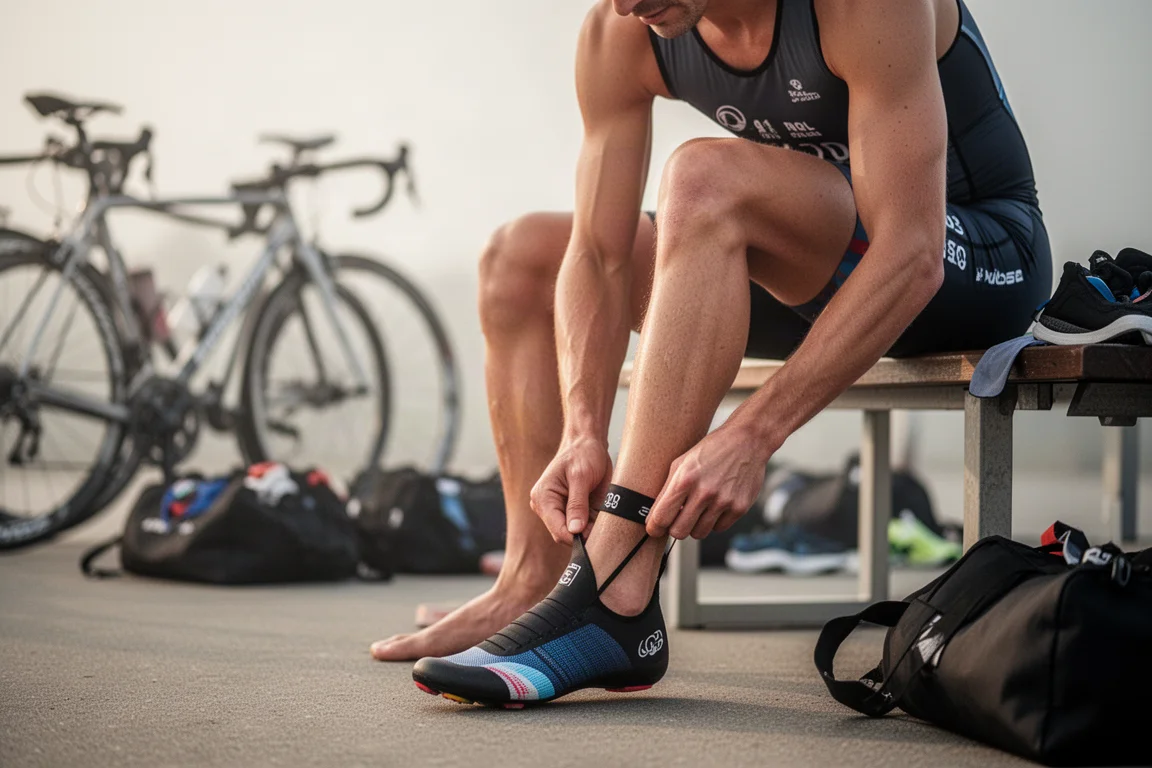
Triathletes have noticed the AlphaFly, but many struggle to get it on their feet coming off the bike. To be frank, both versions are exceptionally difficult to put on, and the second version is arguably tougher than the first. Unless you have a friend handing you a shoehorn in transition, you are going to have a hard time.
Another observation from road races: far fewer female athletes appear to be using the AlphaFly. Some speculate the higher-pressure air units feel too aggressive. As for whether men’s and women’s versions differ, the boxes we checked carry a unisex label with both male and female sizing, and there is no public information suggesting the pressure is adjusted for smaller sizes. That question remains open.
Buying Advice
If you are chasing maximum running economy and a highly aggressive forefoot ride, the AlphaFly Next% 2 delivers, with lab data suggesting its benefit holds up far longer than the durability rumours imply. If you race in triathlons, think carefully about how you will get the shoe on wet feet mid-race. And if you prefer a gentler, more forgiving ride, other super shoes may suit you better. Size and fit matter here more than with most shoes, so try before committing if you can.
Conclusion
Most of the scary stories around the AlphaFly Next% 2 do not survive scrutiny. The air pods are not new, they run at a firmer 25 psi, durability is far better than the rumours suggest, and the Atomknit upper is a deliberate choice for lightweight breathability. The real trade-offs are practical: a stiff, aggressive ride, a tricky slip-on fit, and the sense that Nike is saving its best tricks for the next version. Buy it for what it is, a proven marathon racer, not for what the myths claim.
Product link
View more details for Nike Alphafly Next% 2
This product is mentioned in the review. Check the specifications, options, and compatibility before buying.
View more details for Nike Alphafly Next% 2Further reading
Related Reviews

Running Shoes
Best Road-to-Trail Running Shoes: Three Versatile Options for Mixed Terrain
A practical guide to three road-to-trail running shoes that handle both pavement and mild trails, with clear strengths and trade-offs for different runner types.

Running Shoes
Best Running Shoes for Achilles Tendonitis: Three Options Explained
Three running shoes with different heel drops and support features designed to help reduce Achilles tendon pain during walking and running.

Running Shoes
Best Running Shoes for Women: Five Top Choices Ranked
A ranked guide to five women's running shoes, from versatile daily trainers to high-performance racing options, with real strengths and trade-offs for each.