Running Shoes
Nike Alphafly 4 Review: A Lighter Super Shoe for Race Day
Nike Alphafly 4 drops weight with new ZoomX LT foam and a wider midsole cutout, with a bouncier forefoot and a smoother transition than the Alphafly 3.
Introduction
The Nike Alphafly 4 has landed at $280 ahead of its full release on October 29th, and it brings one of the more meaningful updates to this super shoe line in recent memory. After putting it through a full-effort 5K time trial, plus some easier recovery running, the headline story is clear: this is a noticeably lighter shoe with a subtly different ride character than its predecessor.
First Impressions and Weight
The weight drop is the first thing worth flagging. In a men’s size 9, the Alphafly 4 comes in at 6.8 ounces or 292 grams, dipping under the 7-ounce mark. The Alphafly 3, by comparison, sat at 7.2 ounces in the same size. That is a significant saving for a racing shoe at this level.

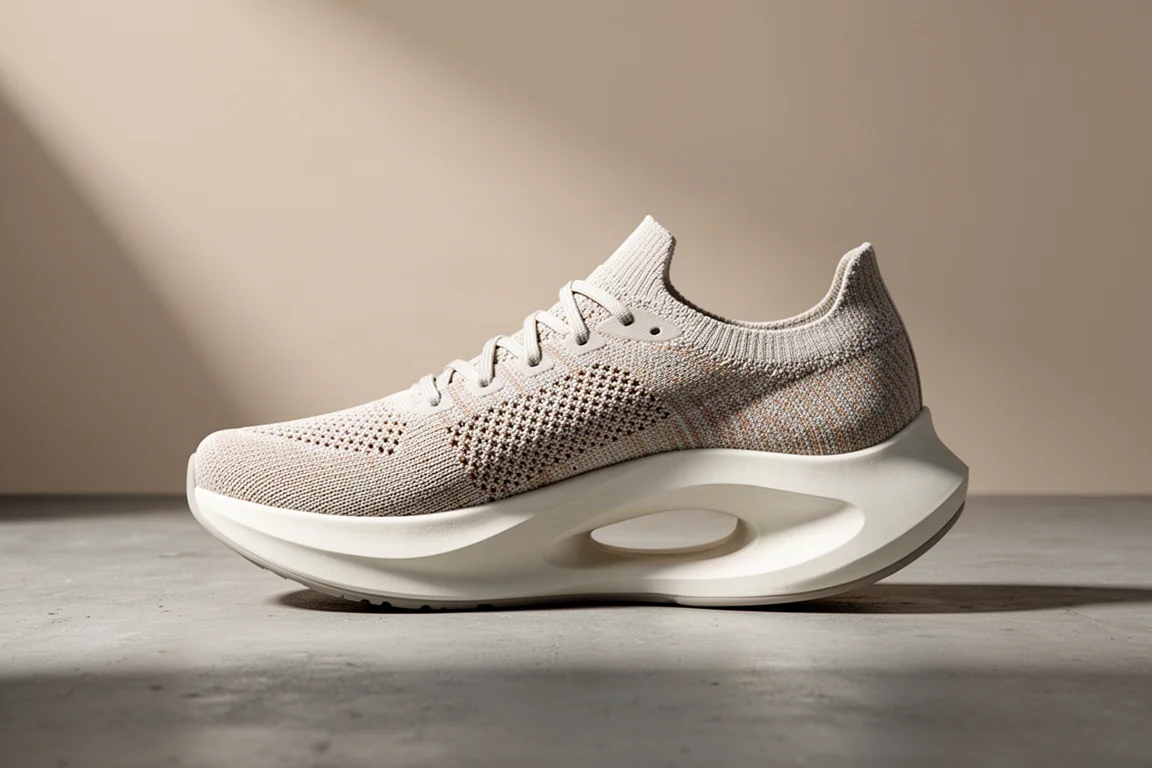
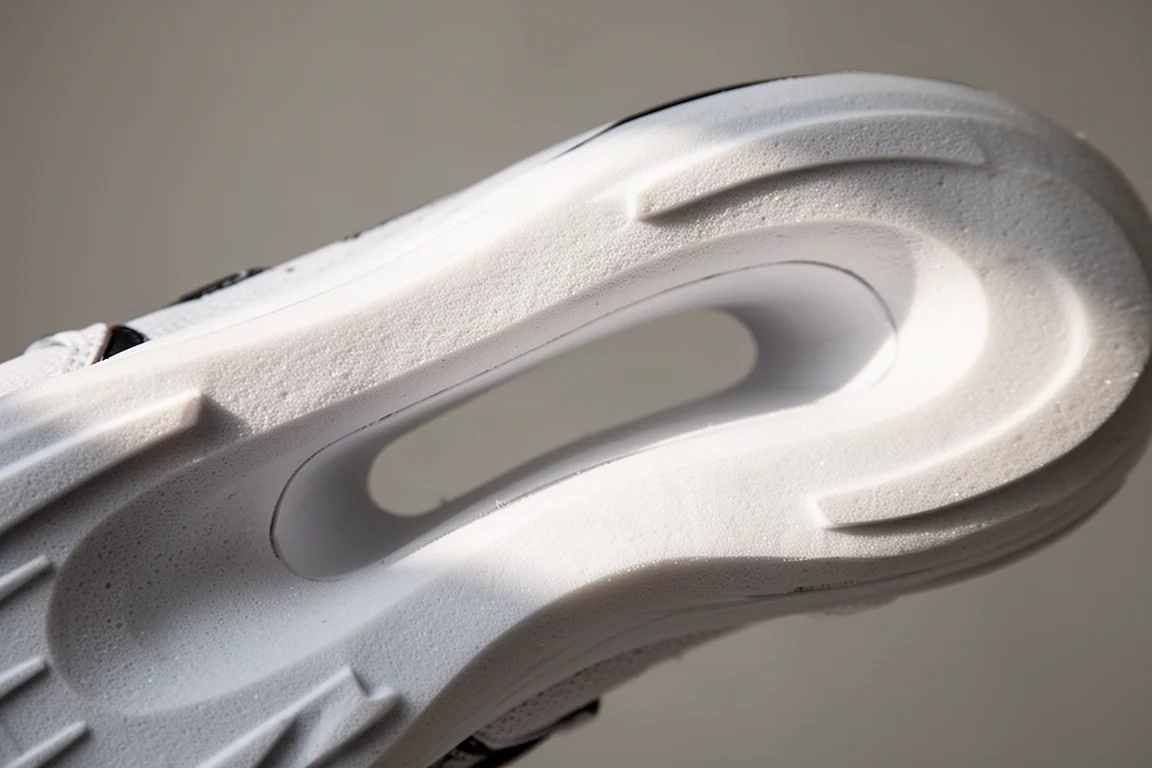
Two design changes likely drive the difference. The midsole now uses ZoomX LT, a new lighter blend of Nike’s ZoomX foam, and the cutout through the midsole is wider than before, removing material where it counts.
Midsole and Ride: ZoomX LT and a Bouncier Forefoot
The ride has shifted in a subtle but noticeable way. With less material under the rear to midfoot, the Alphafly 4 allows a bit more compression in that area. The Alphafly 3 felt like it got you onto your toes very quickly, almost throwing you forward, while the 4 lets you sink in slightly and bounce off. The heel is not overly soft, reading a touch firmer than the forefoot, but it avoids ever feeling like a major negative-drop sensation.
The magic, as with previous Alphaflys, is in the forefoot. At a hard 5K effort, the ZoomX LT midsole and the forefoot Zoom Air units delivered a trampoline-like response: bouncy and highly compliant rather than quick and rhythmic. It felt smooth and forgiving at faster paces without pitching you too far forward.
What Paces Does It Suit Best?
For a hard 5K, the shoe worked well, though the bounce-heavy forefoot raises some questions at the very fastest paces. At around six-minute-mile effort, transitions felt smooth and controlled. But for runners turning over much faster, a firmer, more rhythmic racing shoe with propulsive geometry may be a better match.
On the other end, the shoe proved surprisingly versatile. It performed comfortably during easy cool-down running too, which suggests slower paces and longer efforts will suit it. For half marathon and marathon racing in particular, the bouncy, compliant forefoot makes the Alphafly 4 an easy recommendation for anyone who enjoys that kind of ride.

Upper, Fit, and Stability
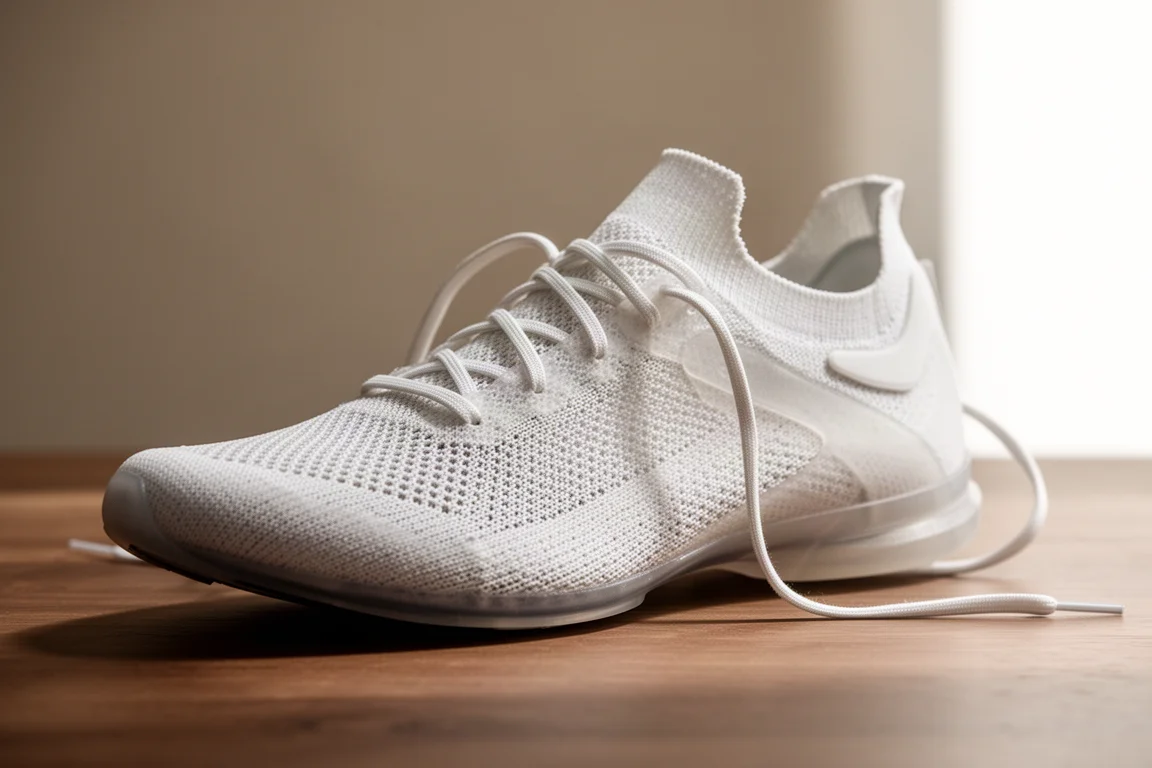
The Atomknit upper remains very thin and see-through, with a fit extremely similar to the Alphafly 3. The bootie construction held the foot securely with minimal lacing adjustments, and there is enough give through the toe box and volume to make it reasonably accommodating for a racer, though it is not as roomy as a wide training shoe. A small heel counter adds a touch of structure, and the classic spooned-out Flyplate geometry carries over. If you liked the Alphafly 3’s shape, you will feel at home here.
Stability is solid for a super shoe. The heel and midfoot stay a bit wider than something like the Vaporfly, and the forefoot is very wide, so forefoot stability is high. The firmer ZoomX LT in the heel kept things settled, with no ankle or stabilizer irritation after a fast effort. No medial or lateral stability elements are added, but this is far from the least stable option on the market.
One quirk worth noting: the pair squeaks audibly with every step, possibly from the Zoom Air units rubbing under compression. It may settle with more miles, but it is worth keeping in mind.
Buying Advice
At $280, the Alphafly 4 is a serious investment for race day. It makes the most sense for runners targeting half marathon and marathon distances at moderate-to-fast paces, or 5Ks at a more relaxed racing speed, who value a bouncy, compliant forefoot over a snappy, firm turnover. If you are chasing very fast short-distance paces and want a rhythmic, propulsive feel, other racing options may serve you better.
Conclusion
The Alphafly 4 refines a proven formula: lighter construction, a slightly smoother and more compliant transition, and the same beloved forefoot bounce. It will not be the fastest-feeling shoe for every runner, but for long-distance racing and bouncy ride fans, it is a compelling step forward.
Product link
View more details for Nike Alphafly 4
This product is mentioned in the review. Check the specifications, options, and compatibility before buying.
View more details for Nike Alphafly 4Further reading
Related Reviews

Running Shoes
Best Road-to-Trail Running Shoes: Three Versatile Options for Mixed Terrain
A practical guide to three road-to-trail running shoes that handle both pavement and mild trails, with clear strengths and trade-offs for different runner types.

Running Shoes
Best Running Shoes for Achilles Tendonitis: Three Options Explained
Three running shoes with different heel drops and support features designed to help reduce Achilles tendon pain during walking and running.

Running Shoes
Best Running Shoes for Women: Five Top Choices Ranked
A ranked guide to five women's running shoes, from versatile daily trainers to high-performance racing options, with real strengths and trade-offs for each.