Running Shoes
Nike Alphafly 3 vs Vaporfly 3: Which Race Day Shoe Is Right for You?
A head-to-head look at Nike's two flagship racers, covering ride feel, fit, durability, pricing, and who each shoe is genuinely best for.
Introduction
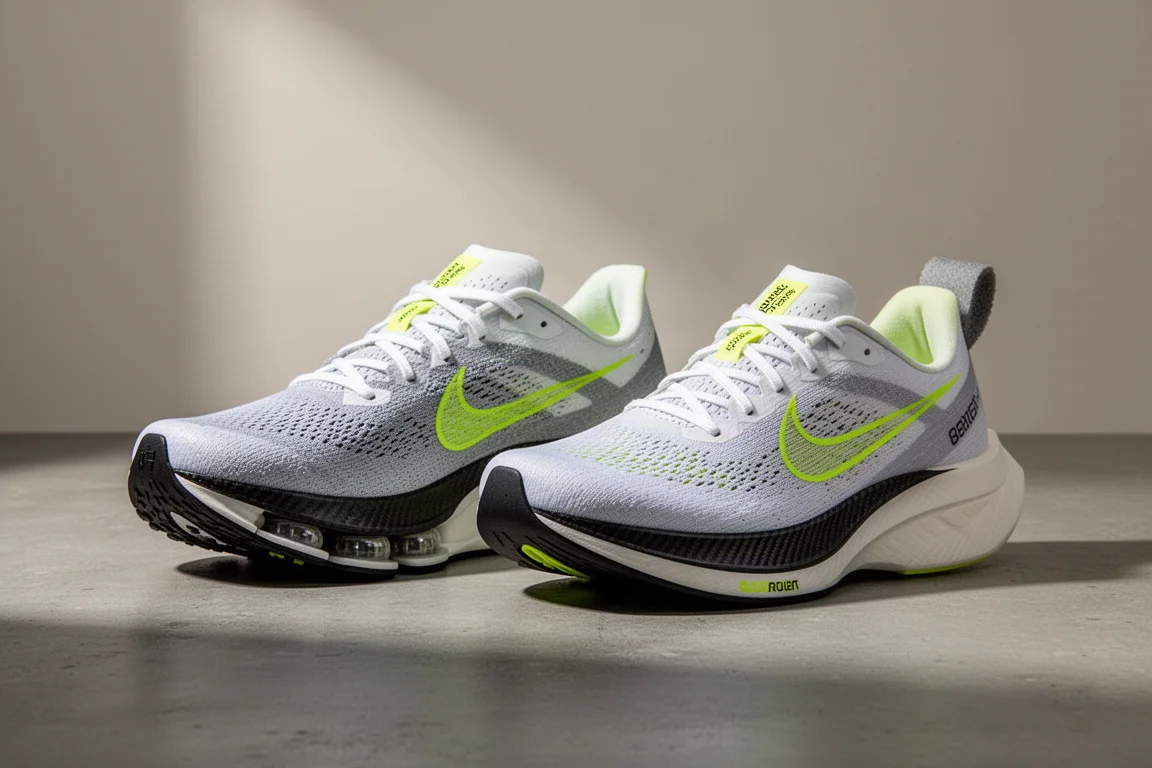
Nike’s two flagship racers sit at the very top of the marathon shoe market, and they share more DNA than any two shoes in the category: the same ZoomX midsole foam, the same 40mm heel stack, and a carbon fiber plate in each. What separates them is far more subtle than a spec sheet suggests, and those subtleties decide which one belongs on your feet on race day.
This comparison walks through how each shoe fits into Nike’s lineup, how the midsole and ride differ, what the uppers feel like on foot, how the outsoles hold up over real miles, and who each shoe is ultimately for. Prices have crept up recently, so the gap between the two matters more than ever.
How the Two Shoes Slot Into Nike’s Lineup
The Vaporfly is the shoe that kickstarted the super shoe category as we know it. When the first version arrived around 2017 and 2018, it was the first shoe to pair a 40mm stack of bouncy race day foam with a carbon fiber plate, and it was repeatedly shown in lab testing to be the most efficient race day shoe on the market. Athletes from rival brands raced in it because it delivered such a clear advantage, which is why that first version carried the now-legendary “4%” name. The second generation became the Next%, and the current model is the Next% 3.
Since then, the formula has been refined rather than reinvented. No shoe has delivered another meaningful leap in marathon efficiency yet, and the Vaporfly 3 still stands as the standard bearer for how a marathon racing shoe should perform.
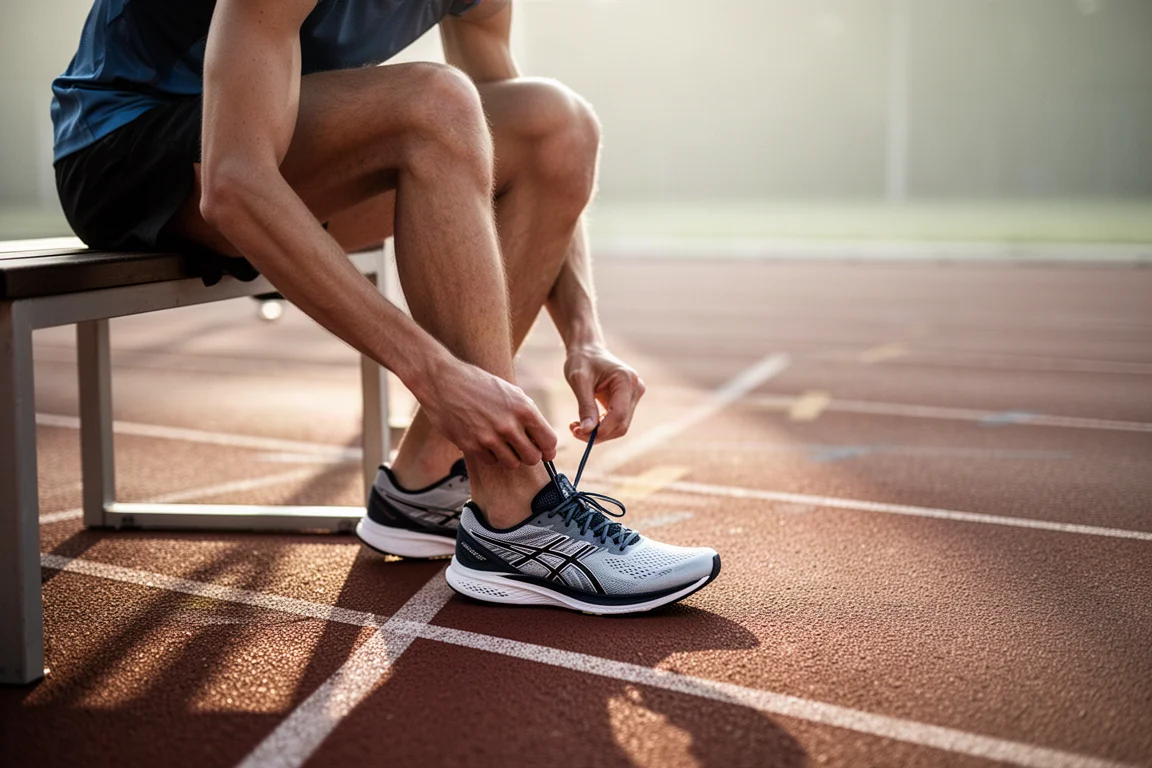
The Alphafly is the step above it. Its first generation is the shoe Eliud Kipchoge used to break two hours in the marathon, and it remains his marathon shoe of choice across generations. Its secret sauce lives in the forefoot, where visible AirPod units sit between the foam and the carbon plate. That extra technology has always come at a premium: the Alphafly has consistently cost $25 more than the Vaporfly, and the current versions hold that gap at $285 versus $260. Both went up $10 from the previous year, a reminder of where racing shoe pricing sits right now.
Midsole and Ride
Both shoes use ZoomX, Nike’s top-tier racing foam, and both share a 40mm heel stack. The differences show up in the drop, the forefoot, and the geometry at the heel.
Weighing both pairs on a scale, the Alphafly 3 in a men’s US 10.5 came in at 220g (7.7 oz), while the Vaporfly 3 in the same size came in at 207g (7.3 oz). On foot, the Vaporfly feels a touch lighter, partly because it runs like a simpler shoe without the pods up front.
The heel geometry is the hidden difference that never appears on a spec sheet. The Vaporfly carries almost an inch of extra foam extending behind the heel, like a small spoiler. The Alphafly does not. That extension smooths the transition from heel strike to forefoot, which makes the Vaporfly noticeably more forgiving for heel strikers. In the Alphafly, getting up onto the toe takes a little more work if you land at the back of the shoe.
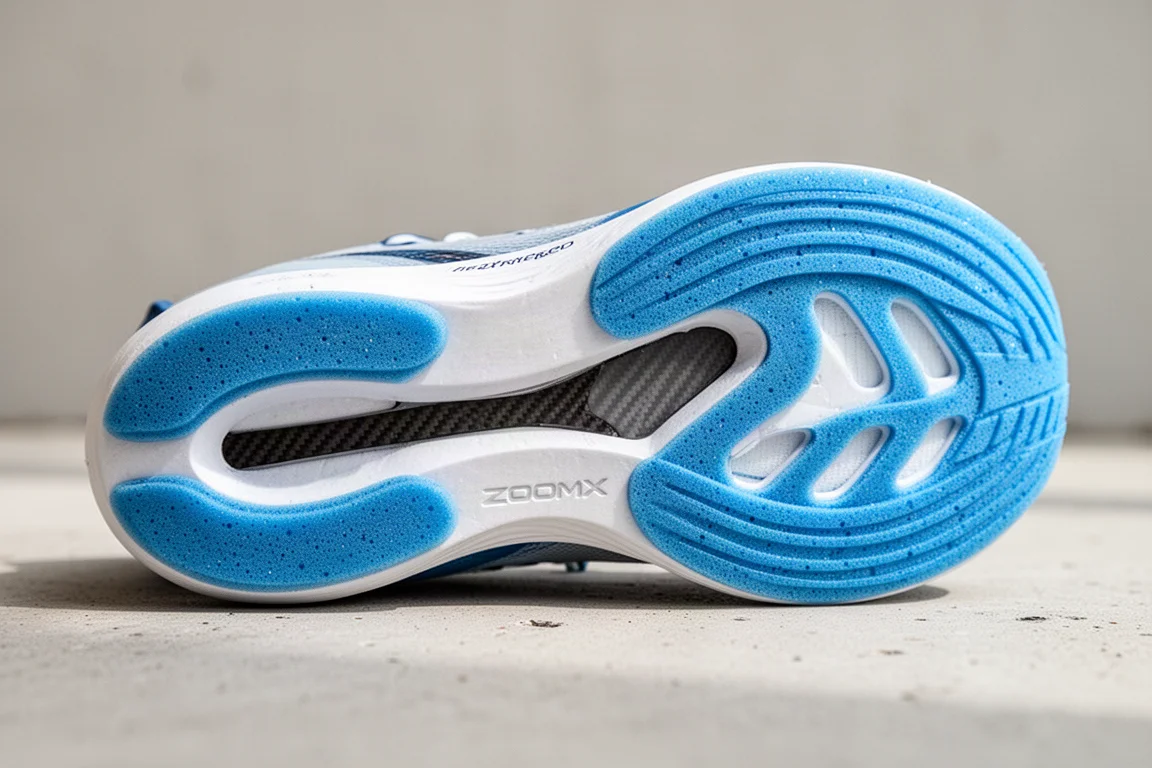
Under the forefoot, the two shoes feel completely different. In the Alphafly, roughly half of what sits between your foot and the ground is foam; the rest is the carbon plate and the AirPods, so you genuinely feel like you are running on top of the pods. The result is a crunchier, firmer, more aggressive forefoot sensation. The Vaporfly gives you more than 30mm of pure ZoomX underfoot with only the plate between it and the ground, producing a softer, more protective landing.
In real running, the Vaporfly is the smoother, more natural, more comfortable shoe. It even feels better at slower paces. The Alphafly, though, is the faster weapon if you can use it: run with force on the forefoot and it repays you, delivering splits several seconds per mile quicker than a typical training shoe. On tired legs during a 16x400 session, it produced some of the fastest laps of the day at 5K race pace effort. The Alphafly 3 did connect the midsole into one piece compared to the previous generation, but the ride still is not as smooth as the Vaporfly’s.
Upper and Fit
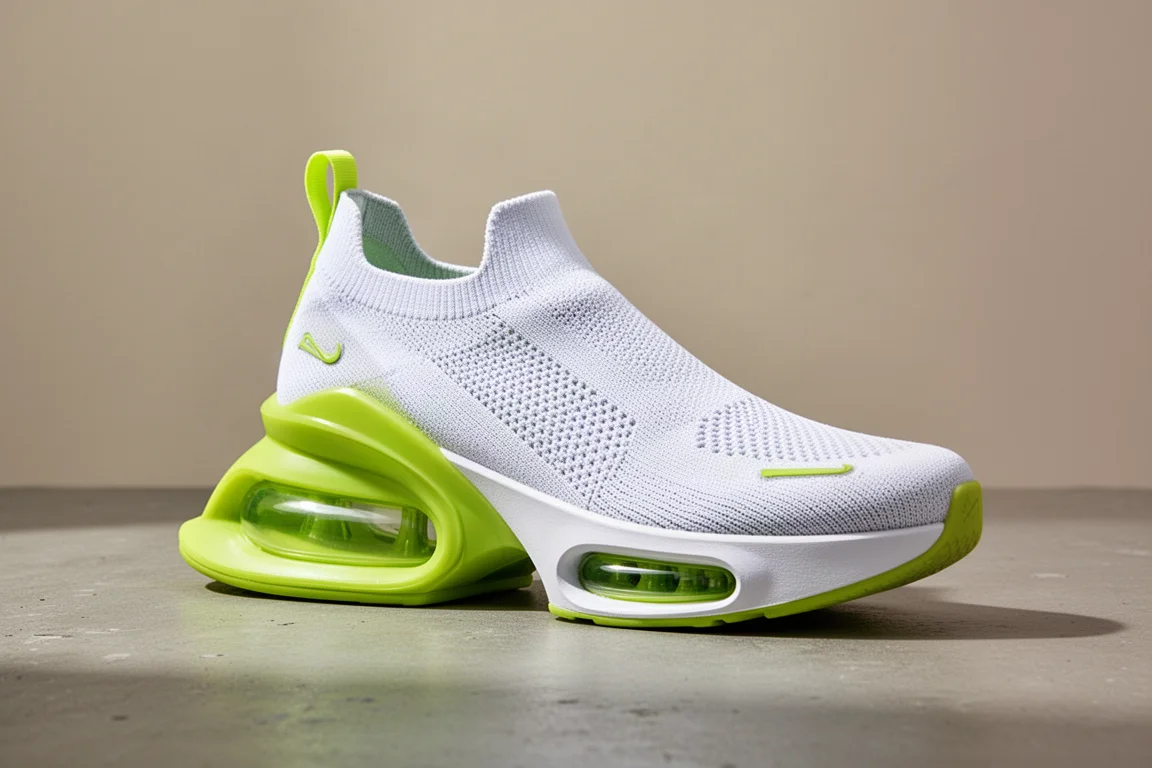
The fit story is where these two diverge most visibly. The Alphafly uses an Atomknit upper, a one-piece bootie construction with no tongue. It has just the right amount of stretch and delivers one of the best lockdowns available in any racing shoe. The Vaporfly 3 uses a more traditional upper with a tongue and standard lacing, and it has improved meaningfully over its predecessor, with added padding and a tighter fit around the ankle where the previous version felt a bit loose.
On foot, both are comfortable and broadly similar in fit. Neither caused rubbing, and both accommodate arch insoles. Compared to a Pegasus, both fit slightly wider in the forefoot and midfoot, and they run close to the Vomero. Ordering true to size should work for most runners.
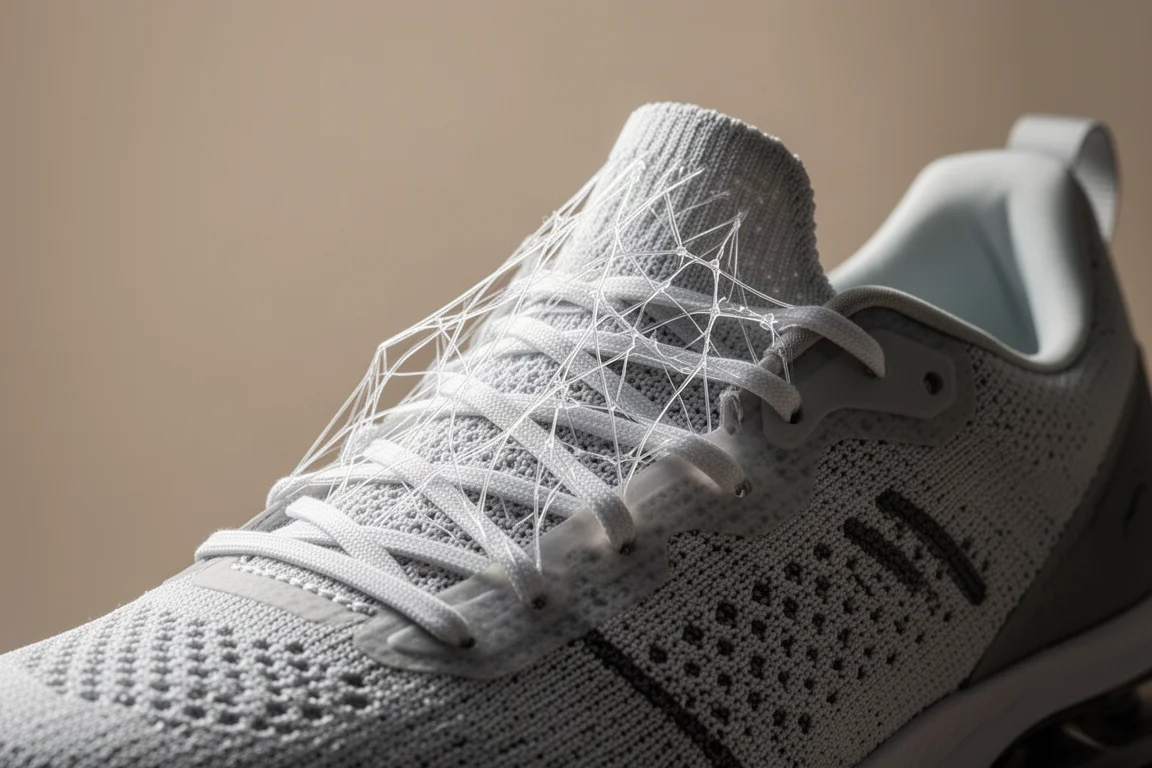
The materials on both are among the lightest and most breathable in the category. The Atomknit is a standout: strong, feather-light, and see-through like a spiderweb, and it gives the Alphafly an elevated feeling no daily trainer can match.
For runners with 2E or 4E width feet, sizing up half a size can work if these are purely race day shoes, but it is worth trying a pair in person first. Not every big-box retailer stocks them in store, so seek out a strong local running shop that carries Nike racing and get them on your feet before ordering online.
Outsole and Durability
Durability is where the Vaporfly shows a specific weakness. After one hard half marathon, significant foam was lost from the extended heel, and the same happened on the previous generation. That protruding heel foam is great for the ride but exposed for heel strikers. The forefoot rubber, by contrast, is generously applied and holds up well, and many runners take their Vaporfly pairs well past 400 miles.
The practical expectation for most runners is around 100 miles of genuine race-day performance, where the pop and energy return are at their peak, followed by another 100 to 200 miles of acceptable tempo and interval use. Once the foam softens and the rubber wears, the character of the ride changes, and for adult runners it rarely makes sense to gamble on degraded race shoes.
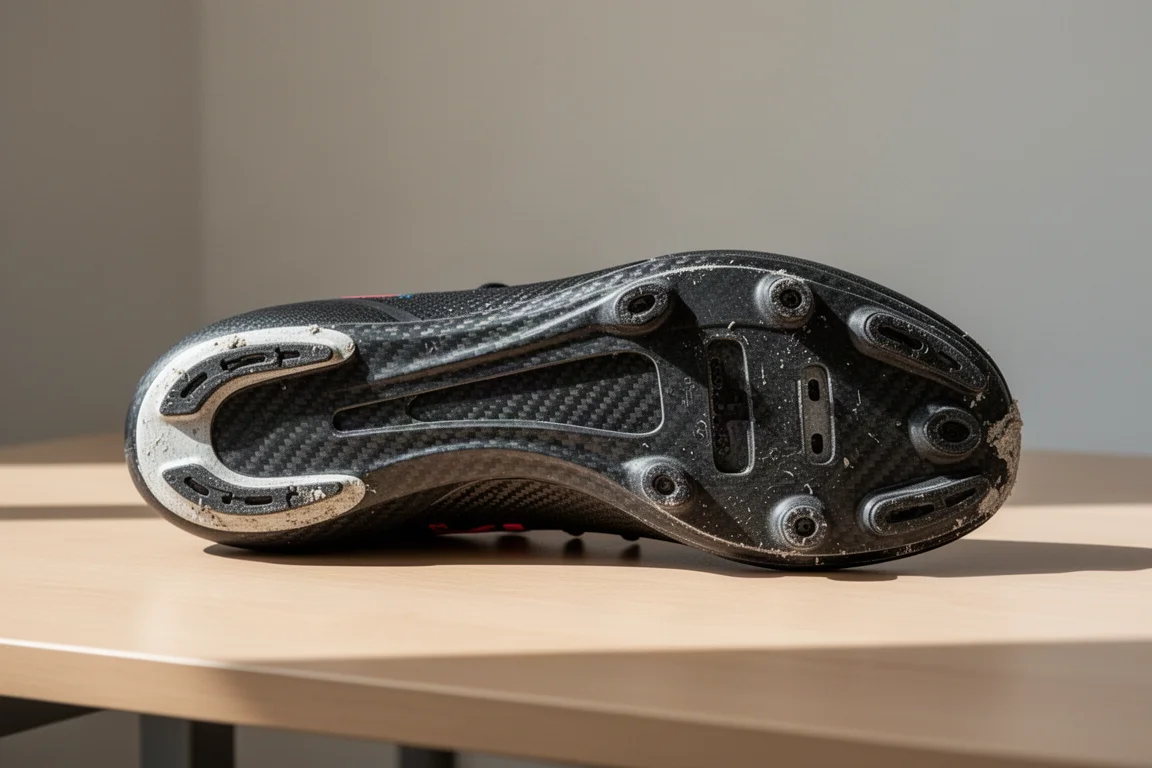
The Alphafly’s outlook is slightly more encouraging. Its shorter heel lacks the exposed foam extension, so there is less to chunk off at the back, and early wear has been mostly cosmetic, including a swoosh rubbing off the rubber. The forefoot rubber looks healthy and should reasonably last 200 to 300 miles. Because the midsole is not all foam, the AirPods age differently, and there is a reasonable expectation that they hold their feel longer than the foam does. Both shoes are well made overall, and the Alphafly should offer a little more long-term usable life than the Vaporfly.
Which One Should You Buy?
For most runners, the Vaporfly is the safer and more rewarding choice. Its ride is more comfortable, more natural, and more accommodating of varied foot strikes and paces, and there is nothing off-putting about the way it runs. The only real knock is that it can feel too soft for runners who have never spent time in a cushioned racer.
The Alphafly 3 is a fast racing weapon for a specific kind of runner: forefoot strikers in strong shape who can hold sub-7-minute or sub-6:30 paces and want their fastest possible marathon or half marathon time. If you prefer a firmer, more aggressive ride and like feeling power under the forefoot, it delivers that in a way the Vaporfly does not.
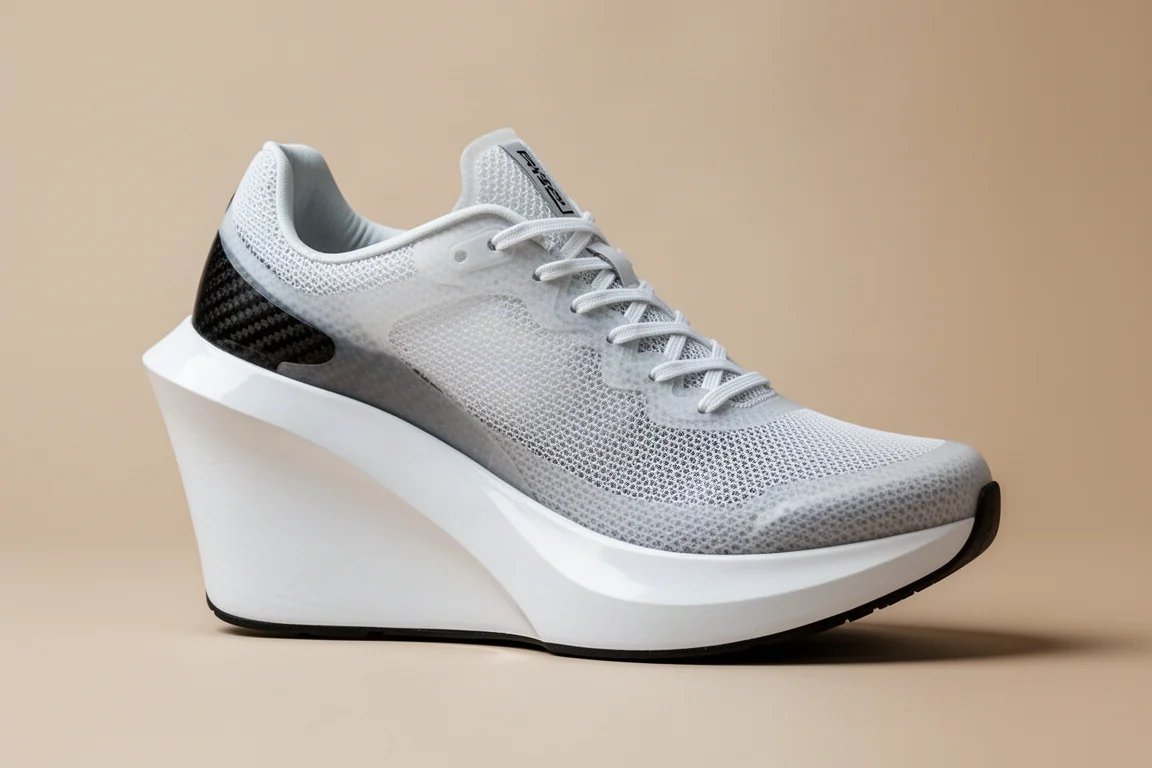
If you want something firmer than the Vaporfly but are unsure about the AirPods, the Saucony Endorphin Elite is a sensible alternative: it uses a bouncy PowerRun HG midsole, an aggressive rocker similar to the Alphafly, and a simpler setup with more extended heel foam, so it works for a wider range of foot strikes.
Conclusion
These two shoes are two answers to the same question. The Vaporfly 3 is the accommodating, comfortable standard bearer that suits most runners and most paces, while the Alphafly 3 is a more expensive, more demanding shoe that rewards forefoot strikers chasing personal bests. Match the shoe to your foot strike, your race pace, and your preference for soft versus aggressive, and neither will disappoint.
Further reading
Related Reviews

Running Shoes
Best Road-to-Trail Running Shoes: Three Versatile Options for Mixed Terrain
A practical guide to three road-to-trail running shoes that handle both pavement and mild trails, with clear strengths and trade-offs for different runner types.

Running Shoes
Best Running Shoes for Achilles Tendonitis: Three Options Explained
Three running shoes with different heel drops and support features designed to help reduce Achilles tendon pain during walking and running.

Running Shoes
Best Running Shoes for Women: Five Top Choices Ranked
A ranked guide to five women's running shoes, from versatile daily trainers to high-performance racing options, with real strengths and trade-offs for each.