Running Shoes
Nike Alphafly 3 vs Saucony Endorphin Elite: Two Elite Carbon Racers Compared
Two of the fastest carbon plate racing shoes on the market go head to head on fit, ride, grip and value to help you pick the right one.
Introduction
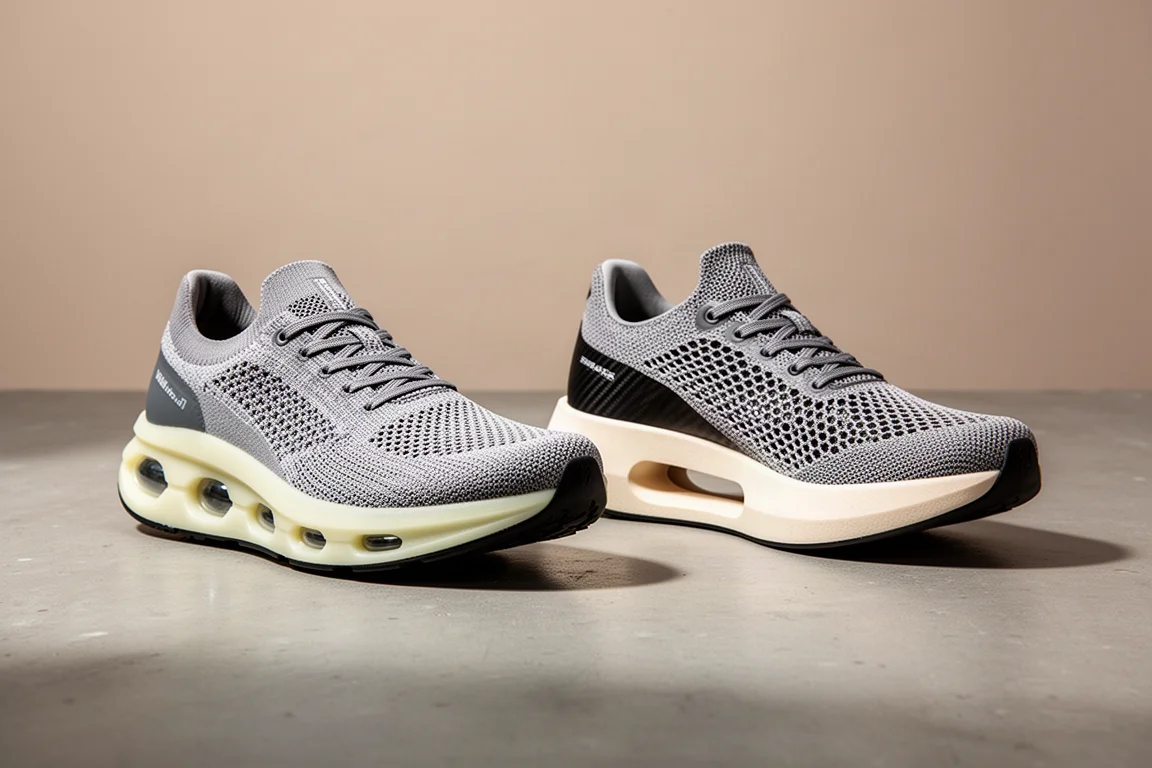
The Nike Alphafly 3 and the Saucony Endorphin Elite sit at the very top of the carbon plate racing shoe market, and they are also two of the most expensive options available. Both are built for running fast, both deliver serious propulsion, and yet they feel remarkably different on the run. After extensive mileage and multiple races in each, this comparison breaks down where each shoe excels and which one makes more sense for most runners.
Specs and Design
On paper the two shoes are strikingly similar. In a UK size 9, the Alphafly 3 weighs 220g (7.7 oz) while the Endorphin Elite comes in at 219g (7.7 oz). Both feature an 8mm drop and stack heights just shy of 40mm at the heel, in line with World Athletics regulations.
The Alphafly 3 uses an Atomknit upper with a bootie-style fit and pull tabs to help you get it on. The midsole pairs Nike’s ZoomX foam with Air Zoom pods under the forefoot for extra energy return, plus a full-length carbon plate. Unlike previous versions, the midsole is now continuous, though a large cutout still runs down the center of the outsole to reduce weight.
The Endorphin Elite takes a different approach. Its upper is very breathable with fully cut-out sections at the top to save weight, plus a small foam pad at the heel for structure. The midsole uses PWRRUN HG, Saucony’s top-tier foam sitting above the PWRRUN PB found in the Endorphin Pro, combined with the Speedroll rocker geometry and a carbon plate with a central cutout.
Fit and Sizing
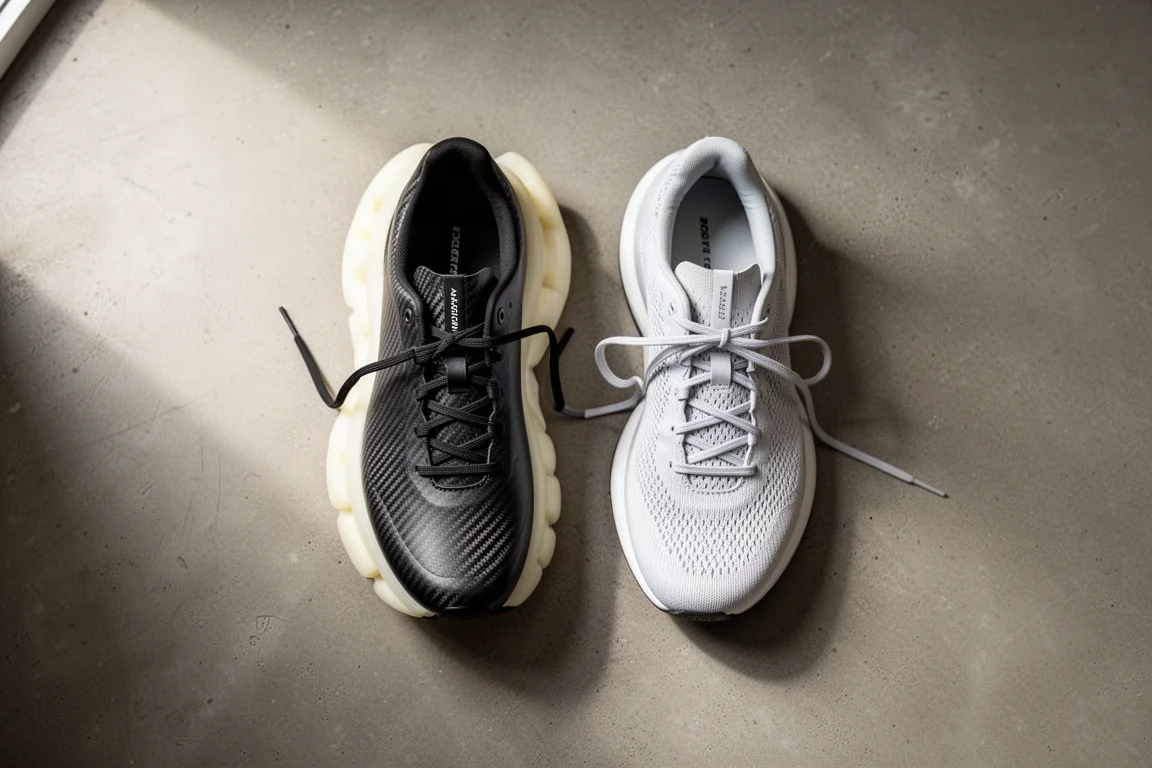
Fit feedback is worth reading carefully here, because these shoes run differently for different feet. In the Alphafly 3, some testers found the upper restrictive and hard to get on, recommending going true to size or even down, since the upper is snug. One tester with a UK size 8 foot used a UK size 8 in this shoe and was comfortable, while noting wide-footed runners may struggle with the entry.
In the Endorphin Elite, the aggressive geometry pushes your foot forward. It works fine over 5K and 10K distances, but over half marathon distance some testers really noticed the front of the shoe, ending up with blisters and recommending going half a size up.
For others, both shoes fit well in their normal running shoe size, a UK 9 (US 10), with enough toe box room and good midfoot and heel hold. A point of difference at the heel: the Alphafly hugs the Achilles well without irritation, while the small foam blob at the back of the Endorphin Elite irritated some testers’ Achilles over time.
Outsole Durability and Grip
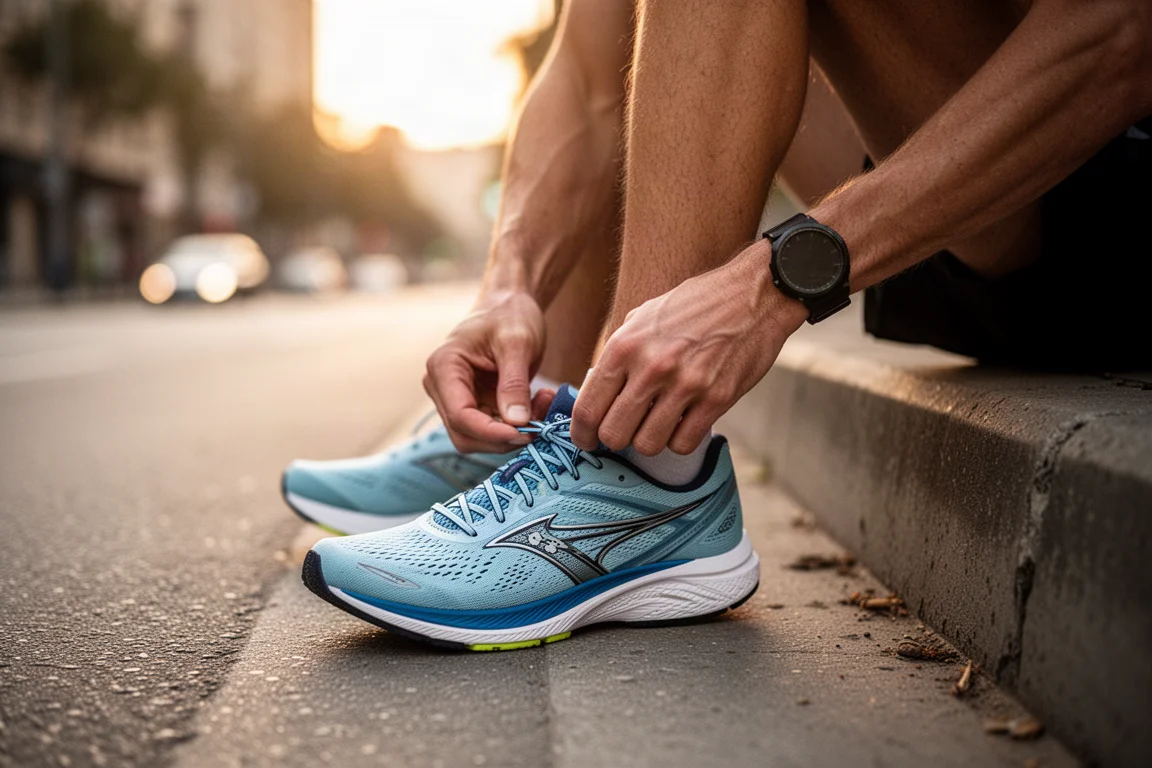
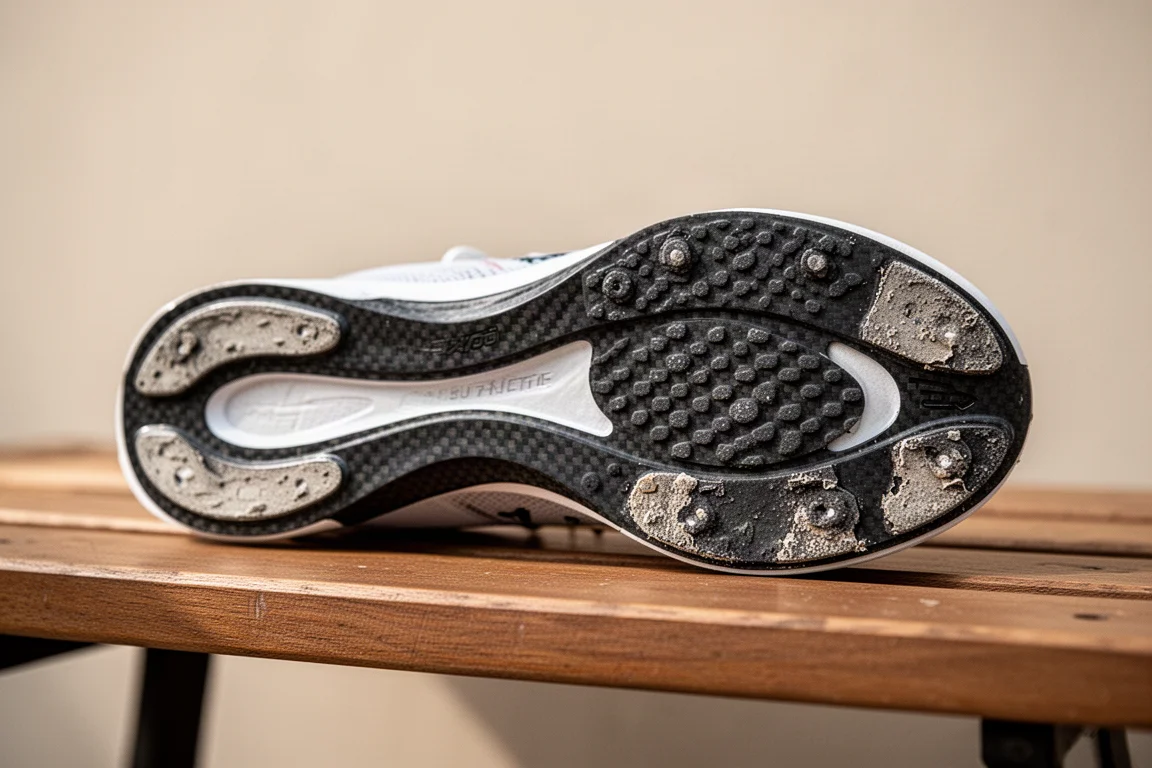
The Alphafly 3’s outsole is a touch sturdier than many super shoes. The forefoot coverage is excellent, and the hardened sections at the back sit deeper into the shoe, holding up better than shoes where the rubber rips off almost immediately.
The Endorphin Elite shows wear faster at the heel. After roughly 200km, the rear outsole section was clearly coming away on test pairs, though the forefoot remained fine and the midsole foam itself fared well. One side of the heel has no rubber coverage at all, which is bold, though it survived heel-striking without major damage.
For grip, the Alphafly 3 has the edge thanks to a waffle-style texture on the outsole, whereas the Endorphin Elite’s contact areas are smoother. That makes the Alphafly the safer choice in trickier road conditions.
Ride and Performance
Both shoes feel extremely fast and rock you onto your forefoot quickly, but the character of each ride differs sharply.
The Endorphin Elite is likely the most aggressive racing shoe many runners will ever try. The PWRRUN HG foam is firm, and that firmness can shade into harshness when running hard, particularly at race pace over 10K and half marathon, where some testers experienced forefoot discomfort by the end. It delivers huge energy return, but it forces you forward: you cannot run slow in this shoe. Its half marathon PB credentials are real, but the shoe is best reserved for 5K and 10K racing, where it genuinely helps you lock into a fast mindset.
The Alphafly 3 is noticeably more accommodating. The ZoomX foam is squishier and bouncier, and the Air Zoom pods under the forefoot add pop without creating a harsh ride. Where the Endorphin Elite feels explosive but demanding, the Alphafly feels like it lets you cruise: holding race pace seems to take less effort, which bodes very well for long race efforts. Some testers noted the rear section squishes more than the original Alphafly and feels less structured, making it feel closer to a Vaporfly in character, but most still found it the more protective option that saves your legs deep into a marathon.
Verdict and Buying Advice
For pure speed, the Alphafly 3 comes out ahead: it is more comfortable, more propulsive over long periods, and easier to lock into pace. It is the clear pick for the marathon and a strong choice across nearly all distances.
The Endorphin Elite remains a fantastic short-distance weapon. If the firmness does not bother your gait, and plenty of runners report finishing a marathon comfortably in it, you get an explosive, propulsive ride. It is also worth noting it is now available well below its original retail price, and if you can find it for under £150, the performance on offer makes it a genuine bargain.

Conclusion
The Nike Alphafly 3 is the better all-round choice: more comfortable, more versatile, and easier to run fast in across distances from 5K to the marathon. The Saucony Endorphin Elite is a brilliant but very specific shoe, best loved for short, fast races where its aggressive character becomes an advantage. If you are buying one carbon plate racer to cover everything, the Alphafly 3 is the one.
Product link
View more details for Nike Alphafly 3
This product is mentioned in the review. Check the specifications, options, and compatibility before buying.
View more details for Nike Alphafly 3Further reading
Related Reviews

Running Shoes
Best Road-to-Trail Running Shoes: Three Versatile Options for Mixed Terrain
A practical guide to three road-to-trail running shoes that handle both pavement and mild trails, with clear strengths and trade-offs for different runner types.

Running Shoes
Best Running Shoes for Achilles Tendonitis: Three Options Explained
Three running shoes with different heel drops and support features designed to help reduce Achilles tendon pain during walking and running.

Running Shoes
Best Running Shoes for Women: Five Top Choices Ranked
A ranked guide to five women's running shoes, from versatile daily trainers to high-performance racing options, with real strengths and trade-offs for each.