Running Shoes
Nike Alphafly 3 vs Puma Fast-R 2: Two Big, Bouncy Marathon Racers Compared
Two carbon plate marathon shoes with very different personalities. Here is how the Alphafly 3 and Fast-R 2 stack up on ride, fit, and value.
Introduction
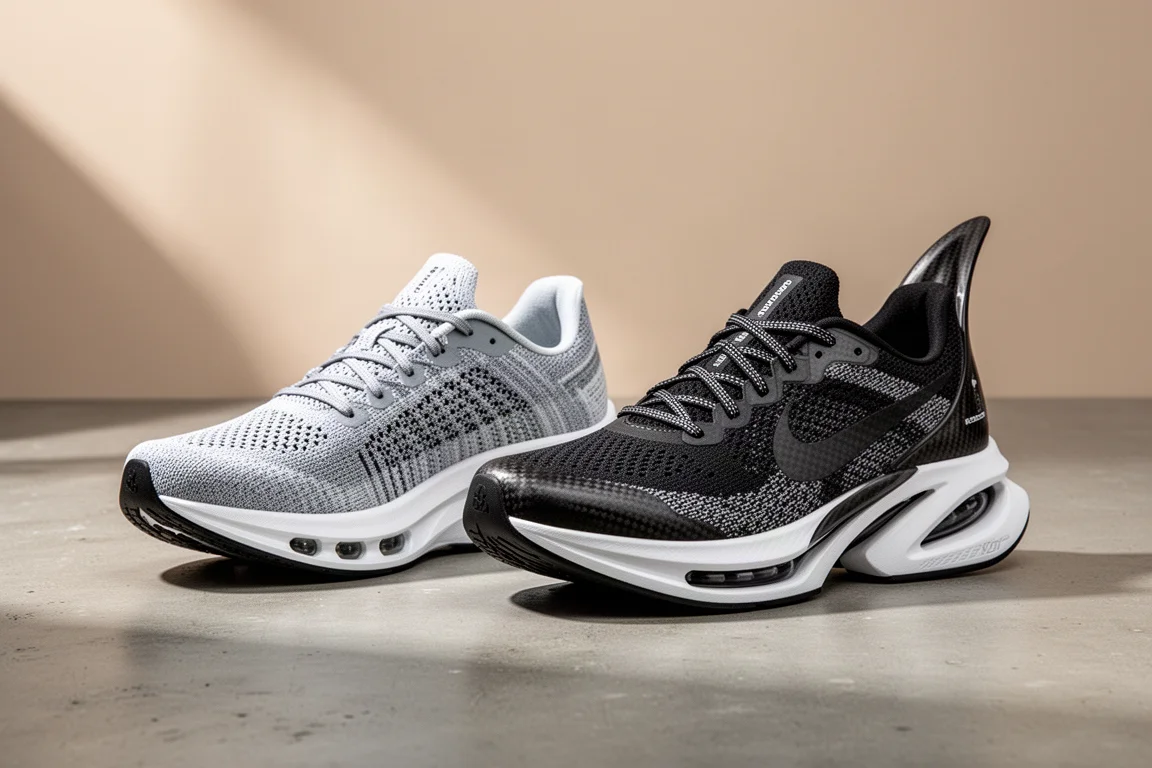
Two of the most attention-grabbing carbon plate racing shoes of 2024, the Nike Alphafly 3 and the Puma Fast-R 2, are built for the same job: big, bouncy, propulsive marathon racing. Both are expensive, both sit at the 40 mm World Athletics stack limit at the heel, and both share an 8 mm drop. Beyond that, they are surprisingly different shoes.
The Alphafly 3 costs $285 and weighs 220 g (7.7 oz) in a UK size 9. The Fast-R 2 costs $260 (£230) and comes in at 255 g (9 oz) in the same size. So the Nike is the lighter and pricier shoe, but weight and price are only the beginning of the story.
The Short Version
Both shoes deliver a genuinely fast, cushioned ride, and both impressed over shorter distances as well as the marathon distances they are designed for. The Alphafly 3 has the smoother, more natural transition and broader range, while the Fast-R 2 rewards runners who settle into a powerful rhythm and cruise.

If you want one takeaway: the Alphafly 3 is the more versatile all-round racer, and the Fast-R 2 is a fun, chunky cruiser that suits a specific type of runner and stride.
Nike Alphafly 3: Range and Versatility
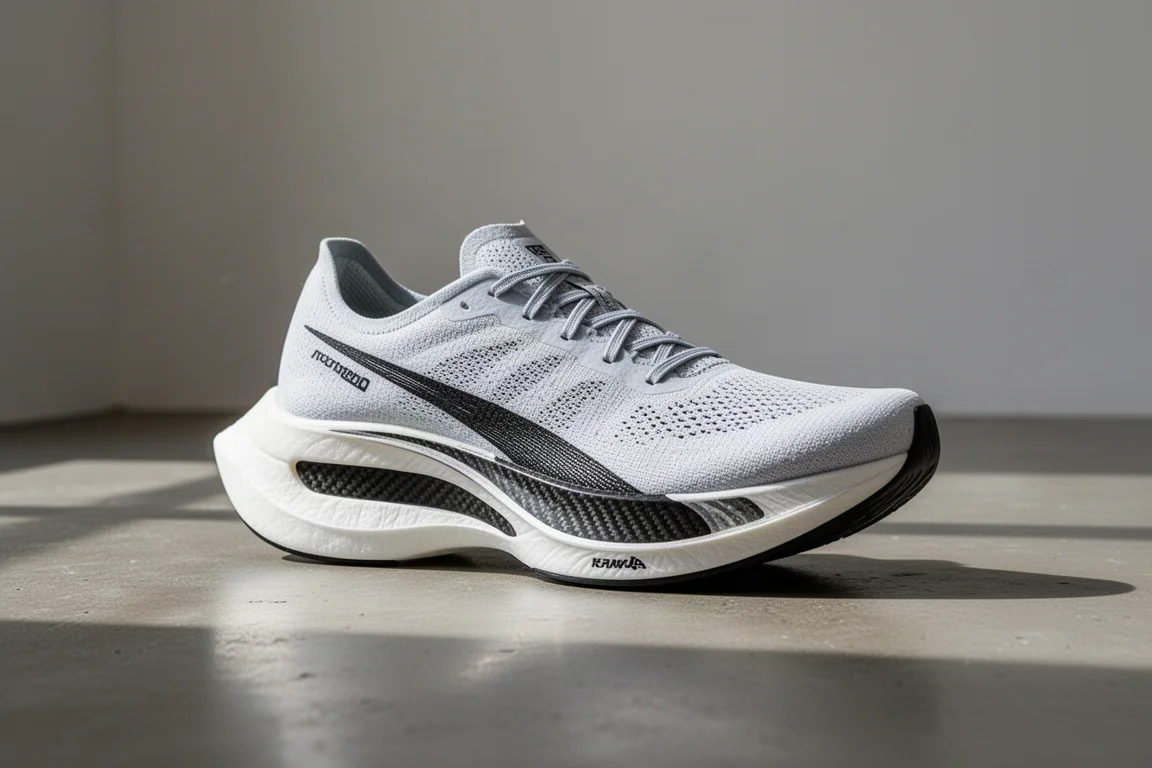
The Alphafly 3 pairs an breathable Atomknit 3.0 upper with integrated tongue and a ZoomX midsole, the same PEBA-based foam Nike has used across its super shoes since the original Vaporfly. Air Zoom pods under the forefoot add extra energy return, and a continuous midsole with only a lengthways cutout underneath keeps weight down. The outsole rubber has proven hardy in extended testing despite minimal coverage at the heel.
In use, it is the shoe with real top gear. It cruises beautifully at marathon pace, handled a 20-mile long run with the second half at sub-six-minute pace, and still felt excellent in 5K and 10K races and a 10 x 1K track session alternating 3:10 and 3:20 pace. The transition onto those forefoot air pods is fluid and natural, and it responds well even with a shuffly, high-cadence stride that does not put huge power into the ground.
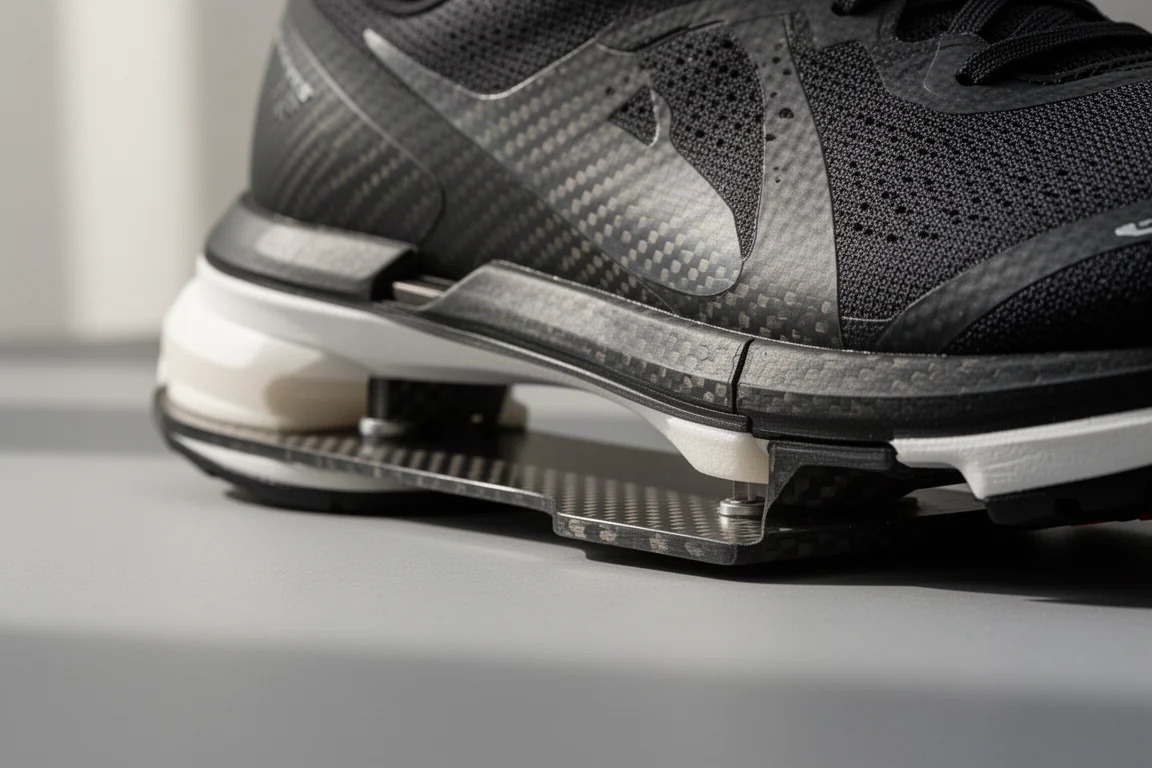
That combination of a tippy, aggressive feel at speed and a booming, cushioned cruise at marathon pace is what gives it the widest range of any carbon racer on test.
Puma Fast-R 2: Big, Chunky and Fast in a Rhythm
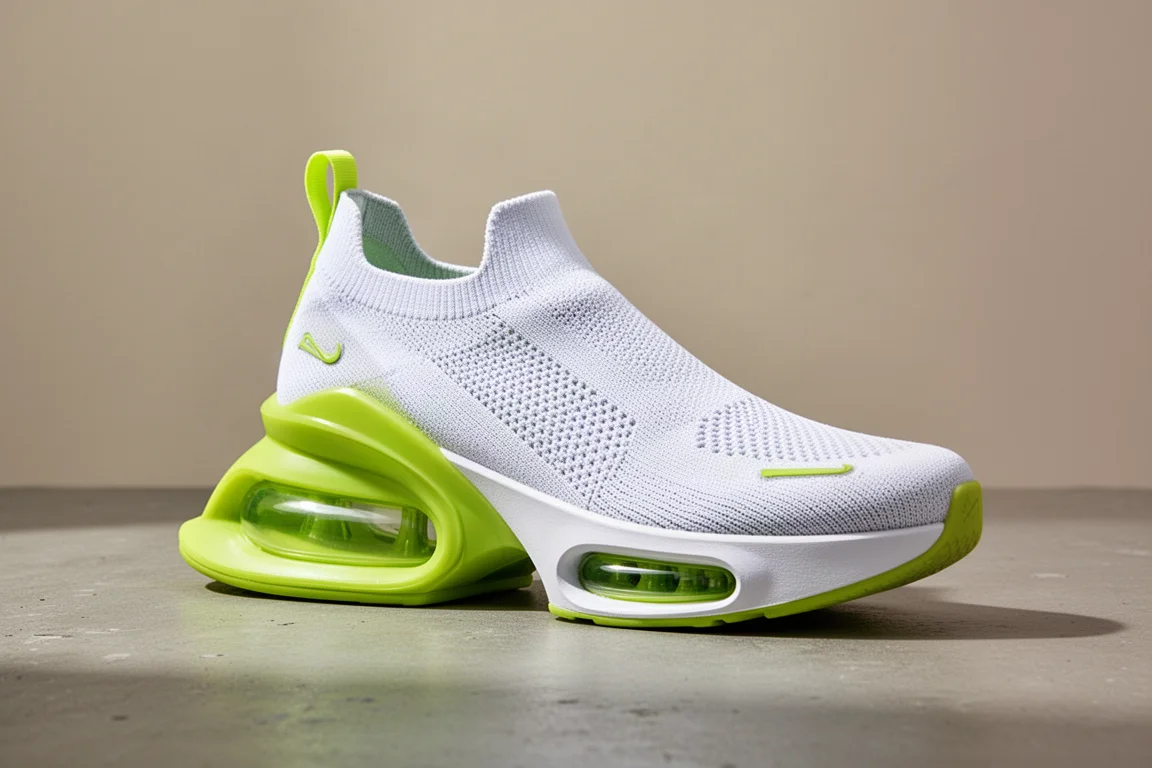
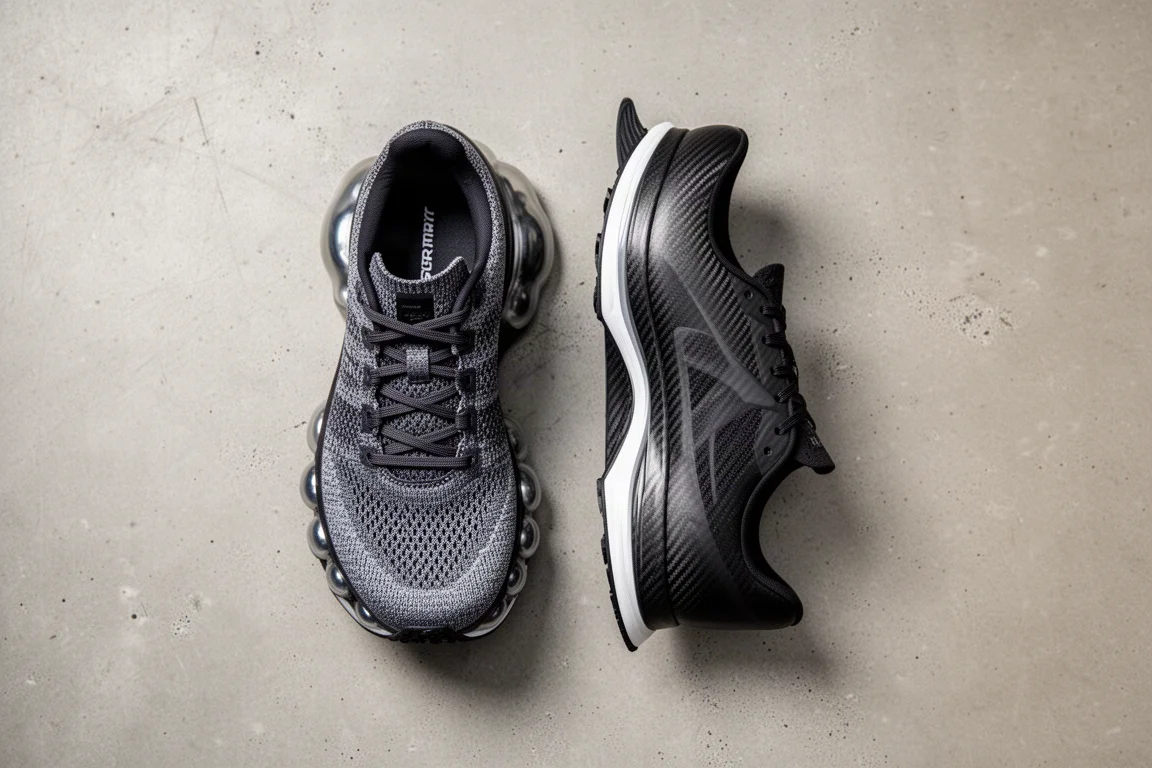
The Fast-R 2 is even bigger and chunkier than the Alphafly. Its UltraWeave upper is fairly stiff, with Puma power tape adding structure, and the heel fin at the back acts as a heel counter as well as a styling statement. The headline feature is the midsole: Puma’s Nitro Elite foam has been changed from PEBA to an aliphatic TPU material that Puma says delivers even more energy return. The decoupled midsole shows off the carbon power plate, which extends beyond the front of the shoe in an underbite Puma says adds leverage and ground contact. Puma Grip rubber covers almost all exposed foam and has been excellent across Puma’s range.
On the road, it is a cruiser. Once you settle into a rhythm it feels impressively fast and efficient: it handled a progression run from 3:45 down to 3:25 pace, a 10 x 1K session at 3:20 on the track, and a solid parkrun, without a single bad run. It is less nimble than the Nike, less natural at slower paces, and not great for sharp accelerations or lots of cornering, but when you power along it moves.
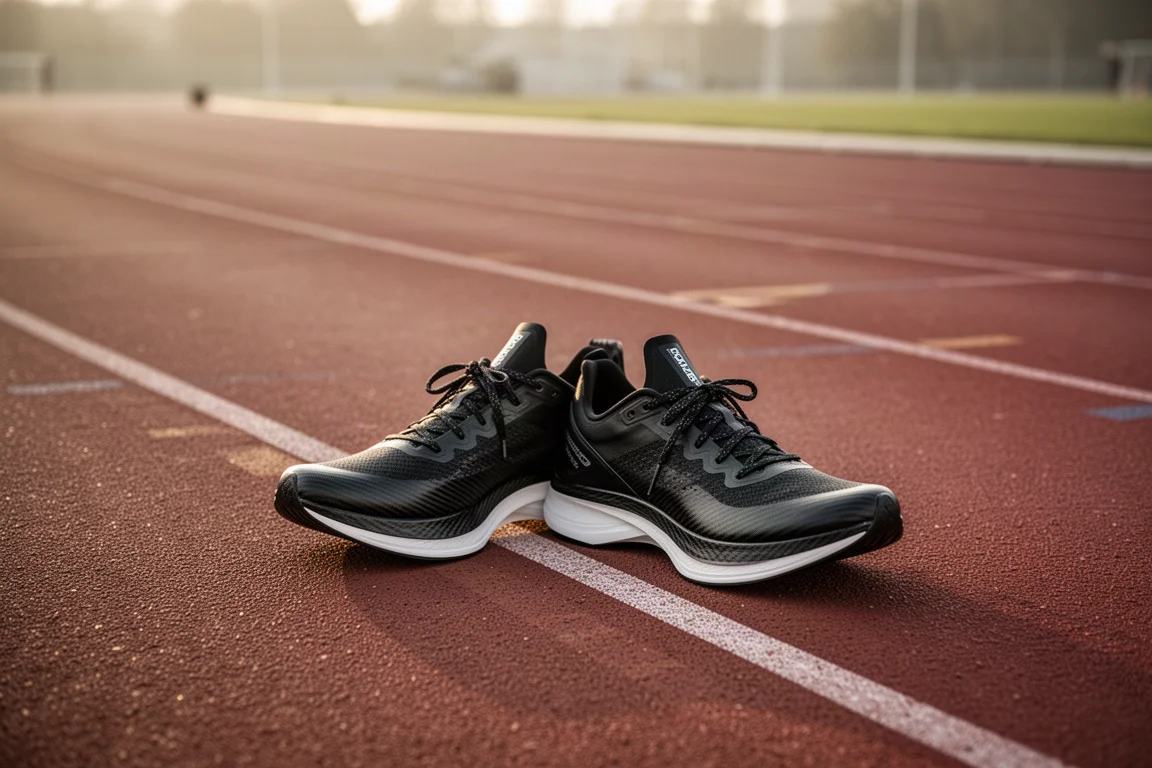
One caveat: the heel fin irritated the Achilles over back-to-back runs. For occasional racing and key workouts, as intended, it is less of an issue, but it is a design choice that not everyone will love.
Fit Notes
Both shoes were tested in a UK 9 / US 10, the tester’s usual size across both brands, and the length and hold worked well in both. The toe box is slightly longer in the Puma than strictly necessary. The Nike’s heel and midfoot hold raised no concerns at all, while the Puma’s heel fin is the main fit complaint, particularly for runners with sensitive Achilles areas.
Which One Should You Buy?
Both are excellent carbon shoes, but the comparison comes down to range. The Alphafly 3 is arguably the best carbon plate racing shoe currently available: cushioned and protective for the marathon, yet light, nimble and aggressive enough to hold its own at 5K, where lighter shoes like the Vaporfly 3 usually compete.
The Fast-R 2 impressed at shorter paces too, but it is at its best when you settle in and cruise, and runners who put more force through the shoe will get even more out of it. It simply does not match the Alphafly’s range. In the US, where prices are close, the Alphafly is the clear pick. In the UK the price gap is a bit wider, but once you are already well over £200, paying the extra for the higher performance level is easy to justify.
Conclusion
The Puma Fast-R 2 is a fun, powerful shoe with genuinely interesting ideas, even if not all of them fully work. The aliphatic TPU Nitro Elite foam is a genuine highlight worth watching on other Puma carbon shoes. But for outright marathon performance and all-round versatility, the Nike Alphafly 3 is the pick of this pairing, and the one most marathon-focused runners should choose.
Further reading
Related Reviews

Running Shoes
Best Road-to-Trail Running Shoes: Three Versatile Options for Mixed Terrain
A practical guide to three road-to-trail running shoes that handle both pavement and mild trails, with clear strengths and trade-offs for different runner types.

Running Shoes
Best Running Shoes for Achilles Tendonitis: Three Options Explained
Three running shoes with different heel drops and support features designed to help reduce Achilles tendon pain during walking and running.

Running Shoes
Best Running Shoes for Women: Five Top Choices Ranked
A ranked guide to five women's running shoes, from versatile daily trainers to high-performance racing options, with real strengths and trade-offs for each.