Running Shoes
Nike Alphafly 3 vs Puma Deviate Nitro Elite 3: Which Super Shoe Should You Buy?
Two of the best carbon-plated racing shoes of the year go head to head on ride, fit, weight, and value.
Introduction
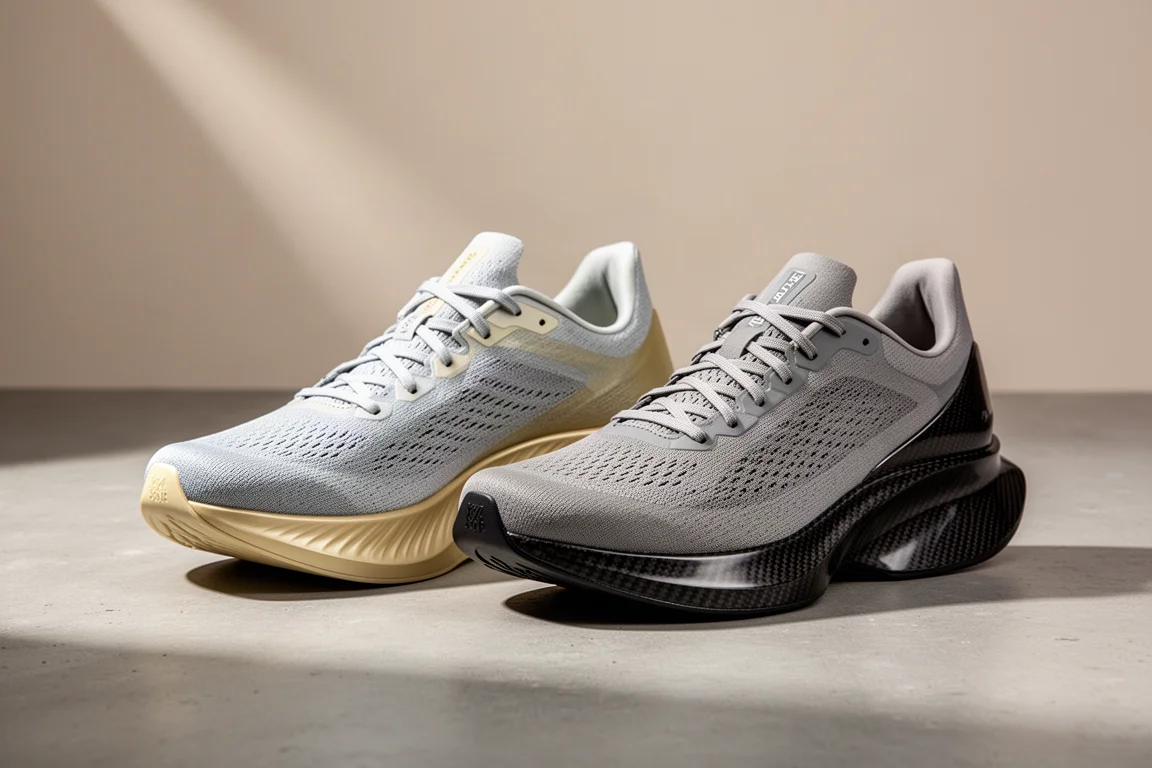
The Nike Alphafly 3 and the Puma Deviate Nitro Elite 3 are among the best versions of their respective racing lines to date, and they now ride far more similarly than either brand’s earlier models ever did. That makes choosing between them genuinely tricky, especially with a large price gap between the two. In this comparison we break down the specs, the fit, the ride, and where each shoe earns its place.
Quick Specs
The Nike Alphafly 3 costs £284.99 or $285, weighs 202g (7.1oz) for men in a size 8, and has an 8mm drop. The Puma Deviate Nitro Elite 3 costs £190 or $230, weighs 188.7g (6.6oz) in the same size, and also has an 8mm drop. Both are full-blooded carbon-plated racing shoes, but the Puma undercuts the Nike by a considerable margin, particularly in the UK where the price difference reaches roughly £90.
The Alphafly 3’s third version brings a wider carbon plate for stability, a fully connected ZoomX foam midsole for a smoother ride, and a revamped Atomknit upper for lockdown and breathability. It keeps the hallmark dual Air Zoom units in the forefoot and the impressive notch laces, and it’s lighter than the previous model.
Nike Alphafly 3: The Established Racer
The Alphafly 3 remains a fabulous shoe, with a big, squishy, bouncy feeling underfoot from all that ZoomX foam. The transition from heel to toe feels quick, directing you onto the Air Zoom pods for a responsive, almost explosive feeling when running fast. It’s extra comfortable compared to the Puma, and it feels like the more obvious pick for longer distances, marathons in particular.
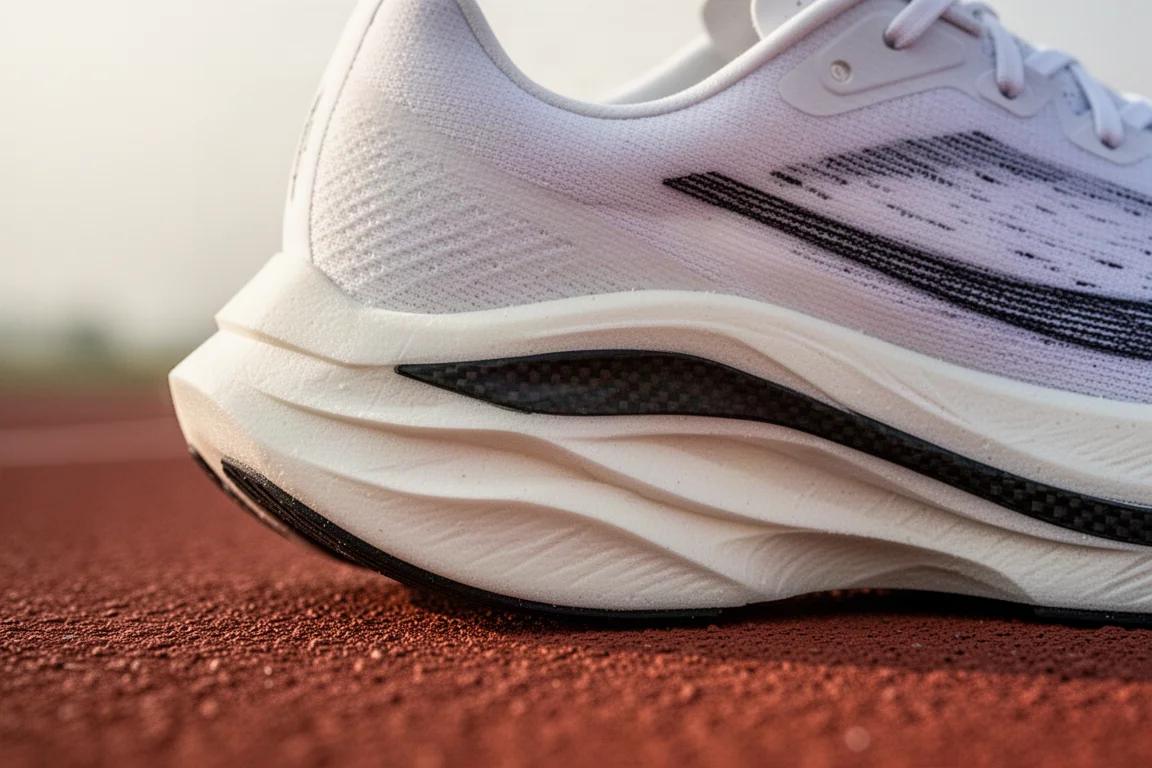
For a marathon-focused tester who raced the Boston Marathon in it, though, the Alphafly 3 felt leaner and less bouncy than the beloved Alphafly 1, closer to a Vaporfly in character. It didn’t deliver the same late-race bump on tired legs that the Alphafly 1 did, and at this price that loss of magic stings a little. It’s still one of the best options out there, just not quite the same shoe its predecessor was.
Puma Deviate Nitro Elite 3: The Big Leap Forward
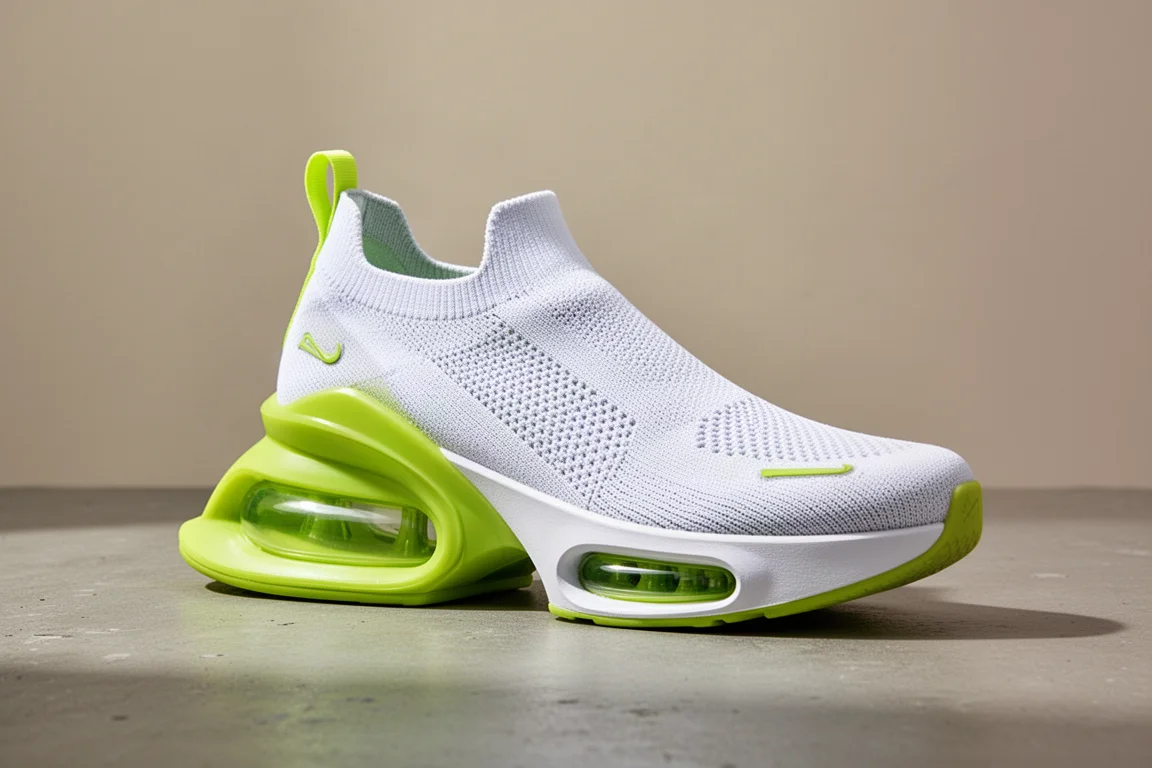
The Deviate Nitro Elite 3 takes a major step up from its predecessors, with a 4mm increase in stack height, a tweaked Nitro Elite aliphatic TPU midsole for more energy return at a lighter weight, and a slightly stiffer carbon power plate for efficiency and stability along the length of the shoe. The UltraWeave mono mesh upper uses four-way stretch to minimize weight and friction while still offering surprising structure, and a layer of Pumagrip on the outsole adds traction and protects the midsole foam.
The new foam is a little firmer than the ZoomX in the Alphafly but very energetic, delivering loads of pushback without feeling harsh. Where the previous Deviate Nitro Elites were lightweight, nimble shoes best suited to 5K and 10K racing, this version is straight-up a very good road racing shoe at any distance, and one this tester would happily consider even for a marathon. Over shorter distances, the firmer, nimbler feel and the excellent Pumagrip outsole really shine, especially on twisting courses or mixed terrain where grip matters.
Fit and Sizing Advice for Both Shoes
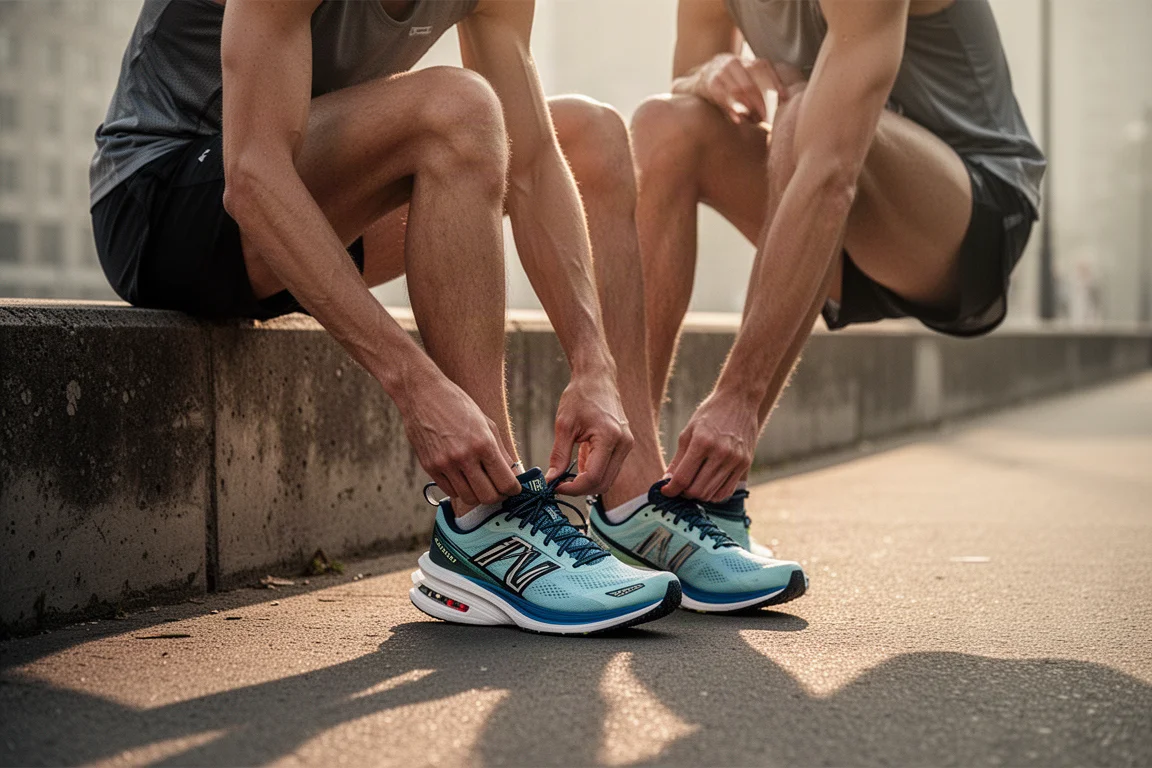
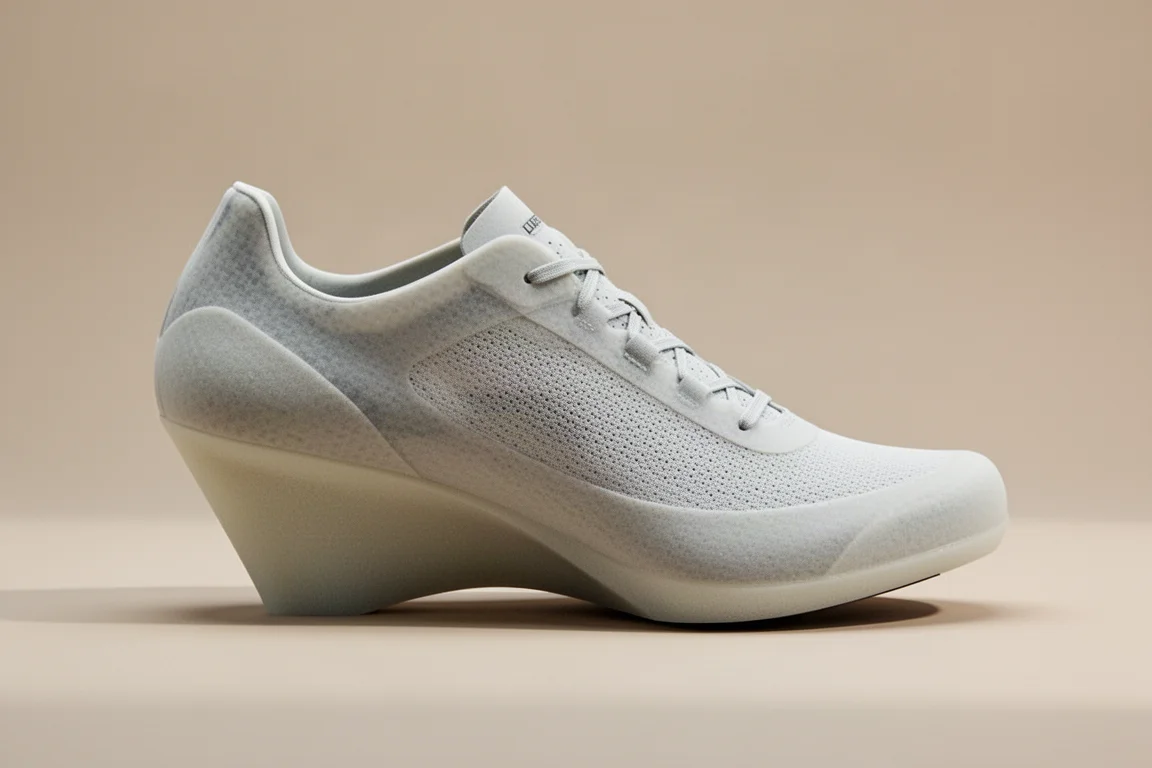
Both testers took their usual size. One, normally a UK 8.5 or UK 9, found the Nike fit true to size with good toe-box room and solid heel and midfoot hold, while the Puma ran a little longer, suggesting a half size down for anyone between sizes. The other, a UK 8, found the Alphafly 3 a textbook lockdown race shoe with nice padding around the heel and ankle, but little spare room, and the Puma slightly roomier through the forefoot and around the big toe.
The practical summary: stay with your normal size in the Alphafly 3, and stay true to size in the Puma if your fit is regular, but consider going half a size down in the Puma if you’re on the fence.
Durability Notes Worth Knowing
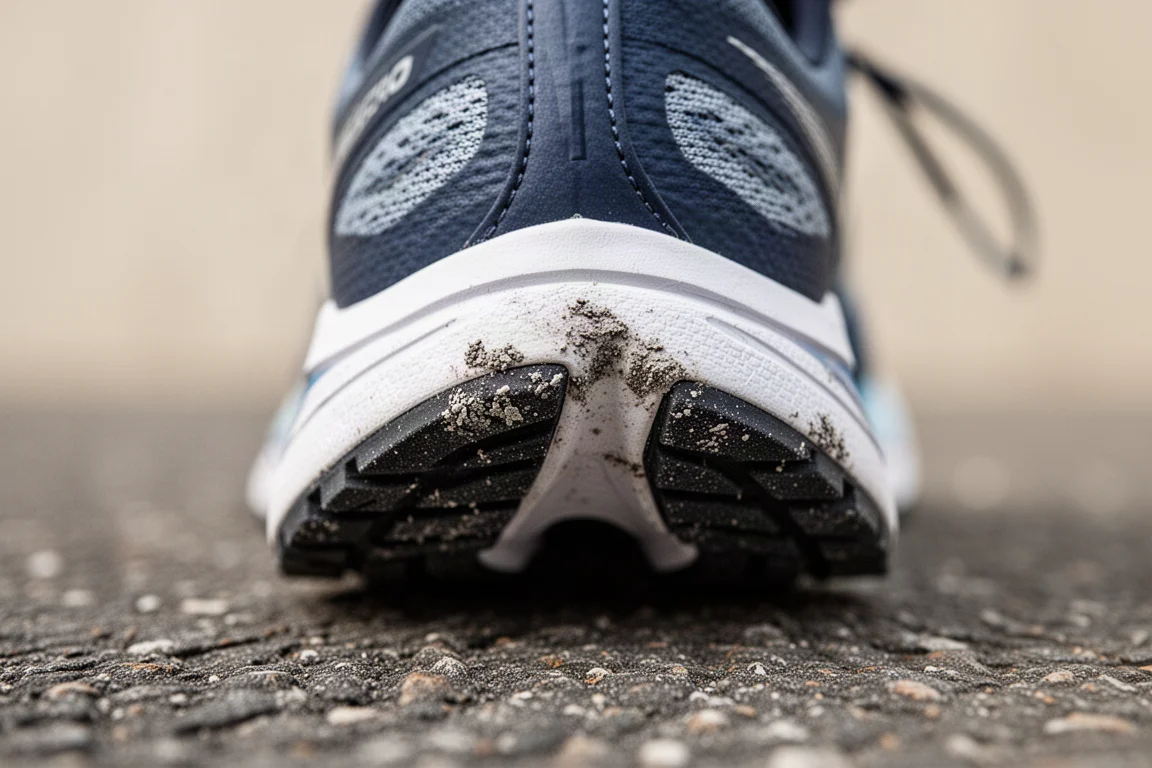
One tester who tends to scrape the back of the outsole on super shoes tore the heel rubber off the Puma Deviate Nitro Elite 3 within 20km. Early versions had more rubber; this one trades some of it for weight. The Alphafly 3, despite having even less rubber at the back, caused no such issues. If you’re a runner who drags the back of the shoe, this is worth factoring in.
Which Shoe Should You Buy?
Rode back to back, these two shoes are remarkably close. The Alphafly 3 is a touch softer, but energy return and overall ride quality are on a par, with the main difference being the Puma’s slightly firmer, denser midsole feel. On pure performance, especially for the marathon, the Alphafly 3 still gets the nod as the fastest shoe of the pair.
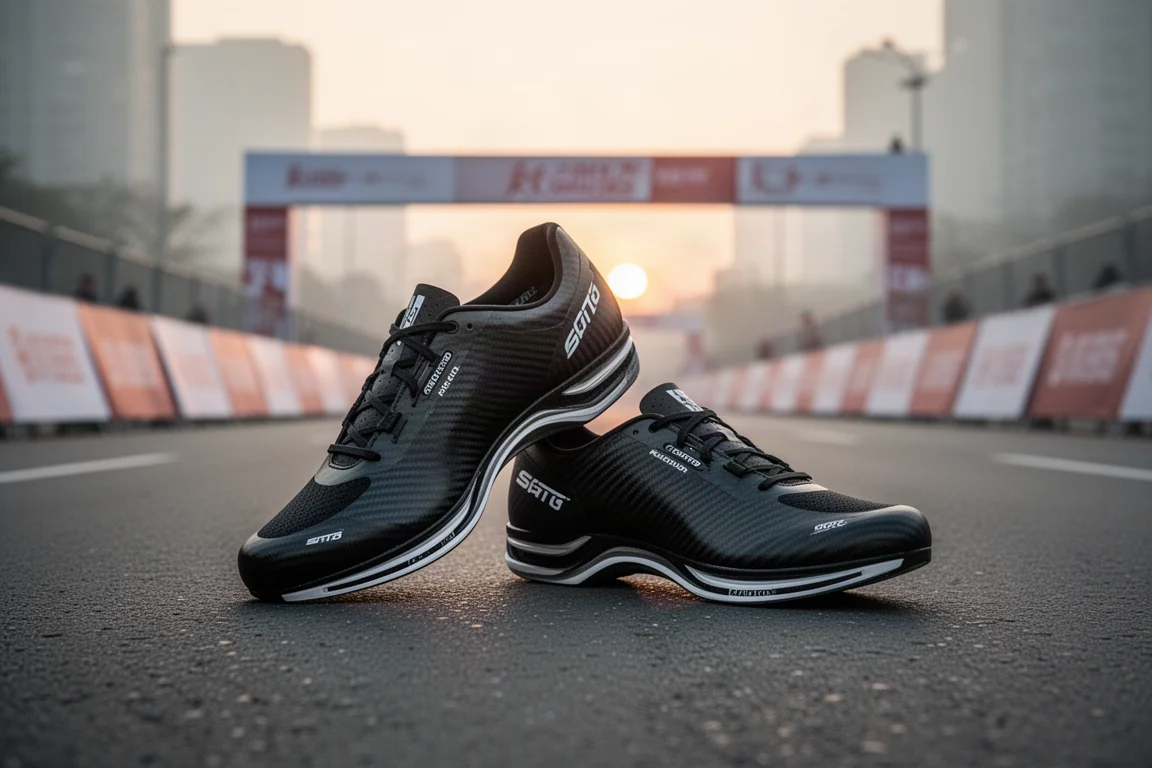
But value changes the picture dramatically. The Puma is considerably cheaper, especially in the UK, Puma shoes tend to appear in sales quickly, and you’re not buying a compromise shoe: it’s stable for a carbon racer, suits a wide range of running styles and gaits, has great grip, and sits right at the top tier of super shoes alongside the very best. For many runners, the saving outweighs the marginal performance edge of the Nike.
Conclusion
Both shoes represent the best of their lines. The Alphafly 3 is the faster, plusher choice for marathon specialists who want maximum bounce, while the Deviate Nitro Elite 3 delivers a near-identical ride, lighter weight, better grip, and a far friendlier price. If price matters at all, the Puma is the smarter buy; if you want the absolute fastest marathon shoe and budget is no object, the Nike still leads.
Further reading
Related Reviews

Running Shoes
Best Road-to-Trail Running Shoes: Three Versatile Options for Mixed Terrain
A practical guide to three road-to-trail running shoes that handle both pavement and mild trails, with clear strengths and trade-offs for different runner types.

Running Shoes
Best Running Shoes for Achilles Tendonitis: Three Options Explained
Three running shoes with different heel drops and support features designed to help reduce Achilles tendon pain during walking and running.

Running Shoes
Best Running Shoes for Women: Five Top Choices Ranked
A ranked guide to five women's running shoes, from versatile daily trainers to high-performance racing options, with real strengths and trade-offs for each.