Running Shoes
Nike Alphafly 3 vs Hoka Cielo X1 2.0: Which Carbon Racer Should You Buy?
Two premium carbon plate racing shoes compared on fit, ride feel, durability, and race distance so you can pick the right one.
Introduction
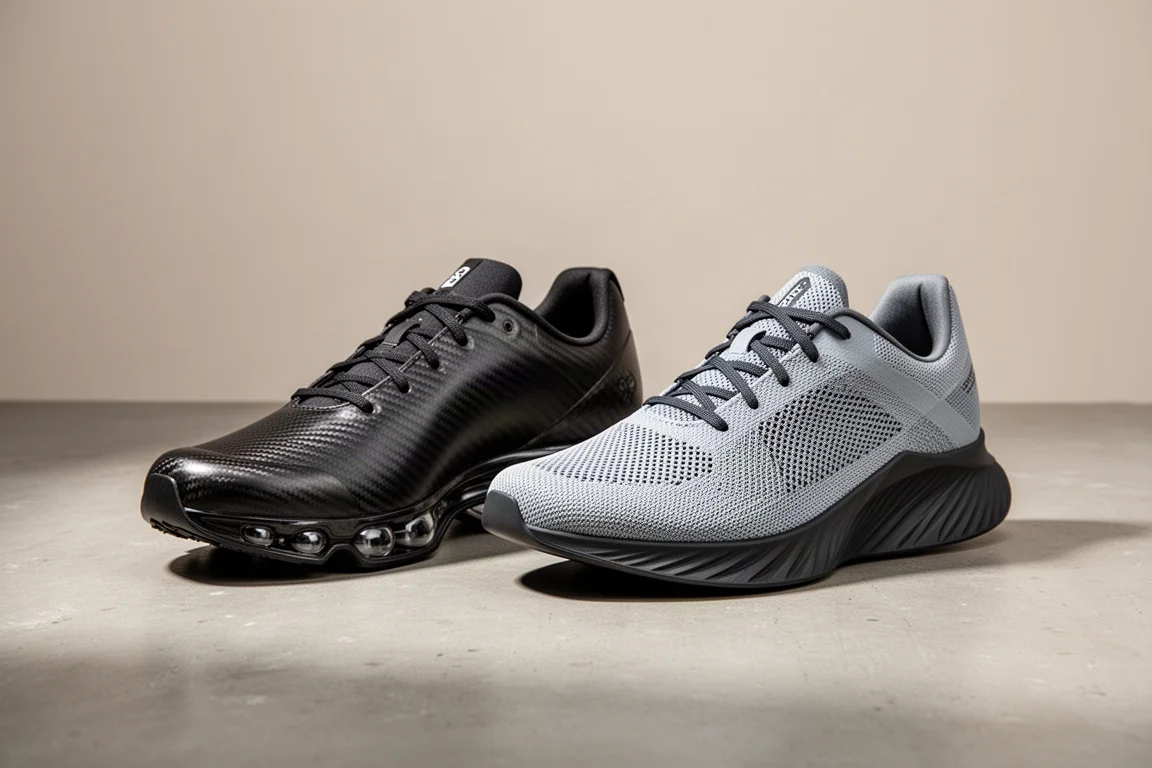
The Nike Alphafly 3 and Hoka Cielo X1 2.0 sit firmly in the super shoe category: expensive carbon plate racers built to deliver elite-level performance, especially over longer races like the marathon, though both work for any distance. They cost a lot, feel very different on the run, and suit different types of runner, so the choice between them is less about which is better and more about which matches your running style and race goals.
At a Glance: Key Specs and Prices
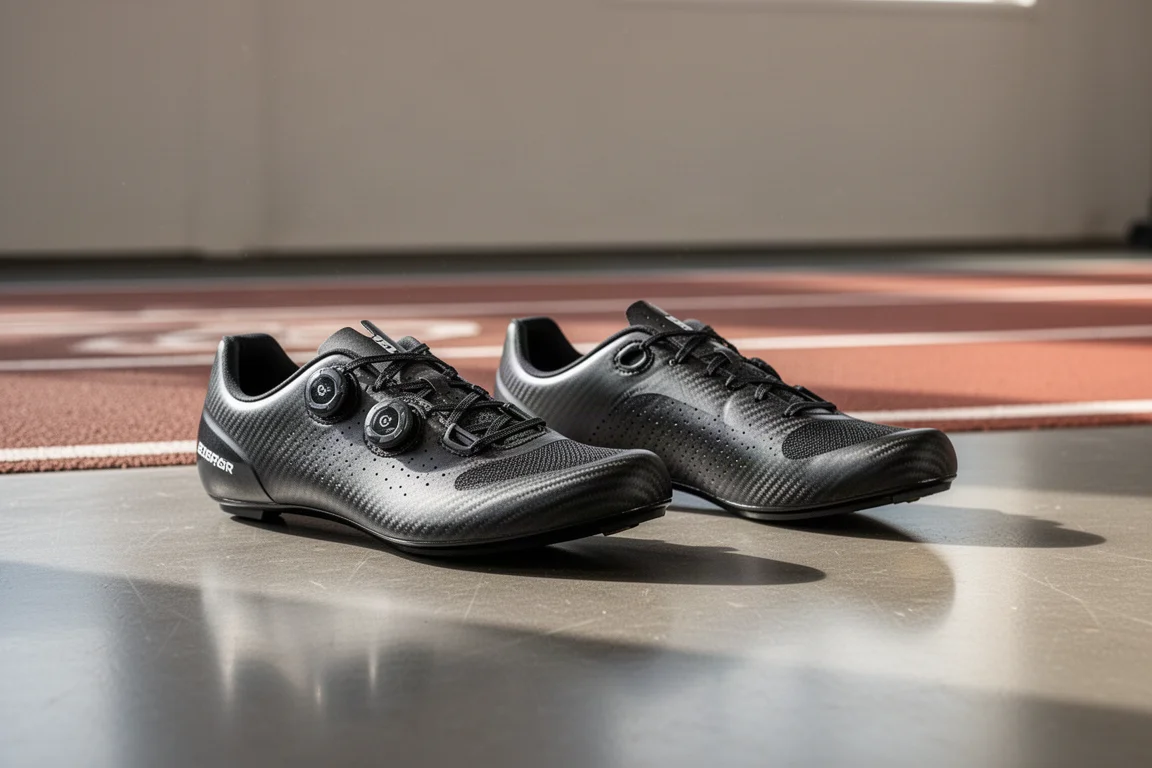
The Alphafly 3 costs £285 or $285, while the Cielo X1 2.0 comes in at £250 or $275. Weight is close to a wash: the Cielo X1 2.0 is listed at 214g (7.5 oz) and the Alphafly 3 at 220g (7.7 oz), though the sizing conversion differs between brands, so comparable sizes are roughly the same. The Cielo X1 2.0 has a 7mm drop versus 8mm on the Nike, and both stack heights head toward the 40mm limit set by World Athletics.
Design and Construction
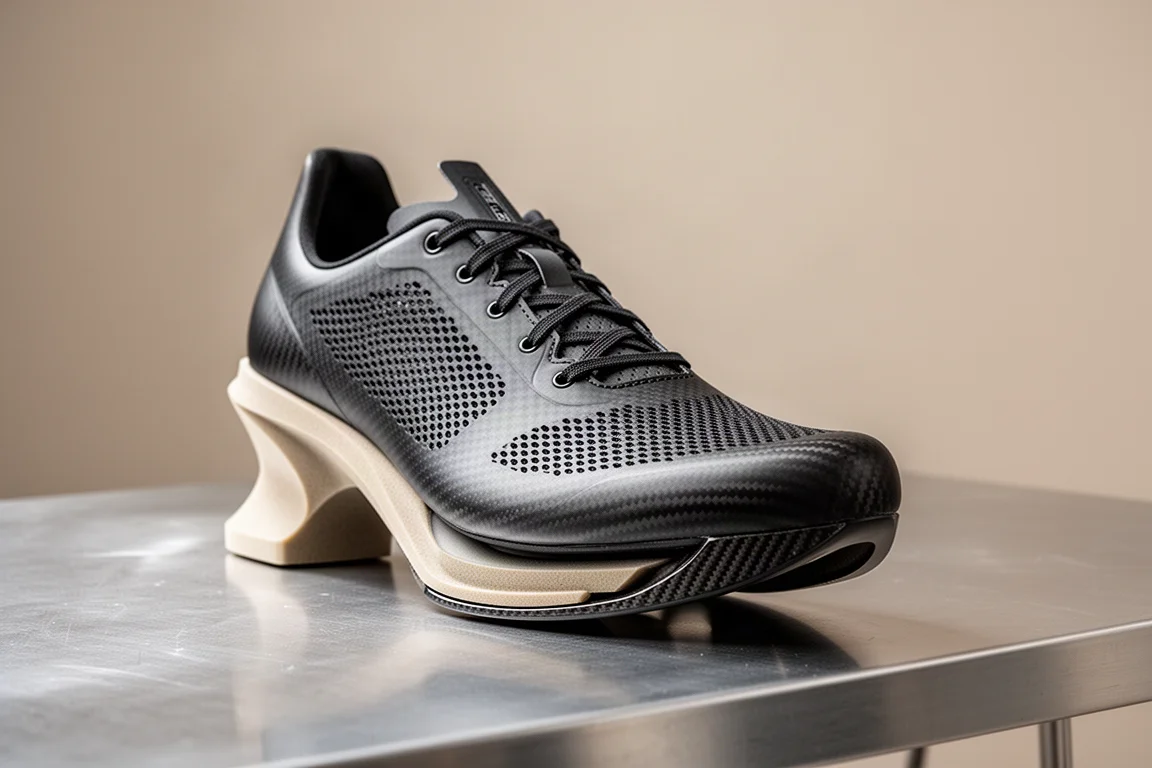
The Hoka uses a very thin jacquard mesh upper with a slightly plasticky feel, likely to help the shoe avoid absorbing too much water in a wet race. There is a little padding around the heel and a small internal heel counter, but overall it is a lightweight upper. The midsole is dual-density PEBA foam with two layers surrounding a carbon plate that has wings in the forefoot for added stability. Plenty of internal cutouts reduce weight at the cost of some stability. The outsole is sticky rubber with full forefoot coverage and two strips at the back, and it is a fairly thick layer of rubber.
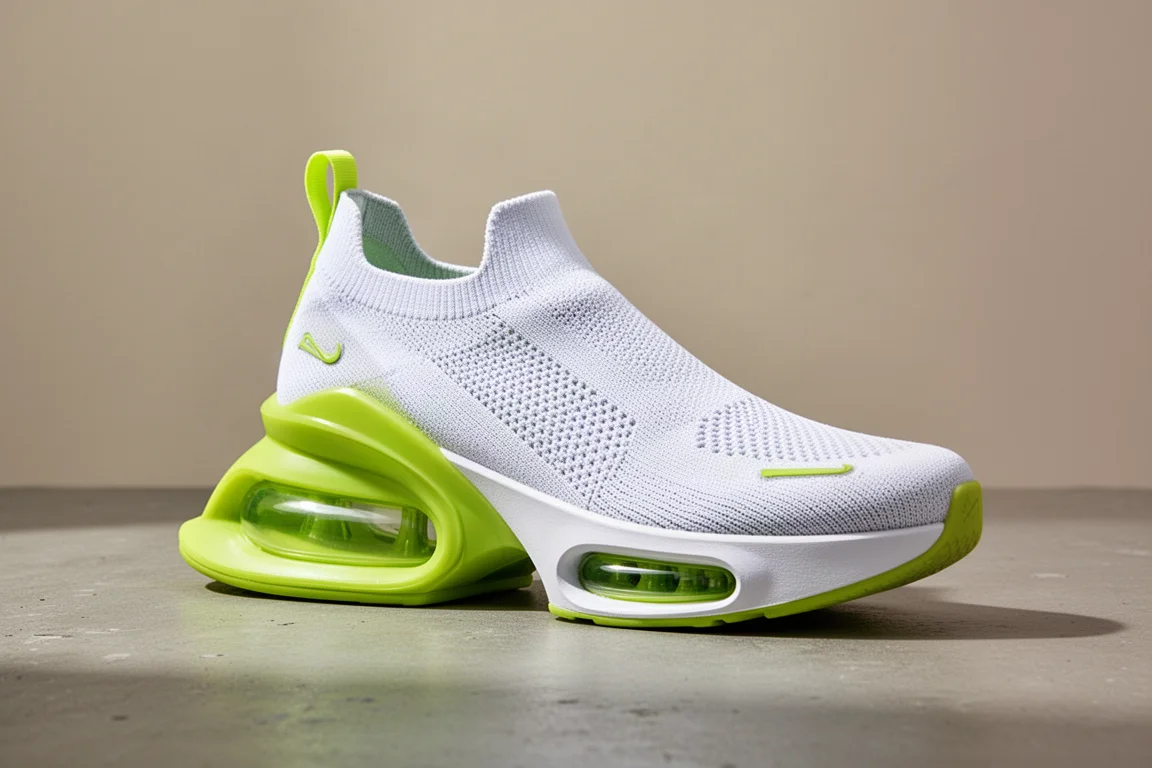
The Alphafly 3 pairs an Atomknit 3.0 upper with a booty-style fit, while the Hoka sticks to a more traditional tongue design. There is a bit more reinforcement around the heel than on the Hoka, but the upper is still geared toward being lightweight all round. Underfoot you get a ZoomX midsole with Air Zoom pods at the forefoot: Pebax foam throughout most of the midsole, with firmer Air Zoom pods adding response under the forefoot, plus a full-length carbon flyplate. The outsole is Fastshot rubber with full forefoot coverage and two heel strips.
Fit and Sizing
Both shoes fit true to size in the experience behind this comparison, and the recommendation is to stick with your normal running shoe size. The Alphafly 3 is the naturally more spacious and roomy option, with plenty of space before the big toe and around the forefoot and midfoot, yet it still locks down well. It is the more accommodating fit that should work well for lots of different runners.
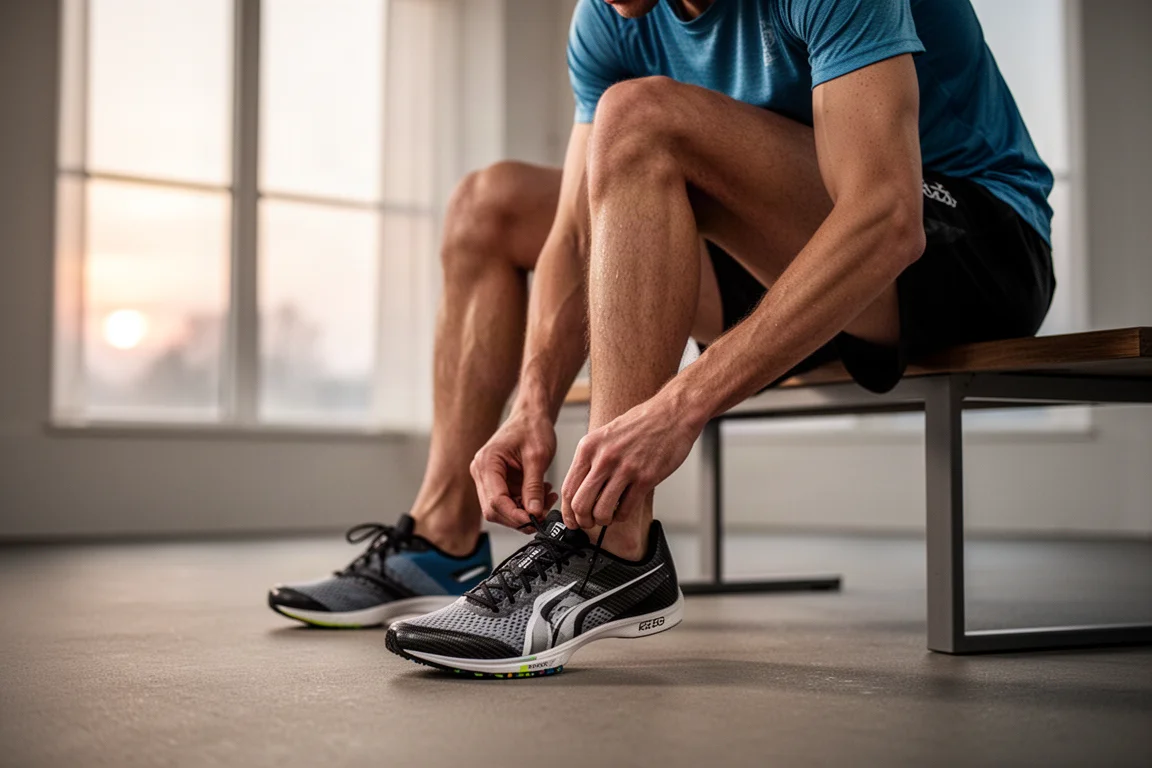
The Cielo X1 2.0 is much more restrictive. It sits close to the foot and is slim and narrow, in keeping with a lot of Hoka shoes, which suits runners with skinny, narrow feet very well. Runners with wider or longer feet, or anyone on the fence with sizing, will probably want to go up half a size. Both uppers held the foot securely over long, hard runs, though the Hoka is the more limiting fit of the two.
Ride and Performance
Both shoes come alive when you run faster, and both are among the best for an enjoyable, fast ride. The differences show up in how they deliver it. The Cielo X1 2.0 feels sprightlier: bouncy, lively, aggressive, with a real rocket feel that rolls you from heel to toe quickly. Its dominant sensation is the midfoot rocker pushing you forward, then a sharp forefoot rocker, plate, and foams working together to punch you off your toes. It is not a stable shoe, though, so you need to maintain good form; when you tire, it can feel awkward.

The Alphafly 3 has a softer, more relaxed and stable feel. The transition onto the forefoot is smooth and almost subtle, until you hit the Air Zoom pods, which are the loudest, most dominant sensation on the run and deliver a genuinely punchy forefoot toe-off. It has a fast turnover and an efficient style, and it cruises exceptionally well: lock into a 5K or 10K pace and it helps you hold it. Even when tired late in a long race, it keeps working. If you had any issues or started to fade, the Alphafly 3 inspires more confidence over longer distances.
Durability and Outsole
The Alphafly 3 outsole inspires more confidence for high mileage. The rubber layer feels thicker, grips well, and held up without any peeling even with an unusually harsh foot strike that destroys the outsoles of most carbon racers. It is one of the standout durability results among recent carbon plate racing shoes.
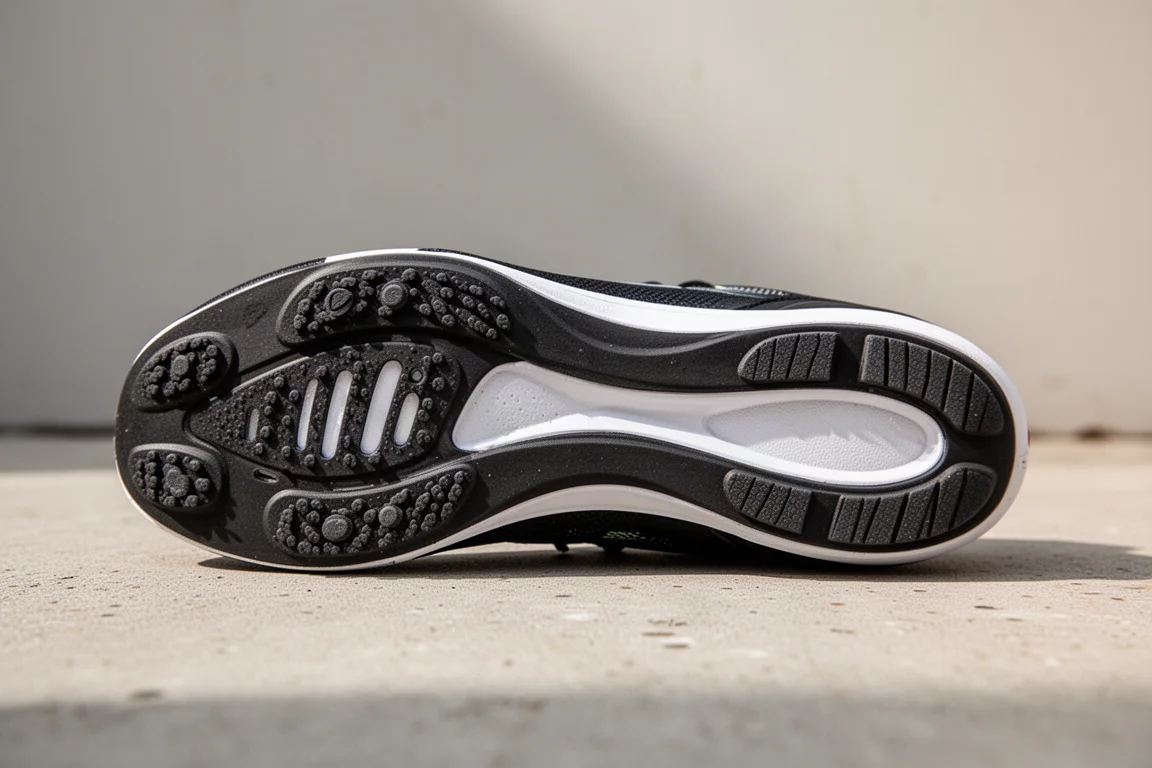
The Cielo X1 2.0 also has a solid, thick layer of rubber for a lightweight race shoe, and grip was never an issue. The caveat: the heel outsole rubber ripped off within a single kilometre of use, faster than with any other carbon racer tested. It can be repaired with shoe goo, but heavy heel strikers should be aware of that weakness at the back of the shoe.
Which One Should You Buy?
If you are running a marathon, the Alphafly 3 is the safer bet. It is more money, but you get an incredibly high level of performance, better comfort late in long races, a more controlled and stable ride, and more durability confidence. It works for any distance from 5K up, even if it lacks some of the obvious bounce and energy return of its predecessor.
If you prefer a rockered, aggressive, propulsive feel and are targeting half marathon and shorter, the Cielo X1 2.0 is the more exciting pick. It is lighter on the foot, faster feeling underfoot, and highly competitive across a range of speeds. Just be realistic about its instability and whether you want to work that hard with the shoe over a full marathon.
Conclusion
Both are excellent carbon racers, but they reward different runners. The Alphafly 3 is the more versatile, comfortable, and stable option and the better marathon choice. The Cielo X1 2.0 delivers a more aggressive, nimble ride that is hard to beat at half marathon distance and below, provided its narrow fit and softer heel outsole work for you.
Further reading
Related Reviews

Running Shoes
Best Road-to-Trail Running Shoes: Three Versatile Options for Mixed Terrain
A practical guide to three road-to-trail running shoes that handle both pavement and mild trails, with clear strengths and trade-offs for different runner types.

Running Shoes
Best Running Shoes for Achilles Tendonitis: Three Options Explained
Three running shoes with different heel drops and support features designed to help reduce Achilles tendon pain during walking and running.

Running Shoes
Best Running Shoes for Women: Five Top Choices Ranked
A ranked guide to five women's running shoes, from versatile daily trainers to high-performance racing options, with real strengths and trade-offs for each.