Running Shoes
Nike Alphafly 3 vs Nike Alphafly 1: Which Marathon Super Shoe Should You Buy?
Two generations of Nike's flagship carbon racer compared on fit, ride, weight and price, with practical advice on which one suits your running style.
Introduction
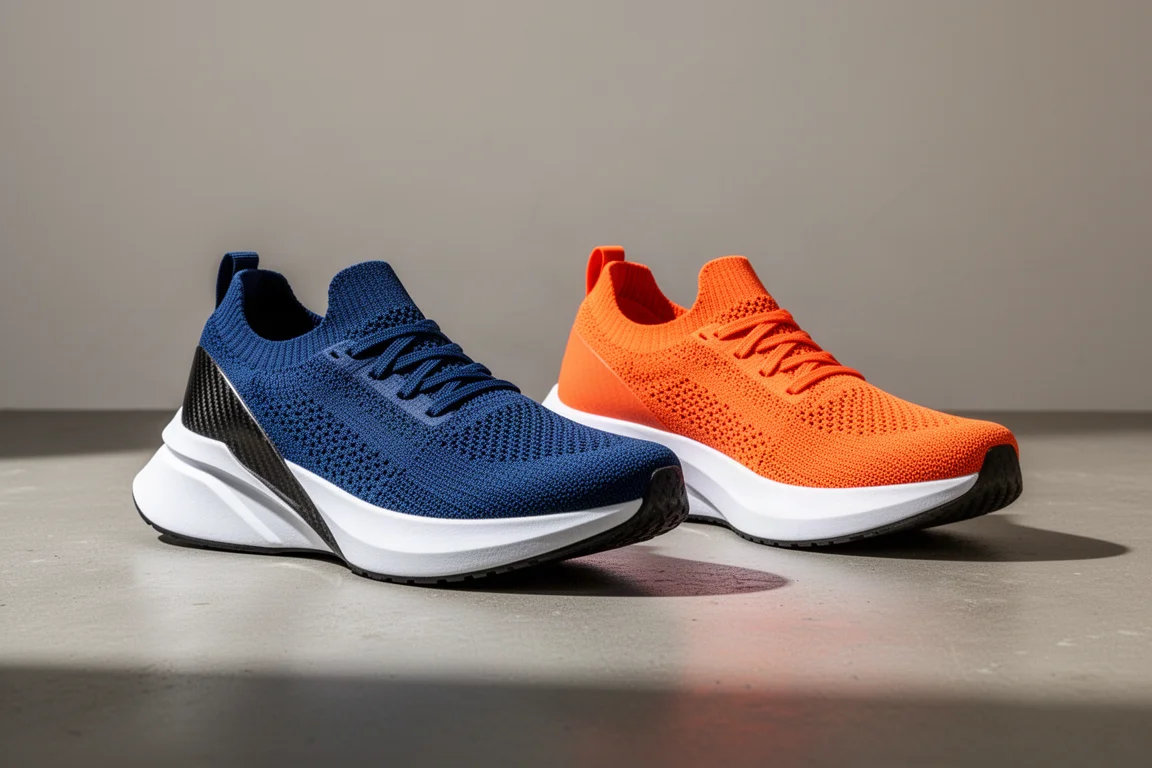
Few running shoes have earned the reputation of the original Nike Alphafly. Launched in 2020, it combined a carbon plate with a chunky stack of ZoomX foam and two Zoom Air pods in the forefoot to produce one of the most impressively bouncy rides ever fitted to a race shoe. Four years on, dozens of worthy contenders have arrived, and the Alphafly 1 still sits at the top of many runners’ race-day wish lists.
The third version of the shoe brings meaningful updates: a wider carbon plate for stability, a fully connected ZoomX midsole for a smoother ride, a revamped Atomknit upper, and a lower weight. The question is whether that justifies the upgrade, especially given the price difference and how hard the original has become to find, let alone at a discount.
Specs and Pricing
The numbers frame the decision well. The Alphafly 3 costs £284.99 in the UK or $285 in the US, weighs 202g (7.1oz) for men in a size 8, and has an 8mm drop. The original launched at £259.95 or $275, weighed 280g (7.3oz) for men in a size 8, and had a 4mm drop.
It is worth pausing on that gap. A newer, lighter shoe is only worth the premium if the ride genuinely works better for you. The Alphafly 1 is harder to find new these days, but discounted stock does surface, and at the kind of prices seen recently it becomes a genuinely compelling deal.
Fit and Sizing: What Runners Should Know
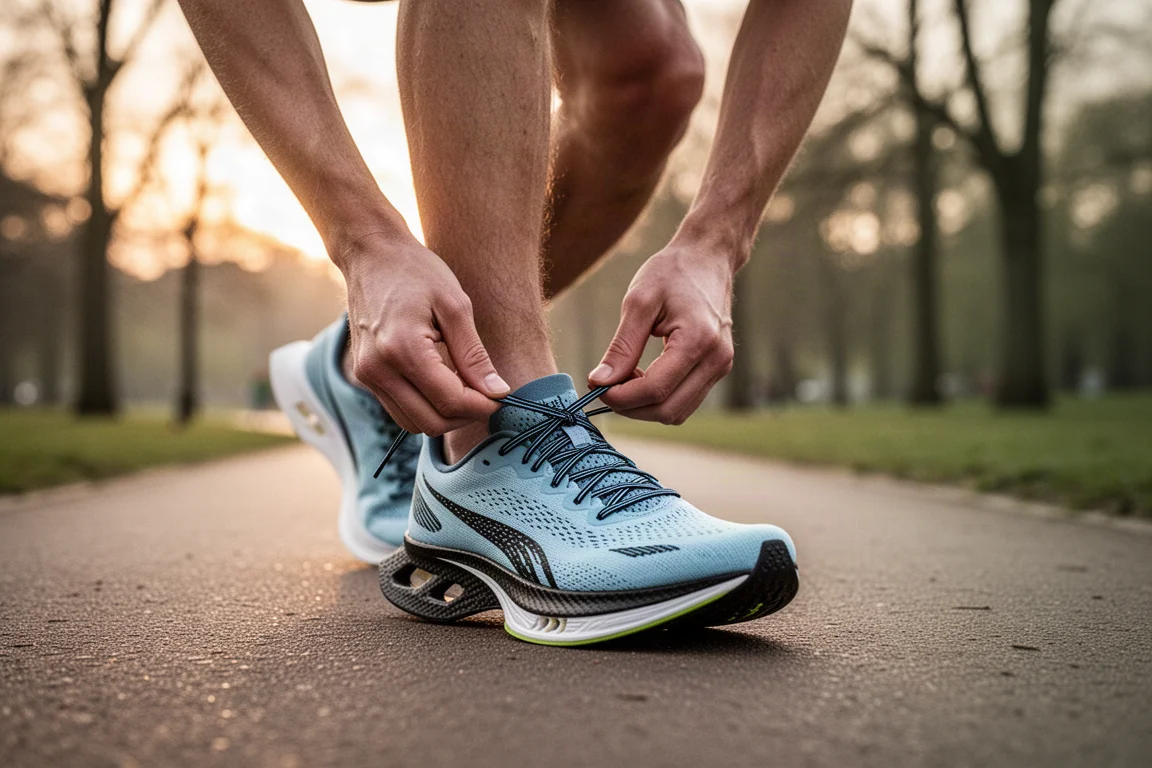
Fit is broadly consistent across both generations. Testers report staying with their normal size in both shoes, with comfortable room around the toe box and a good hold through the heel and midfoot. Many runners also find both shoes comfortable straight out of the box, which is not always true of super shoes that typically need a couple of runs to break in.
There are two caveats worth knowing. First, the Alphafly 1 has a somewhat notorious arch issue: some pairs caused noticeable irritation, although this did not affect every pair and some runners never experienced it at all. Second, the heel padding design differs. The strip of padding on the Alphafly 1 can rub some runners the wrong way, while the more hugging heel design on the Alphafly 3 avoids that for most feet.
Ride Feel: Bouncy vs Tip-Forward
This is where the two shoes genuinely separate, and it is less a performance difference than a feel difference. The Alphafly 1 is a bounce-based carbon shoe. You feel the squishy ZoomX foam and the air pods immediately, and the shoe feels like it is bouncing you along. Runners who love a noticeable bounce tend to adore this shoe, and it works at every distance from 10K up to the marathon.
The Alphafly 3 moves the line toward the Vaporfly character. Thanks to the continuous midsole setup engaging the air pods differently, the newer shoe offers a faster, more aggressive, tip-forward transition. High-cadence runners who strike in a shuffling style report that the plate and pods engage almost effortlessly, delivering a punchy turnover that holds pace together in the closing kilometres of shorter races.

Two practical observations came out of extended testing. The foam in the Alphafly 3 feels slightly squishier to some runners, who feel like they compress into the ground a bit more, which they prefer less than the highly compressive feel of the original. And in a 10K comparison, the same runner finished within a second of the same time in both shoes, which says a great deal about how fine the margins really are.
Notably, the testers also mention that since the Alphafly 1, no shoe has emerged as a clear-cut, significantly faster upgrade. The differences between generations today are smaller than they were five years ago.
Which Shoe for Which Distance
Both shoes can race well from 10K through the marathon, but the strengths tilt differently. The Alphafly 1’s bounce is most valuable over long distances, where runners love that feeling deep into a marathon’s final miles. The Alphafly 3, being lighter and easier to engage, arguably works better as a versatile all-distance racer, and it particularly helps runners whose form drops off late in a race and who benefit from the easier plate engagement.
Verdict: Which One to Buy
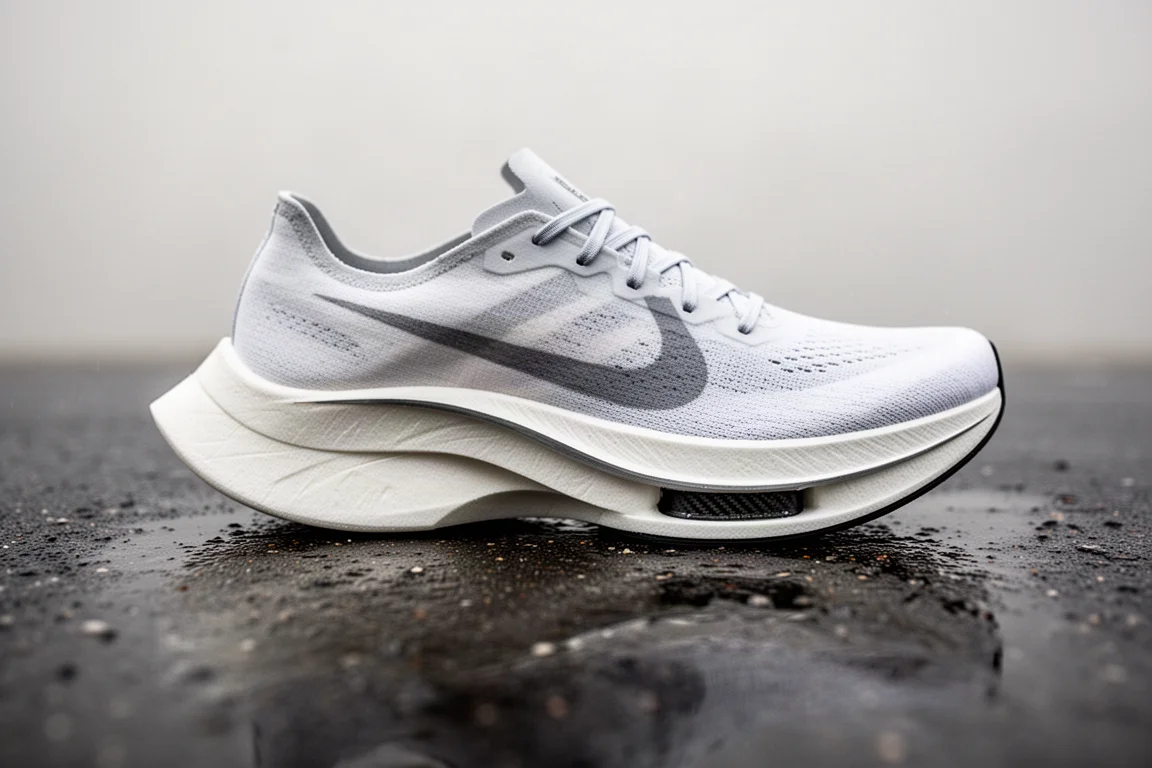
The honest verdict is that both are excellent carbon shoes, and neither choice will do you an injustice. The deciding factors come down to feel, price, and what is already in your shoe cupboard.
If you already own a pair of Alphafly 1s that you love, there is no reason to rush out and buy the new version. Keep racing in them until they are worn into the ground. If you can still find the original at a discount, it remains a superb purchase, especially for runners who prioritise that soft, bouncy feel above all else.
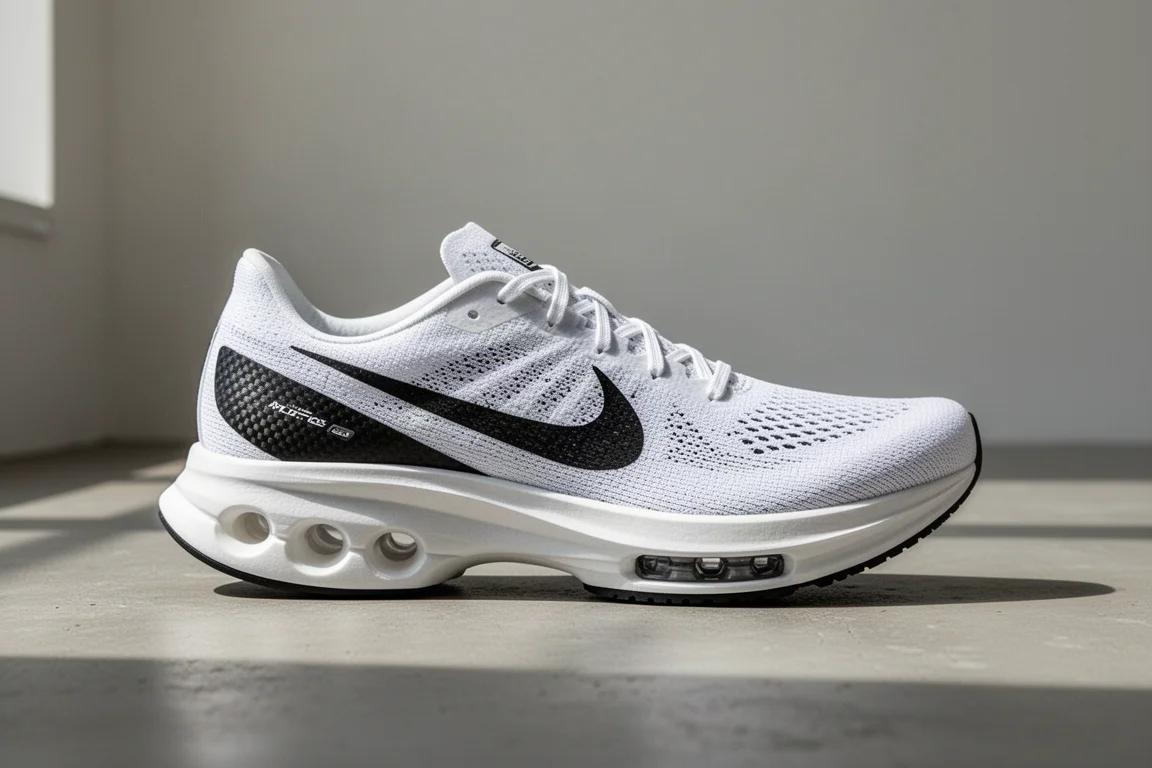
If you are buying fresh at full price and want the more aggressive, tip-forward ride with better lockdown and lower weight, the Alphafly 3 is the stronger pick. Its continuous midsole makes engaging the forefoot pods remarkably easy, and it suits runners who want one versatile racer for all distances.
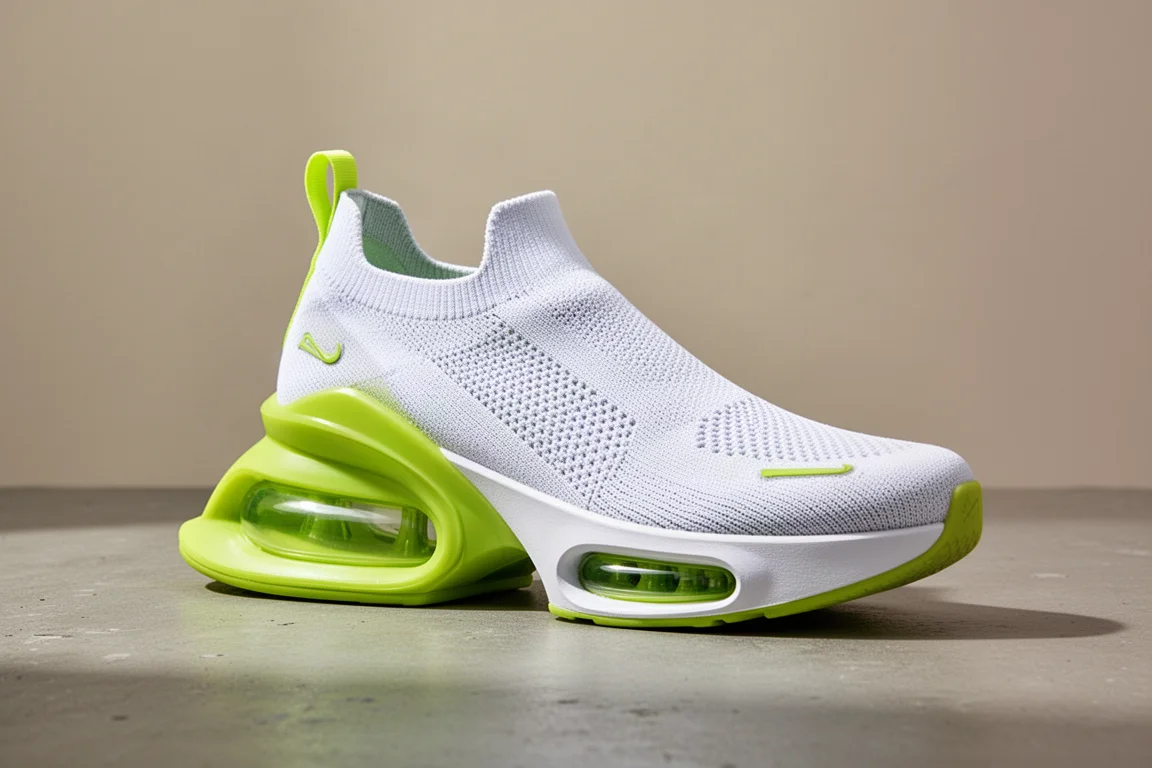
A final note on the old speed-versus-shoe debate: this is not really about how fast you are. Runners of all paces prefer different shoes depending on gait and how they load force into the shoe. Try both if you can, and if all else fails, pick the one with the colourway you like best.
Conclusion
The Alphafly 3 is the more versatile, lighter, more aggressive racer, and it is the logical choice for a new full-price purchase. The Alphafly 1 remains a legendary, bouncy race shoe that still delivers marathon-calibre performance, particularly at the discounted prices that occasionally appear. The difference between them is primarily one of ride character rather than raw performance, so let your running style and your budget make the call.

Further reading
Related Reviews

Running Shoes
Best Road-to-Trail Running Shoes: Three Versatile Options for Mixed Terrain
A practical guide to three road-to-trail running shoes that handle both pavement and mild trails, with clear strengths and trade-offs for different runner types.

Running Shoes
Best Running Shoes for Achilles Tendonitis: Three Options Explained
Three running shoes with different heel drops and support features designed to help reduce Achilles tendon pain during walking and running.

Running Shoes
Best Running Shoes for Women: Five Top Choices Ranked
A ranked guide to five women's running shoes, from versatile daily trainers to high-performance racing options, with real strengths and trade-offs for each.