Running Shoes
Nike Alphafly 3 vs Alphafly 2 vs Alphafly 1: Which Marathon Racer Fits Your Running?
A three-generation comparison of Nike's flagship marathon racing shoe, covering ride, drop, stability, outsole durability, and fit to help you choose between the Alphafly 3 and its predecessors.
Introduction
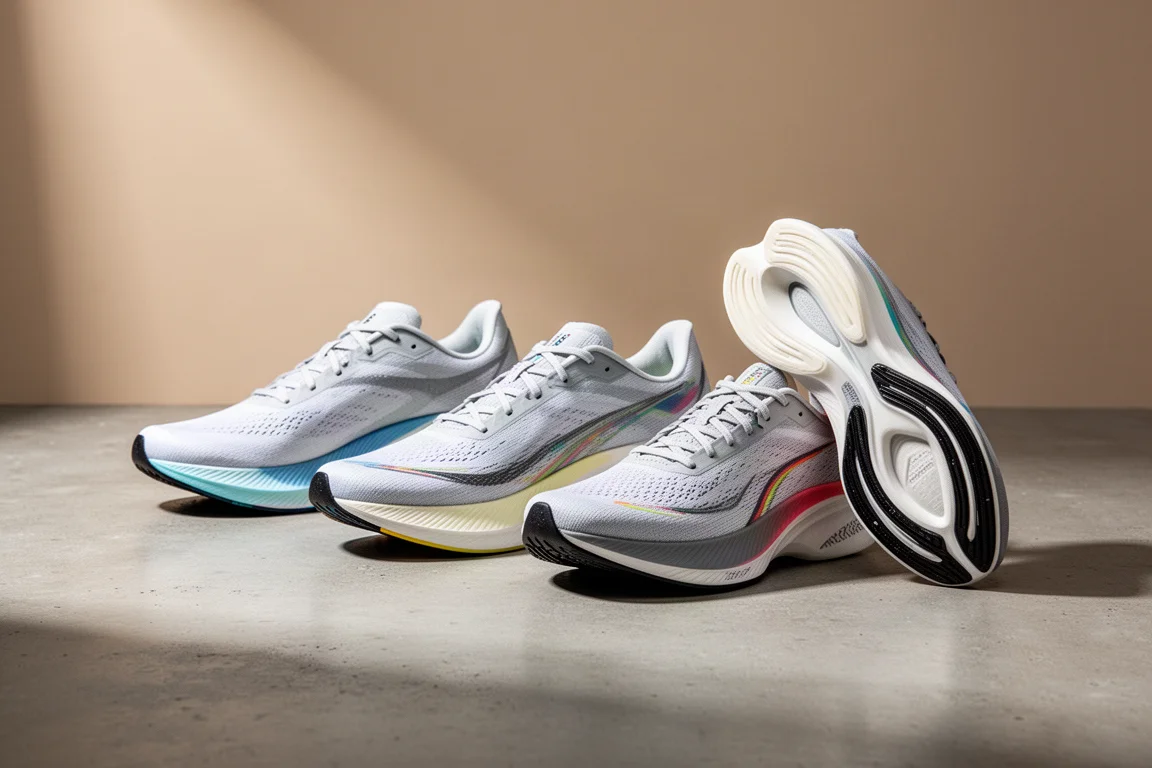
The Alphafly line is Nike’s long-distance marathon racing shoe, a platform that first turned heads during the sub-2 marathon era and has now reached its third version, one that has already carried runners close to breaking the two-hour barrier in a legitimate race. If you are weighing whether to buy the Alphafly 3 or hunt down an older version instead, this comparison walks through the key differences in spec, ride, stability, durability, and fit.
The headline spec differences come first. In men’s size 10, the Alphafly 3 weighs 7.7 oz, while the Alphafly 1 came in at 8.3 oz in the same size; in women’s size 8, the Alphafly 3 is 6.2 oz. Both versions carry a 40 mm heel stack, but the forefoot differs: 32 mm on the Alphafly 3 versus 36 mm on the Alphafly 1, giving an 8 mm drop on the newer shoe against 4 mm on the original. That drop change turns out to shape nearly everything about how each shoe runs.
Ride and Versatility
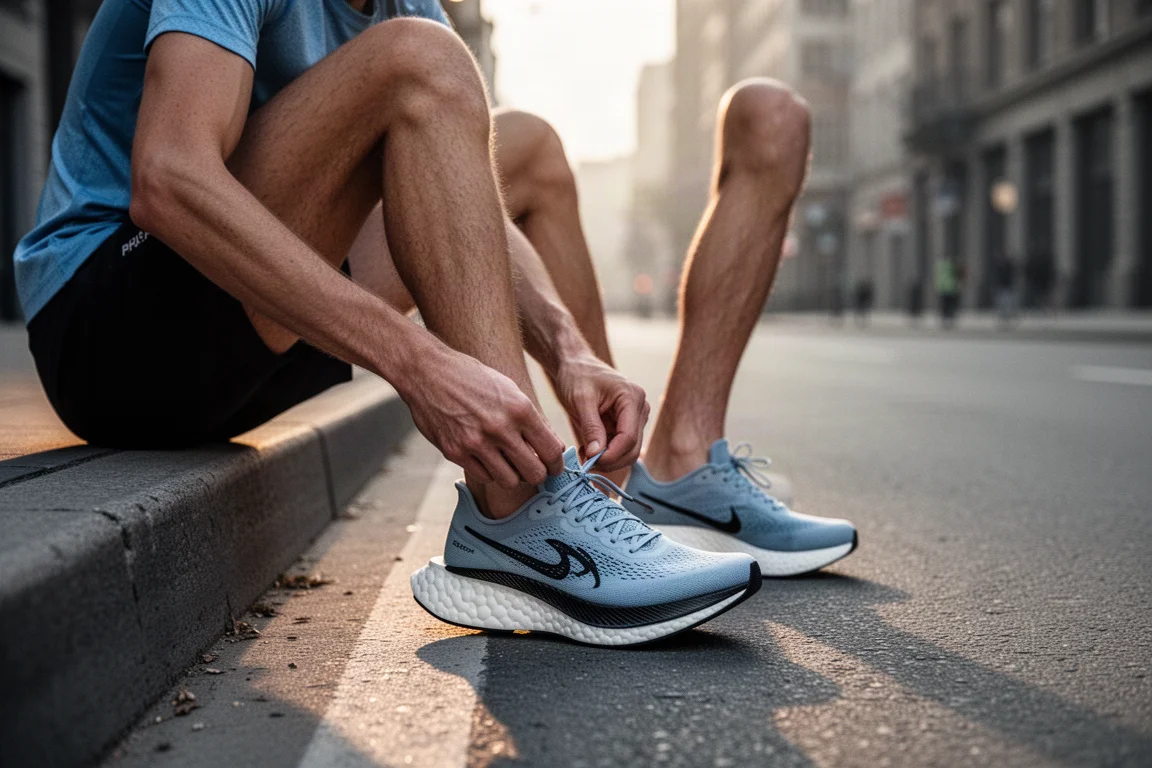
The drop difference is definitely noticeable. On the Alphafly 1, the low heel combined with soft foam could make the heel feel like it got stuck, particularly for runners without a lot of ankle mobility, who ended up compensating elsewhere and feeling like they had to climb out of the shoe on hard landings.
The Alphafly 3 does not have that problem at all. With the higher 8 mm drop, more foam, and the new geometry, it feels like the shoe bounces you forward. The original bounced you upward and you had to move yourself forward; version 3 feels built for going fast forward all the time. That makes it a much faster, more aggressive, and bouncier shoe underfoot.
The trade-off is versatility. The Alphafly 1 felt better at easier paces, and it worked well for workouts, easy runs, and long runs. The Alphafly 3 feels like a pure speed race shoe. Easy runs in it are awkward, and it only starts to show what it is for once you pick up the pace with strides or tempo work. If you want a shoe that handles a wider range of paces, the older versions still hold an advantage here.
Stability Improvements
Neither shoe is a stability shoe, but the Alphafly 3 is noticeably more stable. The wider base, a full ground contact outsole, and a longitudinal groove through the middle work together, and the sidewalls on both the medial and lateral sides help keep the ride centered.
The Alphafly 1 has a somewhat wider forefoot, but the midfoot narrows, it does not have full ground contact, and it offers little in the way of sidewalls. Combined with the lower 4 mm drop, runners who run out of ankle motion and compensate side to side may find the original moves more. Over longer runs, the Alphafly 3 simply holds a more centered line.
Outsole and Durability
The Alphafly 1 appears to be the more durable of the two out of the box, partly because it carries a longer outsole piece. On the Alphafly 3, the small rubber pieces at the heel show early wear, and there is some chewing through the exposed foam in spots, which is a known behavior in this shoe family.
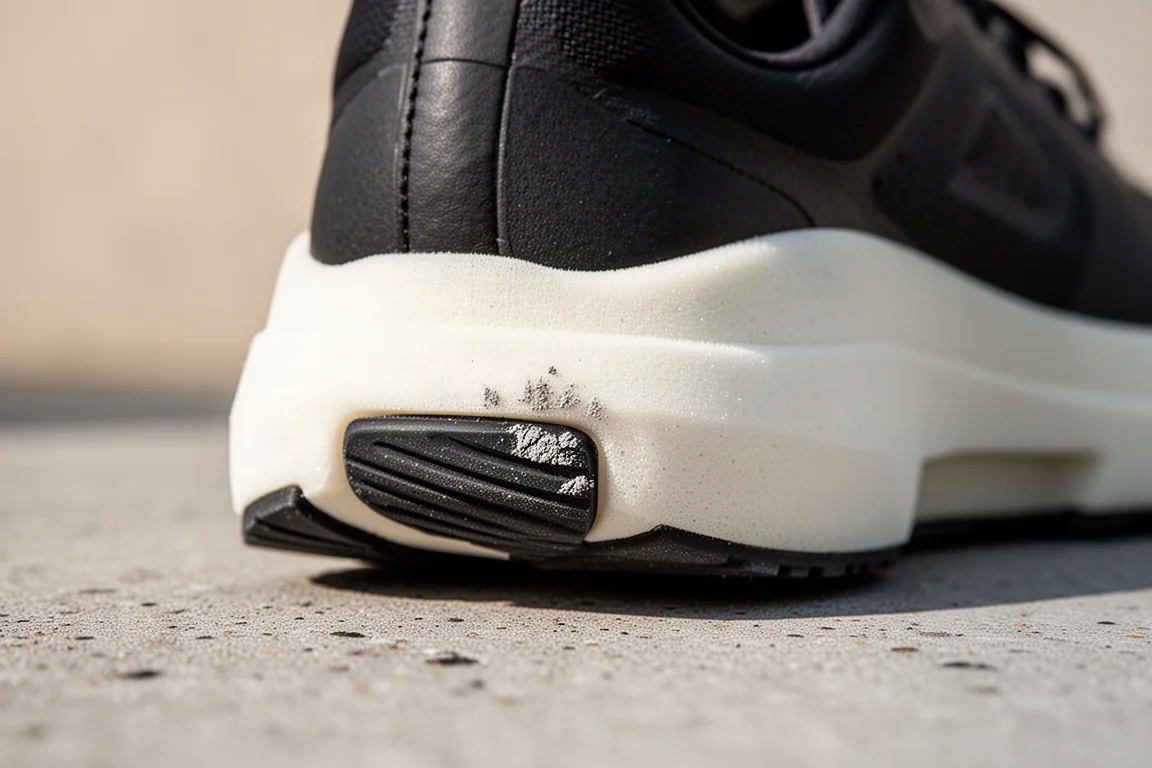
The outsole rubber on the forefoot is holding up phenomenally, with no issues and great durability there. If you are a heel striker who scuffs your shoes, the Alphafly 3 may not be the best durability option for the cost. If you land more toward the front of your foot, you will be fine from a wear standpoint. As for foot strike in general, both shoes deliver a ton of bounce in the heel and a slightly firmer bounce in the forefoot, so heel strikers and forefoot strikers can both make either shoe work.
Upper and Fit
The uppers across the generations are relatively similar, with the older version feeling like it had more volume up top and the Alphafly 3 being a little lighter overall. The Alphafly 1 wins for versatility and comfort, while version 3 feels more aggressive and more race-fitted. One practical note: there was some toe-box crowding on the Alphafly 3, with the fit feeling almost a little short, so stick with your true size rather than sizing down unless you genuinely need more room.
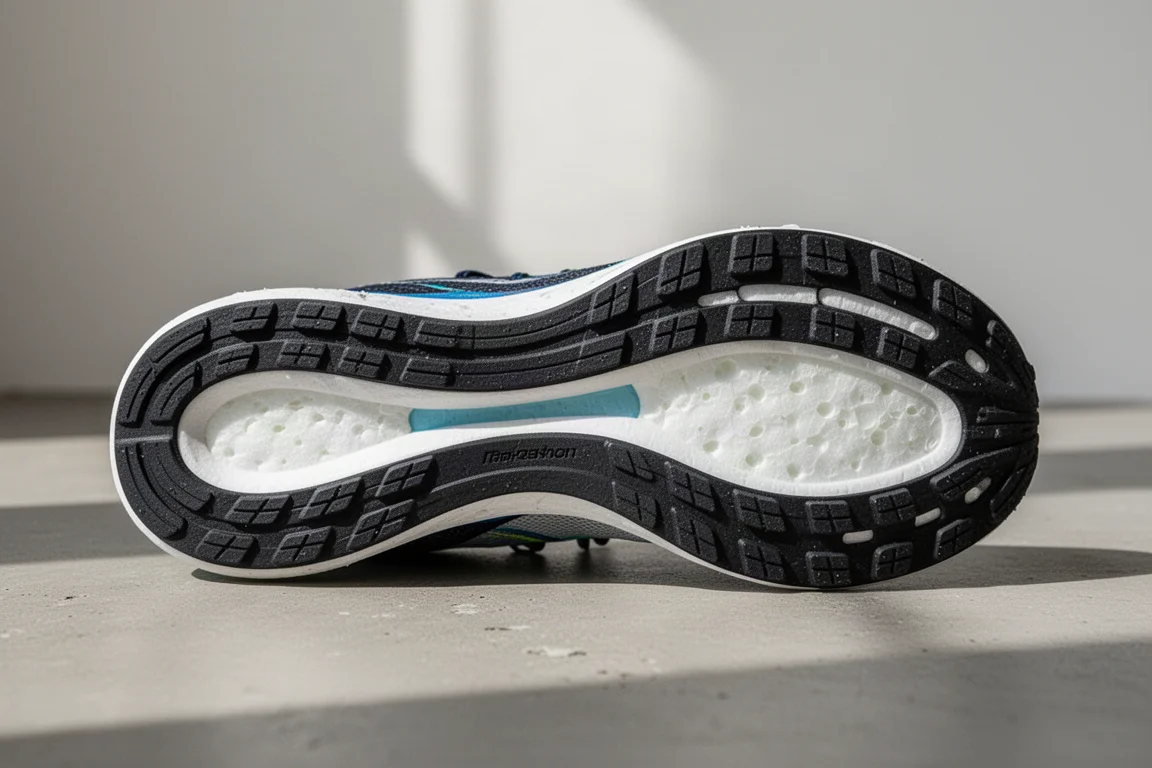
Security is another difference. The Alphafly 3 has fewer overlays, so there is not much extra lock-down from the upper itself, and the laces need to be tied down firmly. The Alphafly 1 did not require as much lace fussing. On the Alphafly 3, it took a while to finesse a secure fit, but once dialed in, the upper disappears and you stop thinking about it.
Which Version Should You Buy?
If you want a shoe that is versatile and better for easy runs and mixed paces, the Alphafly 1 and Alphafly 2 are likely the better fit, and they can still be found on resale and secondary markets. The Alphafly 2, for reference, was a mellowed-out version of the original, and the Alphafly 1 remains the preferred choice of the two older models.

If your goal is simply to run fast, the Alphafly 3 is the standout. It is a massive upgrade over the Alphafly 1, blowing the older shoes out of the water at speed. It takes some learning to control, so expect a short adaptation period before it clicks. It is a demanding shoe, but for racing day, it is the one that makes the strongest case.
Conclusion
The Alphafly 3 is a faster, more aggressive, and more stable racer than its predecessors, with a higher drop, a lighter build, and a race-focused fit, while the Alphafly 1 and 2 remain better all-round picks for runners who want comfort and pace versatility. Choose the Alphafly 3 if racing fast is the priority; look at the older versions if you want one shoe that can do a bit of everything.
Further reading
Related Reviews

Running Shoes
Best Road-to-Trail Running Shoes: Three Versatile Options for Mixed Terrain
A practical guide to three road-to-trail running shoes that handle both pavement and mild trails, with clear strengths and trade-offs for different runner types.

Running Shoes
Best Running Shoes for Achilles Tendonitis: Three Options Explained
Three running shoes with different heel drops and support features designed to help reduce Achilles tendon pain during walking and running.

Running Shoes
Best Running Shoes for Women: Five Top Choices Ranked
A ranked guide to five women's running shoes, from versatile daily trainers to high-performance racing options, with real strengths and trade-offs for each.