Running Shoes
Nike Alphafly 3 Vault Colorway Review: Sizing, Weight, and Why It Sells Out in Seconds
A close look at the Vault colorway of the Nike Alphafly 3, where half a size changes the shoe dramatically, and what that means for your next marathon purchase.
Introduction
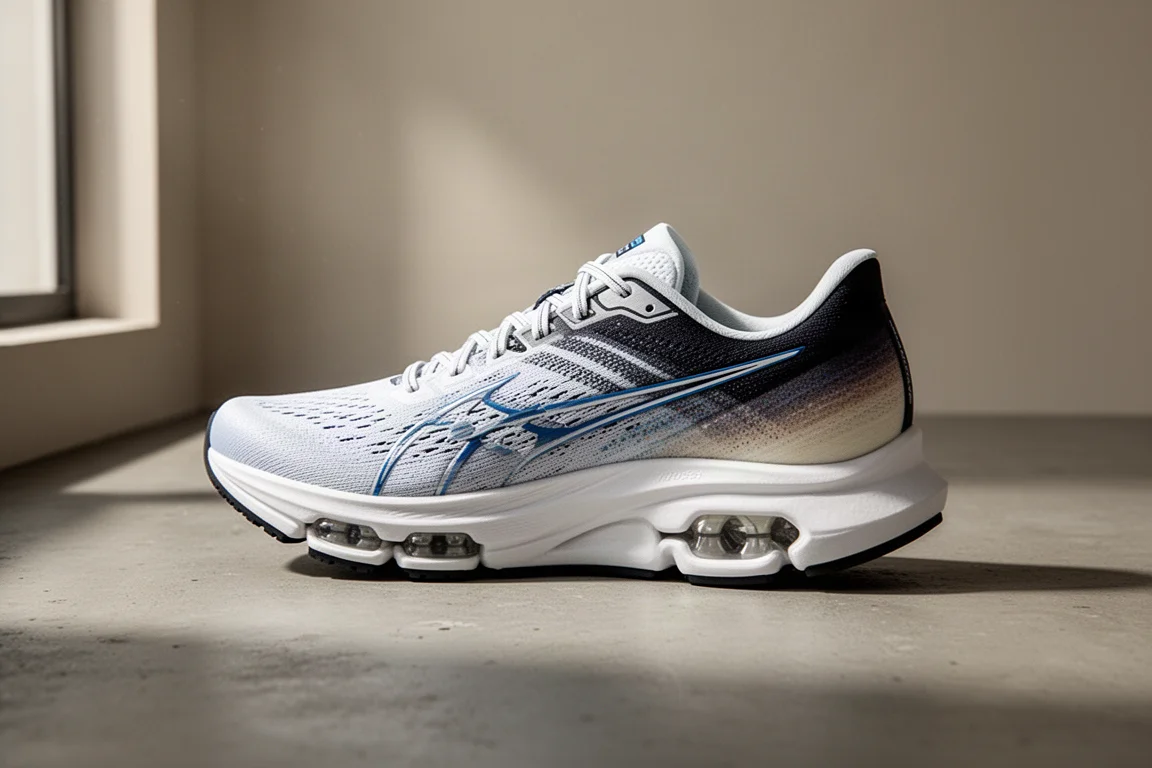
The Nike Alphafly 3 in the Vault colorway launched on 7 March and sold out almost instantly, disappearing from the Nike website, the app, and major retailers within minutes. For runners who managed to secure a pair, there is a genuinely surprising finding hiding in this release: the sizing behaves very differently from what the official guide suggests, and it changes the shoe’s character in ways that matter for marathon racing.
What Makes This Colorway Different
In hand, the Vault version looks a little better than it did in the product photos. The upper is sleek and visually appealing, and the build quality is noticeably better than the Prototype colorway that released a couple of months earlier. The less convincing elements are the gradient paint on the heel section, the printed ZoomX logos, and the detailing on the back of the shoe, which sits slightly off centre. There is also a question of how that paint will look once the foam compresses with use.
Weight and Fit: Half a Size Changes Everything
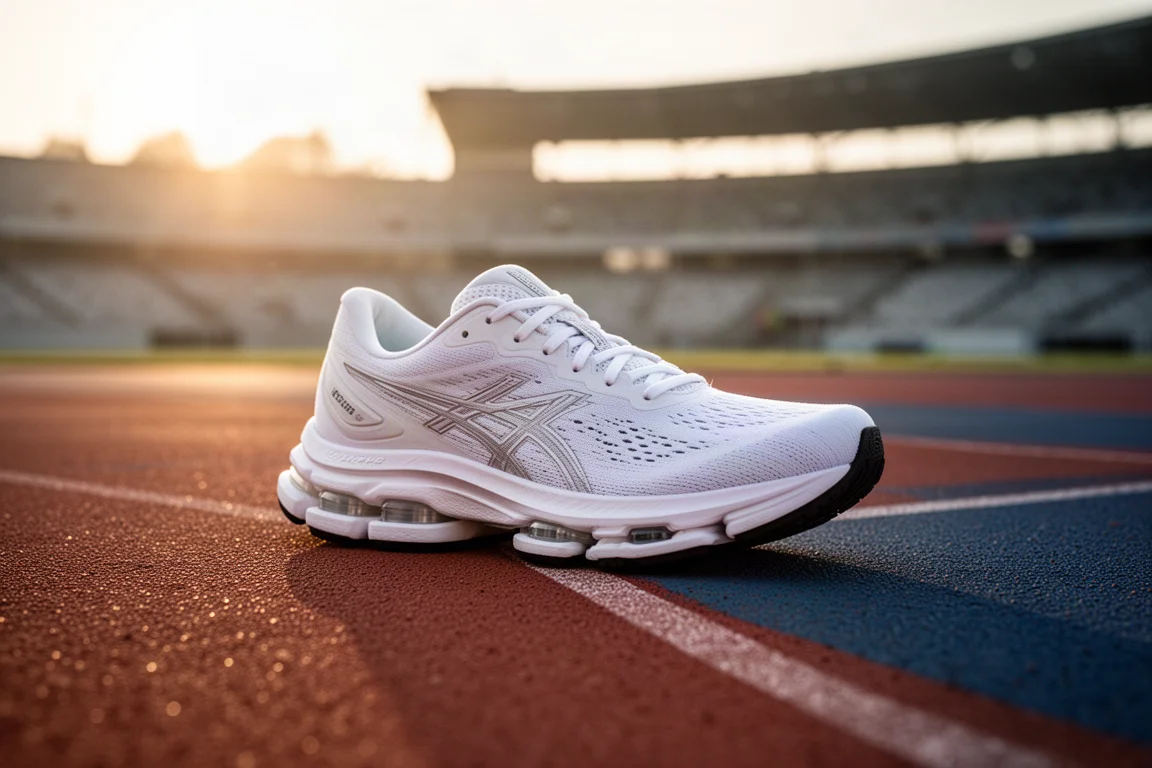
This is the most important part of the story. A UK 11 (US 12) pair came in at around 246g, while a half size up in UK 11.5 (US 12.5) weighed roughly 270g, or 9.6oz. That is nearly an ounce of difference from just half a size, and it is clearly noticeable on foot.
The dimensions tell a similar story. The UK 11.5 measures about 13.1cm across the forefoot and 10.1cm in the heel, versus 12.7cm and 9.7cm on the UK 11. Length differs by only about 5mm, with the UK 11 measuring around 29cm rather than the 30cm stated on Nike’s sizing guide. The upper in the UK 11 is also much sleeker, with noticeably less material than the more generous half size up.
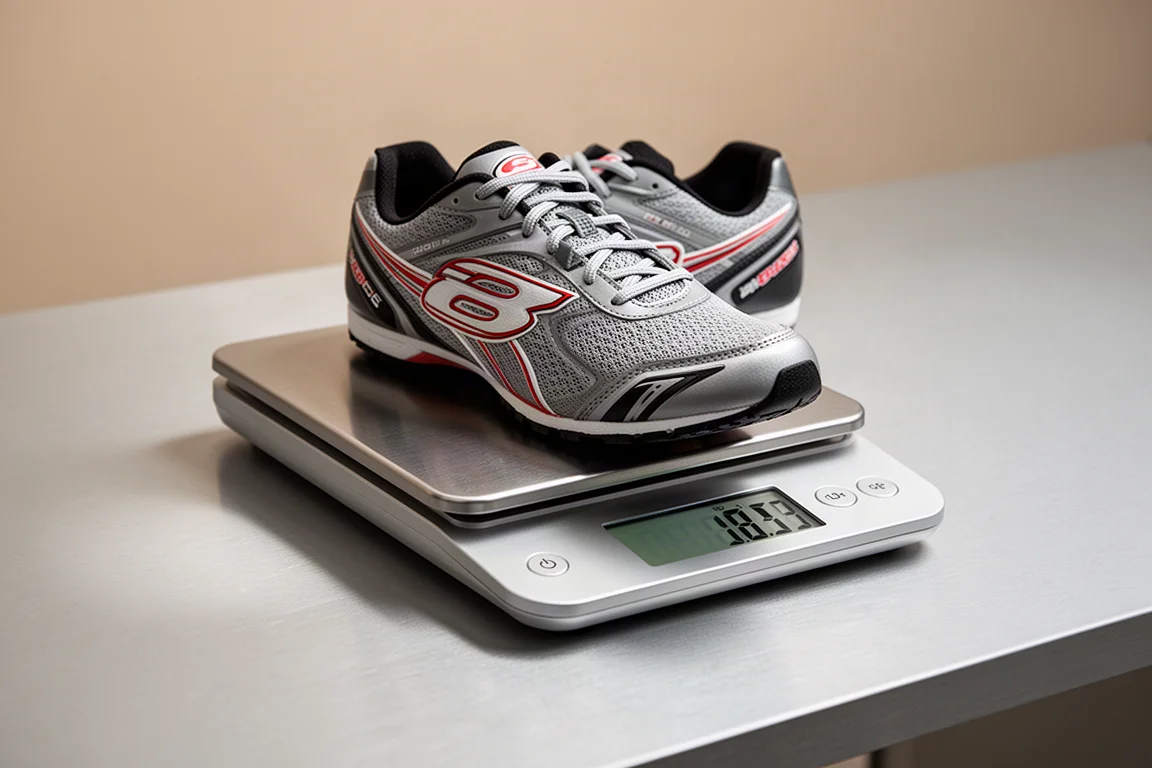
The practical consequence is significant. The UK 11 feels like a shoe you can genuinely race in, while the 11.5 starts to feel a little cumbersome, despite being only half a size larger. At UK 13, another pair has been reported at around 290g, which is a hefty figure for a racing shoe and raises doubts about how well this model suits runners with larger feet. In the UK 11, however, this is one of the lightest Alphafly versions ever, lighter than the first Alphafly and roughly on par with the Saucony Endorphin Pro 4 in weight.
Foam, Stack, and Midsole Paint
The midsole paint on the Vault version adds measurable firmness. On a smooth section of exposed midsole, a softness gauge reading came in at about 30 Shore A on the Vault pair, compared with around 23 Shore A on the Prototype version. Nike has applied similar paint treatments on other models before, and it may offer some extra protection for the foam, but it does change the feel.
There is also a compression finding worth knowing. After roughly 40 miles of use, the UK 11.5 pair showed about 2mm less heel stack than when new, with the heel compressing outwards. Interestingly, the forefoot stack in both sizes remained identical, possibly because the forefoot air units are more resilient and hold the structure together. In effect, the heel-to-toe drop of the shoe appears to diminish slightly over time.
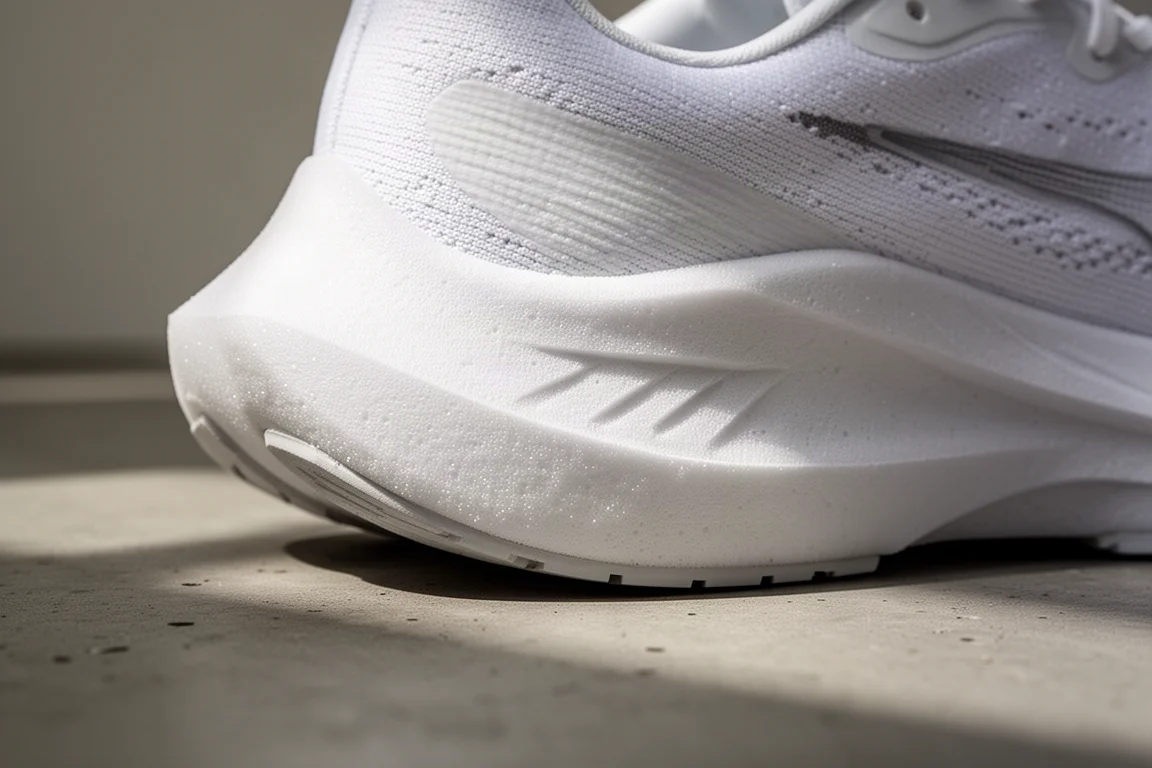
Most of the weight saving in the Alphafly 3 comes from removing midsole material, which means you get a little less shoe this time around. That matters because what many runners loved about the original Alphafly was the sheer volume of foam underfoot. The foam, not the plate, remains the main driver of super shoe efficiency, with the plate contributing only a small share of the improvement. A fair question is whether lighter runners who cannot load the air units with much pressure will get quite as much out of this shoe.
Availability and the Drop Problem
Why does Nike make this shoe so difficult to buy? The Prototype sold out, and the Vault colorway disappeared even faster, gone in seconds on the Nike website and app, with retailers and Sportsshoes.com selling through within minutes. Hours later, pairs appeared on resale platforms. Nike gains little from this setup: customers are left frustrated, demand is clearly there, and the brand gains no additional revenue from the resale market.
A queuing system, one-pair-per-customer limits, or pre-registration would let more runners who genuinely want to race in these shoes actually get them. With sneaker reselling in decline and resale profits much smaller than they once were, that shift is arguably good news for runners who want the shoe for its intended purpose.
Buying Advice Before Your Next Race
If you are considering going up a half size in the Alphafly 3, think very carefully. The weight penalty is real, the fit gets looser in the forefoot and heel, and the length gain is minimal. The stronger advice is to go as low as you comfortably can in sizing, since the higher sizes carry a weight scaling that undermines many of the shoe’s strengths.
If this shoe is headed for your target marathon, use it for a few easy early runs to break it in and get accustomed to the ride, then set it aside until race day. That preserves the cushioning where it counts.
Conclusion
The Nike Alphafly 3 Vault is one of the lightest versions of this racing shoe ever produced, with better build quality than the Prototype release, but the paint treatment firms up the midsole and the aggressive weight scaling between sizes is the detail most buyers overlook. Sizing down conservatively is the single most important decision you can make with this shoe.
Product link
View more details for Nike Alphafly 3
This product is mentioned in the review. Check the specifications, options, and compatibility before buying.
View more details for Nike Alphafly 3Further reading
Related Reviews

Running Shoes
Best Road-to-Trail Running Shoes: Three Versatile Options for Mixed Terrain
A practical guide to three road-to-trail running shoes that handle both pavement and mild trails, with clear strengths and trade-offs for different runner types.

Running Shoes
Best Running Shoes for Achilles Tendonitis: Three Options Explained
Three running shoes with different heel drops and support features designed to help reduce Achilles tendon pain during walking and running.

Running Shoes
Best Running Shoes for Women: Five Top Choices Ranked
A ranked guide to five women's running shoes, from versatile daily trainers to high-performance racing options, with real strengths and trade-offs for each.