Running Shoes
Nike Alphafly 3 Revisited: A Race Shoe That Rewards Strong Running
After nearly 100 miles of testing, the Nike Alphafly 3 proves to be a fast, aggressive marathon racer that demands effort and repays it in speed.
Introduction
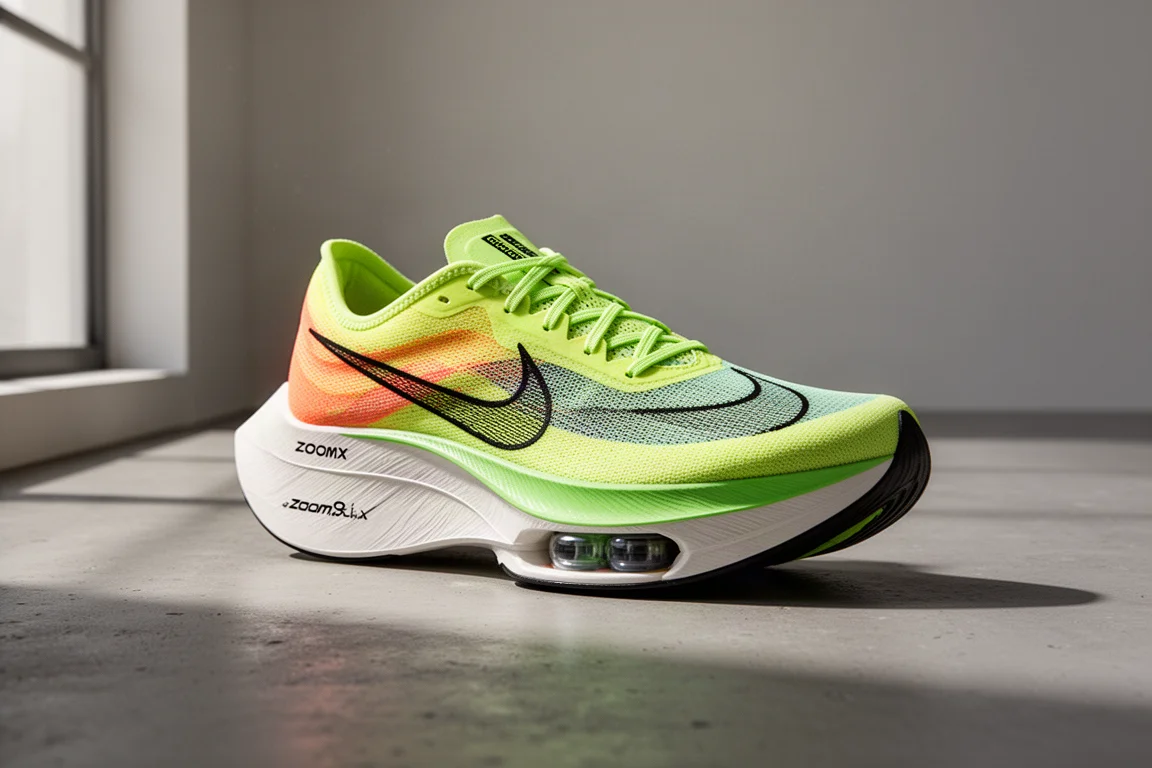
The Nike Alphafly 3 has grown on us over a long stretch of testing. Early on, it felt too aggressive, occasionally firm, and occasionally clunky, with the pods and overall setup not clicking immediately. But after more race shoes passed through the rotation and more runs accumulated in this pair, a clearer picture emerged: this is a shoe that works brilliantly when you run strong and feel good, and it asks something of you in return. With nearly 100 miles on the pair, including a 14-mile tempo grind at around 6:08 per mile and a 12-mile afternoon double, this revisit looks at whether Nike’s hero racing shoe still belongs in the conversation for non-elite runners.
What Makes the Alphafly 3 Special
At the top of Nike’s running lineup, the Alphafly 3 sits well above standard trainers like the Pegasus, which start around $100 to $140. The Alphafly 3 costs $285 and reaches $300 in some colorways, so expectations should be sky high.
The core recipe remains what Nike pioneered in marathon racing: tall stacks of ZoomX foam and a carbon fiber plate. The plate exists to give structure to the very soft, squishy foam, keeping you locked in and moving straight at speed rather than mushing down and sliding around.
The secret sauce is the Air Zoom units. Underneath the plate, the middle of the shoe is largely hollow, with two pressurized pods sitting under the forefoot. Landing on pods rather than on a full slab of foam creates a highly mechanical, structured, almost firm sensation. You do not get the deep compression of a fully foam-based racer like the Saucony Endorphin Pro or Nike Vaporfly. Instead, you land on top of technology that provides sharp feedback and rewards forceful forefoot running.
First Impressions vs. Long-Term Feel
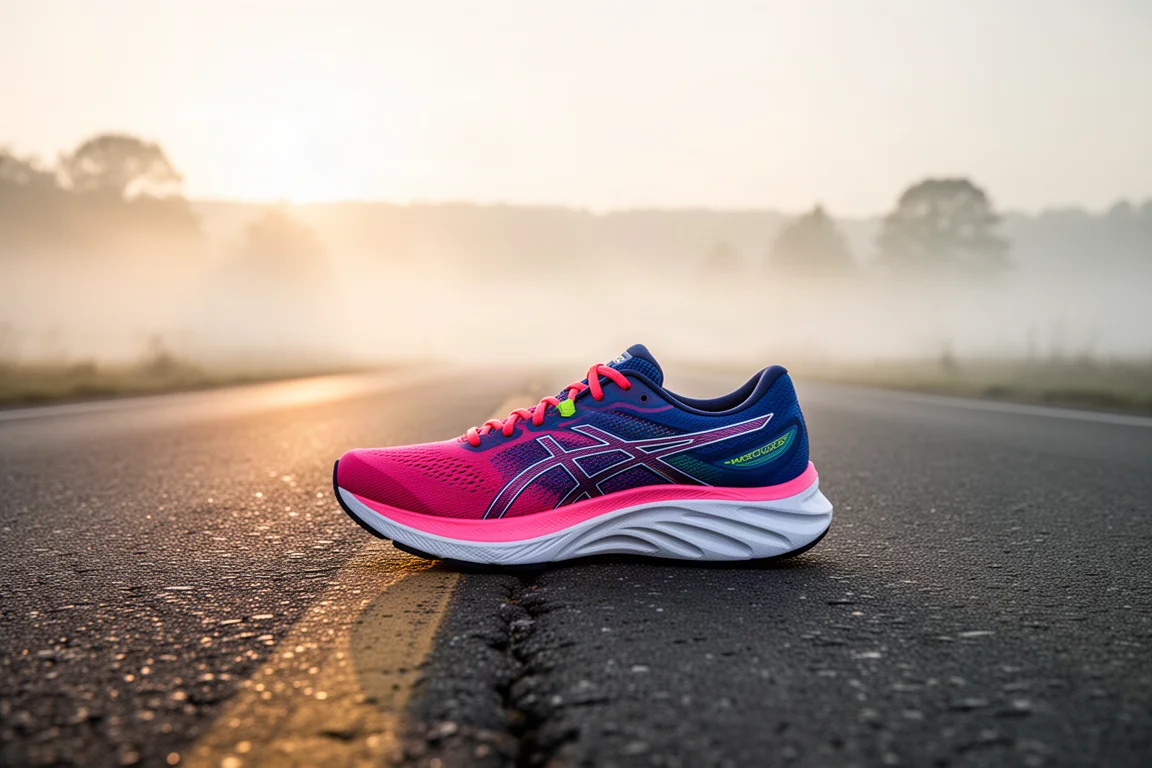
The initial experience was not love at first stride. The pods demand effort: early runs felt like you had to crank up your legs and push harder into the shoe than you wanted. Compared to the foam-heavy racers of the time, it felt like running on top of machinery.
Over time, that changed. Once treated as a tool rather than a passive ride, the shoe became genuinely enjoyable, especially for faster running. The pods respond to force through the forefoot, which makes the shoe an effective motivator to pick up the pace. Long runs in the pair have included an 18-mile outing, a strong 22-mile progression run, and a 14-mile grind at 6:08 average pace that came close to a half marathon personal best in training.
On-foot experience matters too. This is one of the best lace-up experiences for a race day shoe thanks to the sock-style upper, which conforms well to the foot with plenty of lace holes. It feels special to put on, and it looks special: the design language is still among the best in running, with a silhouette that reads as fast even standing still.
Everyday Performance: Running Fast Feels Easy
In actual running, the shoe delivers real speed assistance. On a tempo morning, paces held steadily in the low 6-minute range, with the shoes providing noticeable pop and bounce. During a second relaxed afternoon run, pacing by feel turned out to be significantly faster than intended: the shoes were estimated to give roughly 10 to 15 seconds per mile. A planned chill 12 miles ended at about 7-minute average pace, with splits accelerating from 7:45 down into the 6:40s.
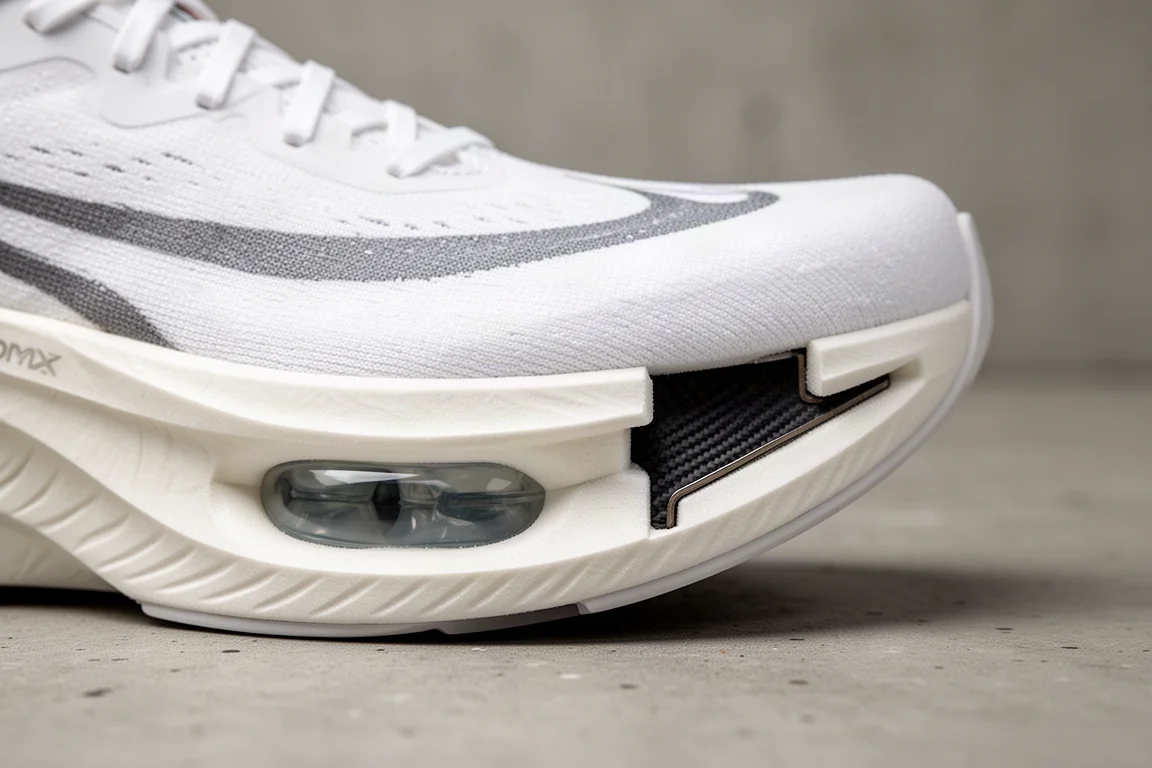
The catch is that this is not a chill shoe. Slowing down does not feel good in it. Some racers, like the Saucony Endorphin Pro 4, offer forgiving bounce at slower paces. The Alphafly 3 wants you to run fast to unlock its character, and the calves get worked hard when you dig into the forefoot pods. The heel cutout encourages forefoot landing, and the wider base provides acceptable stability, but the shoe rewards strong, upright posture and good turnover.
That behavior makes it excellent for fast days and tempo work, and it almost functions like an amped-up Adidas Boston 12: aggressive, propulsive, and best used deliberately rather than casually.
Things to Consider Before Buying
- Price. At $285 and up to $300 in some colorways, this is a serious investment for a race-day tool.
- Pace specificity. This is a shoe designed for elite-level paces. Changes have made it somewhat more accessible, but if your fast pace sits around 8 to 10 minutes per mile rather than 5 to 6, other options may serve you better.
- Comfort demands. You need to run strong to enjoy it. It forces forefoot engagement and does not forgive sloppy form or heavy fatigue.
- Not a do-everything shoe. It is primarily a fast running shoe. Walking, casual wear, or slow recovery miles are not its purpose, even though some people do wear it as a fashion piece.
Who Should Buy the Alphafly 3
This shoe suits runners who can hold strong form for the entirety of a race, regardless of finish time. A strong marathon is not defined by running 2:10 or 4:07; it is defined by even, controlled splitting and maintained form. If you can pop off the forefoot, run with good posture, and keep turnover going deep into a race, the Alphafly 3 will reward you.

If your marathons tend to fall apart in the second half, or if you want a shoe that stays comfortable while spending long hours on your feet at slower paces, options like the Saucony Endorphin Pro 4, Puma MagMax Nitro, or more forgiving training shoes will likely suit you better.
The Bigger Picture for Nike
Is the Alphafly 3 competitive with the other race shoes on the market? Absolutely, provided you are running strong. But the broader Nike lineup currently has gaps. The Pegasus is not competitive at its $140 price point, where alternatives like the Brooks Hyperion 2, New Balance Novablast 4, Saucony Kinvara, and others offer better value.
The most compelling idea: keep the Alphafly’s forefoot, add a softer training foam at the heel, simplify the upper, and price it around $180. That would fill the missing Boston 12 competitor slot and give Nike a serious tempo and speed-training shoe for everyday runners.
Buying Advice
Treat the Alphafly 3 as a race-day and fast-workout tool. If you are marathon training, can sustain strong form, and want a shoe that actively pushes you to faster paces, it is a legitimate pick even at nearly 100 miles of durability and counting. If your focus is comfortable long miles or all-around versatility, spend your budget elsewhere in the current market, where several brands now offer strong alternatives at lower prices.
Conclusion
The Nike Alphafly 3 is not the easiest shoe to love at first contact, but patience pays off. It is aggressive, mechanical, and demanding, yet it delivers genuine speed assistance and one of the most special on-foot experiences in racing footwear. For strong runners chasing fast marathons, it absolutely belongs in the conversation. For everyone else, it remains a shoe worth admiring, even if your best shoe is waiting elsewhere in the lineup.
Product link
View more details for Nike Alphafly 3
This product is mentioned in the review. Check the specifications, options, and compatibility before buying.
View more details for Nike Alphafly 3Further reading
Related Reviews
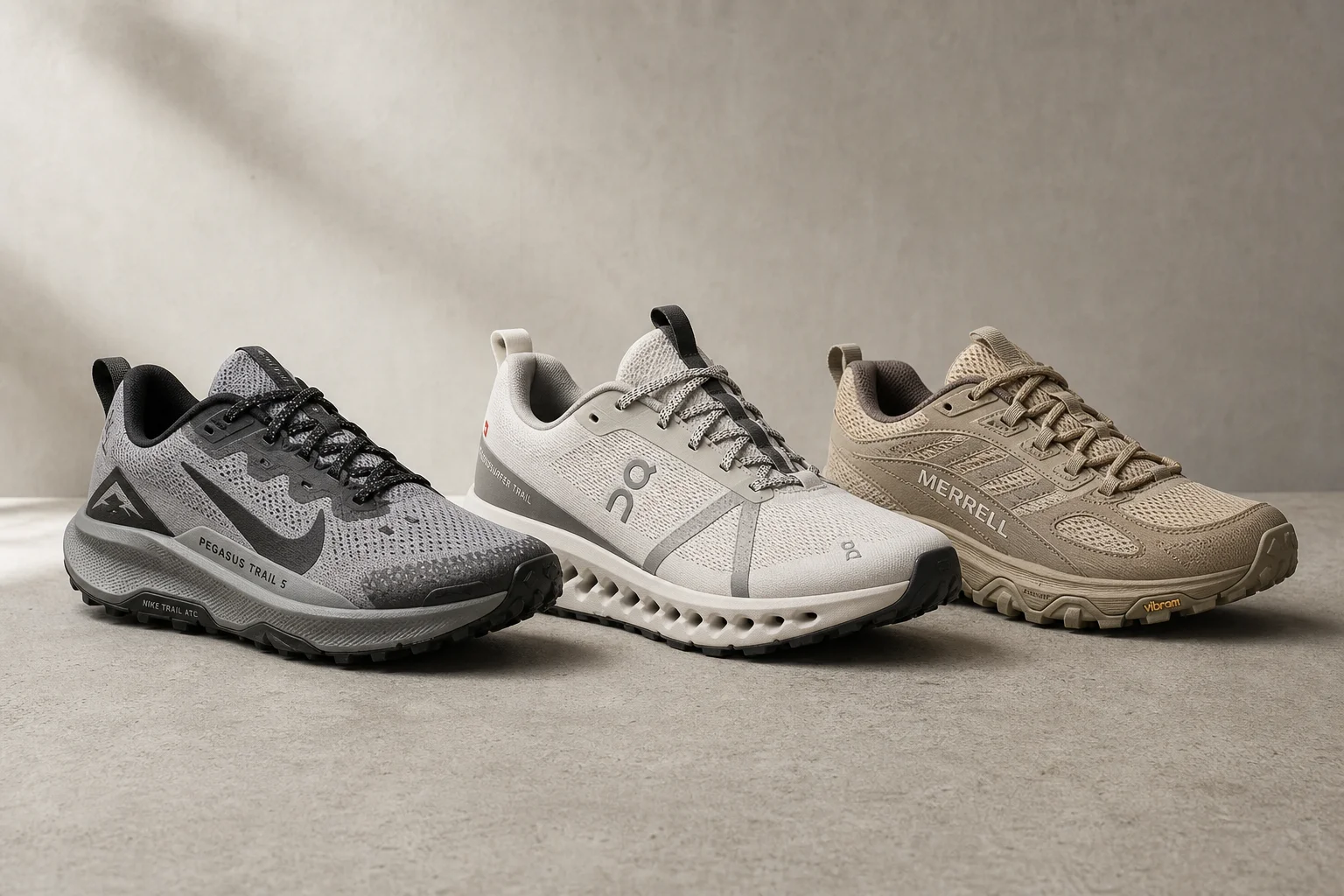
Running Shoes
Best Road-to-Trail Running Shoes: Three Versatile Options for Mixed Terrain
A practical guide to three road-to-trail running shoes that handle both pavement and mild trails, with clear strengths and trade-offs for different runner types.
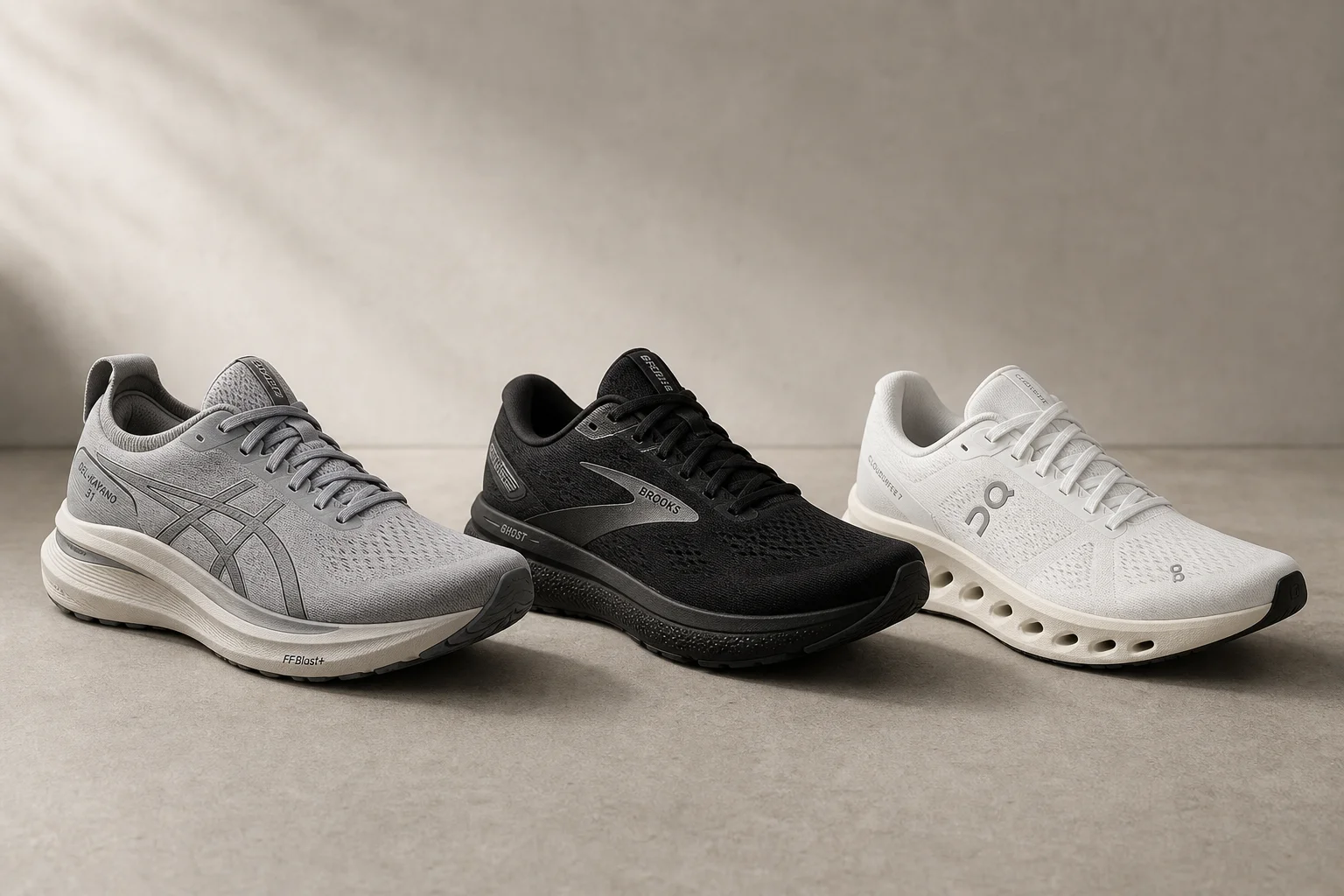
Running Shoes
Best Running Shoes for Achilles Tendonitis: Three Options Explained
Three running shoes with different heel drops and support features designed to help reduce Achilles tendon pain during walking and running.
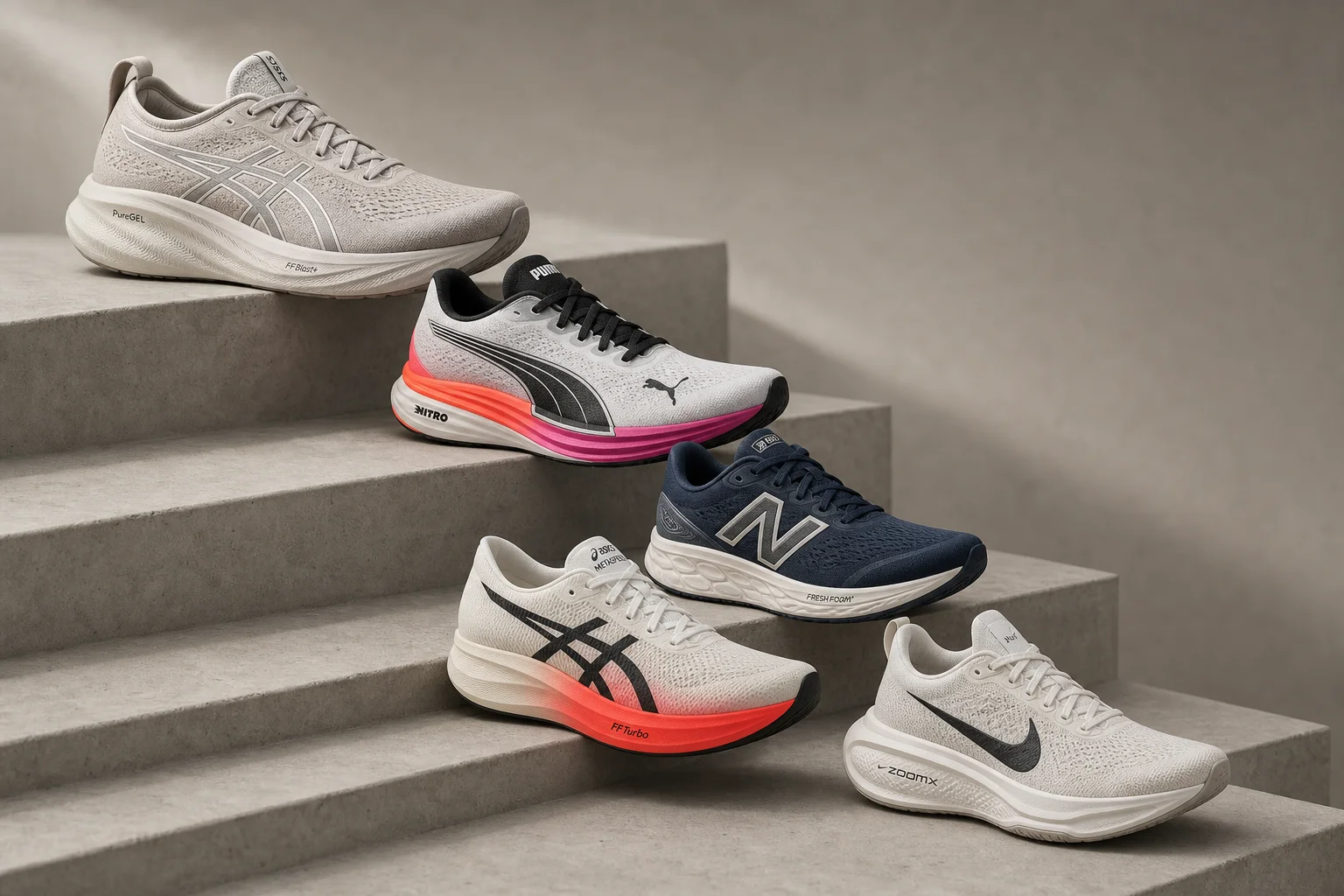
Running Shoes
Best Running Shoes for Women: Five Top Choices Ranked
A ranked guide to five women's running shoes, from versatile daily trainers to high-performance racing options, with real strengths and trade-offs for each.