Running Shoes
Nike Alphafly 3 Preview: What We Know So Far About Nike's Next Marathon Racer
A closer look at the Alphafly 3's closed midsole, smoother heel-to-toe transition, expected price, and how it stacks up against Saucony and Asics rivals.
Introduction
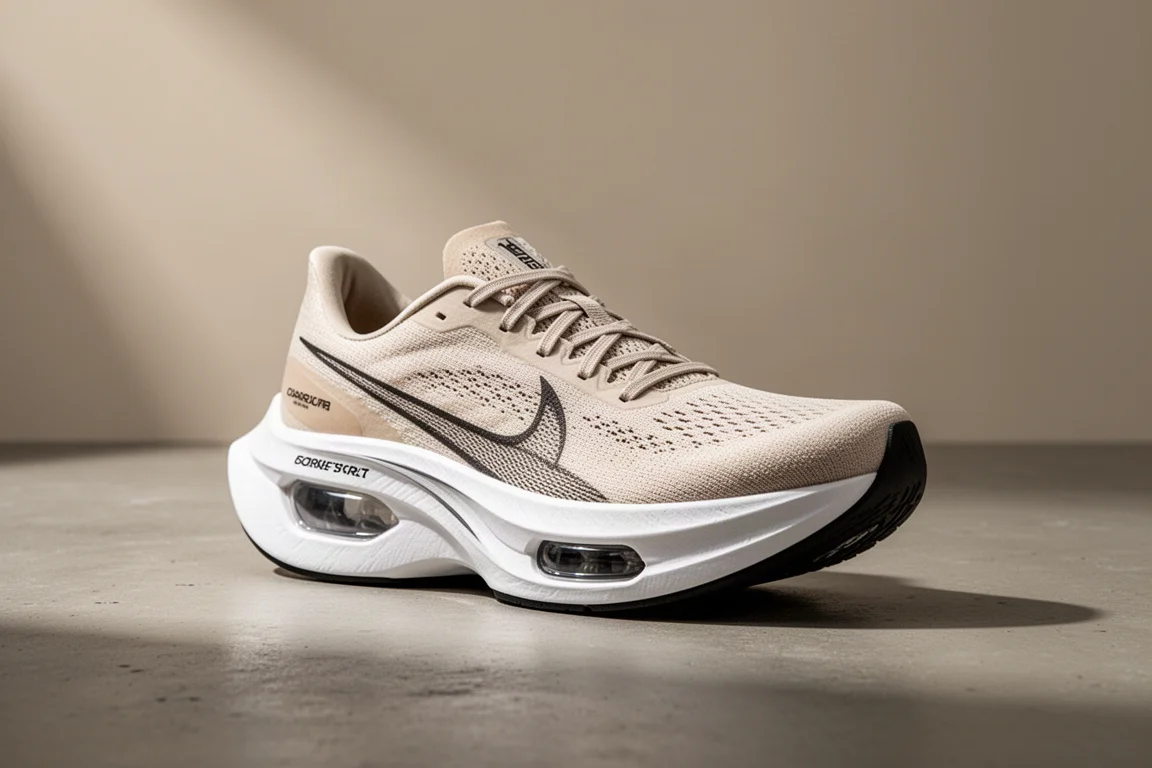
The Nike Alphafly 3 is shaping up to be one of the most anticipated marathon racing shoe releases in the next cycle. Early leaked images and sightings on the feet of elite runners are starting to trickle out, and the picture is becoming clearer: Nike appears to be refining the platform rather than reinventing it. This preview covers everything currently known, from the midsole changes to the expected release window and pricing, plus the alternatives worth considering if you cannot wait.
Background: How the Alphafly Line Evolved
The Alphafly sits alongside the Vaporfly as one of two marathon racing shoes in Nike’s lineup. The Vaporfly started the entire carbon-plated, super-foam era, pairing ZoomX foam with a carbon plate. The Alphafly built on that package by adding an air unit in the forefoot, creating a shoe that rewards forefoot strikers who can reliably load pressure on the front of the shoe and pop off it.
The first version earned enormous praise and became something of a status symbol, famously worn during record-setting marathon performances. Version two softened things up, adding weight and widening the platform to address one of the original shoe’s main weaknesses: instability when landing on the heel.

That history sets up the key question for version three: does Nike return to the fast, aggressive roots of the original, or continue down the friendlier, more mainstream path of the second version?
The Biggest Change: A Closed-Up Midsole
The most significant update in the Alphafly 3 is the midsole construction. In versions one and two, the forefoot air unit was exposed, with a visible gap between the air pod and the center and rear foam on the underside of the shoe. In version three, that gap is gone.
The new design looks closer to a classic Nike Air Max approach: one continuous piece of foam with a window into the air pod, visible from the side. This should promote a smoother ride and better heel-to-toe transitions.
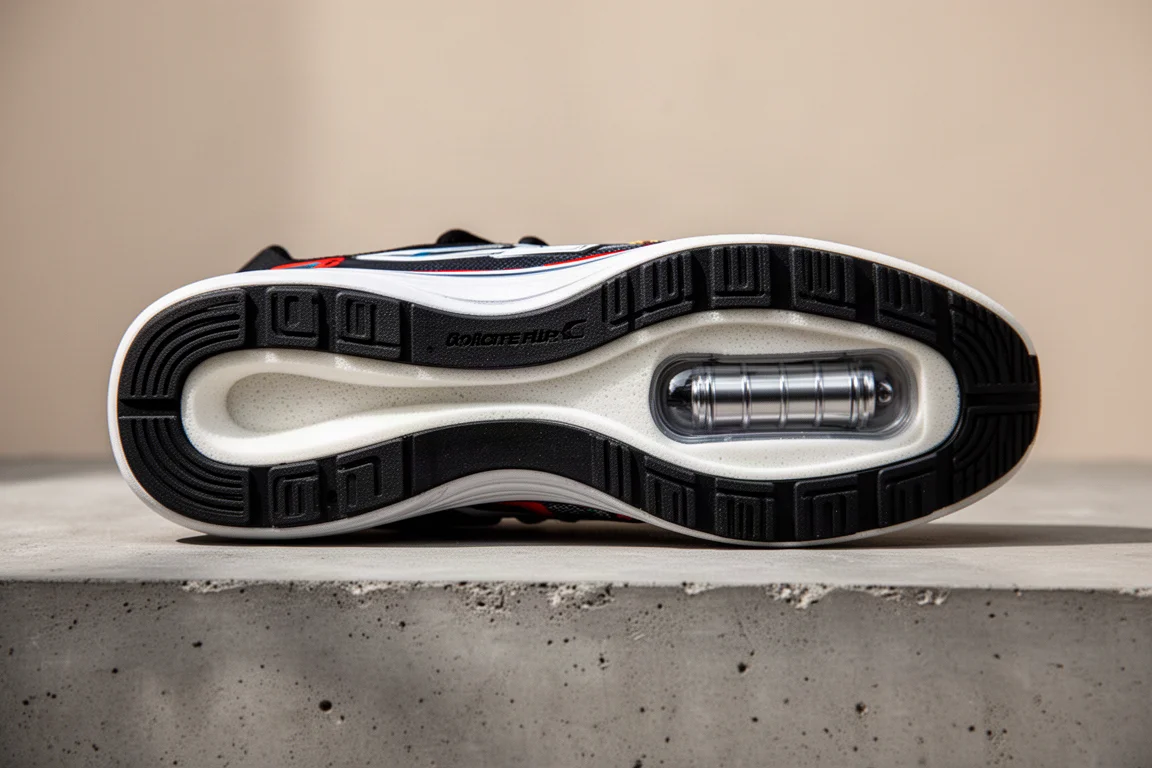
It also addresses the main complaint about earlier versions, which were really only suited to forefoot and midfoot strikers who could land directly on the pods. With a continuous foam and rubber layer on the bottom, the Alphafly 3 may allow runners to land on the rear of the shoe and roll through to the front more comfortably, opening the shoe up to a wider range of stride styles.
Rocker Geometry and Forefoot Spring
In the prototypes seen on elite marathoners, including at a marathon event in Japan, the forefoot appears to carry a rocker, possibly even more pronounced than in version two. That follows a wider trend in the racing shoe market, most notably with Saucony’s Endorphin Elite and Endorphin Pro, which many runners love for exactly this reason: an aggressive, springy toe-off that rolls you forward and promotes a faster ride.
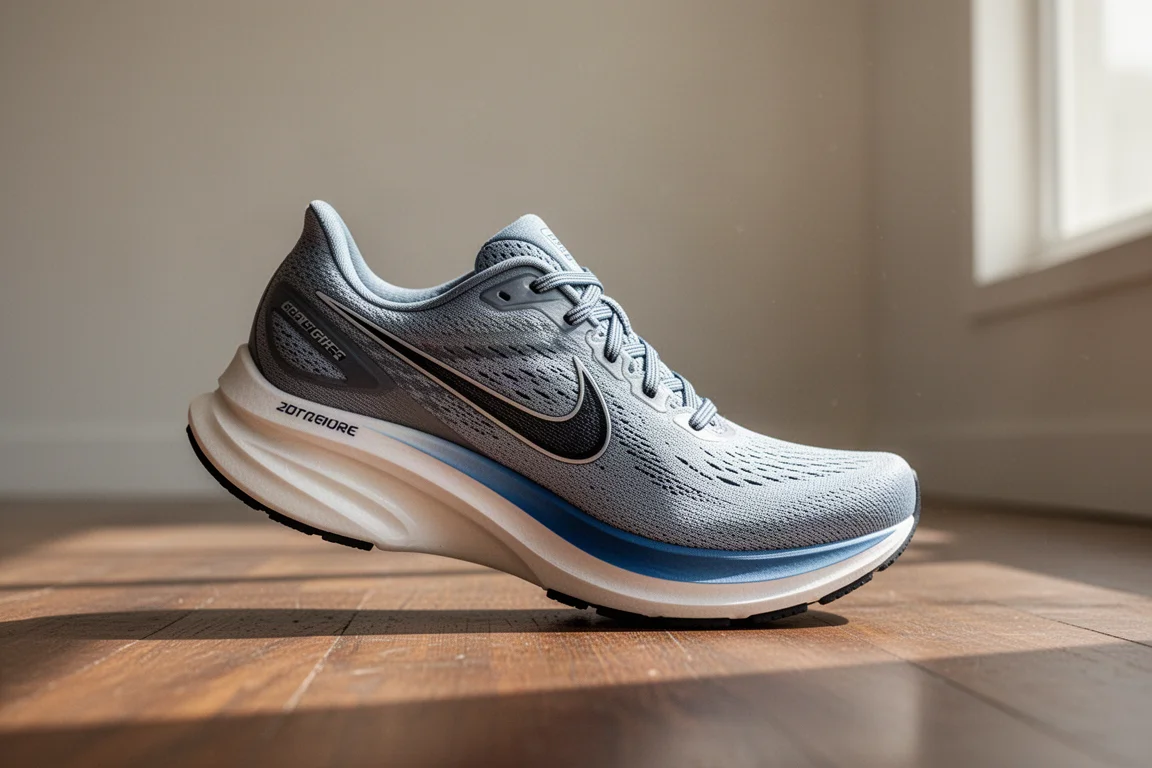
The expectation is that Nike is continuing this trend with the Alphafly 3, pushing the forefoot geometry even further toward that rolling, propulsive feel.
Expected Release Date and Price
Based on the racing calendar, the Alphafly 3 is likely to appear on elite feet at the Berlin Marathon in October, which points to a retail launch ahead of the holiday shopping season. That timing makes sense commercially, positioning the shoe as a prime gift-season purchase for runners.
Pricing is expected to land at $275, similar to version two. A modest increase is possible, but Nike’s current inventory situation makes a large price bump unlikely, since the brand has plenty of stock across its lineup to move.
How It Compares to the Competition
If you are looking for a shoe that can do a similar job for less money, the Saucony Endorphin Pro is the obvious first stop. It delivers a nice bouncy feeling off the forefoot, comparable in character to what the Vaporfly and the Alphafly 3 are aiming for.
The Saucony Endorphin Elite sits at the same price point rather than being cheaper, but it offers a similar ride with a lighter overall weight than the Alphafly.
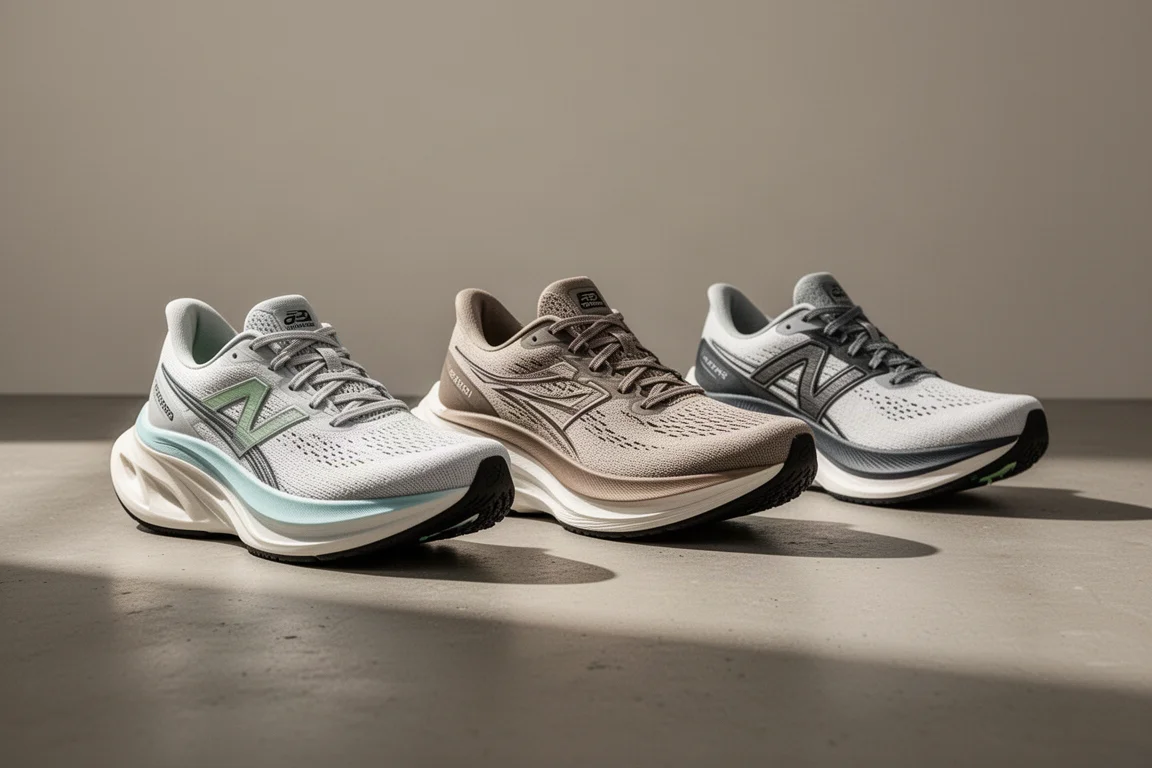
The Asics Metaspeed Sky Plus is another strong alternative, built around a tall stack of FF Turbo foam with a carbon plate for a bouncy, more rigid feel underfoot. Each of these covers a slightly different flavor of the same super-shoe formula, so the choice comes down to ride feel and fit preference.
Buying Advice
If you are a forefoot or midfoot striker who loves the Alphafly platform, version three looks like a safe bet: the same formula, refined with a smoother transition and likely a more aggressive rocker. If heel landings put you off earlier versions, the closed-up midsole is the change that could finally make this shoe work for you. And if you simply want super-shoe performance without the $275 outlay, the Saucony Endorphin Pro and Asics Metaspeed Sky Plus are worth serious consideration.
Conclusion
The Alphafly 3 looks like a thoughtful evolution rather than a radical redesign. Closing up the midsole should smooth out the ride and widen the shoe’s appeal, while a more pronounced forefoot rocker keeps it firmly in the fast lane. With an expected holiday-season launch at around $275, Nike is positioning it to be the marathon racer everyone talks about this winter. Watch this space for hands-on impressions once it hits the market.
Product link
View more details for Nike Alphafly 3
This product is mentioned in the review. Check the specifications, options, and compatibility before buying.
View more details for Nike Alphafly 3Further reading
Related Reviews

Running Shoes
Best Road-to-Trail Running Shoes: Three Versatile Options for Mixed Terrain
A practical guide to three road-to-trail running shoes that handle both pavement and mild trails, with clear strengths and trade-offs for different runner types.

Running Shoes
Best Running Shoes for Achilles Tendonitis: Three Options Explained
Three running shoes with different heel drops and support features designed to help reduce Achilles tendon pain during walking and running.

Running Shoes
Best Running Shoes for Women: Five Top Choices Ranked
A ranked guide to five women's running shoes, from versatile daily trainers to high-performance racing options, with real strengths and trade-offs for each.